If you’ve ever felt that Porto is a particularly good place to live and work, there’s now data to back that up. An international quality of life ranking has named Porto the Portuguese city with the highest quality of life, placing it ahead of other major cities in the country.
The result suggests that Porto is not only attractive for visitors, but also a city where day-to-day life tends to feel balanced and manageable. For residents, this confirms what many already sense. For anyone considering moving, studying or investing in Porto, it adds an extra layer of reassurance.
- What is the international quality of life ranking?
- Why does Porto stand out for its quality of life?
- How does Porto compare with other European cities?
- Quality of life in Porto: what does it mean in practice?
- Costs, housing and daily life: the other side of the equation
- How can Porto maintain and improve its position?
What is the international quality of life ranking?

The ranking is based on data from Numbeo, one of the largest collaborative databases covering cities and countries worldwide.
The platform gathers information through user contributions alongside publicly available data. It then compares hundreds of cities using indicators such as:
- Quality of life
- Safety
- Healthcare
- Traffic and average commuting times
- Pollution
- Cost of living
These indicators are converted into comparable indices, producing an international quality of life ranking that is updated regularly.
Rather than reflecting a single opinion, it represents a statistical snapshot built from thousands of data points submitted by residents and cross-checked with public sources. In that context, Porto emerging as the highest-ranked Portuguese city for quality of life carries particular significance.
Why does Porto stand out for its quality of life?
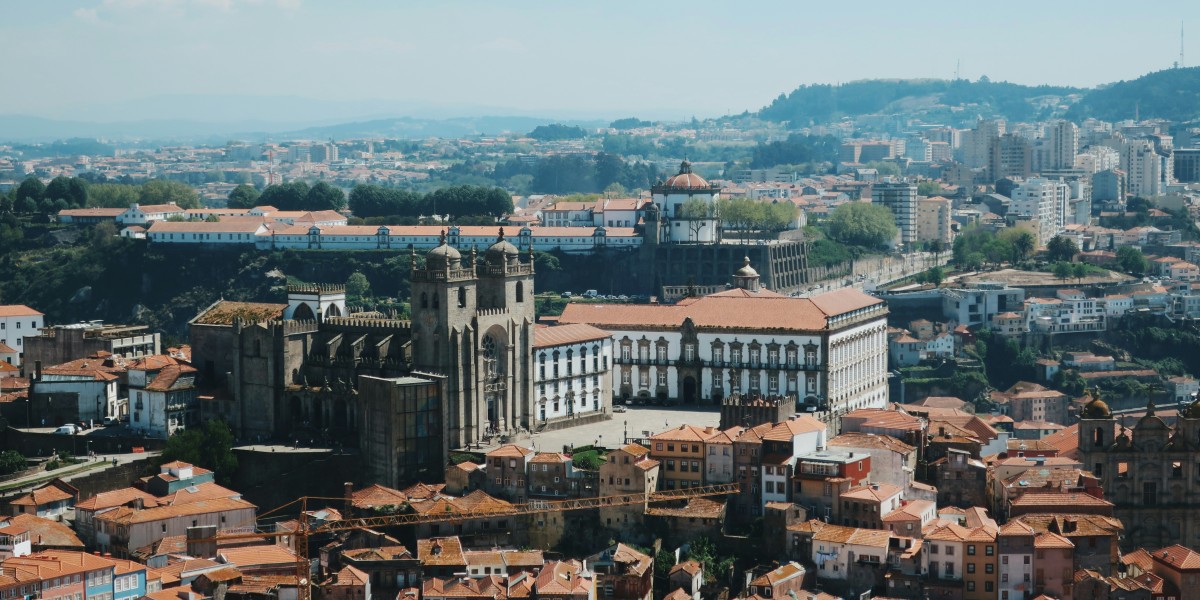
Porto performs consistently across several areas that directly affect everyday life.
In terms of traffic, the city ranks among the top 30 in Europe (21st place) and the top 30 globally (28th) for average commuting times and lower levels of dissatisfaction linked to congestion. Compared with many other European cities, daily travel here is generally less time-consuming and less stressful.
When it comes to pollution, Porto ranks 26th in Europe and 33rd worldwide, performing better than cities such as Prague and Málaga. This index takes into account air and water quality, waste management, noise levels, public lighting and access to green spaces.
How does Porto compare with other European cities?
At the top of the European ranking, Dutch cities dominate. The Hague, Utrecht, Eindhoven, Groningen and Rotterdam frequently appear as leading examples, supported by strong urban planning, reliable transport networks, high safety levels and consistent environmental policies.
Porto’s strong results in areas such as traffic and pollution, combined with its position as Portugal’s top-rated city, suggest it is approaching standards more commonly associated with central and northern Europe.
Portugal’s economic reality differs from that of the Netherlands or Germany, but the ranking shows that Porto holds a competitive position within Europe, particularly among cities of a similar size. For international students, professionals and digital nomads, that comparison carries weight when considering where to settle in Portugal.
Quality of life in Porto: what does it mean in practice?

A strong ranking is one thing. Daily experience is another.
In practical terms, quality of life in Porto translates into several concrete factors:
- Shorter commutes: less time spent in traffic means more time for family, social life, or simply slowing down.
- More controlled pollution levels: relatively good air quality, access to parks and riverfront areas, and manageable noise levels support overall well-being.
- Manageable size: Porto is large enough to provide jobs, culture and services, yet compact enough to cross much of the city on foot or by public transport.
- Access to nature: the Atlantic coast, the Douro River and urban parks are all within easy reach, making it simple to step away from denser areas.
- Perception of safety and cost of living: while experiences vary by neighbourhood, the overall perception remains reasonably positive compared with many European cities.
Costs, housing and daily life: the other side of the equation

Any conversation about quality of life in Porto has to include housing costs. Numbeo’s ranking factors in the cost of living, allowing comparisons with other European cities.
In recent years, both purchase prices and rents have risen sharply. This trend has been driven by tourism, foreign investment, and growing demand from students and skilled professionals.
Even so, when Porto is compared with European cities that achieve similar quality-of-life scores, the balance between average salaries, services and overall living costs still makes it relatively attractive. The gap has narrowed, but it has not disappeared.
How can Porto maintain and improve its position?

Being recognised as Portugal’s leading city for quality of life is significant. Maintaining that position will require consistent effort.
Key areas include:
- Continued investment in sustainable mobility and efficient public transport;
- Protection and expansion of green spaces, along with accessible riverfront and coastal areas;
- Balanced management of tourism, particularly its impact on housing and living costs;
- Ongoing attention to safety, lighting and maintenance of public areas;
- Greater involvement of residents in decisions about urban development, ensuring growth benefits those who live there, not only visitors.
Stay in the know about living in Portugal as a foreigner—get our weekly newsletter for the latest travel, legal, and lifestyle news.