Living in Coimbra means choosing a historic Portuguese city with a strong academic identity, a slower pace of life and property prices that are still lower than Lisbon or Porto.
Set along the River Mondego in central Portugal, Coimbra blends medieval streets and student energy with practical advantages that appeal to remote workers, retirees and families.
What’s it like to live in Coimbra? Pros and cons
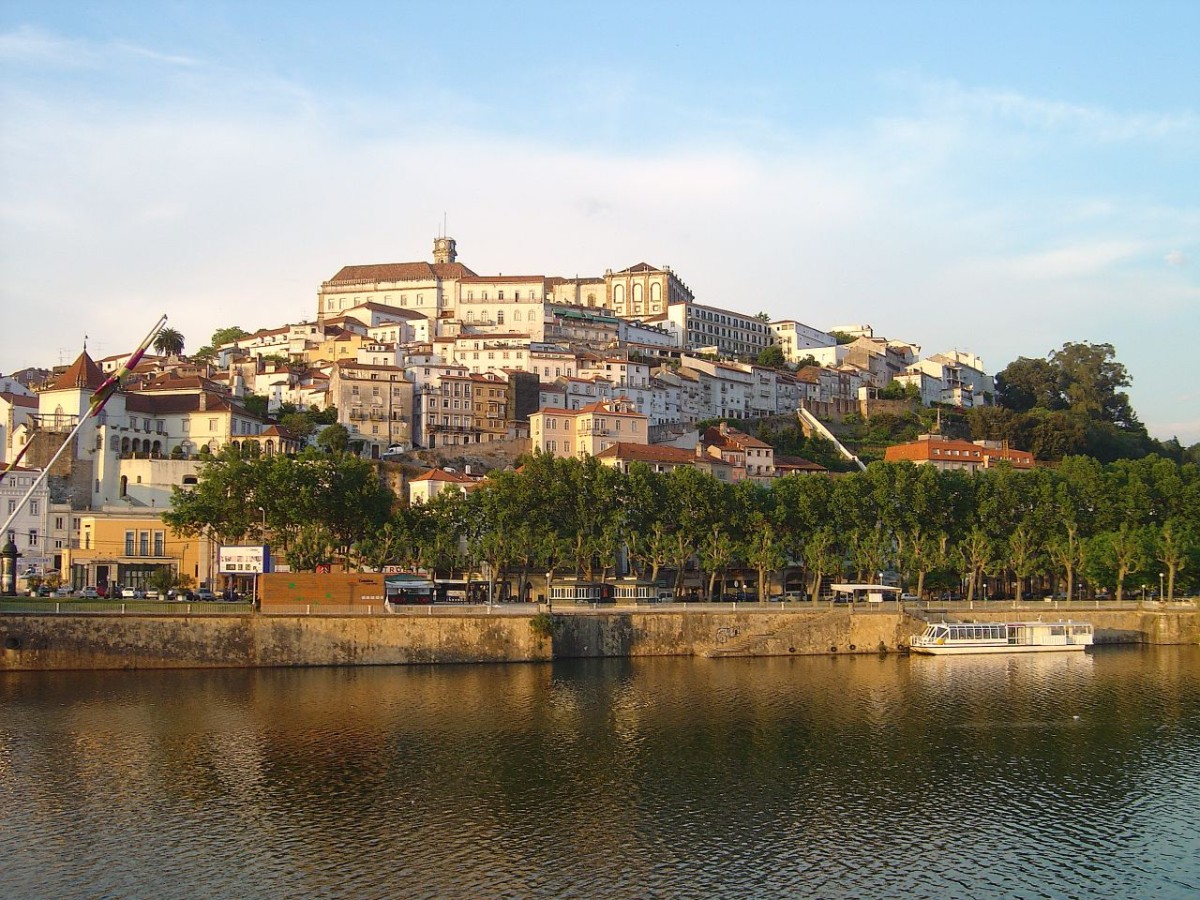
Coimbra isn’t a glossy capital city, and that’s exactly why some people choose it. Life here is manageable, culturally rich and relatively affordable, but it comes with trade-offs.
Some of the pros of life in Coimbra include:
- Strong cultural identity: Home to the UNESCO-listed University of Coimbra, founded in 1290, the city revolves around academic traditions, libraries and historic architecture.
- Lower property prices than in Lisbon and Porto: Housing remains more accessible, particularly outside the historic centre.
- Manageable size: You can cross much of the city on foot.
However, there are also a few downsides to consider:
- Limited job market outside education and healthcare: Many professionals work remotely or commute.
- Hot summers and cool winters: Buildings in the historic centre can be poorly insulated.
Where to live in Coimbra
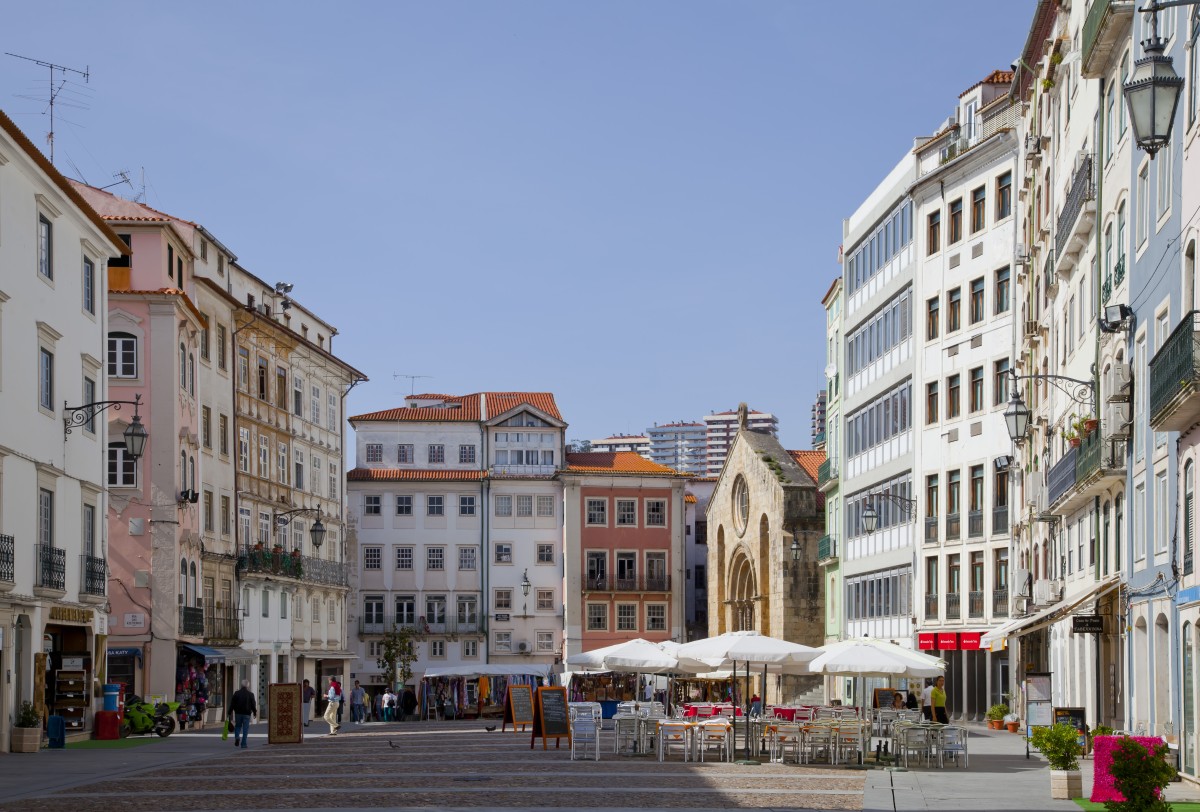
Coimbra’s neighbourhoods vary more than people expect. Broadly speaking, the centre is historic and compact, the north is more residential and practical, and areas near the university have a strong student presence.
Baixa de Coimbra
Expect narrow streets, older buildings and easy access to cafés, shops and the riverfront. Popular with students and short-term renters, but less so with families looking for modern flats and parking.
Monte Formoso
Located north of the centre, this is a quieter, residential area with more modern apartment blocks. You’ll find families and long-term residents here rather than students.
Celas
Close to university faculties and the hospital, Celas attracts students, healthcare professionals and young academics. It feels more lively than Monte Formoso but less touristy than Baixa.
Cost of living in Coimbra in 2026
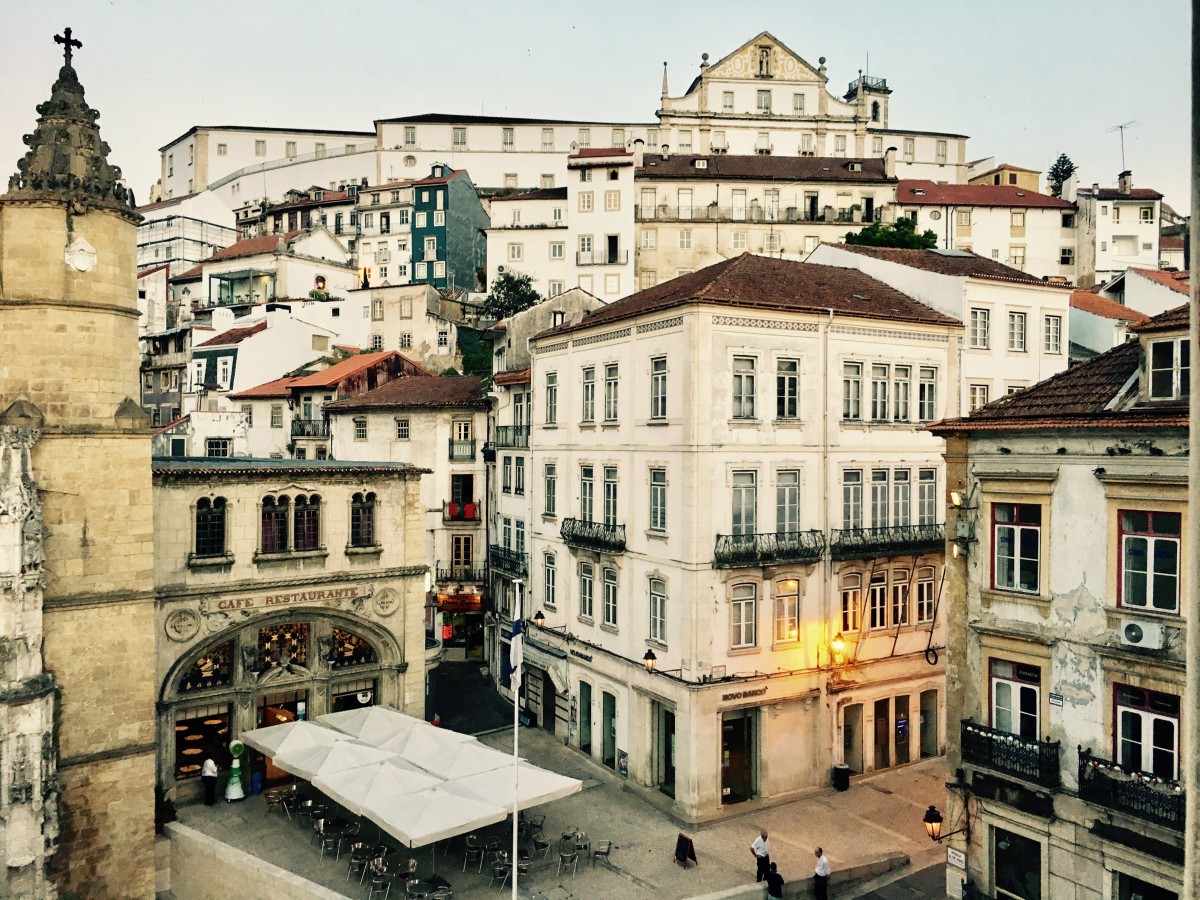
The cost of living in Coimbra remains one of the city’s strongest advantages. Eating out is still affordable:
- A cheap main course at an inexpensive restaurant costs around €10 according to Numbeo.
- A three-course meal for two at a mid-range restaurant averages €40.
- A beer typically ranges between €2–4.
Everyday essentials are also reasonably priced:
- A loaf of fresh white bread at €1.36
- A monthly public transport pass at €30
- Basic utilities for an 85m² apartment come to roughly €120 per month
Property market in Coimbra
As for housing, property prices in Coimbra averaged around €2,287 per m² in February 2026, while rent prices in Coimbra averaged €12.8 per m² in the same month. That means an 80m² apartment would typically cost about €1,024 per month.
Compared to the national averages of €3,076 per m² to buy and €16.2 per m² to rent, Coimbra is clearly below the Portuguese average. Overall, based on these figures, the cost of living in Coimbra is generally considered low to moderate, particularly when compared to Lisbon or Porto.
Quality of life in Coimbra

Coimbra offers a calmer rhythm than Lisbon or Porto. Healthcare is strong due to the Centro Hospitalar e Universitário de Coimbra, one of the most important medical centres in Portugal.
Green spaces such as the Botanical Garden of the University of Coimbra provide open space in a compact city. Safety levels are generally high, and crime rates remain relatively low compared to larger urban centres.
What to visit in Coimbra
Living in Coimbra means having cultural landmarks on your doorstep.
- University of Coimbra: The Biblioteca Joanina is one of the most remarkable Baroque libraries in Europe.
- Baixa: Traditional shops, pastelarias and small restaurants serving chanfana and leitão à Bairrada.
- Queima das Fitas: The annual student festival that shapes the city’s identity.
- Mondego riverfront: Popular for walking and cycling.
Living in Coimbra as an expat
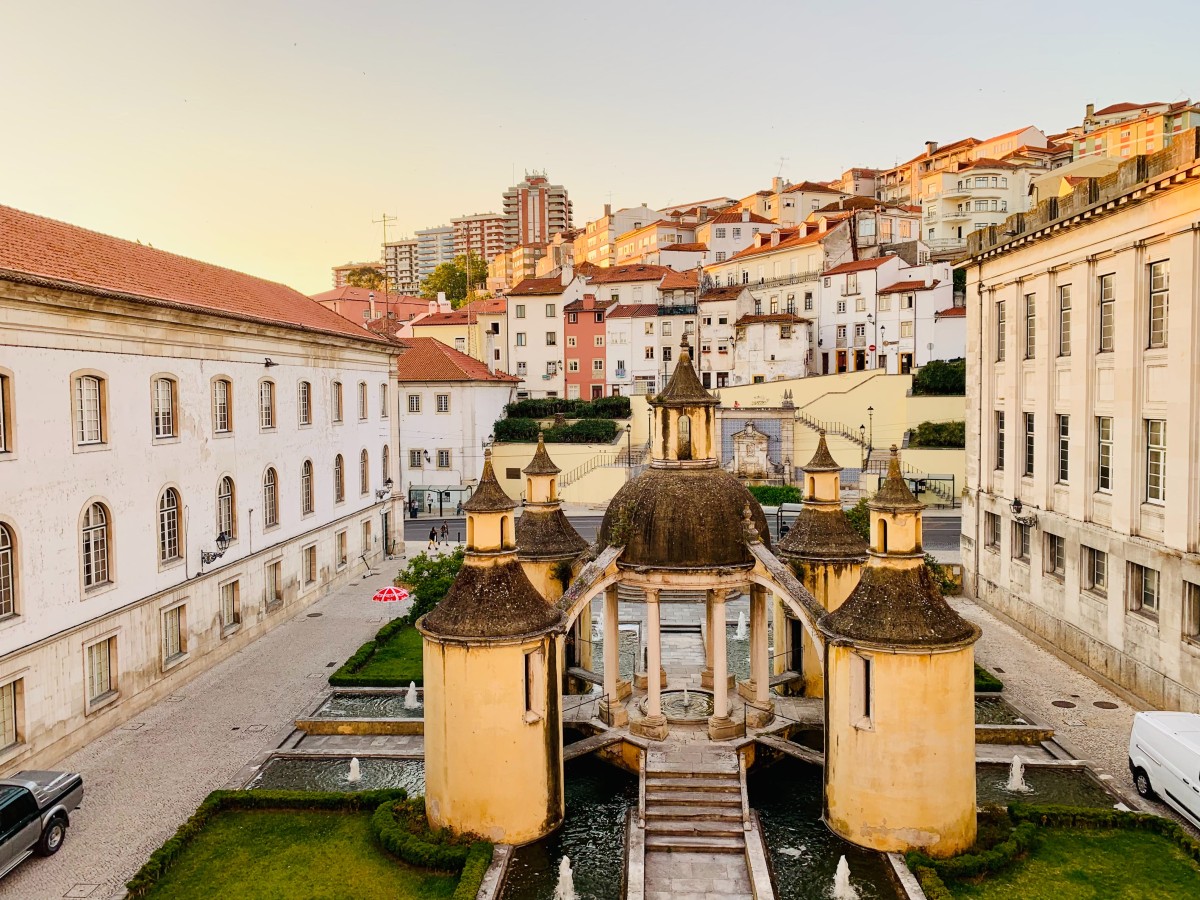
Coimbra has a smaller expat community compared to Lisbon or Porto, but it’s growing. Many international residents are linked to the university or healthcare sector.
English is widely spoken among younger residents and academics, though Portuguese is essential for long-term integration.
Stay in the know about living in Portugal as a foreigner—get our weekly newsletter for the latest travel, legal, and lifestyle news.
For a taste of the high life, sign up for the monthly luxury market round-up.