Easter, Páscoa, in Portugal, is one of the most important dates in the food calendar. Across the country, families gather for long lunches, religious processions and tables loaded with traditional Portuguese Easter food.
Recipes shift depending on the region during Easter in Portugal, but the spirit is the same everywhere: generous portions, rich flavours and dishes that mark the end of Lent.
What do the Portuguese eat at Easter?
At Easter in Portugal, the most traditional dishes include:
- Roast lamb (cordeiro assado)
- Roast goat (cabrito assado), especially in the north
- Salt cod dishes such as bacalhau à Brás or bacalhau com todos
- Folar (sweet or savoury Easter bread)
- Pão-de-ló sponge cake, an underrated Portuguese dessert
- Sugar-coated almonds (amêndoas de Páscoa)
Meat returns to the table on Easter Sunday after weeks of simpler Lenten meals, although in some regions cod remains important right up until the final days of Holy Week.
Portuguese Easter food traditions by region
Food at Easter in Portugal is deeply regional. Travel a couple of hours and the bread, fillings, and even the shape of desserts can change.
Minho
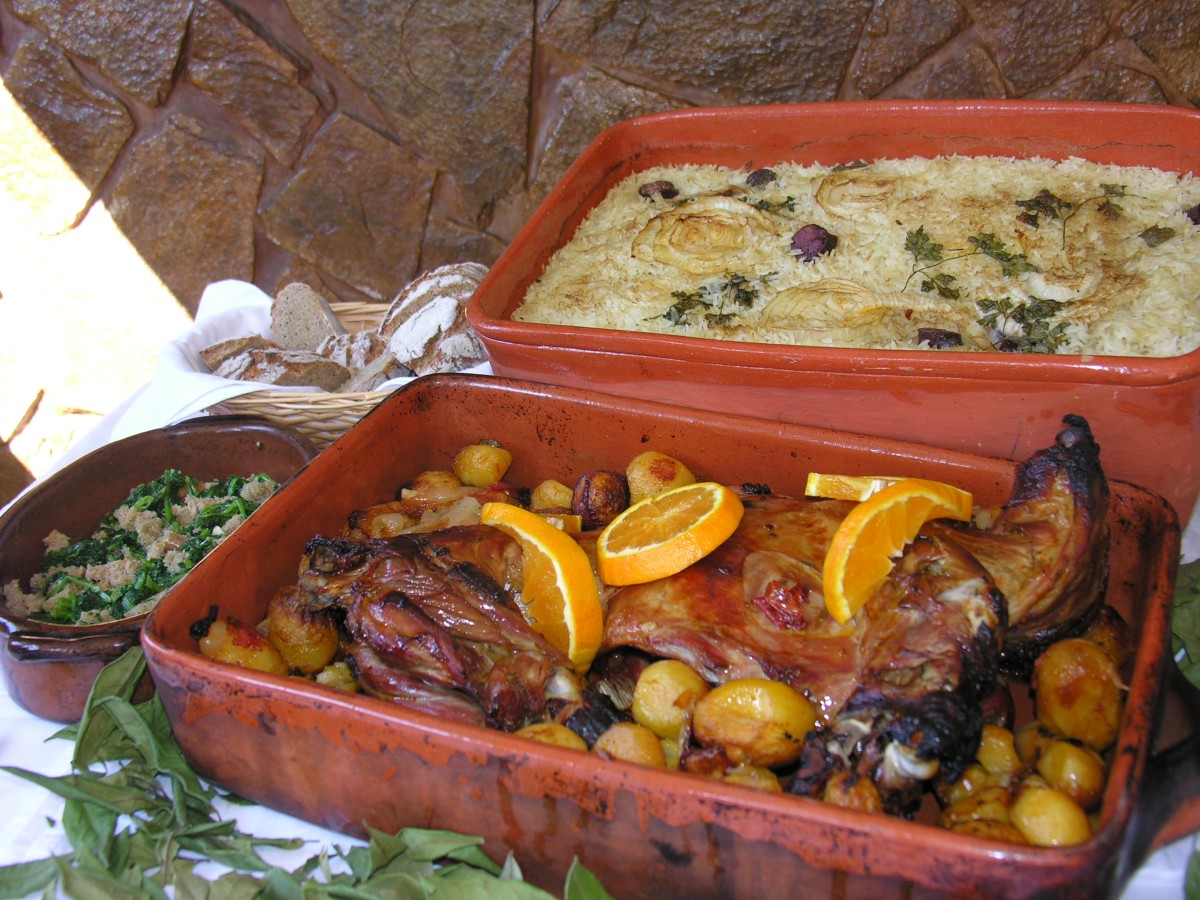
In Minho, Easter is closely tied to the Compasso, when the parish priest visits homes to bless families. Tables are laid out with:
- Bolas recheadas (savoury bread filled with meats and sausages)
- Roast lamb
- Sweet folar or pão-doce
You’ll also see small sweet breads called broinhas, often made with pumpkin or potato and raisins, plus fried pastries known as borrachos in Valença do Minho.
Trás-os-Montes
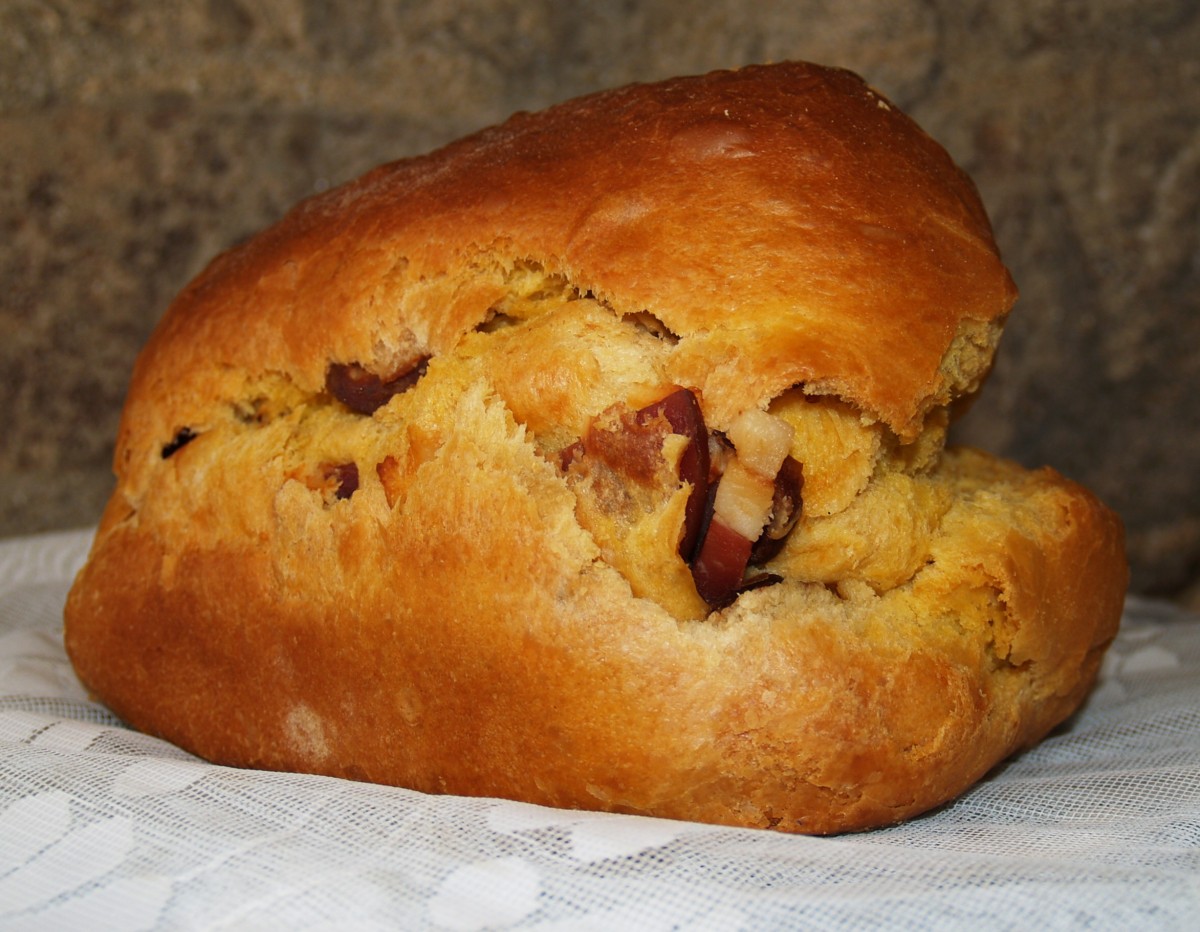
In Trás-os-Montes, folar is typically savoury and substantial. The dough is layered or packed with:
- Veal
- Chicken
- Rabbit
- Salpicão
Beiras
In the Beiras region, Easter folar is usually sweet. It’s flavoured with cinnamon and fennel and often decorated with whole boiled eggs baked into the top. Other traditional Easter sweets in Beiras include:
- Broinhas
- Olive oil cakes
- Empanadilhas da Páscoa, half-moon pastries filled with walnuts or almonds
In some areas, meat is avoided until the symbolic “Enterro do Bacalhau” marks the end of Lent.
Alentejo
Alentejo takes a nose-to-tail approach to Easter lamb. Dishes can include:
- Roast lamb
- Sarapatel made with tripe
- Lamb brains, still considered a delicacy in some households
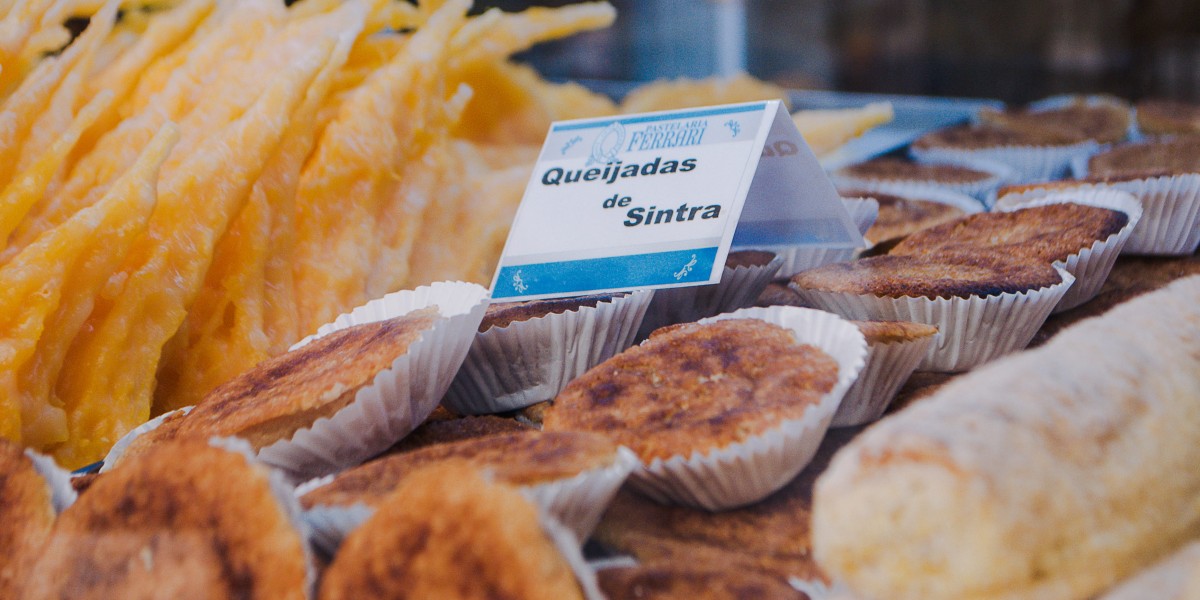
Alongside the savoury dishes, there are queijadas (cheese pastries), bolos fintos and regional versions of folar.
In Elvas, doce pascal is shaped into animals such as lambs or doves and decorated with almonds and boiled eggs.
The Algarve
The Algarve has its own take on Easter bread: folar de folhas. This version is sweet and layered, flavoured with cinnamon, brown sugar, lemon and butter.
Lamb and almond sweets remain part of the Easter table here, but the layered folar is the standout. In general, traditional food in the Algarve tends to lean towards seafood and citrus flavours.
Traditional Portuguese Easter Menu

A typical Portuguese Easter menustill follows a fairly classic structure.
Starters
- Bacalhau à Brás (salt cod with eggs, onions and thin potatoes)
- Chouriço served with bread and olives
- Pão com chouriço
Main courses
- Cordeiro assado (roast lamb with garlic and herbs)
- Cabrito assado (roast goat, common in northern regions)
- Bacalhau com todos (cod served with potatoes, cabbage, carrots and eggs)
Side dishes
- Arroz de feijão (rice with beans)
- Roast potatoes
- Simple salads dressed with olive oil and vinegar
Traditional Portuguese Easter desserts
Dessert tables can be excessive in the best possible way. It’s common to see several cakes sliced at once, with almonds scattered in bowls for nibbling throughout the afternoon.
- Folar (sweet or savoury, depending on region)
- Pão-de-ló sponge cake
- Ovos moles from Aveiro
- Orange tart (tarte de laranja)
Do they have Easter eggs in Portugal?
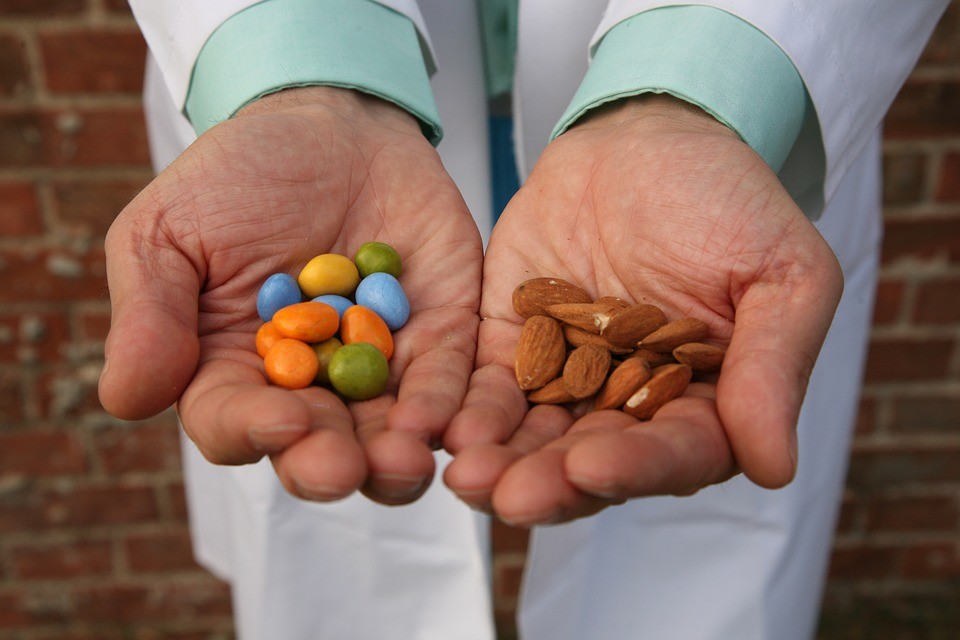
Yes, chocolate Easter eggs are popular in Portugal, especially for children. Supermarkets and bakeries stock everything from small foil-wrapped eggs to large chocolate figures.
That said, almonds carry more traditional weight. Godparents customarily give their godchildren amêndoas de Páscoa as an Easter gift.
Easter in Portugal 2026
When is Easter in Portugal in 2026?
Easter Sunday falls on 5th April 2026.
What is the most traditional Portuguese Easter dish?
Roast lamb and folar are widely considered the most traditional Easter foods.
Is Easter a public holiday in Portugal?
Good Friday and Easter Sunday are national public holidays.
Are restaurants open at Easter in Portugal?
Many restaurants open on Easter Sunday, particularly for lunch, but booking ahead is common practice in cities and larger towns.
Stay in the know about living in Portugal as a foreigner—get our weekly newsletter for the latest travel, legal, and lifestyle news.
For a taste of the high life, sign up for the monthly luxury market round-up.