The afternoon of 12 August will bring one of the year’s biggest events, as daylight turns to darkness for a few minutes or seconds. It will be the first total solar eclipse visible from the Iberian Peninsula in more than a century, with the path of totality crossing a small area of north-eastern Portugal before continuing across Spain towards the Balearic Islands.
So where are the best places to see the total solar eclipse in the Iberian Peninsula? As August is a month when many Portuguese people are on holiday, a last-minute trip to watch the phenomenon may be on the cards.
- Bragança and Guadramil: the eclipse in northern Portugal
- Serra da Marofa: the solar eclipse in Guarda
- León: a trip to Spain to see the eclipse
- Seeing the solar eclipse in Galicia: A Coruña is the best place
- A holiday in Zaragoza to see the eclipse
- Solar eclipse in Palma de Mallorca
- Total solar eclipse in Burgos
- Will the solar eclipse be visible in Valencia?
Bragança and Guadramil: the eclipse in northern Portugal
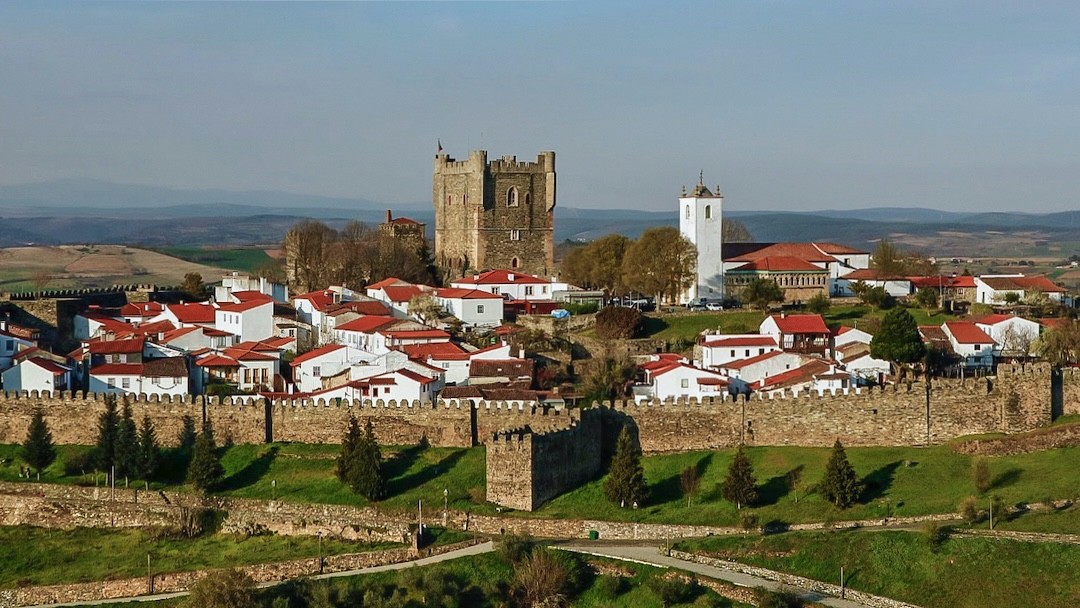
Almost all of mainland Portugal lies outside the path of totality, but there is one exception in the north-east of Trás-os-Montes. A limited area of Montesinho Natural Park, in the municipality of Bragança, will fall under the Moon’s full shadow.
The phenomenon will be visible in the village of Guadramil, close to the Spanish border. It has been identified as the only Portuguese settlement where the Sun’s disc will disappear completely. Totality in this area is expected to last just 26 seconds.
That may not sound like much, but it is enough time to see the sky darken, feel the temperature drop and watch the solar corona appear around the Moon. Across the rest of mainland Portugal, the eclipse will be partial, though the Sun will be more than 90% obscured in many areas. In the city of Bragança, for instance, coverage is expected to reach around 99.8%.
The official viewing event in Montesinho Natural Park will meet in Rio de Onor. Anyone choosing this area should arrive several hours early, as access roads are narrow and parking is limited.
Serra da Marofa: the solar eclipse in Guarda
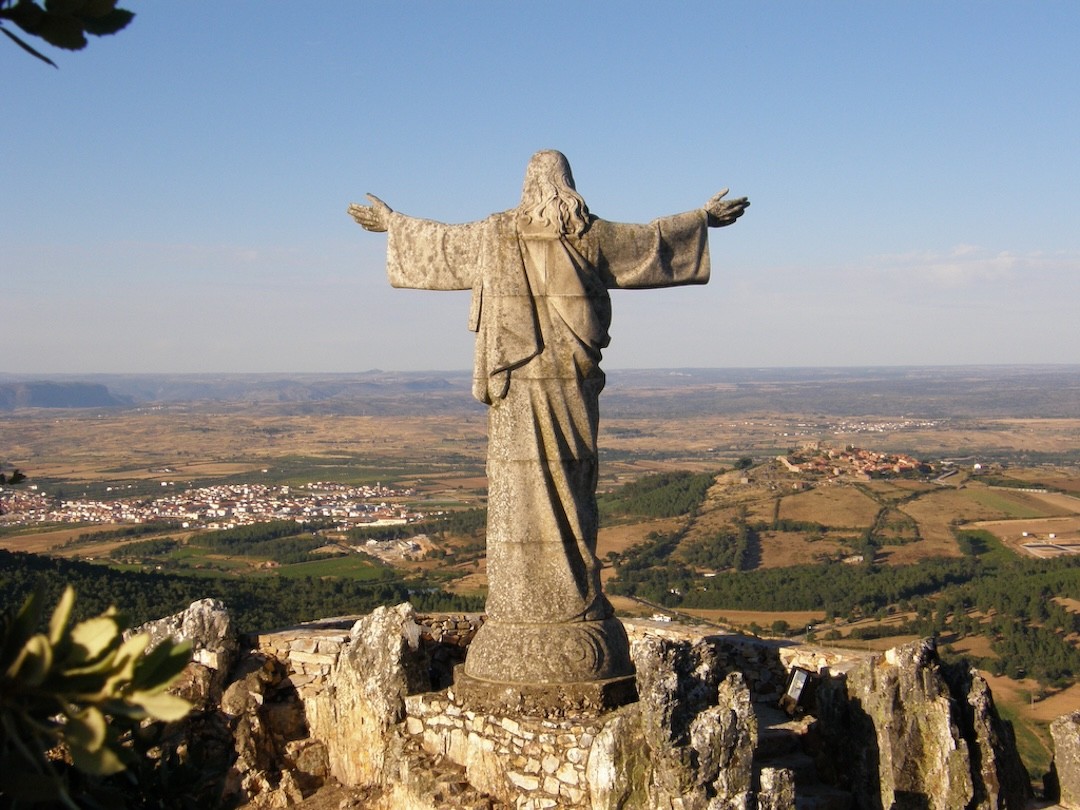
Serra da Marofa, in Figueira de Castelo Rodrigo, could be a particularly good spot for watching the solar eclipse on 12 August, although this part of Guarda district lies outside the path of totality. At 975 metres above sea level, its summit provides wide views that should help with viewing conditions, provided the weather cooperates, and there is a clear line of sight towards the Sun. Certified eclipse glasses will be essential throughout the observation.
The site will host “Astronomia no Verão na Serra da Marofa com José Matos” — Summer Astronomy at Serra da Marofa with José Matos — organised by Ciência Viva, Portugal’s National Agency for Scientific and Technological Culture. Led by amateur astronomer and science communicator José Augusto Matos, the free activity provides an informal, educational introduction to the night sky over the Côa Valley and is aimed at people of different ages.
León: a trip to Spain to see the eclipse
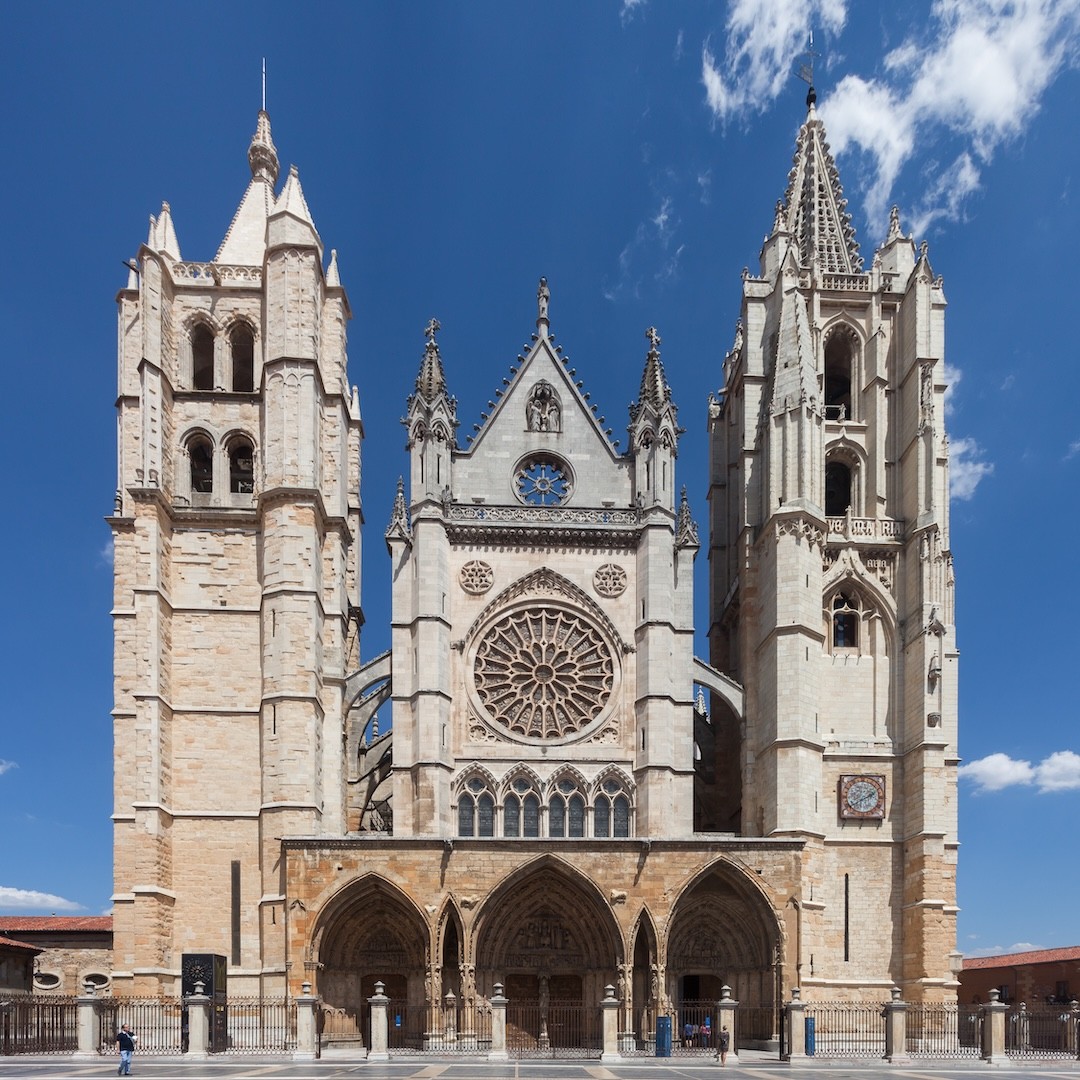
León has several favourable conditions for watching the solar eclipse on 12 August. It lies within the path of totality, has relatively open countryside nearby, and should see around 1 minute and 45 seconds of totality. The maximum phase is expected at around 8:29 pm, when the Sun will still be roughly ten degrees above the horizon.
For a better chance of a clear view, it is worth heading away from the historic centre and finding an open area to the west. Fields on the edge of the city or higher ground outside León can help avoid buildings and urban lighting.
Before the eclipse, there is time to visit:
- León Cathedral, noted for its stained-glass windows
- Casa Botines, designed by Antoni Gaudí
- Basilica of San Isidoro
- Barrio Húmedo, popular for tapas served alongside drinks
Seeing the solar eclipse in Galicia: A Coruña is the best place
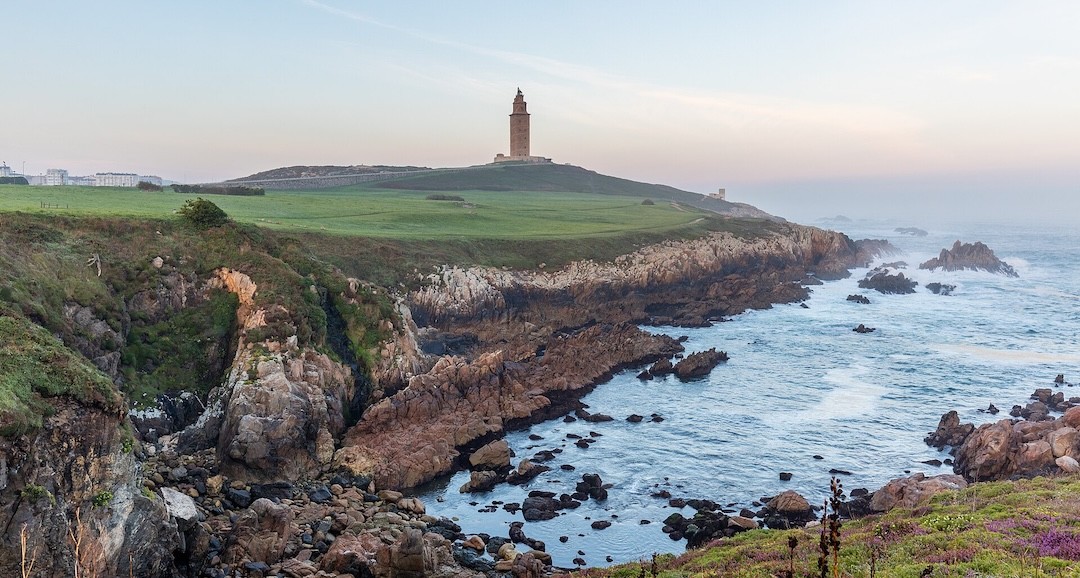
A Coruña is among the first major urban centres in neighbouring Spain to experience the solar eclipse. Views across the Atlantic, its rugged coastline and the late-afternoon light could create one of the most photogenic settings for the event, particularly around the Tower of Hercules.
The main risk is the weather. Even in August, the Galician coast can see fog, low cloud and sea mist. With that in mind:
- Choose a spot with a clear view west
- Keep an eye on the weather forecast throughout the week
- Have an alternative route inland ready
- Avoid dangerous cliffs and coastal access points
- Arrive early, especially in popular areas
The Santo André de Teixido viewpoint is another popular place to see the solar eclipse in this part of Galicia. Totality is expected at around 8:26 pm and should last 1 minute and 45 seconds.
A holiday in Zaragoza to see the eclipse
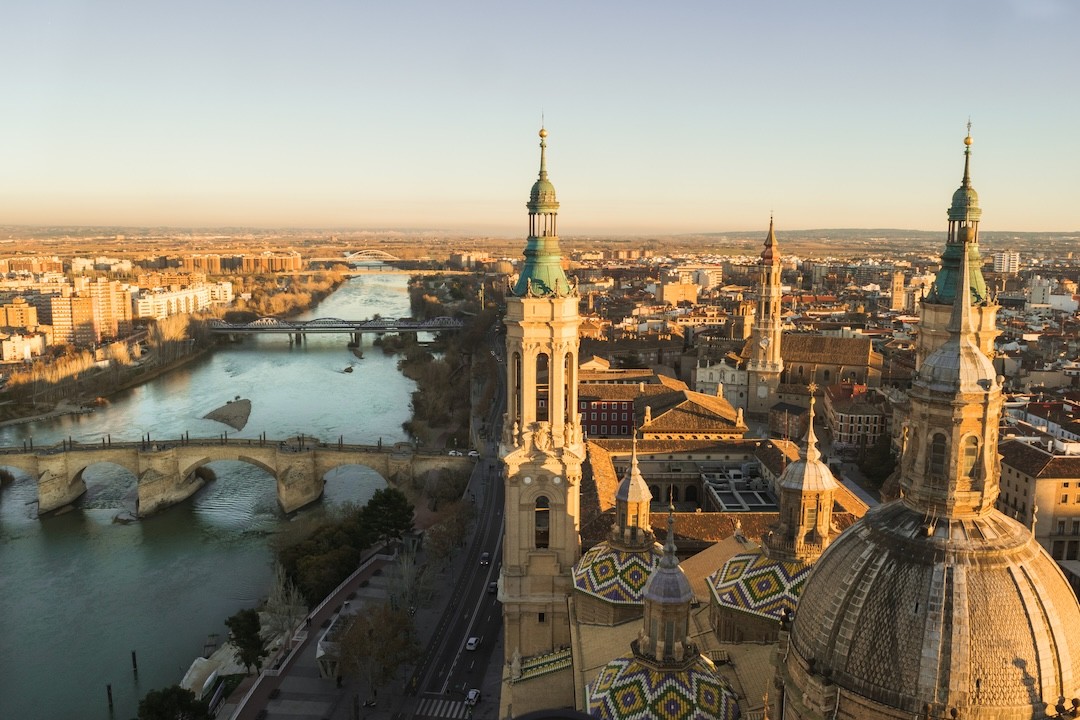
For the best chance of seeing the total solar eclipse under clear skies in the Iberian Peninsula, the Spanish city of Zaragoza should sit high on the list.
The Ebro Valley, in inland Aragon, tends to have dry conditions in August. Totality here is expected to last around 1 minute and 25 seconds.
Zaragoza is preparing a special security operation for eclipse day, a sign that large visitor numbers are expected.
It is sensible to pack essentials such as water, energy bars, fruit, a hat, sun cream, certified solar-eclipse glasses and sunglasses, as several hours may be spent outdoors waiting for the phenomenon.
Solar eclipse in Palma de Mallorca
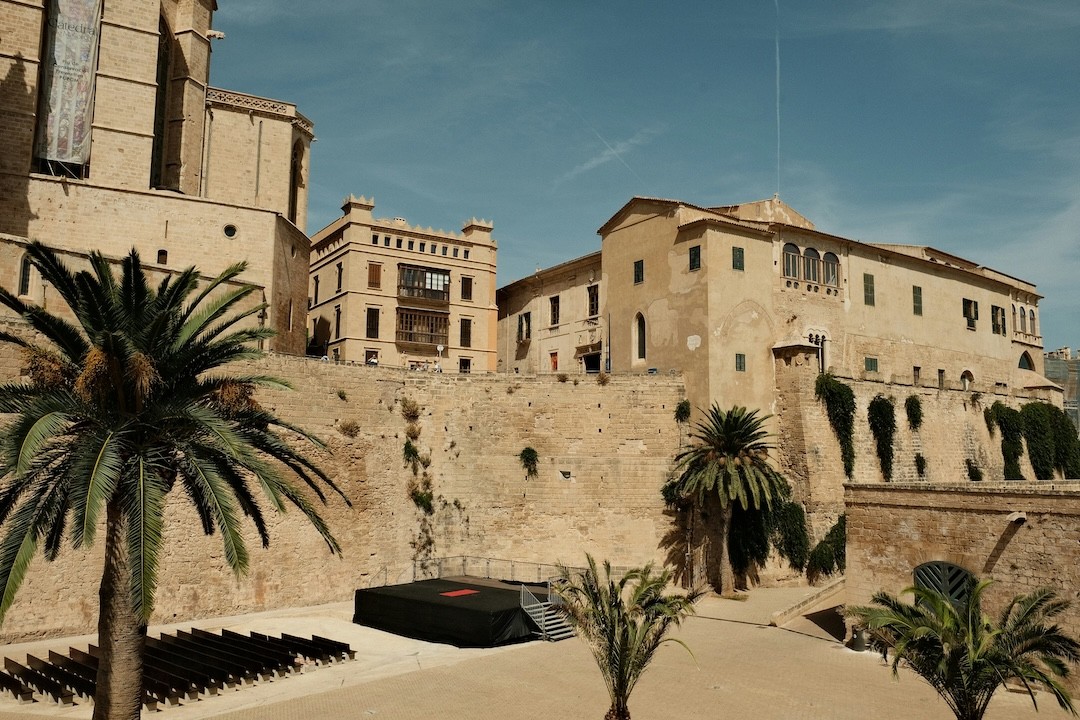
Anyone spending a holiday in Palma de Mallorca could be in for a memorable moment. For around 1 minute and 36 seconds, between 8:31 pm and 8:33 pm, the Moon is expected to cover the Sun completely, creating a striking scene shortly before sunset. As the Sun will be very low on the horizon, a place with a completely clear view west or north-west will be essential.
Bellver Castle could provide a magnificent view across the bay, although it is likely to attract plenty of visitors and may have some restrictions. Another option is to find a high point on the outskirts of Palma and make the eclipse a fitting end to a day spent around Mallorca Cathedral, the Royal Palace of La Almudaina and the streets of the historic centre.
Total solar eclipse in Burgos
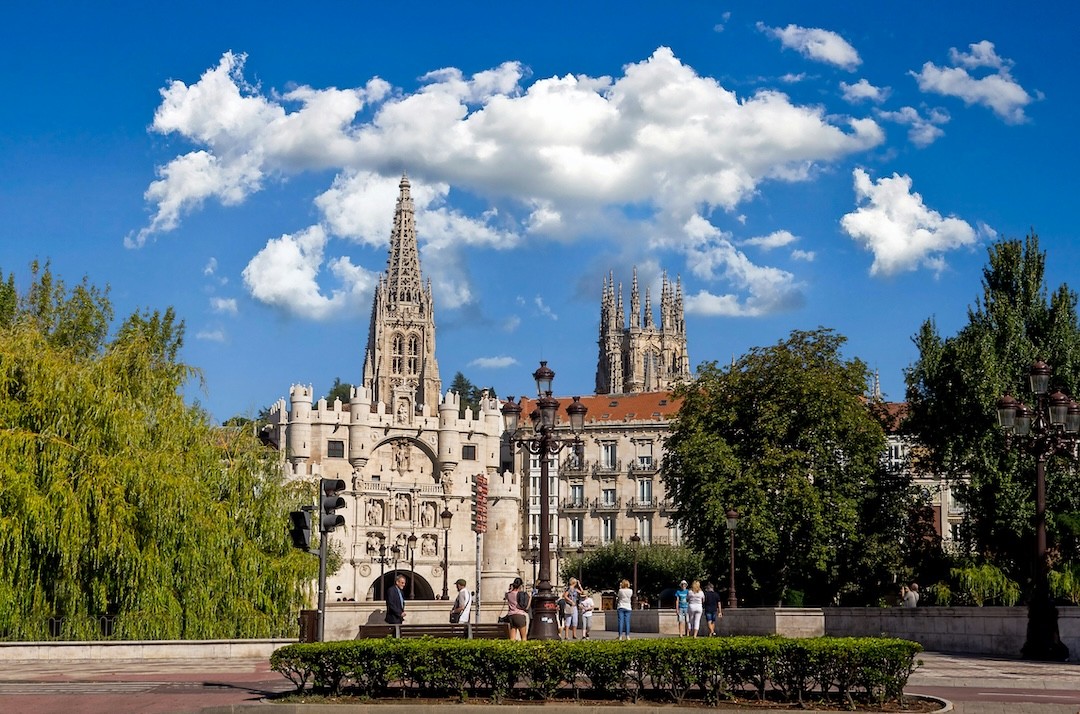
Burgos stands out as one of the most interesting places to see the eclipse in the Iberian Peninsula. The partial phase is expected to begin at around 7:33 pm, with the maximum phase forecast for 8:29 pm. Totality should last approximately 1 minute and 44 seconds, while the eclipse will continue until close to 9:20 pm, very near sunset.
Located on the Castilian Meseta, or central plateau, the area benefits from open views and usually has more favourable weather conditions in August than some coastal parts of northern Spain.
Burgos Castle provides a prime viewing spot, though it is likely to draw large crowds. For a quieter experience, fields or higher ground outside the city may be preferable, although access and parking permissions should be checked in advance. A visit can also include several of the city’s main monuments, including Burgos Cathedral, the Arco de Santa María and the Museum of Human Evolution.
Will the solar eclipse be visible in Valencia?
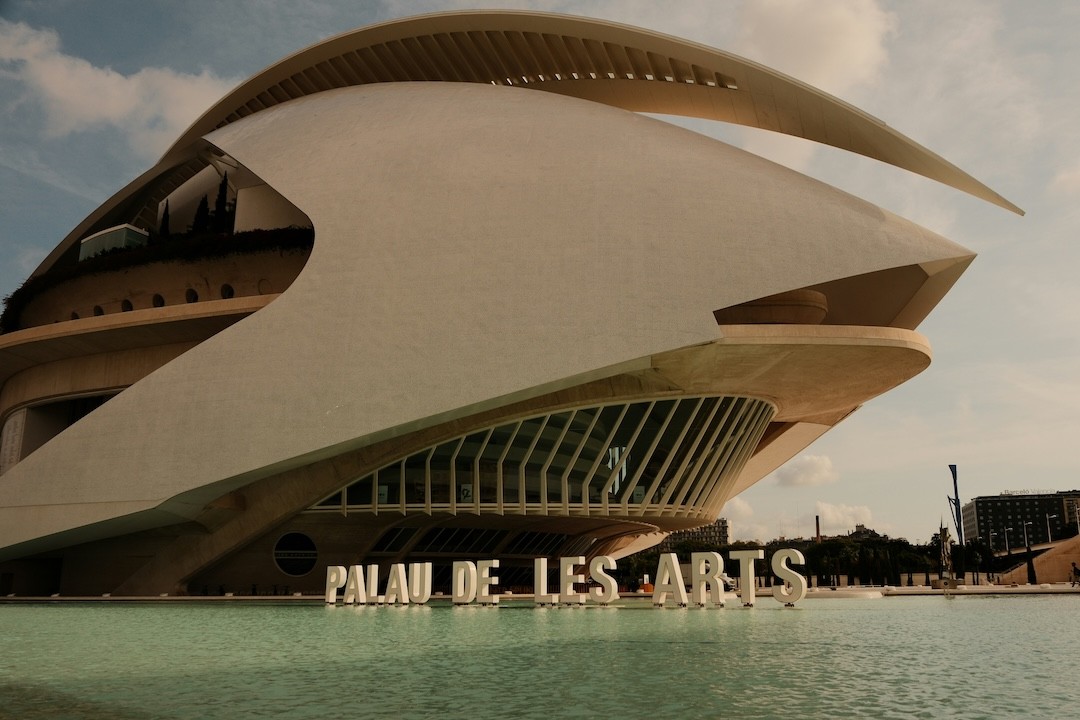
In the Spanish city of Valencia, the total eclipse will take place very close to sunset. The maximum phase is expected at 8:30 pm, with totality lasting just 1 minute. The low light near the horizon should create an impressive setting, but it also means the viewing location needs to be chosen carefully.
- Find an elevated or open spot with an uninterrupted view west, as the beach mainly faces east
- Check access arrangements, restrictions and official visitor viewing areas in advance