There’s something special about climbing up onto a castle wall on a clear day, feeling the warm breeze and looking out across miles of open countryside. In summer, castles in Portugal take on a new energy. They become natural viewpoints, striking backdrops for photographs, and meeting points between history and landscape.
Across the country, these five fortresses stand out not only for their historical importance, but also for the details and stories that explain why they still shape the identity of their regions today.
Almourol Castle: the island where legend begins
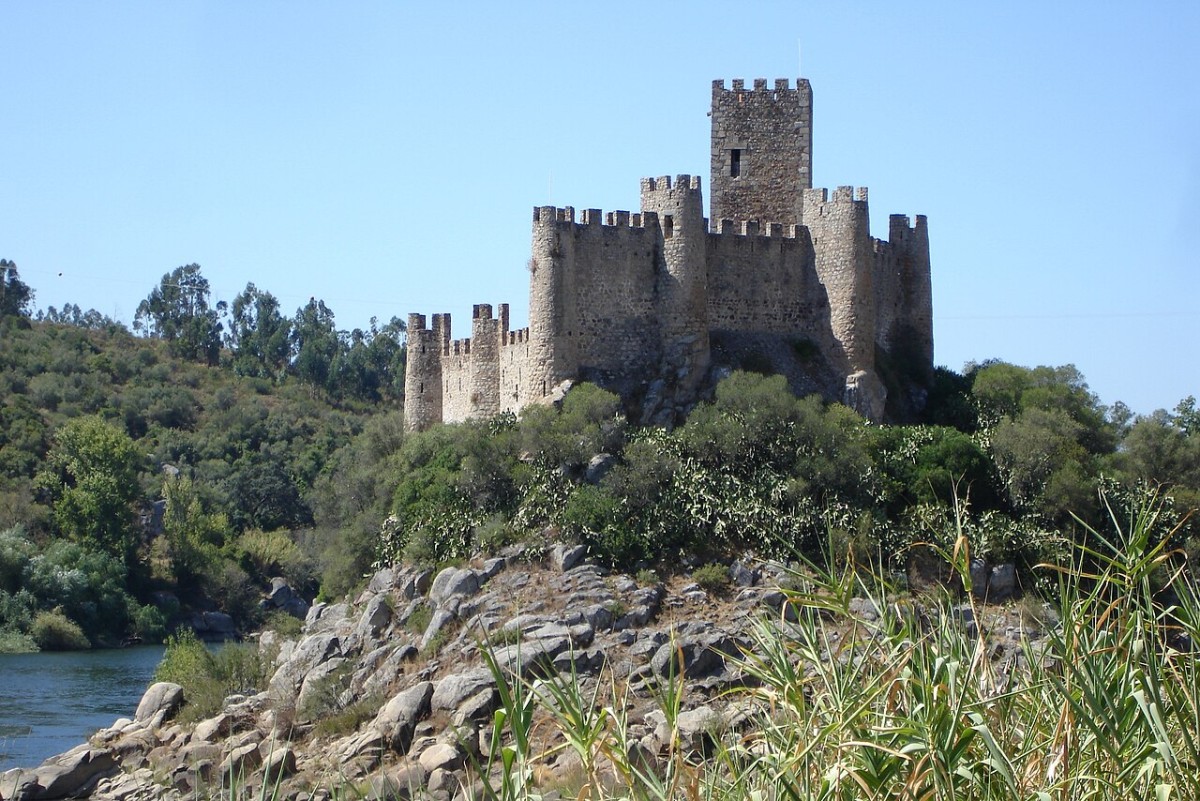
The journey to Almourol starts on the banks of the River Tagus. The boat pulls away slowly and, as the water opens up around you, the silhouette of the castle appears: isolated, imposing, almost cinematic.
Rebuilt by the Knights Templar in the 12th century, it formed part of the defensive line along the Tagus during the Reconquista. Yet it isn’t only the history that leaves an impression, but the setting itself. Surrounded by water, it’s easy to understand why it remains one of the most iconic castles in Portugal.
Did you know? The medieval look seen today is the result of later restoration works, which aimed to recreate an aesthetic inspired by its Templar past.
Monsaraz Castle: silence above the Alentejo
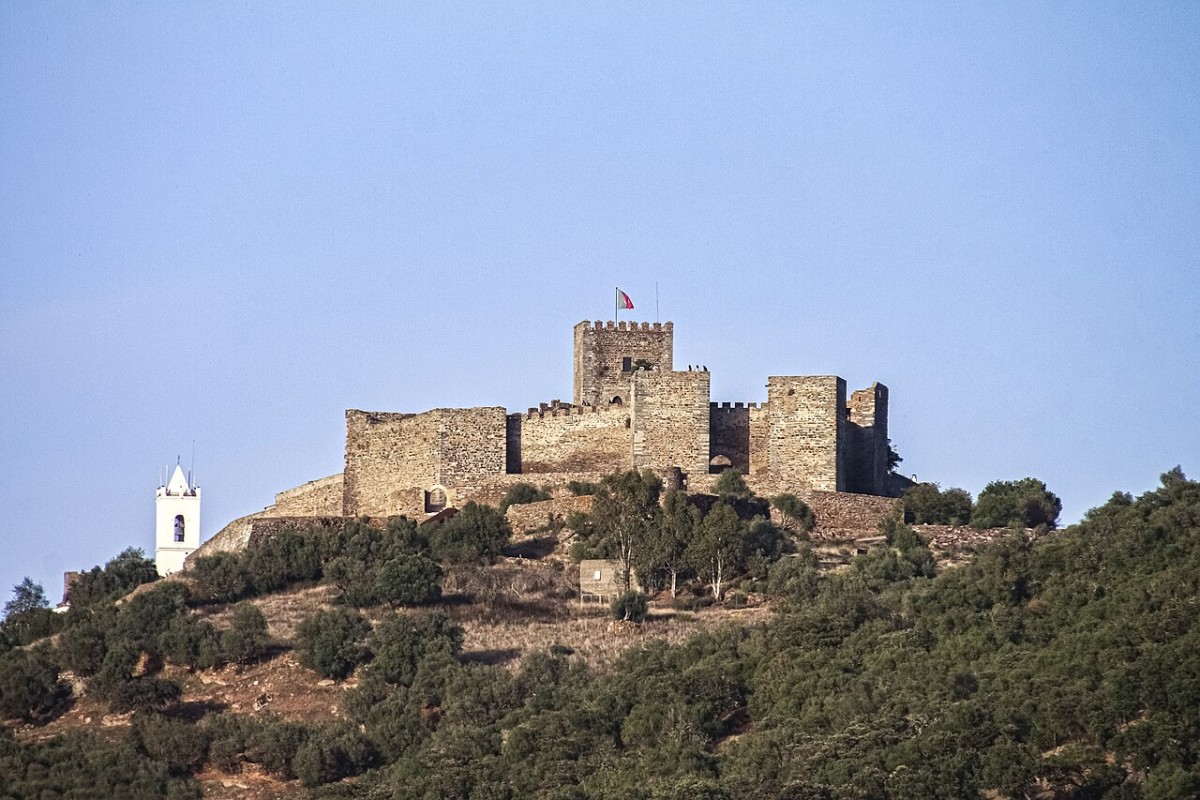
Walking up to Monsaraz feels like stepping into an old postcard. Whitewashed streets, blue-painted doors and, at the highest point, the castle walls watching over the plains.
For centuries, the castle played a strategic role in defending the border. Today, it’s one of the most memorable places to watch the sunset in the Alentejo, especially in summer when the Alqueva lake reflects golden and pink tones across the landscape.
Did you know? In the 19th century, several internal structures had fallen into disrepair and were later restored, which explains the mix of original remains and more recent interventions.
- Check out holiday rentals in Monsaraz
Sortelha Castle: where the stone tells the story
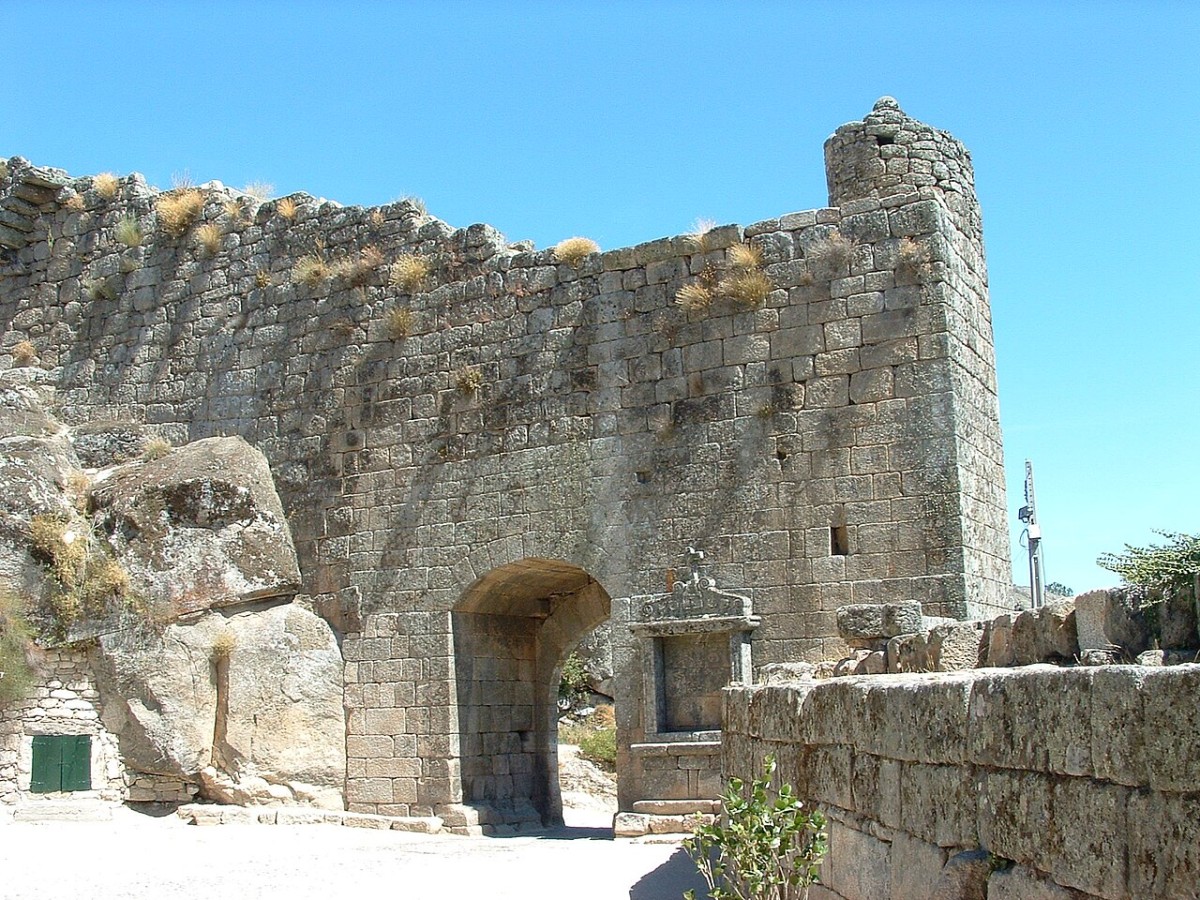
In Sortelha, everything moves at a slower pace. Stone houses merge with the natural rock formations, and the castle seems to rise directly out of the granite.
Built at the beginning of the 13th century, it is now part of the network of Historic Villages of Portugal. Walking along its walls feels like wandering through a setting that has barely changed over time, with each turn revealing a new view across the valley. It’s a less obvious destination, which perhaps makes it all the more striking.
Did you know? The walled enclosure covers around 670 square metres, forming a compact citadel carefully adapted to the natural terrain.
- Browse vacation rentals in Sortelha
Silves Castle: the red fortress of the south

In the Algarve, away from the beaches, stands a castle that preserves the memory of the region’s Islamic period. It rises above the town of Silves, its reddish sandstone walls glowing under the summer sun.
Walking through the interior, there’s a strong sense of the layers of cultures, conquests and transformations that have shaped southern Portugal. It’s a place where the country’s past becomes particularly tangible.
Did you know? The reddish tone of the walls comes from the local sandstone used in its construction, a feature that sets it apart within Portugal.
Bragança Castle: a rare citadel
In the north-east of Trás-os-Montes, Bragança Castle forms part of one of the best-preserved medieval citadels in the country. Inside the walls, the atmosphere feels quieter and more contained.
Among the buildings, the Domus Municipalis stands out, classified as a National Monument since 1910. It’s one of those places that quietly surprises first-time visitors.
Did you know? The Domus Municipalis is considered the only surviving example of Romanesque civil architecture in Portugal, which makes the complex particularly rare.
- Check out holiday rentals in Bragança
Stay inspired for your travels in Portugal —get our weekly newsletter for the latest travel, legal, and lifestyle news.