With housing prices soaring in Portugal and affordable homes increasingly hard to find, tiny houses have emerged as a popular alternative. They appeal not only to those priced out of the traditional market, but also to people seeking a second home, a countryside escape, or a more sustainable way of living.
What many don’t realise is that Portugal already manufactures tiny houses, with specialist companies from north to south competing in design, energy efficiency, and customisation. In this article, we showcase some models made in the country, provide indicative prices by brand, and explain clearly where it is legally possible to place a tiny house in Portugal.
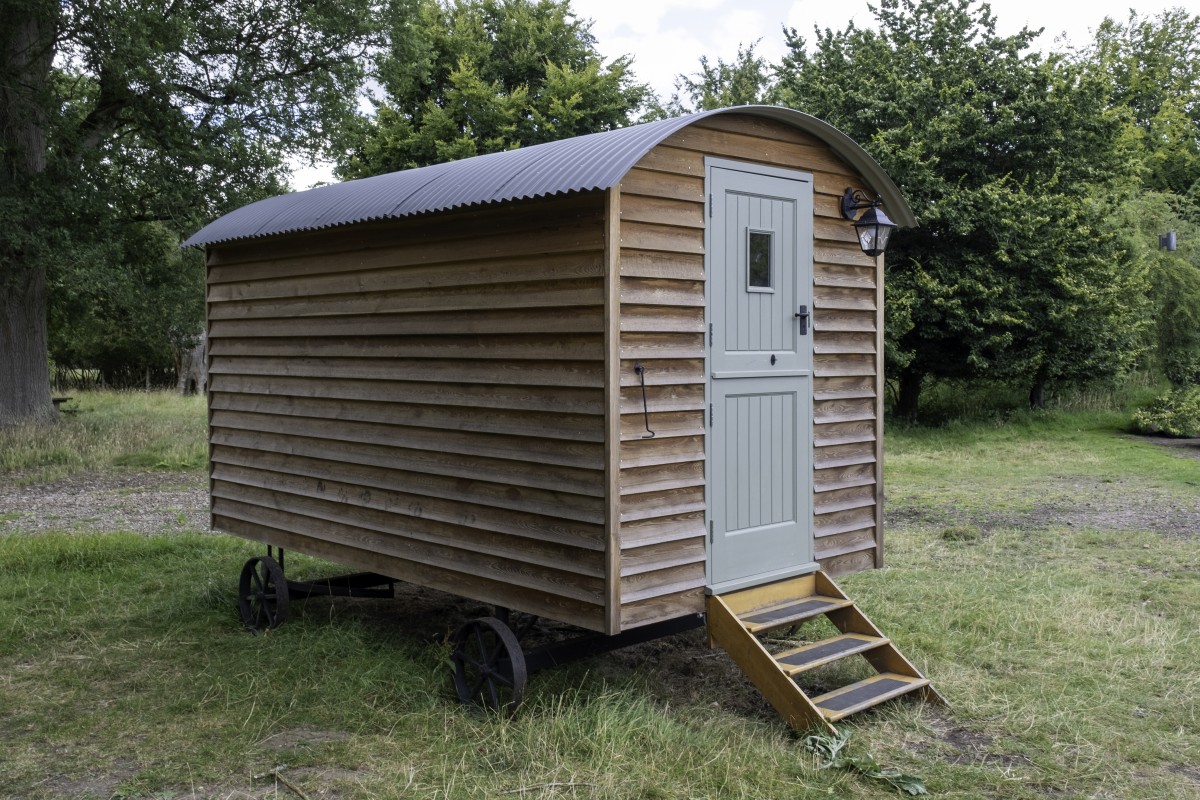
Why are tiny houses gaining ground in Portugal?
This trend is not unique to Portugal, but several factors are helping it grow here:
- Lower cost compared with conventional homes.
- Quick construction, often in less than 12 weeks.
- Sustainability: use of natural materials, energy efficiency, and potential for self-sufficiency.
- Mobility: the ability to move homes between plots or lifestyles.
- Flexible uses: permanent residence, holiday home, remote office, agricultural accommodation, studios, or guest houses.
Portuguese tiny houses: who makes them?
Portugal is becoming known for high-quality tiny houses, combining thoughtful design, robust technical solutions, and competitive prices compared with the international market. Local companies offer models for a wide range of needs: from nomadic travellers to investors in tourist accommodation, and families seeking a more economical and sustainable lifestyle.
Here are some examples:
Customisable mobile solutions
TinyHouse Portugal, based in Leiria, offers fully customisable models built on trailers, with lightweight structures and flexible solutions for those seeking a serious mobile home.
The company is renowned for craftsmanship and the ability to adapt interiors for remote work, clever storage, and off-grid systems.
- Indicative price: from €45,000
- Delivery: available anywhere in mainland Portugal
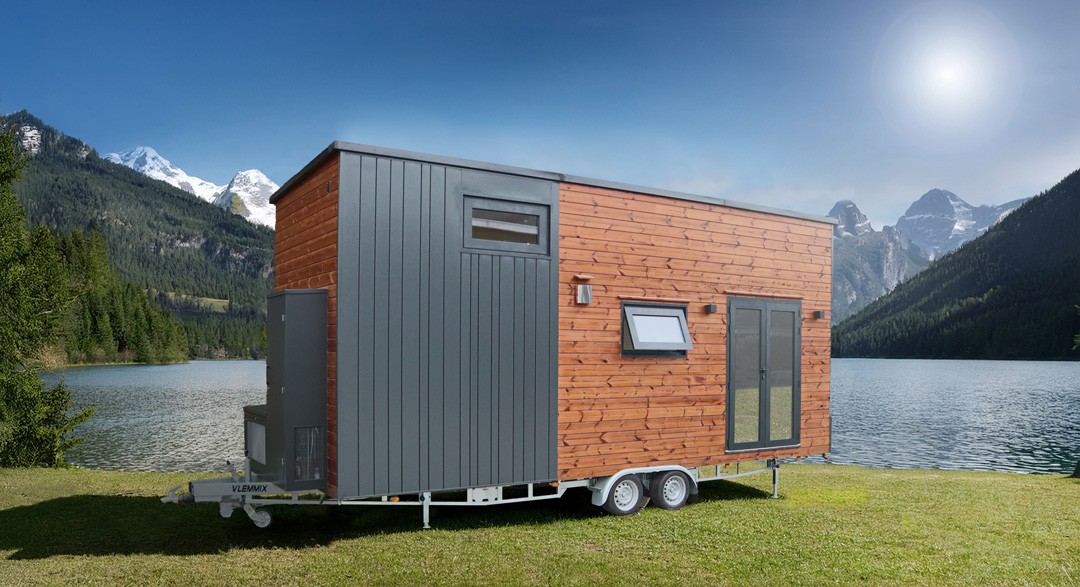
Turnkey modular microhouses
CASAGAEA, in Aveiro, presents models with Portuguese names: “Gerês”, “Nazaré”, “Algarve”, “Porto”, focusing on a clean, Scandinavian-style aesthetic. They produce mobile tiny houses as well as fixed versions, perfect for those seeking a mini accommodation or a second home.
Their strengths are design quality and the ability to include enhanced insulation, air conditioning, and certified timber.
- Indicative price: €55,000–€80,000
- Delivery: available nationwide
Larger options with terrace and mezzanine
Homie by ATHomie, based in Porto, offers larger models (around 40 m²) that remain true to the tiny house concept. Features include bright, open-plan interiors, fully equipped kitchens, full bathrooms, and even rooftop terraces.
These are particularly popular with clients looking to live full-time in a tiny house without compromising on comfort.
- Indicative price: from €75,000
- Delivery: available on quotation
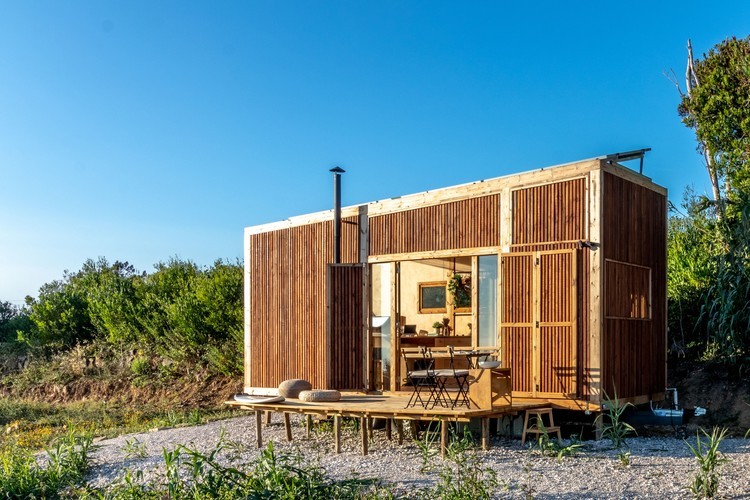
Emphasis on timber design
Madeiguincho, in Torres Vedras, is a highly regarded Portuguese carpentry company, known for its artisanal approach. Each tiny house is almost a bespoke piece, focusing on sustainability, local timber, and minimalist solutions.
- Indicative price: from €50,000
- Delivery: nationwide
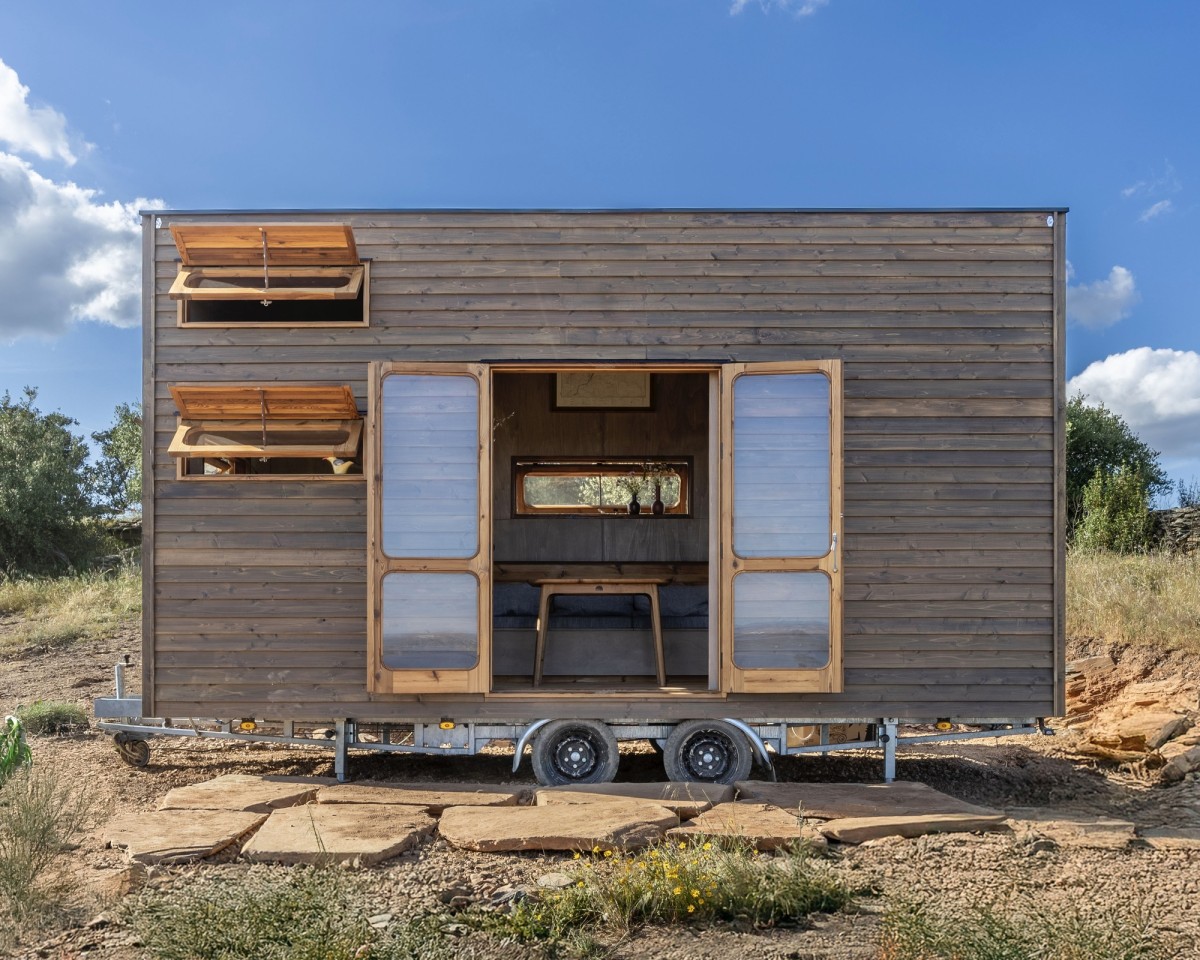
What to consider when choosing a tiny house in Portugal
When exploring options, take into account:
- Mobile or fixed: this affects licensing, mobility, and cost.
- Degree of customisation: finishes, insulation, installations, and extras like off-grid systems or solar panels.
- Delivery and transport: particularly if you are far from the factory. Check whether the company delivers across mainland Portugal or if additional charges apply.
- Licensing and local regulations: even fixed tiny houses require permits if considered permanent dwellings. Mobile tiny houses may face restrictions if occupied long-term.
- Intended use: permanent residence, second home, holiday home, rental, etc. This determines the most suitable type of tiny house.
Can a tiny house be placed on any Plot?
In Portugal, the legal framework for tiny houses depends not on mobility, but on use and land classification.
A tiny house used as a permanent residence is legally considered a dwelling, even if it has wheels, does not require foundations, and can be moved.
This means:
- They cannot be legally placed on rural land, except in very rare cases linked to agricultural activities or specific projects approved by the municipality.
- They can only be placed on urban land or land classified as developable with building capacity.
Where can you place a tiny house?
Private urban land
The most common and legally safe option.
Conditions:
- The land must permit residential construction.
- The tiny house must comply with the Municipal Master Plan (PDM), setback rules, and urban planning parameters.
- Simplified licensing or prior notification may be required, depending on the municipality.
Campsites and glamping resorts
Many Portuguese campsites now accept tiny houses, either permanently or temporarily.
Typical requirements:
- Compliance with mobility standards (wheels, trailer, movable structure).
- Some limits on size, height, or weight.
- Annual plot fee.
Private caravan parks
Some parks allow tiny houses if classified as “complementary accommodation”.
Rural land (only in exceptional cases)
Portuguese law is strict. Tiny houses may be placed on rural land only if:
- Associated with agricultural, livestock, or forestry activities,
- Used as agricultural support buildings,
- Municipal regulations permit rural tourism with authorised mobile structures.
Even then, specific plans, approvals, and permits are required. It is advisable to consult the local City Council for the land in question.