Thinking about swapping your current life for sunshine, seafood and slower evenings by the sea? The best places to live in Portugal aren’t just Lisbon and the Algarve you see on Instagram, but a mix of big cities, coastal towns and quieter inland hubs that suit very different lifestyles and budgets.
- Where is the best place in Portugal to live?
- Lisbon – best for career opportunities and cosmopolitan lifestyle
- Faro – best for sun‑seeking retirees and resort‑style living
- Porto - culture, wine, and a slightly more affordable big city
- Braga - best for younger professionals and families on a budget
- Funchal – best for year‑round mild climate and remote workers
- Coimbra - best for students, academics, and quiet central living
- Lagos – best for active expats and nomads by the ocean
Where is the best place in Portugal to live?
Lisbon – best for career opportunities and cosmopolitan lifestyle
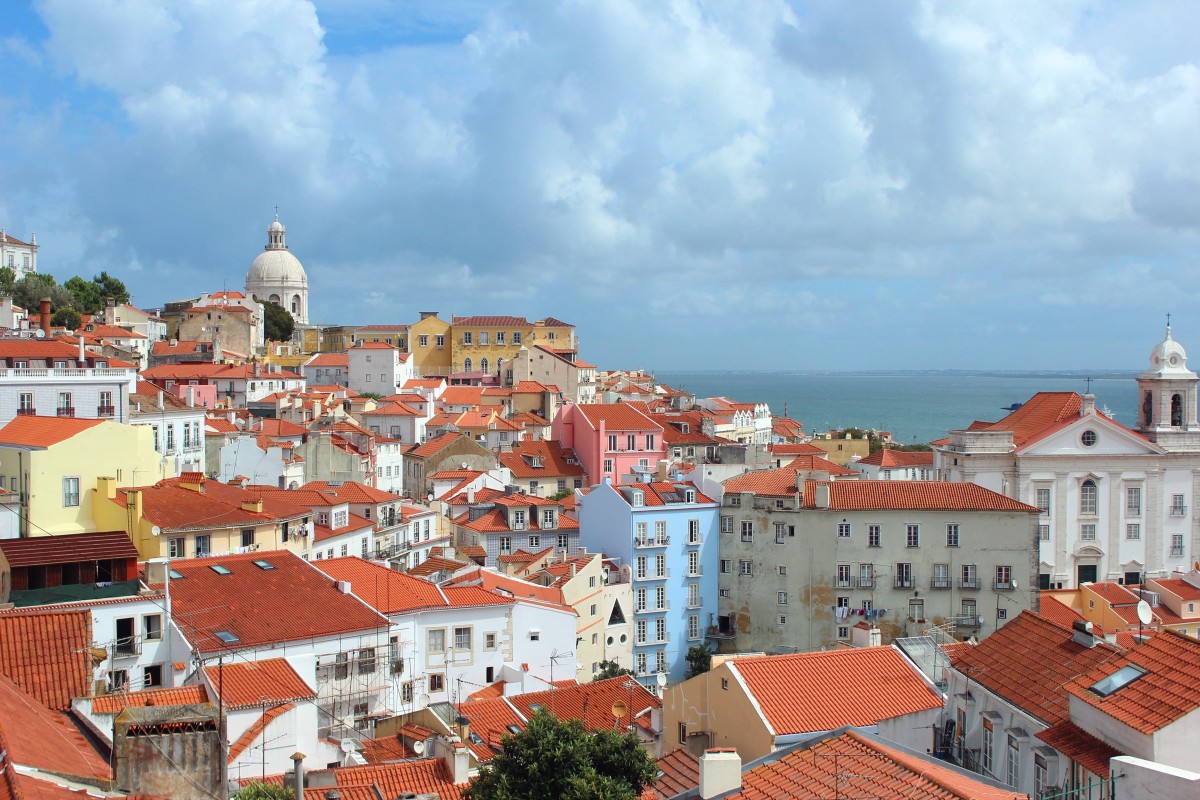
Lisbon sits on the Tagus River estuary, spilling over seven hills with terracotta rooftops, rattling yellow trams and viewpoints everywhere you turn. The historic neighbourhoods of Alfama, Mouraria and Bairro Alto are packed with tiled façades and tascas. And newer areas like Parque das Nações and the riverside around Cais do Sodré feel much more modern.
You’ve got proper city buzz here: big employers, international companies, start-ups, co-working spaces. Plus, the airport is just 10–15 minutes from the centre with direct flights across Europe and to the US. Culturally, it’s non‑stop – museums, music venues, food markets, riverfront bars, so you'll never run out of things to do in Lisbon. You’re also a short train ride to beaches like Carcavelos and Costa da Caparica for easy day trips.
Why it’s worth living in Lisbon
If you want career options and an international crowd, Lisbon is still the top bet in Portugal. Ranked among the world's safest cities, there’s a big English‑speaking community, especially among remote workers and tech people, so it’s easier to land on your feet socially.
The main downsides are higher housing costs and tourist crowds in the centre, so it suits you best if you’ve got a solid income and don’t mind urban intensity.
Faro – best for sun‑seeking retirees and resort‑style living

One of the most popular spots for expats, Faro, the capital of the Algarve, sits on the edge of the Ria Formosa lagoon, a protected maze of islands, sandbars and wetlands. The walled old town has quiet cobbled streets, while the marina area and newer districts cater to students, locals and travellers passing through.
From Faro westwards, the central Algarve is dotted with resort towns, golf courses and some of the Algarve's top Blue Flag beaches, backed by ochre cliffs. It’s famously sunny, with mild winters and hot summers, plus an international airport right there.
Why it’s worth living in Faro & the Central Algarve
This part of the Algarve is particularly popular with British and German retirees, second‑home owners and seasonal workers because it’s easy, sunny and well‑served. You get good road links, plenty of English‑speaking doctors and dentists, supermarkets geared towards foreign tastes, and year‑round flights. Faro itself is more of a “real city” than the surrounding resorts, with a university and local life beyond tourism. The trade‑off is that some coastal spots are very geared towards visitors, and prices in the prime resort zones can be high compared with quieter inland towns.
Porto - culture, wine, and a slightly more affordable big city
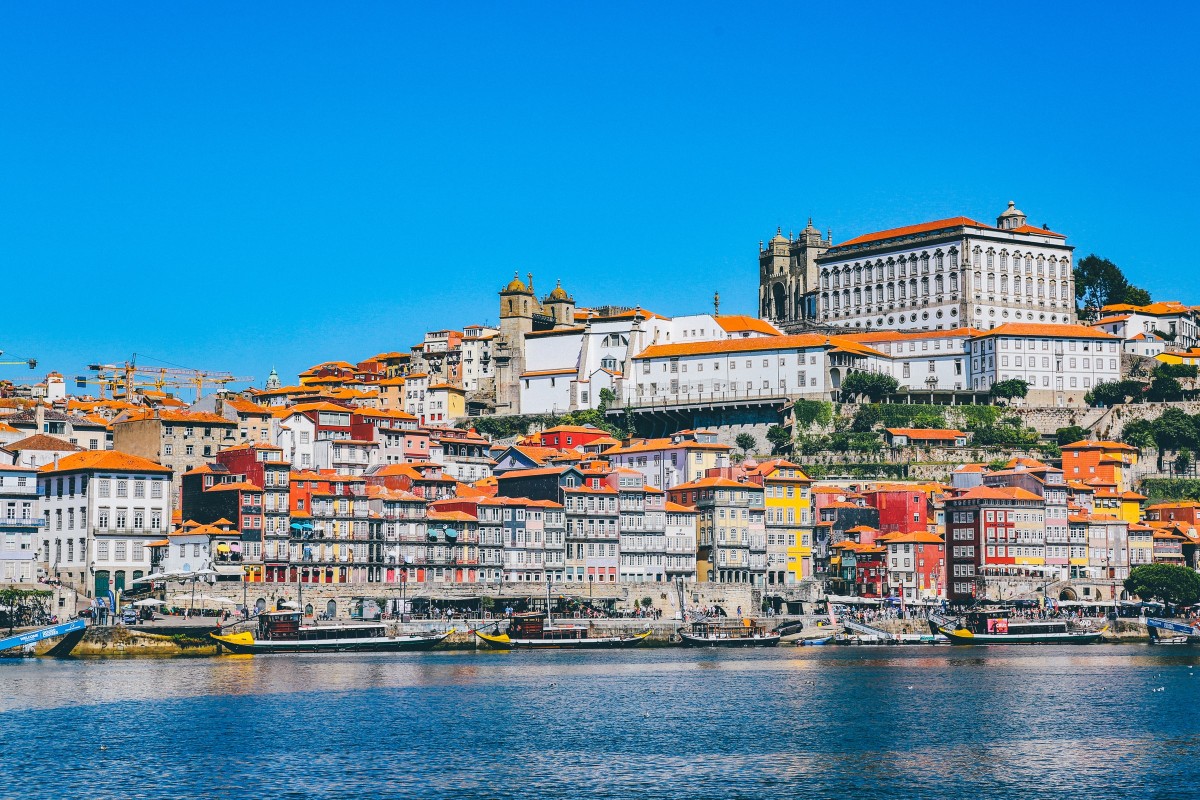
Porto sprawls along the Douro River in northern Portugal, with steep streets dropping down to the colourful houses of Ribeira and the iconic iron bridge. On one side, you’ve got the historic centre with churches covered in blue and white tiles, and on the other, the port wine cellars of Vila Nova de Gaia.
The city has a slightly moodier, more traditional feel than Lisbon – granite buildings, cool, misty mornings – but it’s quietly creative, with hip cafés, galleries and wine bars tucked inside old townhouses.
Why it’s worth living in Porto
Porto is appealing to many foreigners, especially if they want the infrastructure of a real city without Lisbon’s intensity. Housing and general costs are still typically lower than in the capital.
The city feels very liveable: you can walk a lot, take trams and metro, hop to the beach, and still be home for dinner. It’s great for digital nomads, wine lovers and anyone who enjoys a slightly slower rhythm.
Braga - best for younger professionals and families on a budget

In the green northwest, Braga is one of Portugal’s oldest cities, known for baroque churches, leafy squares, and the hilltop sanctuary of Bom Jesus do Monte. The centre feels compact and walkable, with a mix of historic streets and more modern districts spreading outwards.
The climate is cooler and wetter than the south, which is a plus if you’re not a fan of scorching summers.
Why it’s worth living in Braga
Braga has quietly built a reputation as a tech and remote‑work hub, with several universities and a young population. It’s more affordable than both Lisbon and Porto for day‑to‑day life, making it attractive if you want to stretch your budget without sacrificing services like schools, healthcare and shopping.
Funchal – best for year‑round mild climate and remote workers
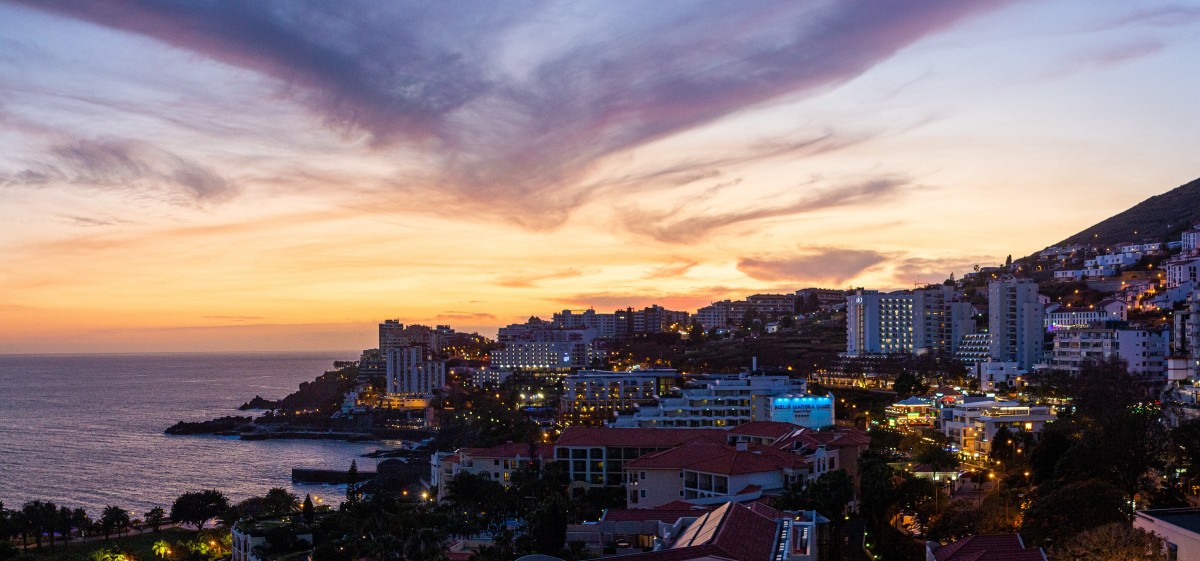
Funchal is the main city of Madeira, an Atlantic island off the coast of North Africa. The city tumbles down amphitheatre‑style towards the harbour, with terraced houses, lush gardens and views of the ocean almost everywhere.
The climate is famously mild year‑round, more spring than summer, and the island is a paradise for nature lovers. You'll find old irrigation channels, volcanic peaks, natural swimming pools and dramatic coastal roads.
Why it’s worth living in Funchal
For remote workers and early retirees who don’t need mainland connections every week, Funchal offers a very comfortable, safe, slow‑paced lifestyle. There’s a dedicated digital nomad community on the island, decent internet, and a strong focus on outdoor living.
The cost of living can be reasonable once you’re away from the most tourist‑oriented areas, though being an island means some goods are pricier and you rely on flights for most travel.
Coimbra - best for students, academics, and quiet central living
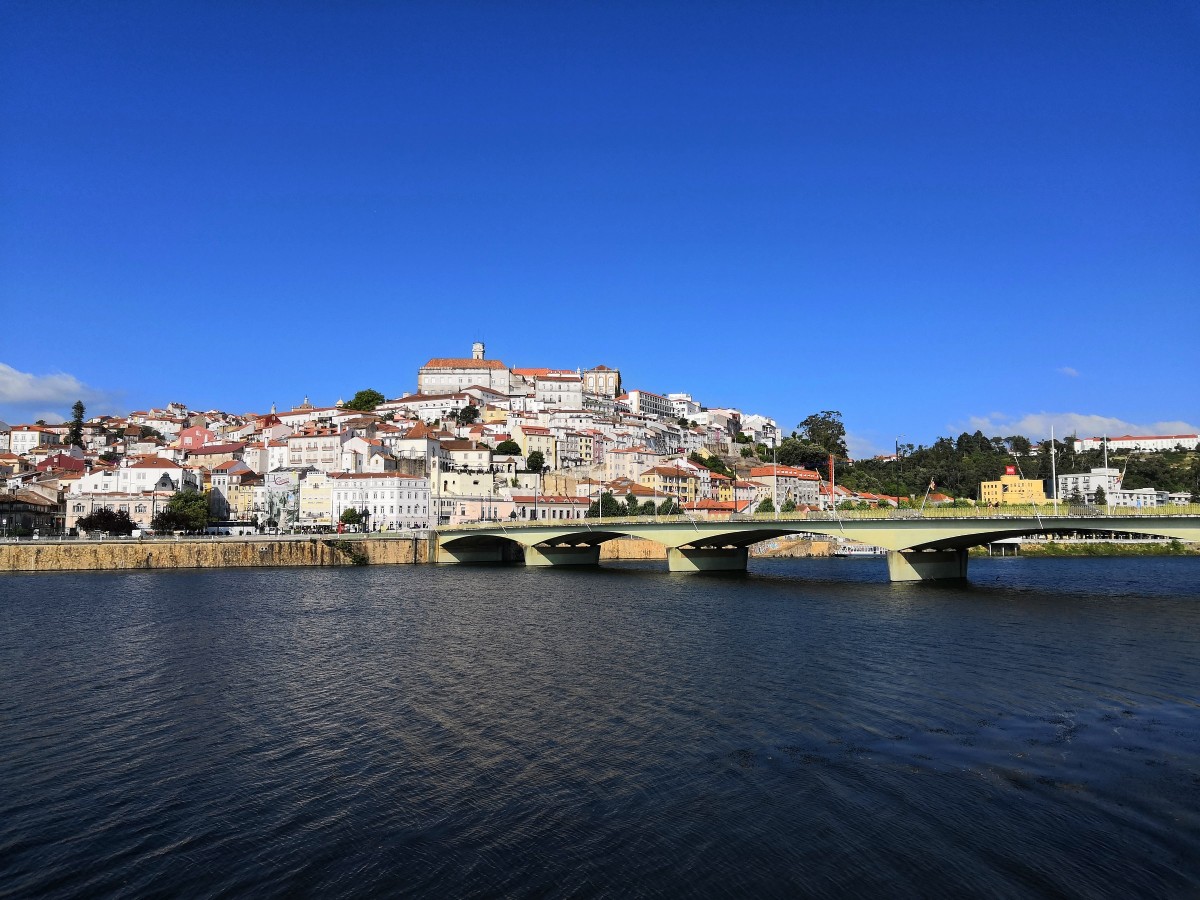
Roughly halfway between Lisbon and Porto, Coimbra sits on the banks of the Mondego River with its historic university crowning the hill. The upper town is all old colleges, cloisters and viewpoints, while the lower areas along the river are flatter and more modern.
Considered one of the safest spots in Portugal, it has a strong student presence, especially during term time, which brings a youthful energy to what’s otherwise a fairly quiet, traditional city.
Why it’s worth living in Coimbra
If you like the idea of a manageable, central base in Portugal, Coimbra works well. The cost of living is generally lower than in the big coastal cities. It’s especially attractive for academics, retirees and remote workers who don’t need nightlife until 3 am but do appreciate libraries, cafés and riverfront walks.
Lagos – best for active expats and nomads by the ocean
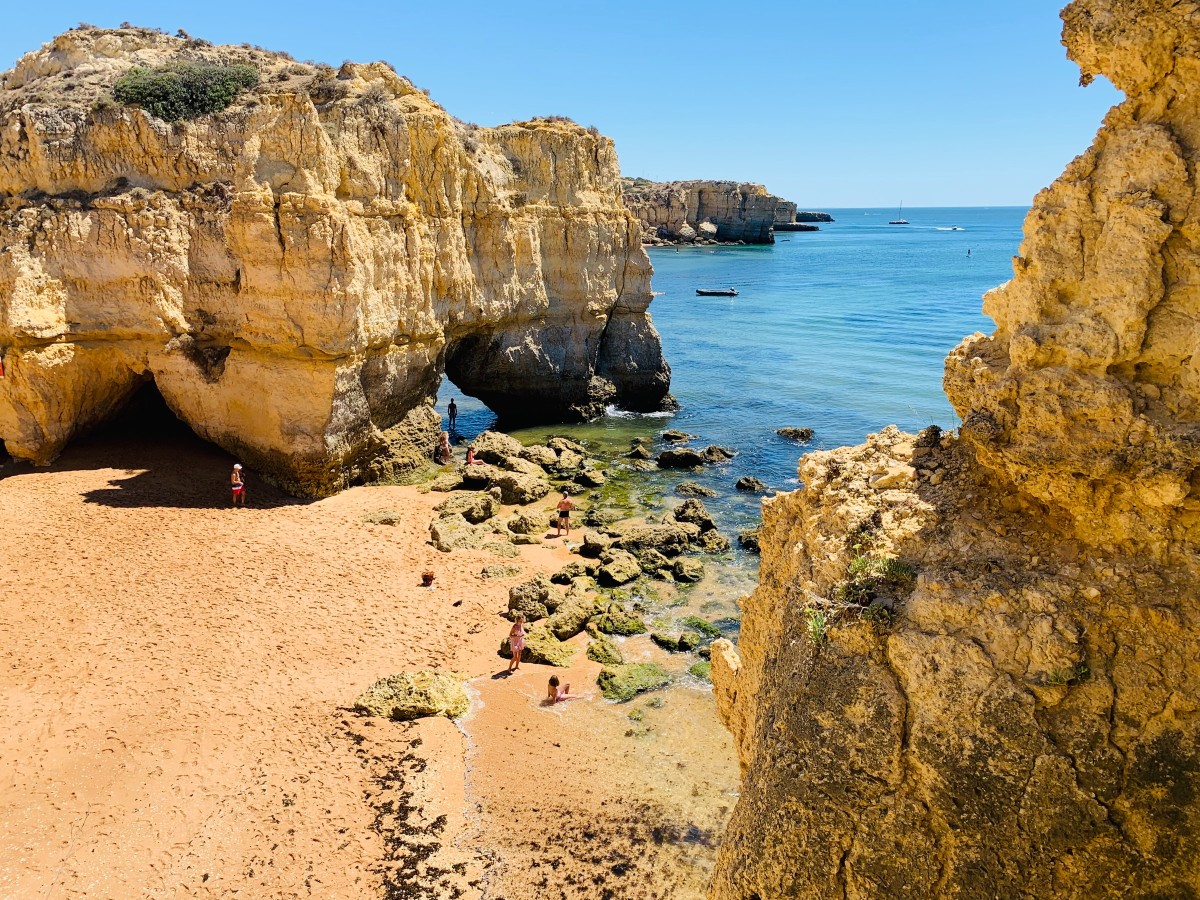
Right in the western Algarve, Lagos wraps around a marina and a pretty old town, with winding streets leading down to surf beaches and the cliffs of Ponta da Piedade. The town has a mix of fishing‑village roots and a laid‑back, international vibe. You'll find surf schools, boat tours, coworking spots and an easygoing bar and restaurant scene.
Why it’s worth living in Lagos & the Western Algarve
If your ideal day involves a laptop in the morning and the beach or surf in the afternoon, Lagos is very tempting. It’s well‑known among digital nomads and seasonal workers, so you’ll find co‑living spaces, English‑speaking services and a steady stream of people from all over among pretty fishing villages.
Compared with the central Algarve, the western side feels more relaxed and nature‑focused, with easy access to hiking, surfing and quieter villages.
Stay in the know about living in Portugal as a foreigner—get our weekly newsletter for the latest travel, legal, and lifestyle news.
For a taste of the high life, sign up for the monthly luxury market round-up.