Spring is nearly here, and in Portugal, that means it’s time to adjust the clocks for daylight saving time. After a long winter, the shift forward brings longer evenings, more sunlight, and a sense that summer is on the way. But when exactly do we change the clocks in 2026, and how does it work across the country’s regions?
When does daylight saving time begin in Portugal?

Switching to daylight saving marks the countdown to warmer days becoming part of everyday life. It feels like a direct connection to the summer season.
In mainland Portugal and Madeira
On Sunday, 29 March 2026, clocks go forward by one hour.
At 1:00 AM, the time jumps to 2:00 AM in both mainland Portugal and Madeira.
In the Azores
In the Azores, the clock change happens at midnight, jumping to 1:00 AM due to the time difference with the mainland.
This adjustment always occurs on the last Sunday in March, which is why the exact date changes every year and can be confusing.
Why does Portugal change the clocks?

Daylight saving is not automatic; it is a political decision adopted by several European Union countries. Its main goals are to:
- Make better use of natural daylight
- Reduce electricity consumption
- Align daily schedules with daylight hours
In simple terms: longer evenings mean less artificial lighting is needed.
EU debate: will clock changes end?
The European Union has debated ending clock changes in recent years. The European Commission proposed:
- Abolishing the twice-yearly clock change
- Letting each country choose permanently between summer or winter time
However, lack of agreement among member states has postponed any decision. Portugal opposed abolishing the practice and even suggested moving the winter time change to September, instead of the usual last Sunday in October.
Longer days in summer are not just about the clock
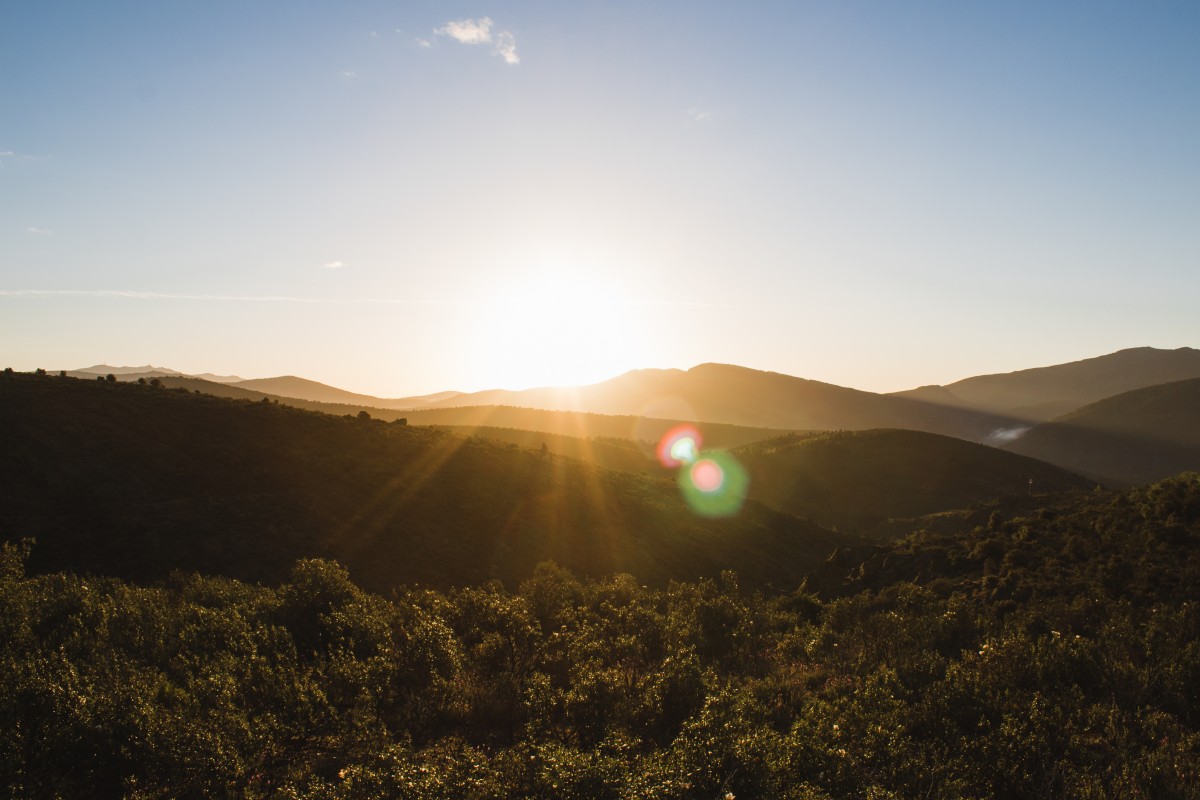
While daylight saving shifts the clock, the main reason summer days are longer is astronomical:
- In winter, the Northern Hemisphere receives less sunlight
- In summer, it tilts towards the sun
- This natural tilt makes days longer
As the summer solstice on 21 June approaches, daylight continues to increase. That’s why in mid-summer, natural light can still be seen around 9 PM.
Are there countries that don’t change the clocks?
Yes. Some countries do not observe daylight saving. For example, in Brazil, daylight hours hardly vary throughout the year.
When the original energy-saving purpose of daylight saving became less relevant, it was abolished there in 2019.