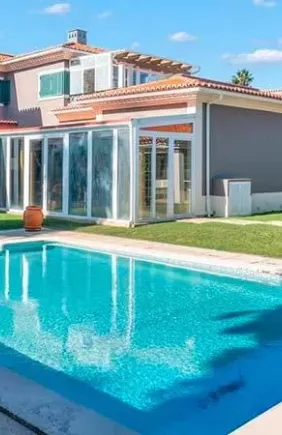
For many people, July is the “official” month for summer holidays. Schools are closed, the days are long, the sea is warmer, and the calendar fills up with festivals. It’s also the month when prices start to rise and the most famous beaches fill up quickly, so choosing the right destination makes all the difference.
If you’re hoping to enjoy holidays in Portugal in July without spending half your time in traffic or hunting for a patch of sand, it pays to plan carefully.
Here you’ll find practical ideas, covering the Algarve and the islands as well as less obvious spots in the mountains and inland. The aim is simple: to help you work out what kind of holiday makes most sense this year – and how to get the most out of one of the most sought-after months of summer.
What is it like to visit Portugal in July?

Visiting Portugal in July almost always means stable weather, constant sunshine and heat, particularly in the centre and south of the country.
- Maximum temperatures often rise above 30°C in areas such as Alentejo and the Algarve.
- At the same time, the northern coast tends to be milder, with some wind and occasional morning mist on certain days.
It’s also a lively month, with summer festivals, local celebrations, street markets and busy terraces, particularly in cities such as Lisboa and Porto.
On the other hand, it is high season, which means more people and heavier traffic at peak times on the way to the beach. Plus, higher prices for accommodation and flights.
If quieter surroundings matter to you, it may be worth steering away from the most obvious destinations and checking out less-explored areas.
Where to go on holiday in July: beach destinations
July is naturally the month when most people immediately think of the beach in Portugal. The experience, however, varies considerably depending on whether you head to the Algarve, the Alentejo coast, or the central and northern coastline.
Algarve
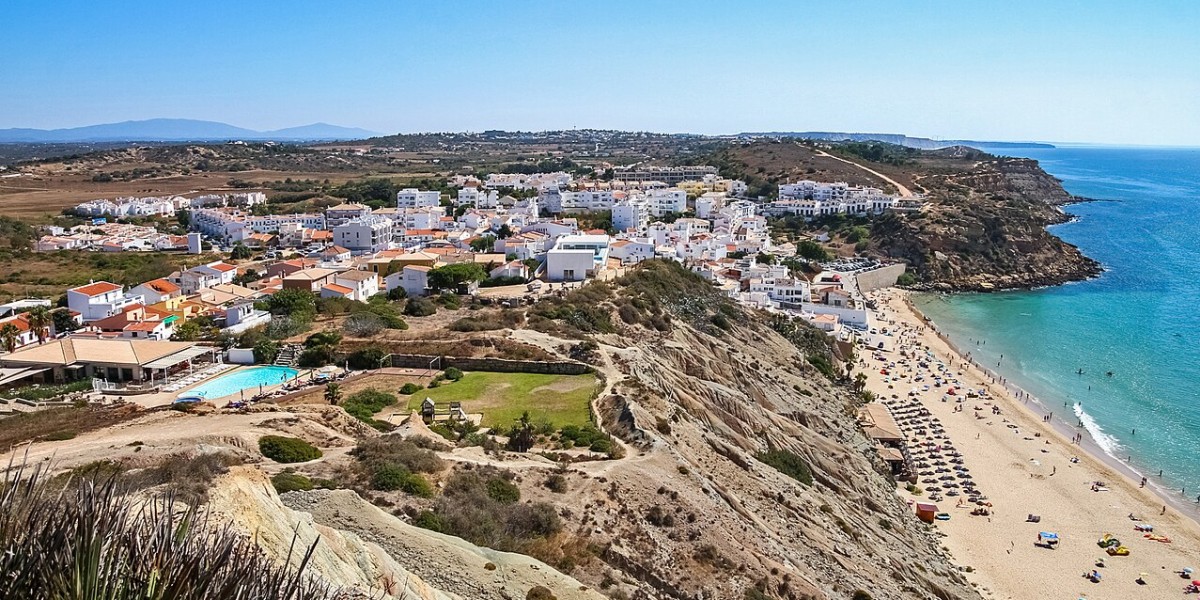
The Algarve is the classic choice for July holidays:
- Warmer sea water than in the rest of mainland Portugal
- Plenty of lifeguarded and well-equipped Blue Flag beaches
- A wide range of accommodation, including resorts and apartments
If you’re hoping to avoid the heaviest crowds:
- In the eastern Algarve (Tavira, Cabanas, Cacela Velha, Manta Rota), there are long stretches of sand and a calmer atmosphere.
- In the western Algarve, it helps to stay away from the busiest hubs and look towards places such as Ferragudo, Burgau or Salema.
Check out holiday rentals in the Algarve
Costa Vicentina and Southwest Alentejo

For a wilder feel, the Costa Vicentina is a reliable option, especially for a road trip:
- Beaches set between cliffs, with walking trails linking small bays
- Areas such as Porto Covo, Vila Nova de Milfontes, Zambujeira do Mar, Odeceixe, Arrifana and Carrapateira
- Cold sea water, but excellent for cooling off and for surfing
Explore holiday rentals on the Alentejo Coast
North and central coast
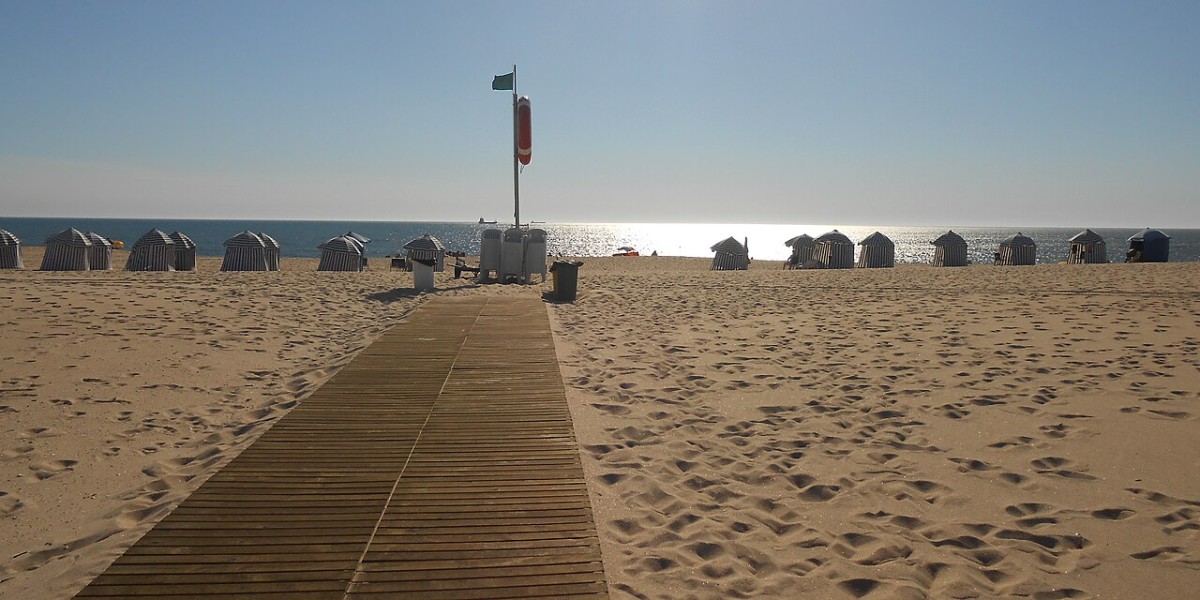
On the northern and central coast, July usually brings:
- More moderate air temperatures
- Cold water and often some wind
- A more local atmosphere and, generally, lower prices than in the Algarve
Examples include:
- North: Viana do Castelo, Vila Praia de Âncora, Esposende, Póvoa de Varzim and Vila do Conde.
- Centre: Figueira da Foz and São Pedro de Moel.
Explore holiday rentals in Porto and the North of Portugal
Destinations in Portugal with natural pools to visit in July
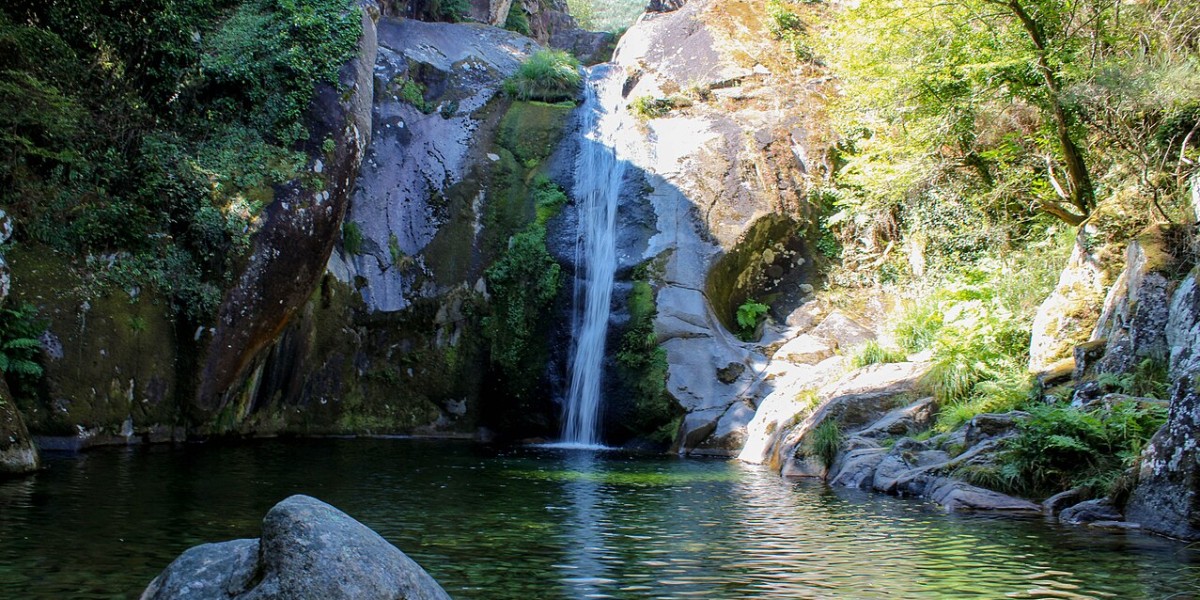
If July means cool water among rocks and trees rather than crowded beaches, it makes sense to look at destinations with natural pools in Portugal.
There are options inland, where mountain rivers create deep, cold-water pools, and on the islands, where volcanic lava has formed true Atlantic “baths” that fill and empty with the tides.
In July, good weather is almost guaranteed, river levels in the mountains are still reasonable, and conditions in coastal and volcanic pools are very pleasant, with the sea warmer than it tends to be in May or June.
Some natural pool destinations to consider in July:
- Cortes do Meio (Serra da Estrela): widely regarded as one of the leading spots for mountain river pools, with more than a dozen natural swimming holes along the stream.
Natural pools of Porto Moniz (Madeira Island): among the most recognisable images associated with natural pools in Portugal.
Carved into volcanic rock, they are filled with Atlantic salt water, forming basins where you can swim with open sea views;
Natural pools in the Azores: across the archipelago, lava has created basins that now function as Atlantic natural pools.
On São Miguel, areas such as Mosteiros or Ponta da Ferraria (with thermal influence at certain tides) are good options in July, with clear water and dramatic volcanic scenery.
Azenhas do Mar (Sintra): on the mainland coast, the saltwater pool set at the base of the cliff is one of the country’s most photographed spots.
It isn’t wild like a river lagoon, but it combines the village’s picturesque setting with the chance to swim in a pool protected from the open sea.
River beaches in the centre and north: mountain rivers such as the Zêzere, Alva and Lima create pools and lagoons surrounded by rock and greenery, much sought after in summer.
The river beach at Loriga, set within a mountain amphitheatre, as well as certain lagoons in Gerês and Sistelo, are examples of places where it’s possible to escape the heat with freshwater swims.
Where to go on holiday in Portugal in July with children?
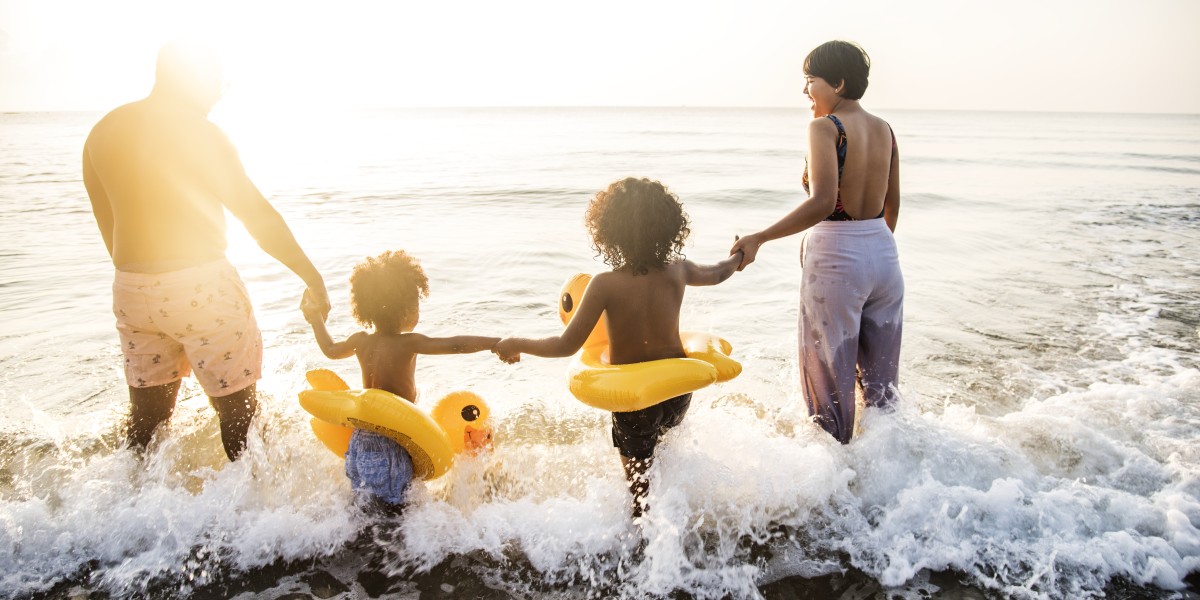
Travelling with children in Portugal in July is relatively straightforward: good weather is almost guaranteed, the sea is more pleasant, family-friendly beaches are abundant, many water parks are open, summer camps are running, and there is a growing range of family-oriented hotels and rural tourism options.
The challenge lies in choosing destinations that combine three elements: safety, easy access to activities for children and some downtime for adults.
Central coast: São Martinho do Porto, Nazaré and Peniche
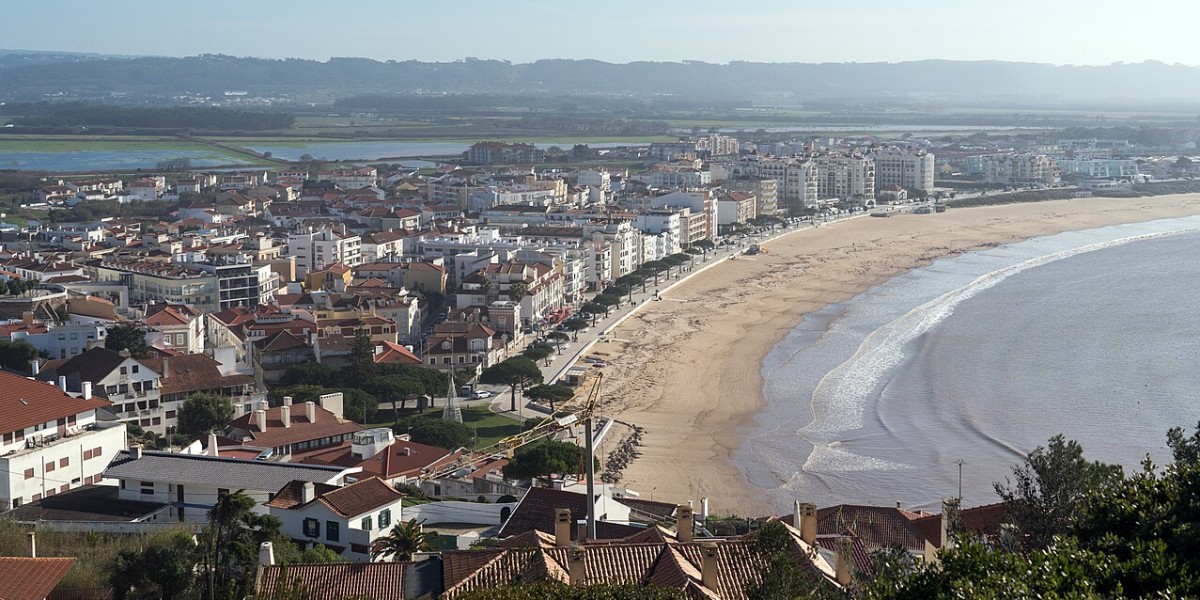
In the centre of the country, several beaches work well for families:
- São Martinho do Porto: a shell-shaped bay, very sheltered, with calmer waters than the average along the west coast. A good choice for younger children.
- Nazaré: in July, the main beach usually has suitable conditions for families. It can be combined with a visit to Sítio da Nazaré and the lighthouse, bearing in mind that the giant waves appear mainly in autumn and winter;
- Peniche and Baleal: if your children are keen on surfing or want to try it for the first time, schools are catering to all levels.
Setúbal Peninsula: Arrábida and Tróia
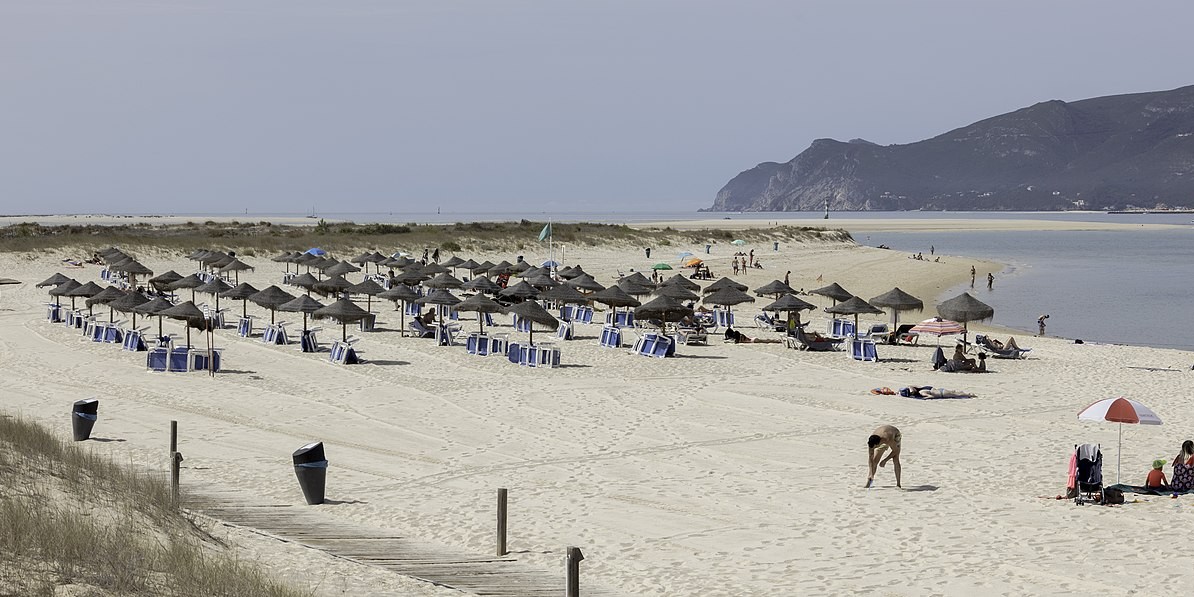
South of Lisboa, without heading as far as the Algarve:
- The Serra da Arrábida has coves with clear, gently moving water, such as Galapos, Galapinhos and Figueirinha, combining hillside and sea in a way that appeals to all ages;
- The Tróia Peninsula has long stretches of fine white sand, suitable for walking and swimming, with the added possibility of boat trips to see dolphins in the Sado estuary.
“Family-friendly” hotels and holiday homes
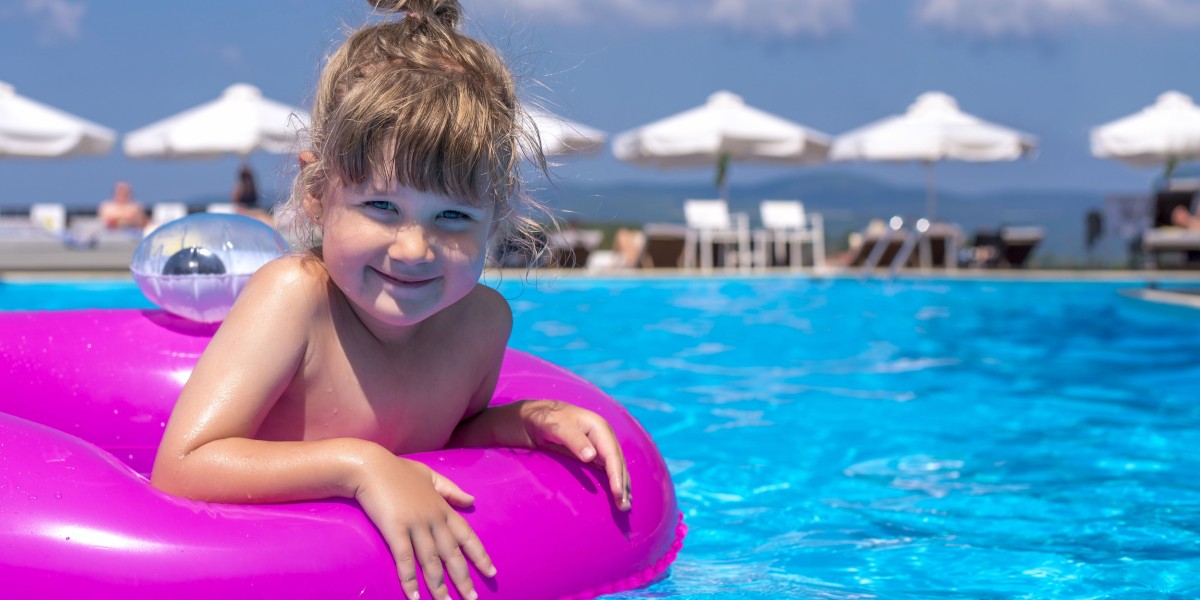
Whatever the destination, choosing the right accommodation goes a long way towards a relaxed holiday with children. When travelling with little ones, it helps if your holiday home includes:
- Family rooms or apartments with an equipped kitchen
- A children’s pool or splash area
- Safe outdoor spaces to play
- A restaurant with suitable children’s options and high chairs
- The possibility of requesting cots, bottle warmers and similar essentials
Practical tips for holidays in Portugal in July with children
- Avoid long journeys during the hottest part of the day; plan longer drives early in the morning or later in the evening
- Pack a basic first-aid kit, sun cream, hats and reusable water bottles
- On beaches and at river pools, choose lifeguarded areas and always respect the signage
- Plan a quieter day after particularly active ones, as children need time to rest
- In mountain destinations, bring layers for cooler evenings, even in July
How many days should I book for vacation in July?
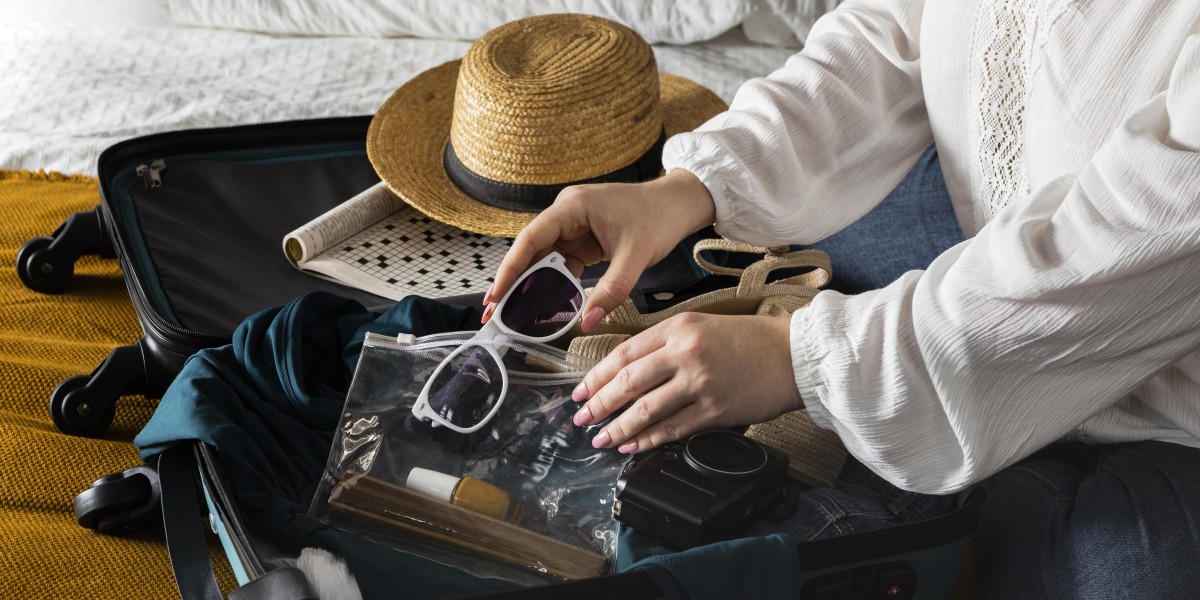
Seven to ten days is usually enough time to properly unwind and, if you like, combine two types of destination, such as five days at the beach and three in the mountains or a city.
For a short city break with one or two beach trips included, three to five days can be enough.
Stay inspired for your travels in Portugal —get our weekly newsletter for the latest travel, legal, and lifestyle news.