As the largest and most populated island in the Azores, this speck of Portugal in the middle of the Atlantic offers a life quite unlike any on the mainland. It’s not hard to see why it earned the nickname ‘Green Island’. The landscape is a brilliant patchwork of rolling pastures, volcanic crater lakes and lush forests. Living on São Miguel means a lifestyle tied to the rhythms of nature, where a relaxed pace and a deep connection to the outdoors are part of the daily routine.
What is São Miguel like?
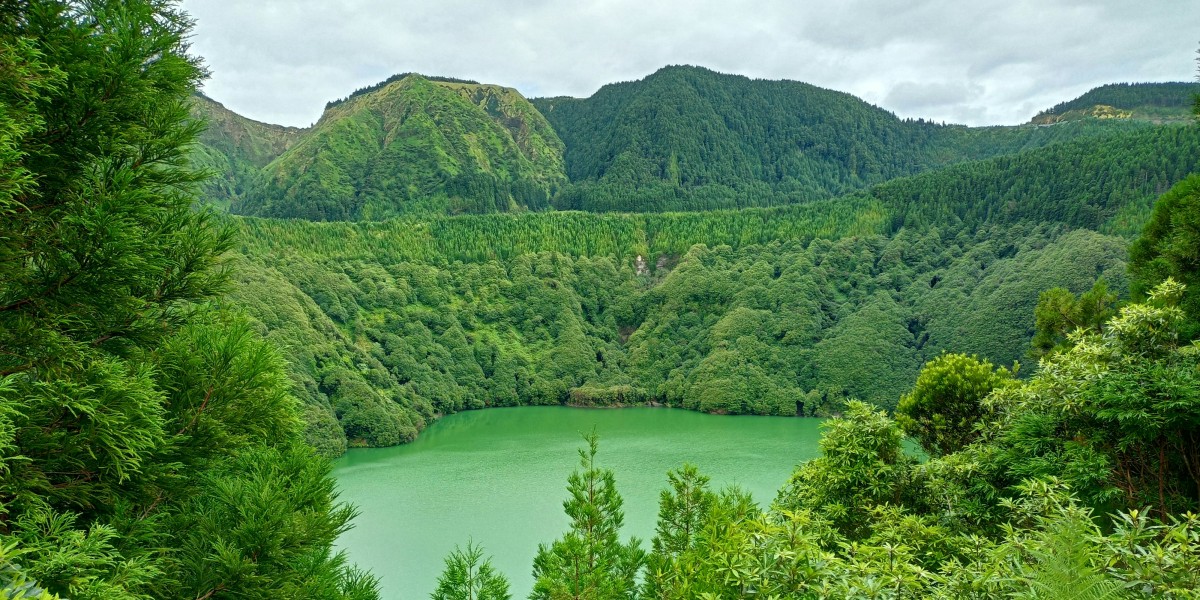
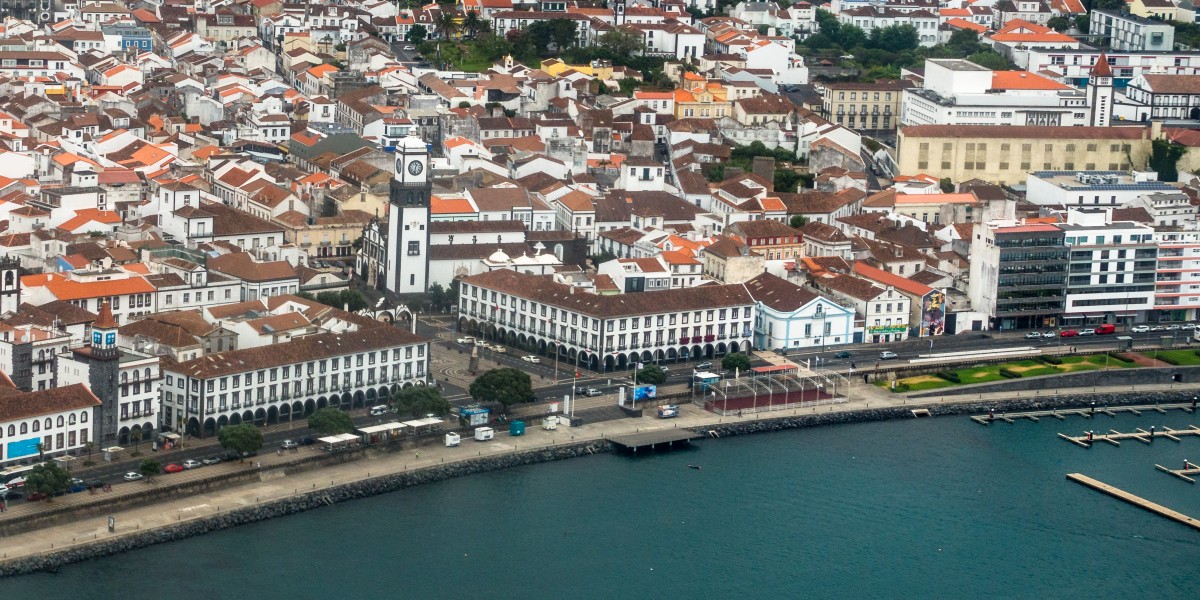
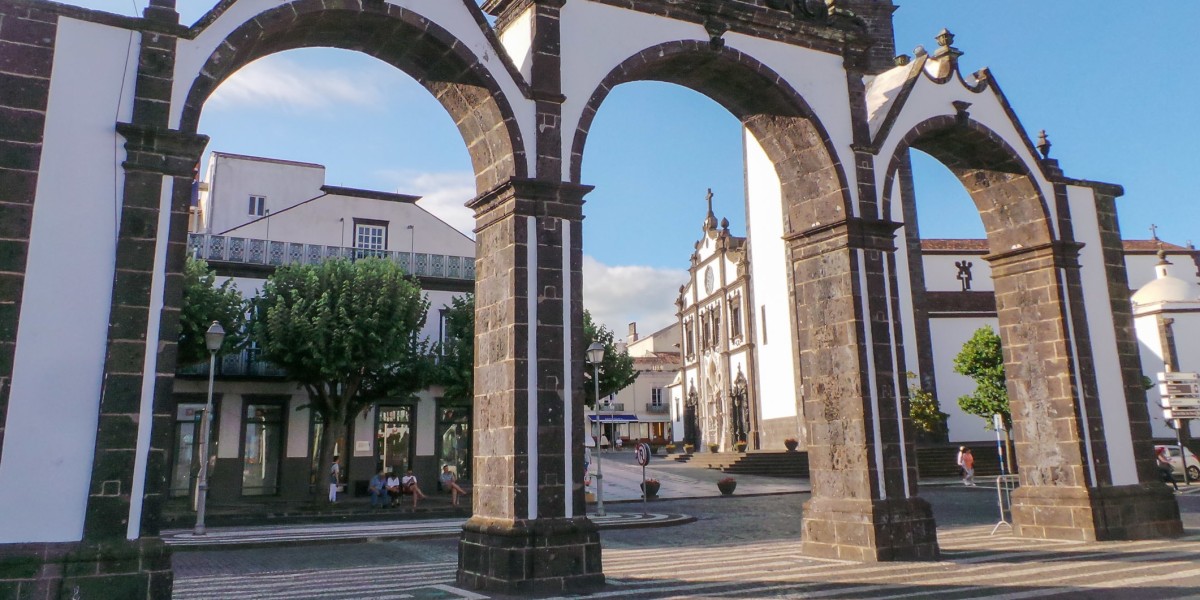
The island’s identity is shaped by its volcanic origins, with the dramatic twin lakes of Sete Cidades, one blue and one green, sitting in a vast caldera. It’s a place defined by raw nature; from the wild, high-altitude beauty of Lagoa do Fogo to the dark, volcanic sand beaches that line its shores. The main city, Ponta Delgada, provides a dose of handsome European architecture and cobbled streets, its black-and-white mosaics a contrast to the untamed wilderness just a short drive away.
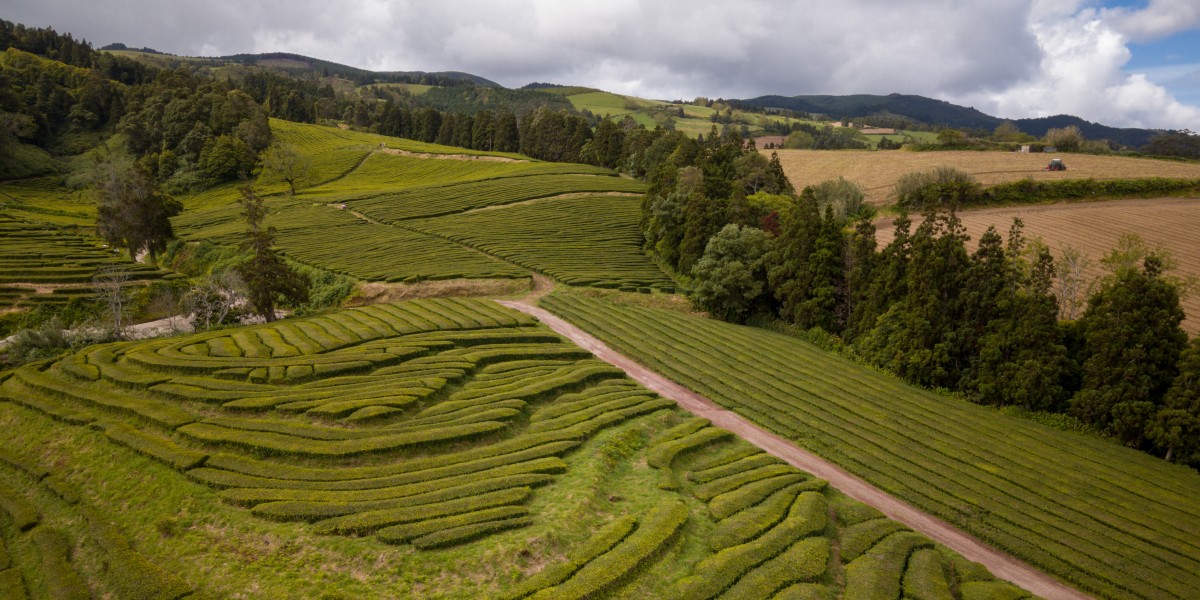
Beyond the big-ticket sights, the island’s personality is in its details. Blue hydrangeas line what seems like every road, creating impossibly colourful corridors through the countryside. It’s home to Europe’s only commercial tea plantations, Gorreana and Porto Formoso. A defining element of life here is the ever-present geothermal activity, most famous in the Furnas Valley, where the ground steams and hot water bubbles up from the earth.
Is São Miguel a good place to live?
For anyone whose idea of a good life involves less hustle and more nature, it certainly is. The island’s culture is deeply rooted in tradition. Life moves at a gentle pace, and there is a strong sense of community, which is particularly visible during local festivals. The largest of these is the Festa do Senhor Santo Cristo dos Milagres in Ponta Delgada, a religious celebration that fills the city with processions and festive cheer.
This slower, safer way of life is a huge part of the appeal, though it comes with having to embrace the famously unpredictable maritime weather, where you can easily see four seasons in one day. The trade-off is an outdoor lifestyle and a unique local cuisine, from the rich cozido das Furnas stew, cooked underground by volcanic heat, to the sweet bread, bolo lêvedo.
What is the cost of living in São Miguel, Azores?
The cost of living in São Miguel is generally more affordable than in many major European or American cities, though it’s wise to have a clear budget in mind. Your biggest expense will undoubtedly be housing. When looking at São Miguel real estate, recent figures show property prices on the island averaged around €2,230 per m². If you plan to rent, prices were about €10.5 per m², meaning an 80m² apartment would typically cost around €840 per month.
Day-to-day expenses are quite reasonable. You can grab a cheap meal for about €11, while a nicer dinner for two in a standard restaurant is around €40. A local beer will set you back between €2 and €4, and a coffee should be no more than €2. For groceries, a loaf of bread is about €1.50. To complete your monthly budget, you should also factor in utility bills, which for a typical apartment can be between €100 and €150 per month.
Best towns in São Miguel
Finding your footing on the island starts with picking the right town. Whether you’re after city conveniences or a quieter life surrounded by nature, there’s a place for you.
Ponta Delgada
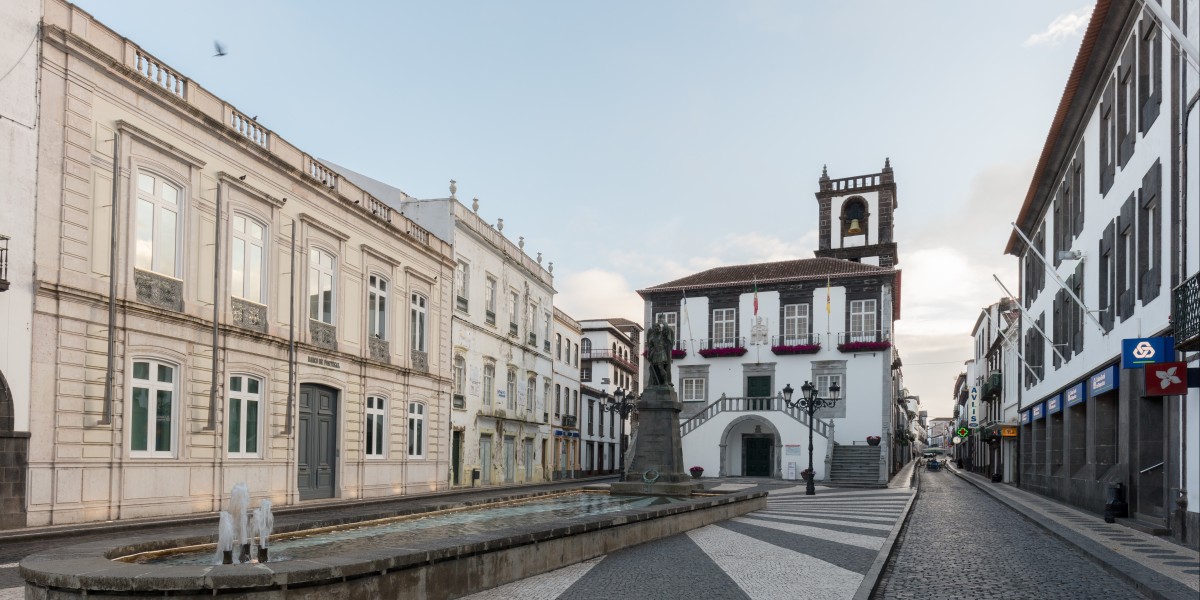
As the island’s capital and largest city, Ponta Delgada is the closest you’ll get to an urban centre in the Azores. It’s where you’ll find the main shops, a wide selection of restaurants like the ever-popular A Tasca, and a handsome historic centre marked by the Portas da Cidade. If you need access to most services and a bit more of a social buzz, this is your best bet.
Ribeira Grande
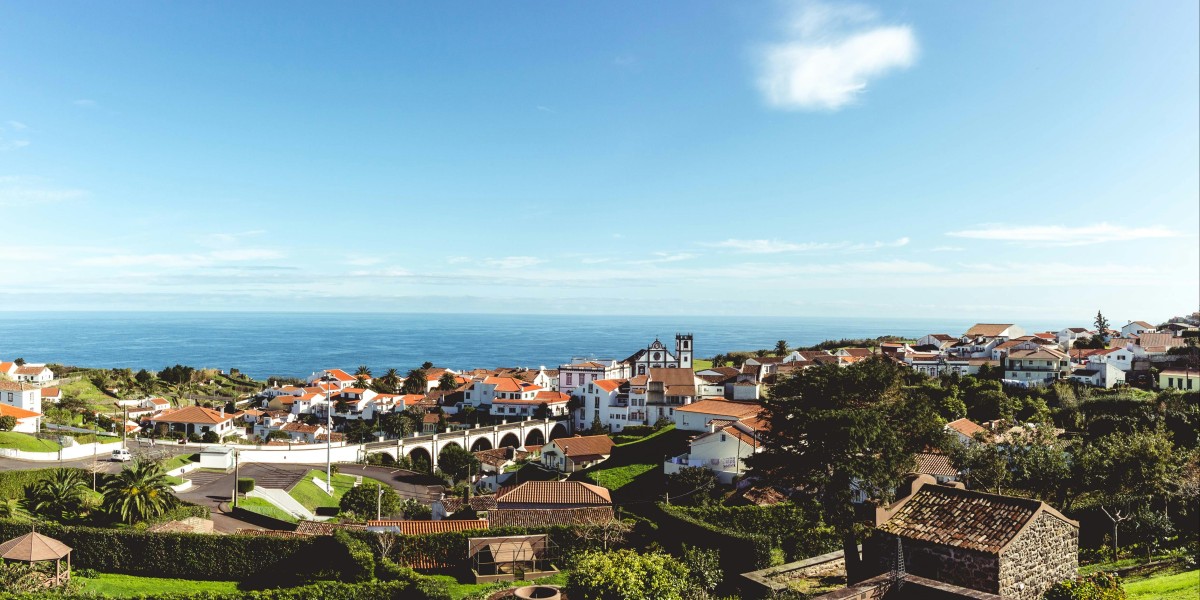
Set on the rugged north coast, Ribeira Grande is the island’s surfing hub, with the expansive Praia de Santa Bárbara drawing wave-riders year-round. Beyond the beach, the town has some lovely baroque architecture and the impressive Arquipélago contemporary arts centre, housed in a former factory. It’s a great spot for those who want to be close to the ocean and prefer a slightly more laid-back atmosphere than the capital.
Furnas
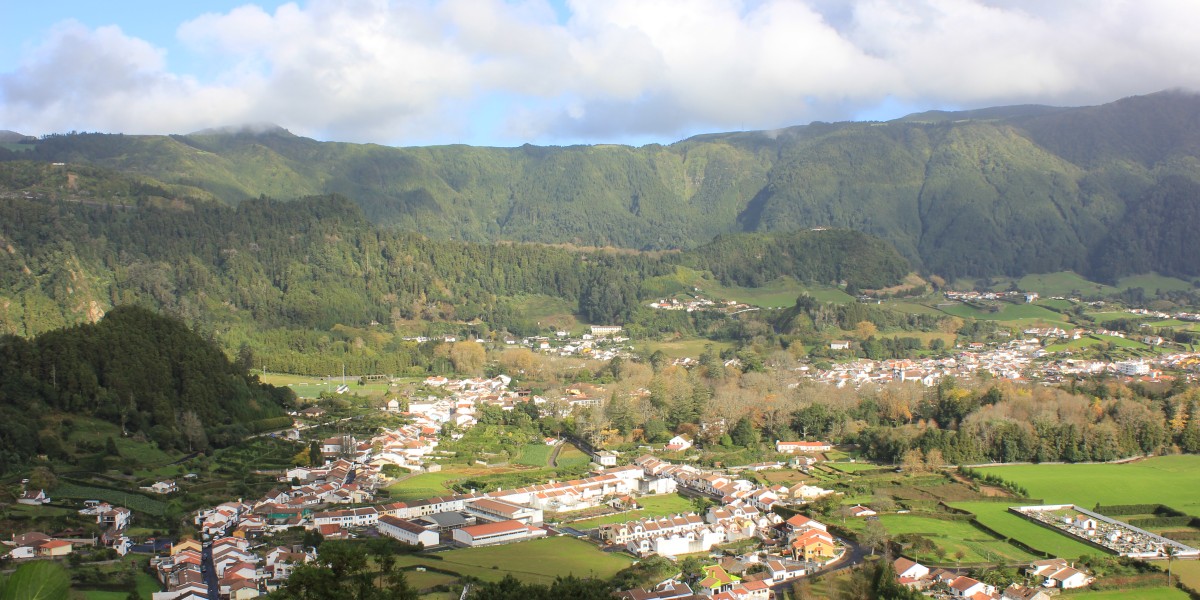
This small town is located inside a volcanic crater, where steam rises from the ground and thermal pools offer natural hot springs. Life here is quiet and revolves entirely around nature, from walking the shores of Lagoa das Furnas to enjoying a meal cooked by the earth itself. It’s a great choice for anyone seeking peace and a deep immersion in the island's geothermal landscape.
Vila Franca do Campo
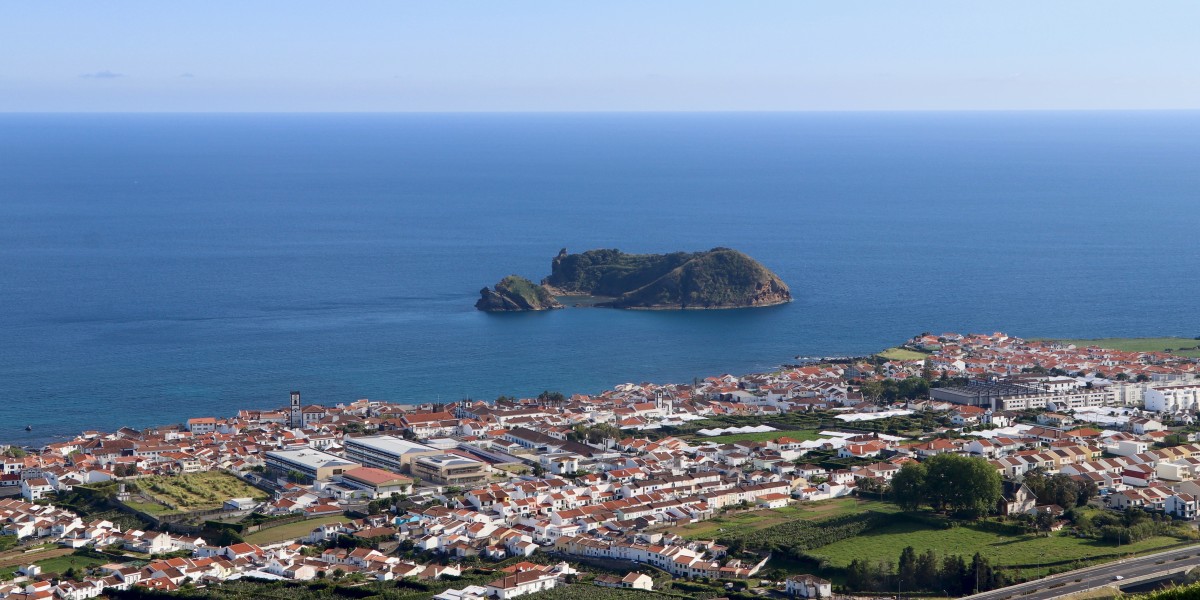
Situated on the sunny south coast, Vila Franca do Campo was the island's original capital before it was rocked by an earthquake in the 16th century. Today, it’s a pleasant and relatively quiet town with a pretty marina. Its main claim to fame is the Ilhéu de Vila Franca, a volcanic islet just off the coast that forms a natural swimming pool. It offers a more traditional, small-town coastal feel.
São Miguel or a different island? Finding the best Azores island to live on
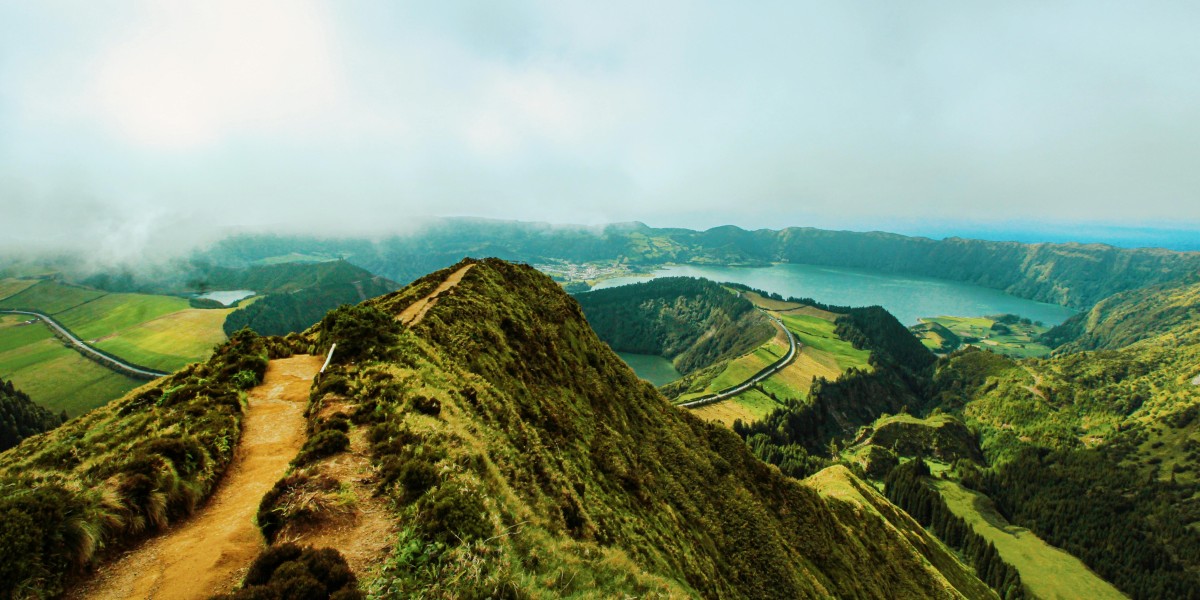
While São Miguel is the largest and most developed island, it’s not the only option. The best Azores island to live on really comes down to what you’re looking for. São Miguel offers the most balanced lifestyle, with a mix of city amenities in Ponta Delgada and spectacular, accessible nature. It has the most flight connections, job opportunities, and services, making it a practical choice for many.
If a rich cultural scene is more your speed, Terceira is a strong contender. Its capital, Angra do Heroísmo, is a UNESCO World Heritage site, with colourful streets and a deeply historic feel. For those seeking an even quieter existence, the central islands of Faial and Pico are compelling. Faial, with its famous marina in Horta, is a hub for the international sailing community, while Pico is dominated by its towering volcano and a unique wine-making tradition.
Property prices reflect these differences. While we saw that prices on São Miguel are rising, other islands can be more affordable. As of July 2025, property prices in Terceira averaged around €1,445 per m². On Pico island, housing prices averaged €1,519 per m², while on Faial they were a little higher at €1,852 per m².
Living in the Azores as a foreigner
Getting to grips with life in the Azores as a foreigner is a rewarding experience, but it helps to know what to expect. The expat community is small but growing, made up of a mix of nationalities drawn by the island’s charm. If you're living in the Azores as an American, you’ll find that people from the US are a familiar presence, partly due to the Lajes Field military base on the neighbouring island of Terceira.
Regardless of where you’re from, the real key to integration is language. While you can get by with English in the tourist hubs of Ponta Delgada, learning Portuguese is essential for day-to-day life, from navigating bureaucracy to forming genuine connections with your neighbours. For non-EU citizens, securing a visa like the D7 is a popular route to residency. One crucial point for families to consider is the near-total absence of international schools on São Miguel; education is almost exclusively in the Portuguese public system, which is a major factor in any relocation decision.
Healthcare
Once you become a legal resident, you can register with Portugal’s national health service, the Serviço Nacional de Saúde (SNS), which gives you access to subsidised healthcare. The island’s main hospital, Hospital do Divino Espírito Santo, serves as the primary centre for any specialist or emergency care. For routine appointments, you’ll find smaller local health centres (centros de saúde) in most towns. Many foreigners also choose to take out private health insurance. It’s not overly expensive and provides faster access to specialists and private clinics, which are mostly concentrated in Ponta Delgada.
Internet and connectivity
For anyone planning to work remotely, the question of the internet is a big one. You might be pleasantly surprised to hear that São Miguel is well-connected. Fast, reliable fibre-optic internet is widely available across Ponta Delgada and the other main towns. It is worth noting, however, that if you opt for a truly rural or isolated home, it would be wise to check the specific connection available before you commit.