Still looking for iconic places in Portugal to explore during the summer holidays? Fans of quiet places may want to put the Branda de Santo António de Val de Poldros on their map. This small mountain village sits at more than 1,000 metres above sea level and has just one permanent resident.
Despite its isolation, the place remains very much alive and is worth a visit. It attracts tourists as well as people hoping to sample the dishes prepared by Fernando Gonçalves at the iconic Restaurante Val Poldros, which serves traditional Portuguese food.
Reasons to visit Val de Poldros
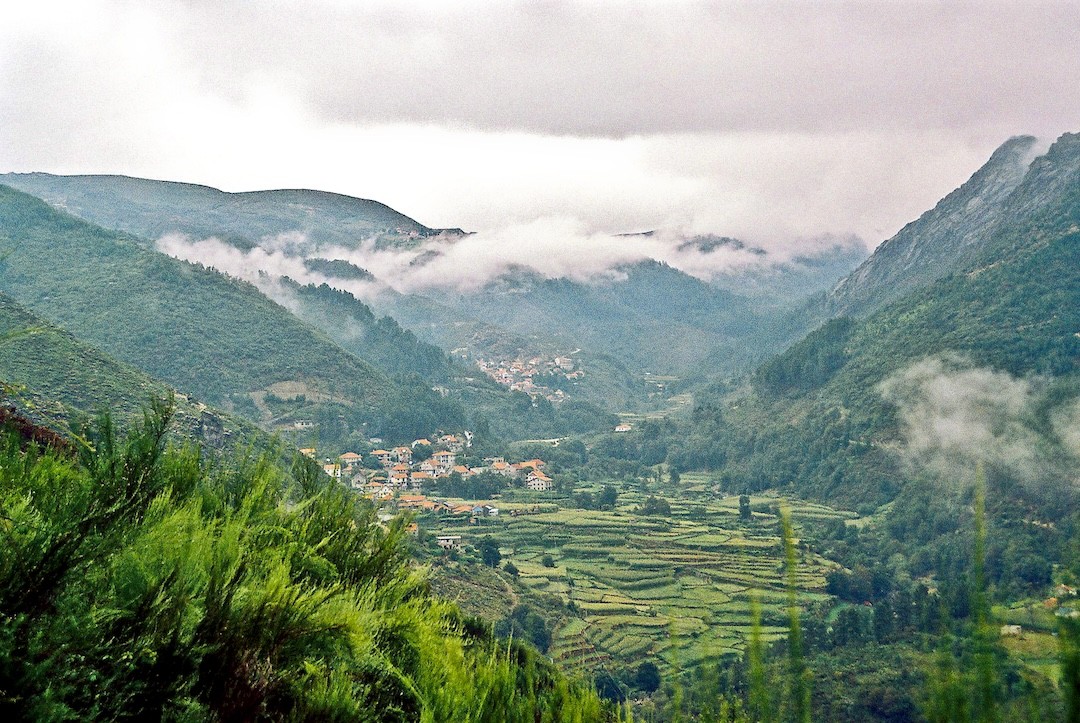
Val de Poldros is located in Riba de Mouro, in the municipality of Monção, Viana do Castelo district. Getting there involves travelling up through the Serra da Peneda, along roads increasingly surrounded by mountains and vegetation.
The feeling of isolation is not simply down to the altitude. It is closely tied to the history of the place itself. Val de Poldros was not originally a village inhabited all year round. It is a branda, the name given to small mountain settlements used seasonally by local communities and shepherds in Alto Minho.
During the milder months, families took their livestock up to higher ground, where pasture was plentiful. Once the cold set in, they returned to lower, more sheltered places. This way of living in step with the seasons shaped the mountain scenery still found today.
Brandas in summer, inverneiras in winter
For centuries, families in Alto Minho split the year between the brandas, where they spent spring and summer with their livestock, and the inverneiras, the lower settlements where they stayed during the colder months.
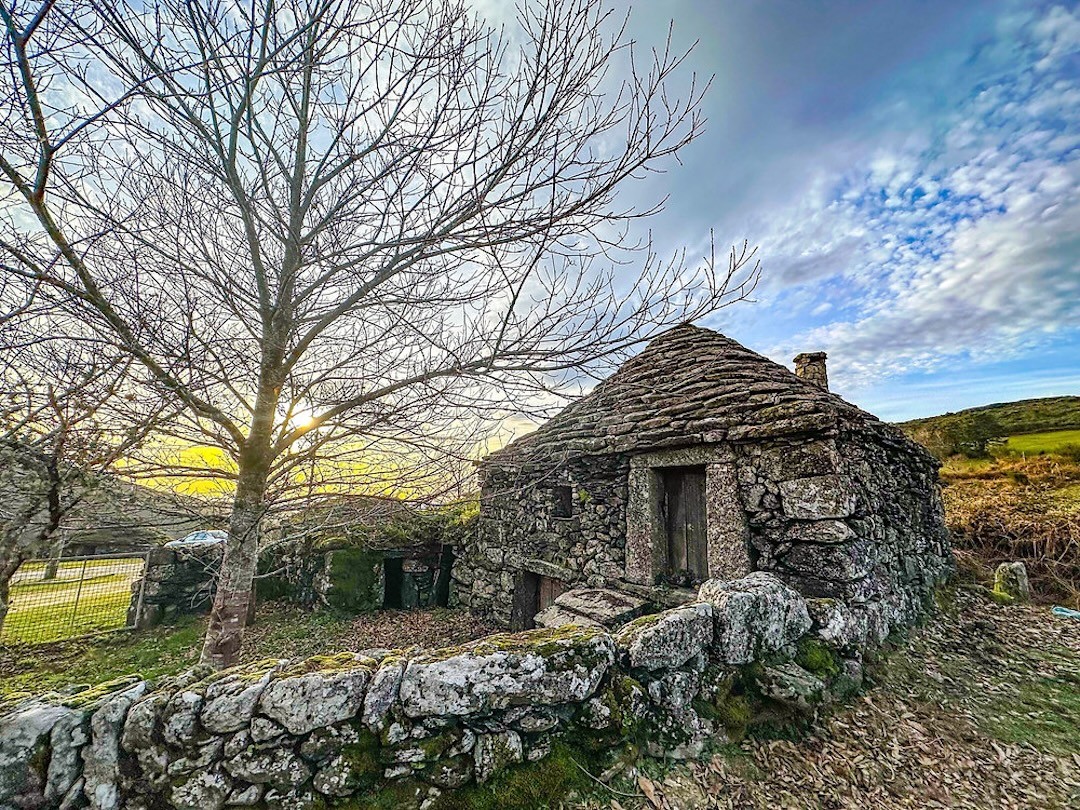
The cardenhas of Val de Poldros, granite buildings adapted to mountain life, are among the clearest reminders of this old tradition.
They have thick walls and modest proportions, as the priority was not to build luxurious homes but sturdy shelters suited to life in the mountains.
Curiously, this is not the first time Val de Poldros has featured in these pages. The Cardenha das Formiguinhas has already been explored: a local accommodation known as Portugal’s Hobbit House, where visitors can see how these buildings connected to pastoral life were once used.
What can I eat at Restaurante Val Poldros?
At Restaurante Val Poldros, the focus is traditional food and straightforward flavours in a setting far removed from a city restaurant. There is no completely fixed menu.
Dishes can vary according to the day and the ingredients available, which gives the place a more homely feel and keeps it closely tied to the mountains.
- Beef rib steak: one of the standout meat dishes on the menu;
- Grilled beef: a simple, traditional option for those who prefer grilled meat;
- Veal chop: another meat dish available at the restaurant;
- Oven-roasted veal: a traditional dish served as an alternative to the grilled options;
- Salt cod: available de cebolada, cooked with onions, or na brasa, grilled over coals. The latter is intended for two people;
- Cured ham, regional smoked meats and grilled chouriça: some of the starters available, along with cheese and mixed bread;
- Saramago soup and seasonal soup: options that may vary according to availability;
- Pre-order dishes: including arroz de cabidela (rice cooked with poultry and its blood), oven-roasted lamb, oven-roasted kid goat and cozido à portuguesa, Portugal’s traditional boiled meat and vegetable dish.
Fernando Gonçalves returned from Andorra in 2004 and decided to open the restaurant to bring new life to the branda and welcome those making their way up the mountain. It is open from 11 am to 11 pm, except on Tuesdays, when it is closed.
Does Val de Poldros bring The Lord of the Rings to Portugal?
The low granite houses, paths winding through the vegetation and lush green surroundings give Val de Poldros the appearance of somewhere lifted from a fantasy world.
That is where the informal comparison with the settings of The Lord of the Rings came from. There is no genuine link to J. R. R. Tolkien’s universe, though the look of the cardenhas, the mist and the mountain setting create an almost cinematic atmosphere.

For fans, the comparison may be even more appealing with the countdown underway to the worldwide release of season 3 of The Lord of the Rings: The Rings of Power, which premieres on Prime Video on 11 November. In the meantime, season 1 is available on TVCine+.
Is the climb up to Val de Poldros worth it?
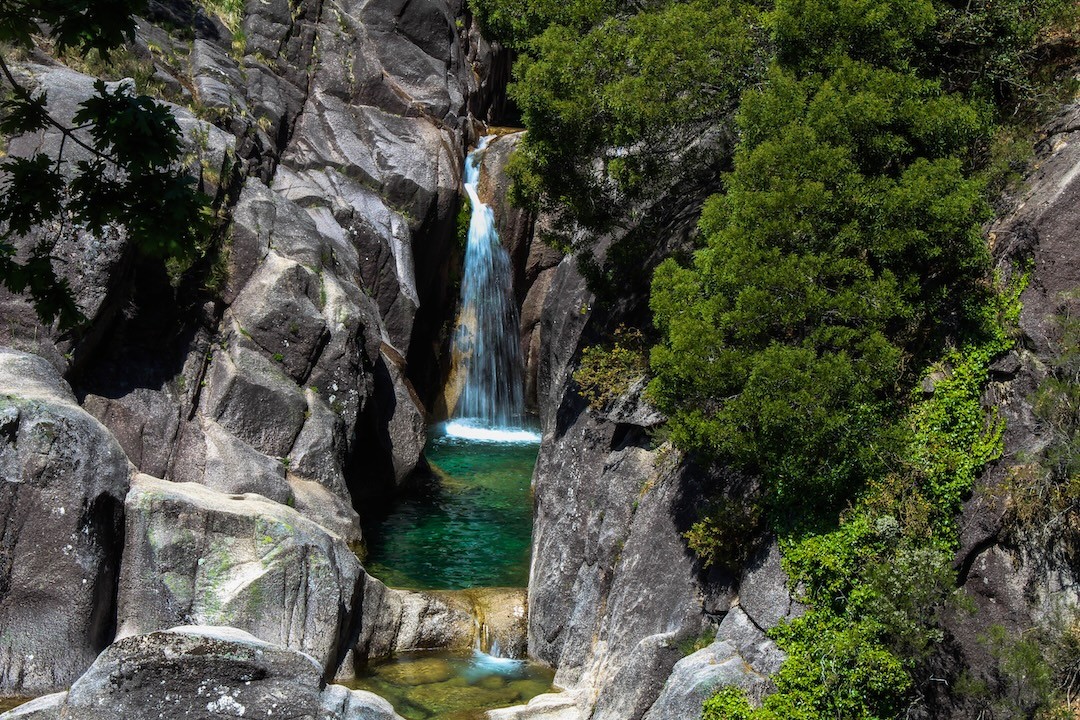
Val de Poldros is not a destination of major monuments or crowds. That is precisely what gives it its appeal. The trip is worthwhile for its:
- Serra da Peneda scenery: the road to Val de Poldros crosses a green, lush mountain area, where silence, granite and wide-open views create a sense of seclusion that is hard to find elsewhere in Portugal;
- The cardenhas and local history: these small stone buildings give an insight into how communities lived when they moved up to the mountains in warmer months, offering a glimpse into an almost vanished traditional way of life;
- The restaurant and “Hobbit village”: many visitors arrive out of curiosity to try Fernando Gonçalves’s restaurant, while others come for the near-fantastical setting created by the granite houses;
- Other nearby places: with time to spare, nearby Sistelo has terraced hillsides and wooden walkways, Soajo has its traditional granaries, lagoons and waterfalls, while Mezio is one of the gateways to Peneda-Gerês National Park, with walking trails, viewpoints and areas suitable for families.
In June, the Santo António festivities break Val de Poldros’ silence with Mass, a blessing of the livestock, concertina music and other traditions, making it one of the better times to visit the branda. In winter, cold weather, mist and snow can make access more difficult.
Stay inspired for your travels in Portugal —get our weekly newsletter for the latest travel, legal, and lifestyle news.