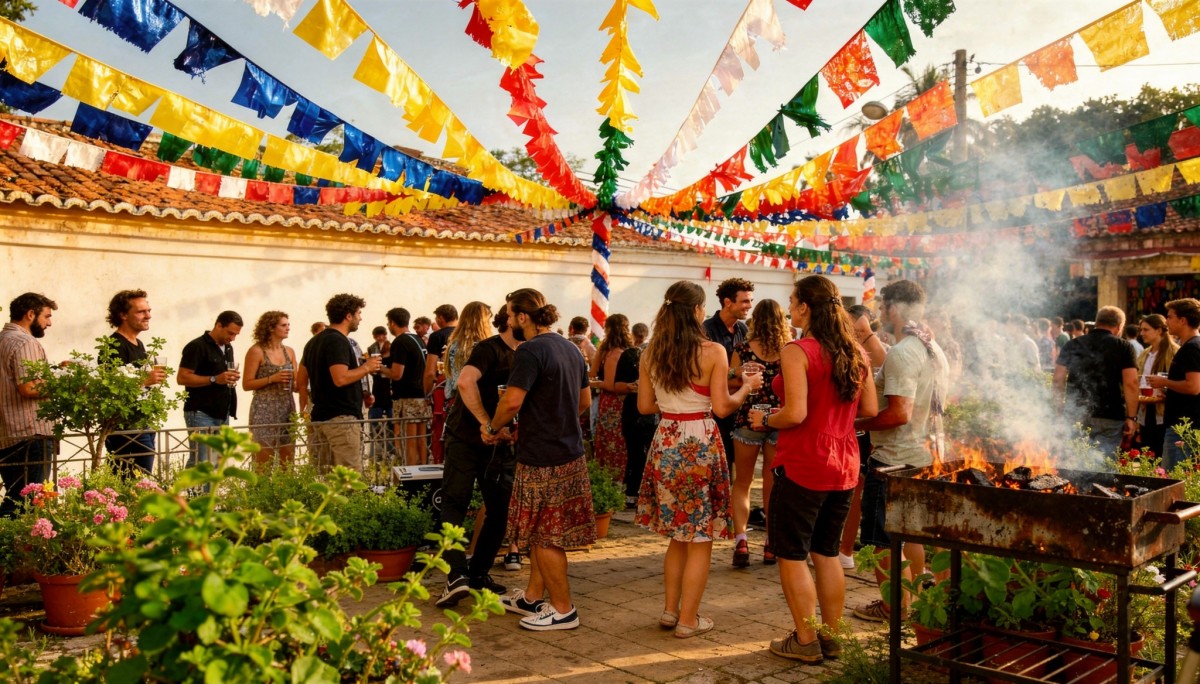
The Santos Populares are one of the most important celebrations in Portuguese culture. Every year in June, entire neighbourhoods come alive with traditional music, grilled sardines and brightly decorated streets.
In Lisbon, Porto and many other parts of the country, the tradition blends religion, popular culture and social gatherings. Even those who are not particularly religious usually take part.
June is widely seen as the most vibrant month of the year in Portugal, and with good reason.
- What are the Santos Populares?
- When are the Santos Populares celebrated in Portugal?
- Lisbon and surrounding areas: Santo António beyond the capital
- Porto: Saint John's Day and riverside festivities until dawn.
- Alentejo: popular festivals with local identity
- Algarve: village festivals by the sea
- Practical tips for enjoying the Santos Populares
What are the Santos Populares?

The Santos Populares honour three Catholic saints: Santo António, São João and São Pedro. Although the origins are religious, the festivities have evolved into large-scale cultural and community events.
These celebrations also have ancient roots linked to pagan rituals marking the summer solstice. Over time, traditions have adapted, but key elements remain:
- Manjericos (basil plants) decorated with short popular poems;
- Marchas populares (neighbourhood parades and competitions);
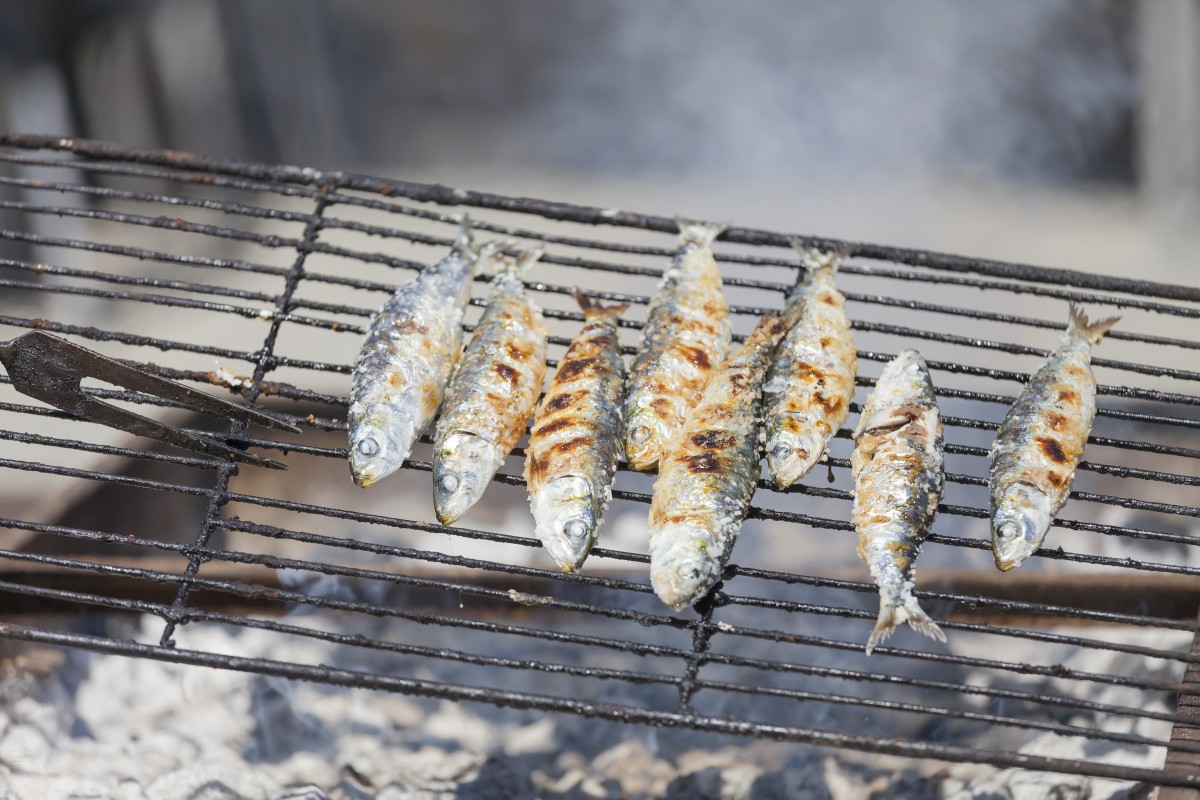
- Grilled sardines served in bread.
When are the Santos Populares celebrated in Portugal?
While the entire month of June is filled with local street parties, three key dates stand out:
13 June – Santo António (Lisboa)
Lisboa reaches its peak on this day. Alongside the famous Marchas Populares on Avenida da Liberdade, the city hosts the traditional Casamentos de Santo António (St Anthony’s Weddings), organised by the City Council since 1958.
24 June – São João (Porto)
In Porto, the night of 23–24 June is considered the city’s biggest celebration. Thousands head down to the Ribeira and Foz areas to enjoy fireworks over the River Douro.
29 June – São Pedro
São Pedro is especially celebrated in fishing towns such as Póvoa de Varzim, Sintra and Évora. The saint is closely linked to fishermen and maritime communities.
Lisbon and surrounding areas: Santo António beyond the capital

Lisboa is the main stage for the Santos Populares, particularly on the night of 12–13 June when the city celebrates Santo António Festival
The Marchas Populares on Avenida da Liberdade are the most iconic moment. Historic neighbourhoods parade in colourful costumes, with choreographies rehearsed for months and original songs created for the annual competition.
Alfama, Mouraria, Bica, Madragoa, Graça and Bairro Alto embrace the tradition with friendly rivalry that draws in both residents and visitors.
The festivities, however, extend beyond the city centre. Nearby towns also host street parties, concerts and sardine feasts.
- Check out holiday rentals in Lisbon
Oeiras
In Oeiras, the atmosphere is more organised and family-oriented. Its coastal setting and gardens along the Cascais line create a different backdrop from central Lisboa, yet the energy remains high.
Cascais
Cascais combines local tradition with a summer seaside feel. During June, street festivals and cultural events follow the Santos calendar. The historic centre becomes livelier, and terraces stay busy late into the night.
Sintra
In Sintra, celebrations are spread across several parishes such as Algueirão-Mem Martins and Rio de Mouro. The setting feels more community-driven and less tourist-focused, while keeping the essentials: grilled sardines, popular music and open-air dancing.
Almada
Across the River Tejo, Almada has a strong tradition of popular festivities, especially in historic districts and community associations. Streets are decorated in typical style, and residents and visitors gather for neighbourhood street parties.
Porto: Saint John's Day and riverside festivities until dawn.

In Porto, the highlight is the night of 23–24 June, dedicated to São João. The city fills with people heading towards the Ribeira, Avenida dos Aliados and Fontainhas. The fireworks display over the River Douro is one of the most anticipated moments.
- Explore holiday rentals in Porto
Vila Nova de Gaia
On the opposite bank, Gaia offers privileged views of the fireworks. It tends to provide a bit more space than central Porto and often more affordable accommodation options.
Braga
Braga also marks São João with strong popular traditions, concerts and street festivities. The city blends religious heritage with a lively cultural and community spirit, attracting visitors from across northern Portugal.
Póvoa de Varzim
Here, the São Pedro Festival on 29 June takes centre stage. The town’s maritime roots are reflected in colourful decorations and friendly rivalry between neighbourhoods, similar in spirit to Lisboa’s parade competitions.
Alentejo: popular festivals with local identity
In the Alentejo region, the Santos Populares feel more community-focused but no less meaningful. Celebrations usually take place in central squares, with open-air dances, regional food and strong involvement from local associations.
Évora
In Évora, June brings street parties and cultural events in the historic centre, often included in the city’s summer programme. The atmosphere is calmer than in Lisbon or Porto, suiting those looking for tradition with fewer crowds.
Sines
With deep ties to the sea, Sines celebrates São Pedro with enthusiasm and maintains traditions connected to fishing communities. It works well for combining beach days with evening festivities.
Beja
In Beja, local associations organise community-based festivals where social gatherings are the main focus. The experience feels authentic and less geared towards tourism.
- Find your holiday home in Alentejo.
Algarve: village festivals by the sea

Although the Algarve is strongly associated with summer beach life, several towns continue the Santos Populares tradition, particularly São Pedro.
Faro
The Algarve capital hosts street festivals in the historic centre, featuring traditional music and local food. The atmosphere is lively yet more spacious and structured than the large-scale celebrations in Lisboa and Porto.
Loulé
Loulé, with its strong cultural heritage, usually includes popular festivities in its annual programme. Events often highlight Algarvian identity and traditions.
Portimão
In Portimão, the proximity to the sea reinforces the connection to São Pedro. Celebrations include concerts and evening entertainment, especially in riverside areas.
- Explore holiday homes in the Algarve
Practical tips for enjoying the Santos Populares

A few simple steps make the experience smoother:
- Arrive early to secure a good spot;
- Wear comfortable clothes and shoes;
- Bring cash, as not all stalls accept card payments;
- Use public transport where possible;
- Check schedules on the local council’s official website.
In Lisbon and Porto, the metro often runs later during key festival nights. Santos Populares revolve around music, grilled sardines, manjericos and long evenings outdoors.
As summer begins, many people also write short poems for their basil pots. One traditional-style verse might read:
“Living the Santos in Portugal
Means singing until the break of day,
Holding June close to your heart
With lively streets along the way.”
Stay inspired for your travels in Portugal —get our weekly newsletter for the latest travel, legal, and lifestyle news.