Portugal has a gentle rhythm to it, but that doesn’t mean it runs on guesswork. A lot of the classic travel mishaps here aren’t dramatic, just slightly awkward or mildly inconvenient.
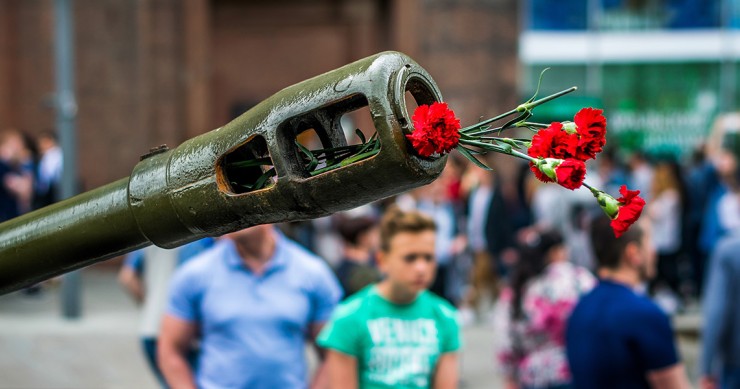
Every year on 25 April, Portugal celebrates Freedom Day (Dia da Liberdade), commemorating the peaceful military uprising in 1974 that overthrew the Estado Novo regime. In 2026, the date carries even greater symbolic weight.
The national animal of Portugal is not the rooster, as many believe, but a type of wolf that still roams parts of the country and carries real symbolic weight in rural Portugal.What is the national animal of Portugal?Why is the Iberian wolf the national animal of Portugal?Where does the Iberian wolf
If you’re used to celebrating it in June, Father’s Day in Portugal can throw you slightly off balance the first year. Here, it’s marked every March and is known as Dia do Pai.When is Father’s Day in Portugal?Father’s Day in Portugal is celebrated on 19th March every year.
When is Valentine's Day in Portugal? Valentine’s Day is celebrated worldwide on 14th February, and Portugal is no exception. Known locally as Dia de São Valentim or Dia dos Namorados, this day of love combines centuries of history with modern romantic traditions.
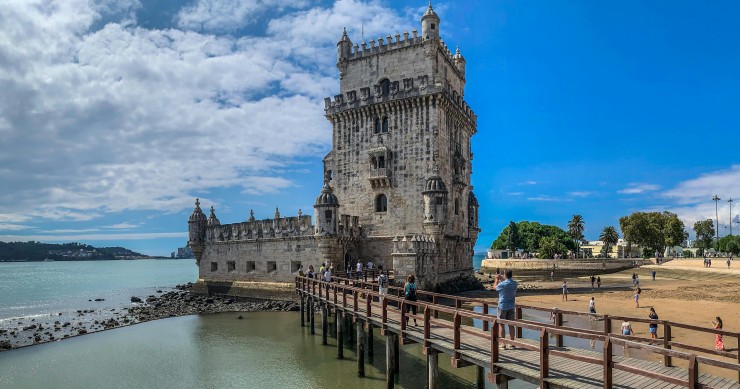
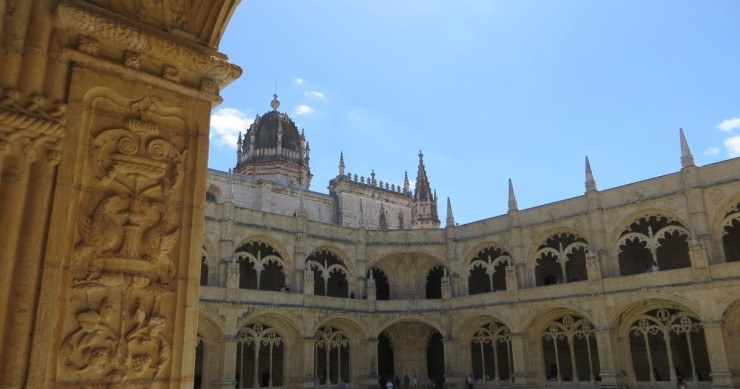
UNESCO cities in Portugal may be few – there are five in total across the mainland and islands – but they tell a disproportionate amount of the country’s story. Each one has a historic centre recognised by UNESCO for its “outstanding universal value”.
If you spend any time in Portugal, sooner or later, someone will suggest going out to petiscar. It’s one of the most sociable ways to eat, all about sharing plates, lingering over drinks and chatting for hours.
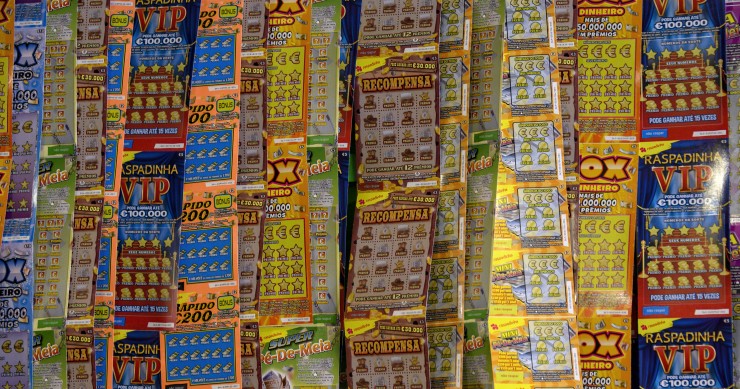
If you spend December in Lisbon or Porto, you’ll notice people quietly clutching strips of coloured paper, comparing numbers in cafés and kiosks. That’s the Lotaria Clássica de Natal, Portugal’s Classic Christmas Lottery, and it’s much more than a quick flutter.
September in Portugal marks a gentle shift from the peak summer season, offering a more relaxed experience. As the holiday crowds thin out and the intense heat of August subsides, you'll find a more laid-back pace, especially in popular coastal areas.
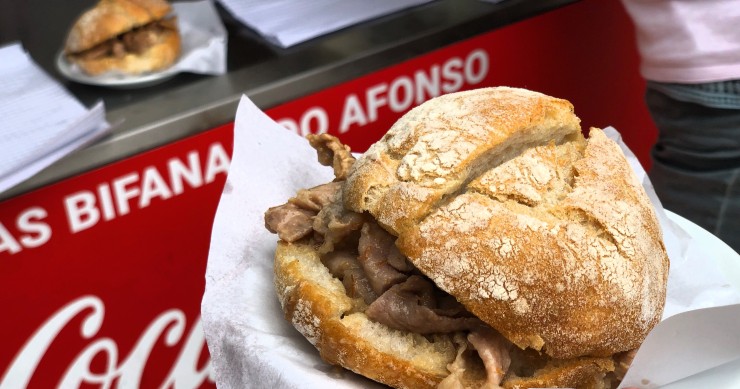
Lisbon’s food scene is a fantastic mix of the old and the new. You have tiny, traditional restaurants tucked down side streets, right alongside busy food markets where you can try a bit of everything.
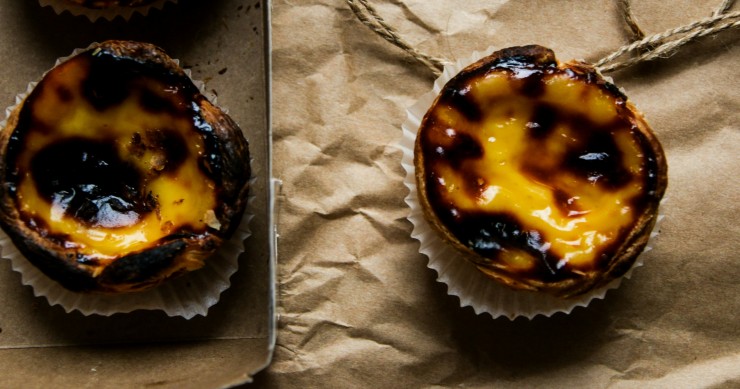
Portugal’s got a proper sweet tooth, and it shows—just pop into any pastelaria and you’ll be spoiled for choice. The country takes its pastries seriously, with locals nipping in for a quick coffee and something sweet at all hours.
No visit to Portugal is complete without tucking into at least one pastel de nata. Born in the convent kitchens of Lisbon, this little custard tart has become a national icon.
Fado is more than just music—it's the soulful heartbeat of Portugal, deeply ingrained in the country’s cultural identity. A live fado performance is an unforgettable experience, capturing the raw emotion and history of the country.
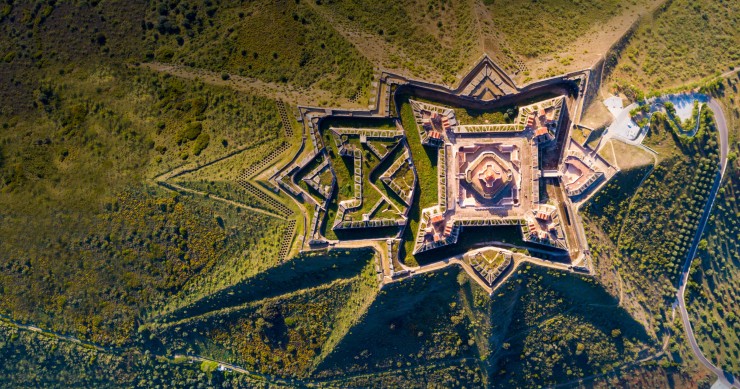
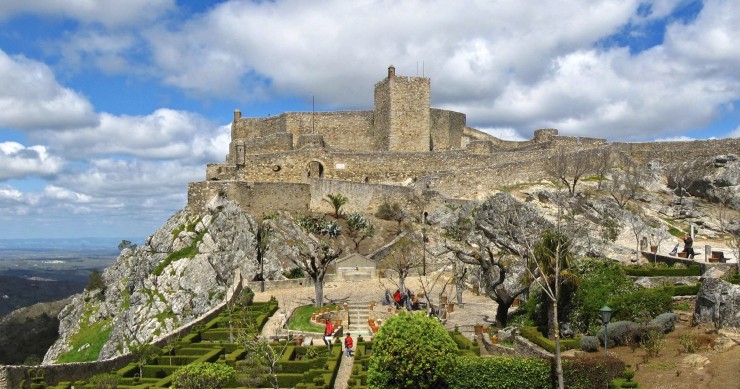
The history of Portugal has left many buildings and constructions that today delight those who visit this coastal paradise, not only in search of sun and sea.
Évora will be European Capital of Culture in 2027, along with Liepaja in Latvia, it was announced this Wednesday (7th December 2022) at a press conference in Lisbon at the Centro Cultural de Belém (CCB).