Lisbon is friendly and largely low‑risk, thanks to it being the capital of one of the safest countries in the world. However, it still pays to understand where and when petty crime tends to happen in the city, so that your experience of Lisboa is stress and drama-free.
Is Lisbon safe: key facts, common crimes and realistic risks
Lisbon feels relaxed by day, including in the historic centre, with police presence around the main squares. The latest Annual Internal Security Report (RASI) shows that overall crime in the Lisbon district fell in 2024, so it's no surprise, Lisbon was named the world’s happiest holiday destination for 2025. Nationally, general crime also decreased in 2024, though some violent categories rose. Juvenile crime increased by over 12%, and robbery in public spaces was the most reported violent offence.
Risk is more about timing and micro‑location than big red zones. So if you prefer to steer clear of the crowds, finding the best non-touristy things to do in Lisbon, be aware of when and where you choose to go. Late nights in some areas see dense crowds, open drinks and easy targets. Waterfront promenades are lively, though darker stretches can invite opportunistic grabs. And big match nights and festivals swell crowds, so detours along well‑lit main routes tend to feel calmer.
Areas to avoid in Lisbon: neighbourhood‑by‑neighbourhood
Think in terms of “caution zones” and hours of the day. The historic centre shifts in tone after midnight, and the safest route is often the better‑lit one with late cafés and taxis in sight. Although Lisbon has plenty of secret places to explore too, these main areas are brilliant if you don't feel like venturing off the beaten track.
Central tourist zones to stay alert in
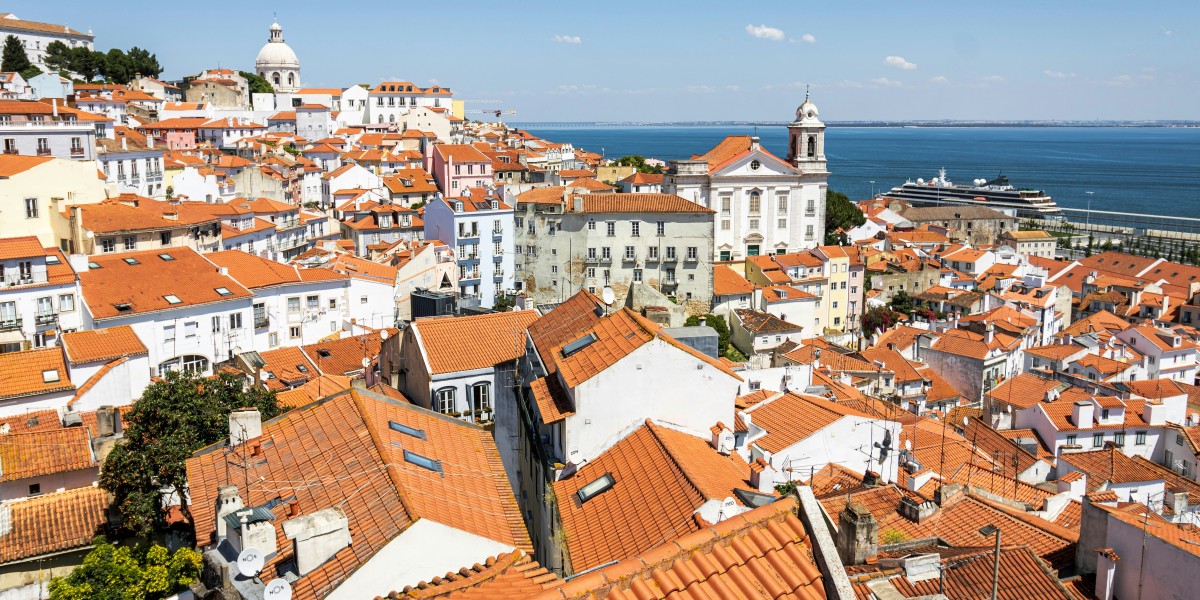
In Baixa, Rossio and Chiado, thefts cluster in queues, funiculars and busy squares. Alfama’s lanes feel cosy by day, but after dark, the side stairs and alleys thin out, so the broader routes serve you better.
Around Mouraria, Martim Moniz and Intendente, expect more hawkers and the odd pushy pitch. Miradouros, or viewpoints, are still worth it after sunset, though the edges are quieter, so most people stick to the busier lookouts and main exits.
Nightlife hotspots to navigate carefully
Bairro Alto’s lanes fill with drinks and music, which creates cover for bag and pocket dips. The side streets can feel darker during clear‑out time. Most locals filter down Rua do Alecrim, which stays lively along the river, with taxis easy to grab.
In Cais do Sodré, late‑night surges around popular bars make unwatched bags vulnerable. The lit riverfront and the main road feel steadier than back alleys once the crowds thin.
Transport hubs and routes where pickpocketing is common
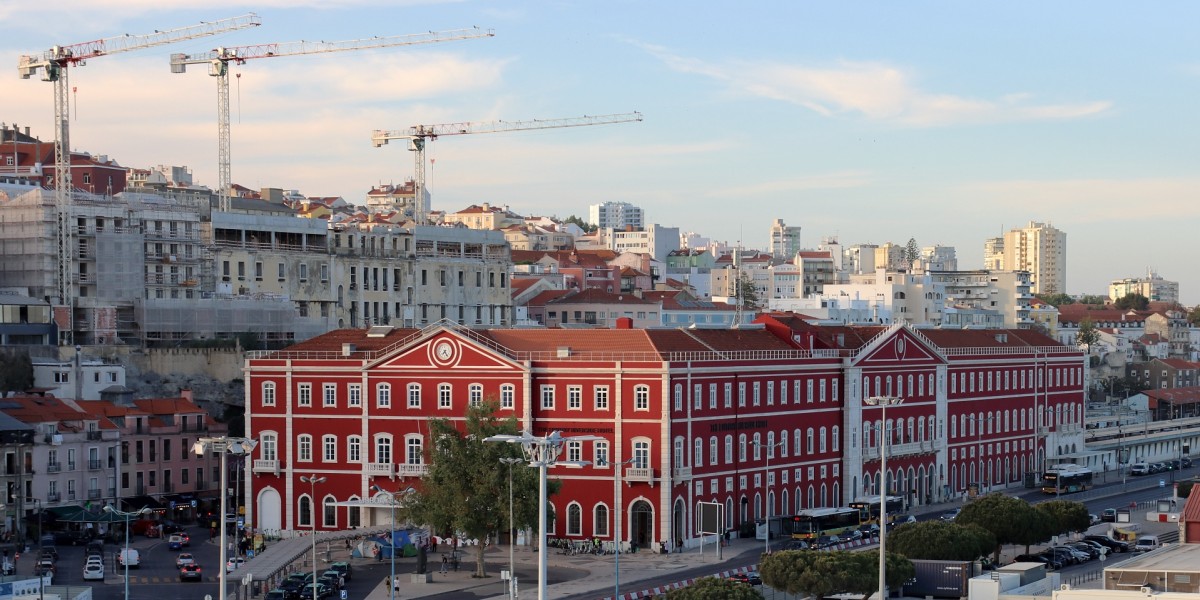
Busy metro lines and stations see the classic bump‑and‑grab and last‑second door snatch. Tram 28E is both scenic and crowded, so thieves work the jams at popular stops. Late evenings at transport nodes feel fine with normal awareness. If a platform is heaving, people space out mid‑carriage, and the calmer atmosphere makes it easier to hold your ground.
Outlying districts after dark
Peripheral estates and industrial strips can feel quiet late at night, even if they’re peaceful by day. The main roads and bus corridors keep lighting and movement, which usually feels more comfortable.
Is Lisbon safe to live: choosing a neighbourhood and setting up safely
When choosing to live in Lisbon, day‑to‑day life, lighting, footfall, and transport links matter more than labels. Testing a few evening walks around your target streets gives a better read than any map. Homes near main roads and squares have more people around at night, though that can mean extra noise. Short‑let churn in central buildings can weaken entry security and parcel management, so shared parcel lockers or courier pick‑up points are helpful.
Choosing a home location for safety and convenience
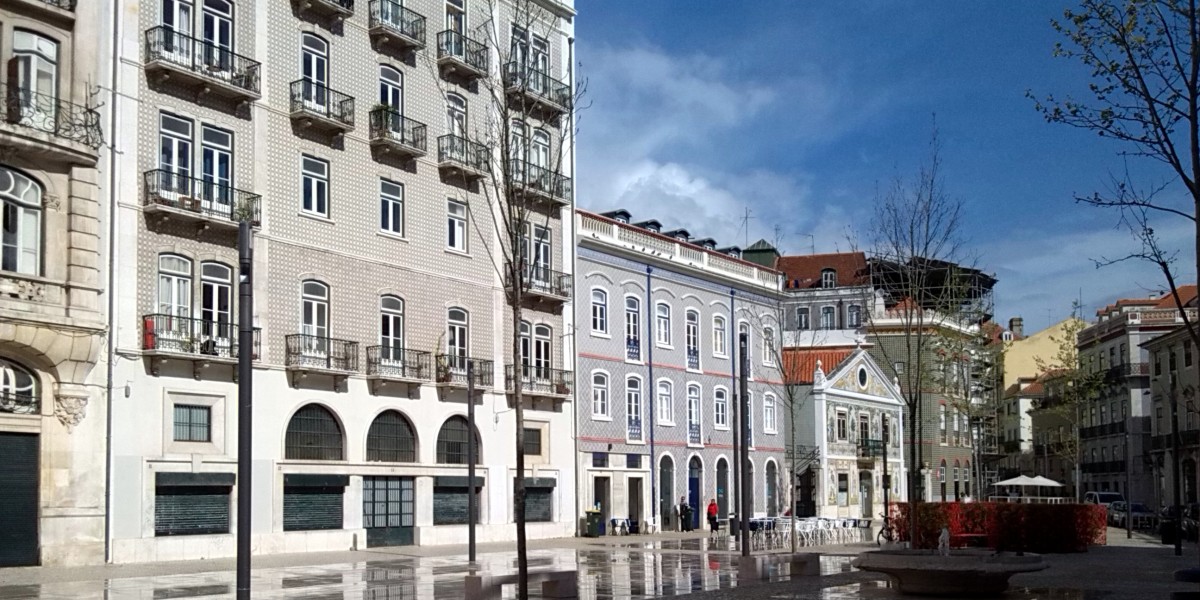
Living close to a Green, Yellow or Blue line stop usually means brighter lighting, steady footfall and easier late returns. Main arteries like Avenida da Liberdade, Avenida Almirante Reis and Avenida 24 de Julho stay active longer than side lanes, so an evening walk home tends to feel more comfortable.
Crowd flows change on event nights, so it helps to know the pinch points. Football at Estádio da Luz and Estádio José Alvalade, big shows at Altice Arena and demonstrations on Avenida da Liberdade all shift foot traffic and transport queues. Many expats gravitate to Avenidas Novas, Saldanha, Campo de Ourique, Estrela or Príncipe Real for that mix of convenience and an easy walk home.
Building security, parcel theft and insurance basics
Older buildings in the centre rarely have a doorman, so a solid street door, video intercom and good lighting in the lobby do a lot of the heavy lifting. Where there’s heavy short‑let turnover, a simple building WhatsApp and a clear parcel policy reduce random buzzes and missed deliveries.
Bikes and e‑scooters are best stored indoors. Theft is opportunistic near hubs like Cais do Sodré, Entrecampos, Oriente and Sete Rios, so two quality locks is the norm.
Family considerations: schools, parks and busy roads
Families tend to favour neighbourhoods with wide pavements and calmer traffic, such as Alvalade around Avenida de Roma, Campo de Ourique’s grid of tree‑lined streets, or Parque das Nações with its riverfront promenades and cycle paths. Parks like Jardim da Estrela and Parque Eduardo VII buzz all afternoon, and Monsanto offers space for bikes and picnics.
Stay in the know about living in Portugal as a foreigner—get our weekly newsletter for the latest travel, legal, and lifestyle news.