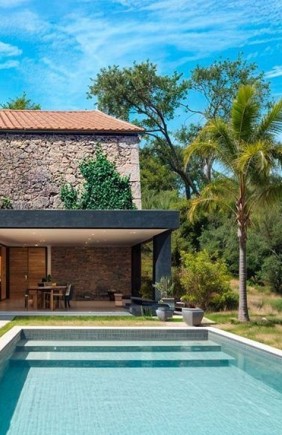
Portuguese wine is having a real moment, and the best wine routes in Portugal put you close to that energy. Wine tourism here means slow weekends on the river, drives through cork forests and evenings in small towns where the local taverna still knows every regular. Each region has its own rhythm, flavours and price tag, so the real question is which route to try first, not whether to go at all.
A quick pour of the best wine routes in Portugal
- Douro Valley – Terraced vineyards, Port and dry reds, river cruises and scenic train rides from Porto.
- Alentejo – Big-shouldered reds, increasingly serious whites, cork forests and quiet villages.
- Vinho Verde – Light, fresh whites, especially Alvarinho, easy trips from Porto and Braga.
- Setúbal Peninsula – Sweet Moscatel de Setúbal, coastal hills, beaches and seafood near Lisboa.
How to choose the right Portuguese wine route
If it’s your first wine trip to Portugal, the Douro is the classic choice, especially if you want to mix vineyard visits with a river cruise. Alentejo suits you if you prefer slow travel. Vinho Verde is better for lower-alcohol wines, while Setúbal works well if you want wine paired with beaches.
Budget-wise, Douro and Setúbal can feel pricier in high season, while inland Alentejo and parts of Vinho Verde still have more down‑to‑earth prices.
When is the best time of year for wine tourism in Portugal?
Late spring and early autumn are generally the most comfortable, with warm days and cooler nights. July and August can be very hot inland, particularly in Alentejo, and more crowded in Douro and Setúbal. And winter can be atmospheric but wetter, with some estates reducing visiting hours.
Douro Wine Region
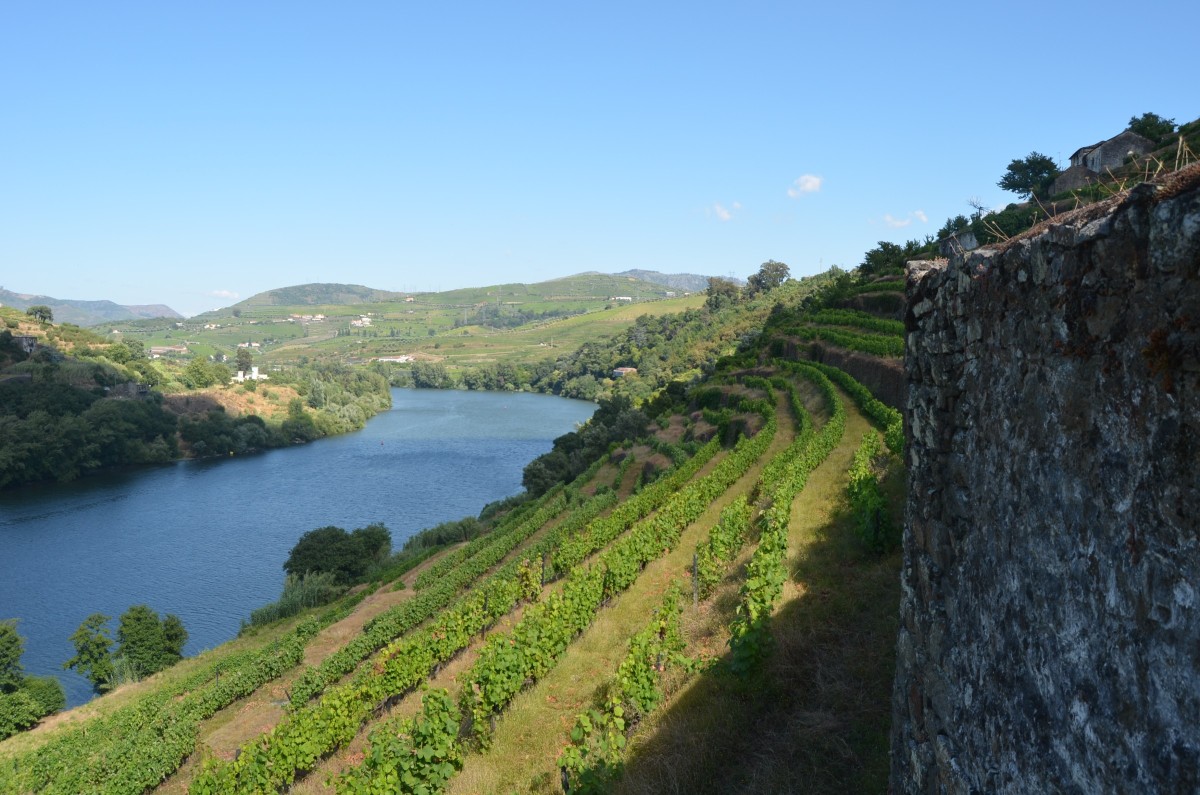
The Douro and its quality vineyards are the place most visitors picture when they think about wine in Portugal. Picture terraces stacked high above the river, old quintas and that slightly unreal light at the end of the day.
In 2026, it’s busy but still worth it, especially if you avoid the peak of August and book tastings ahead. Aim for at least two nights, so you can combine one day on the water with another visiting estates and viewpoints. If you become completely enamoured with the place, you could always explore what it's like to live in the Douro Valley, so you're never far from the golden nectar.
Key towns and areas along the Douro
- Peso da Régua – often called the “capital” of the Douro, it’s a practical base with riverfront walks, boat departures and the Douro Museum.
- Pinhão – smaller and more scenic, surrounded by some of the most dramatic terraces. The train station with its azulejo panels is worth a stop.
- Lamego – a historic hill town a short drive from the river, with a sanctuary on the hilltop and vineyards all around.
- Vila Nova de Foz Côa – further inland, and a good base if you’re curious about the Côa Valley rock art as well as wine.
Find your holiday rental in the Douro Wine Region
Alentejo Wine Region

Alentejo stretches across a huge chunk of inland Portugal, so the wine routes here feel wide open. These days, more estates are focusing on sustainability and experimenting with amphora ageing. The region’s profile has grown even more since being nominated European Wine City for 2026, so you can expect plenty of events centred around wine this year.
Main Alentejo wine sub-regions
- Borba – plenty of co‑operatives and private producers making structured reds and easy‑drinking whites.
- Évora – a UNESCO‑listed city with Roman and medieval layers, and a handy base if you want culture plus vineyards.
- Portalegre – up near the Serra de São Mamede, with higher altitudes and cooler nights that produce more aromatic reds and whites.
- Redondo – surrounded by vineyards and cork oak, and somewhere to consider if you want a smaller town base with a handful of wineries close by.
- Vidigueira – further south, known for fresh whites and the revival of traditional clay amphora wines.
Explore holiday rentals or property for sale in Alentejo
Vinho Verde Region
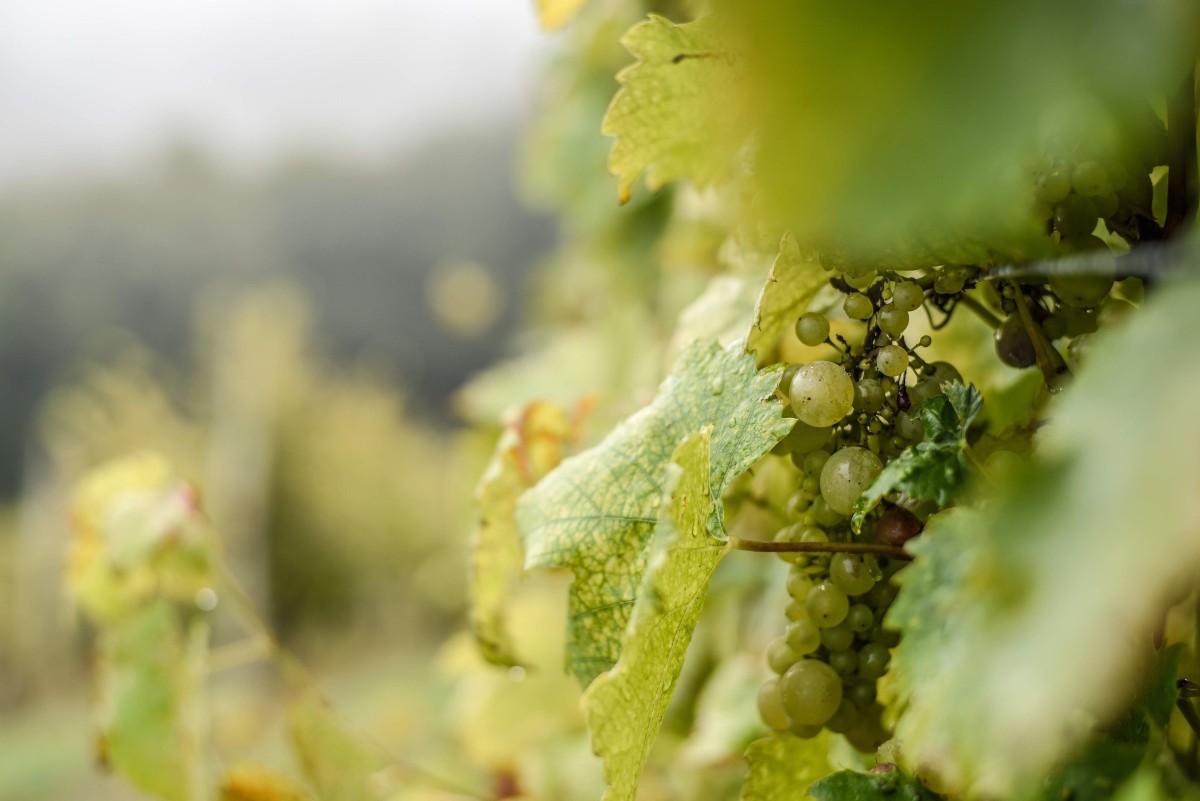
The Vinho Verde region spreads across the northwest, with a cooler, greener feel and a strong Atlantic influence. The wines are usually lighter in alcohol, often with a slight spritz and lots of citrus and orchard fruit notes. It’s a good choice if you want shorter days out from Porto or Braga, or if you prefer fresh whites and lower prices to heavy reds and fancy wine hotels.
Key Vinho Verde sub-regions to visit
- Amarante – a historic town on the Tâmega River, with wines that tend to be fresh and fruity.
- Baião – produces some elegant whites in a landscape of hills and smallholdings.
- Monção e Melgaço – right up near the Spanish border, this is where you go if you’re specifically curious about serious, age‑worthy Vinho Verde.
- Lima – centred around Ponte de Lima, often described as one of Portugal’s prettiest small towns.
- Ave – further south in the region, with a mix of wine traditions and easy access from cities like Europe's 2026 green capital, Guimarães, or Braga.
Find holiday rentals in Vinho Verde Wine Route
Wine Region of the Setúbal Peninsula
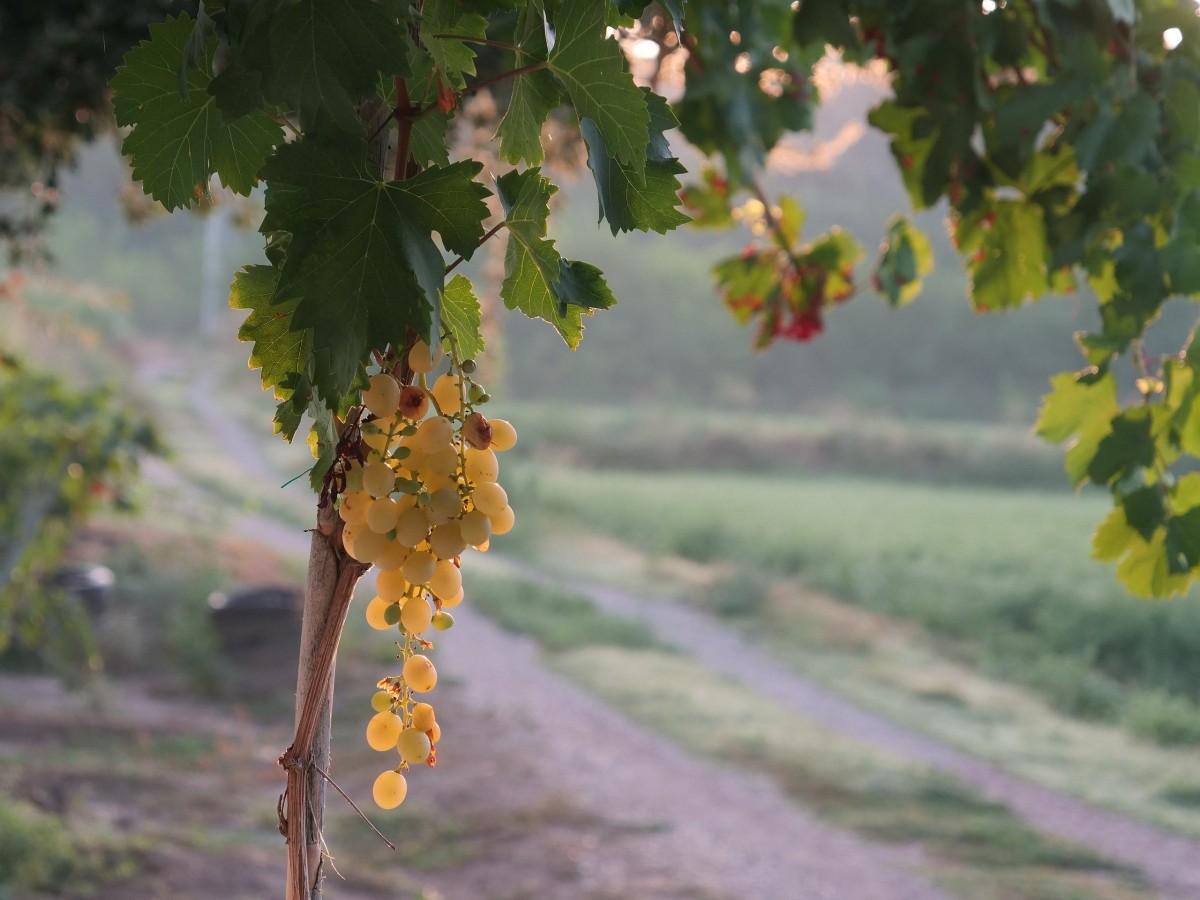
South of Lisbon, across the Tejo, the Setúbal Peninsula is compact but varied. It has plenty of vineyards, beaches, the Arrábida hills and a strong seafood tradition. The area’s signature wine is Moscatel de Setúbal, a sweet fortified wine with notes of orange peel and caramel, but you also find serious reds and fresh whites.
Main wine and food spots in Setúbal
- Setúbal – a working port city with a growing food scene and a long tradition of Moscatel production.
- Palmela – a hilltop town with a castle and vineyards all around, producing structured reds and whites.
- Azeitão – a village at the foot of the Arrábida hills, associated with both cheese (especially Queijo de Azeitão) and wine.
Check out holiday rentals in Setúbal
Madeira: island wines and historic lodges
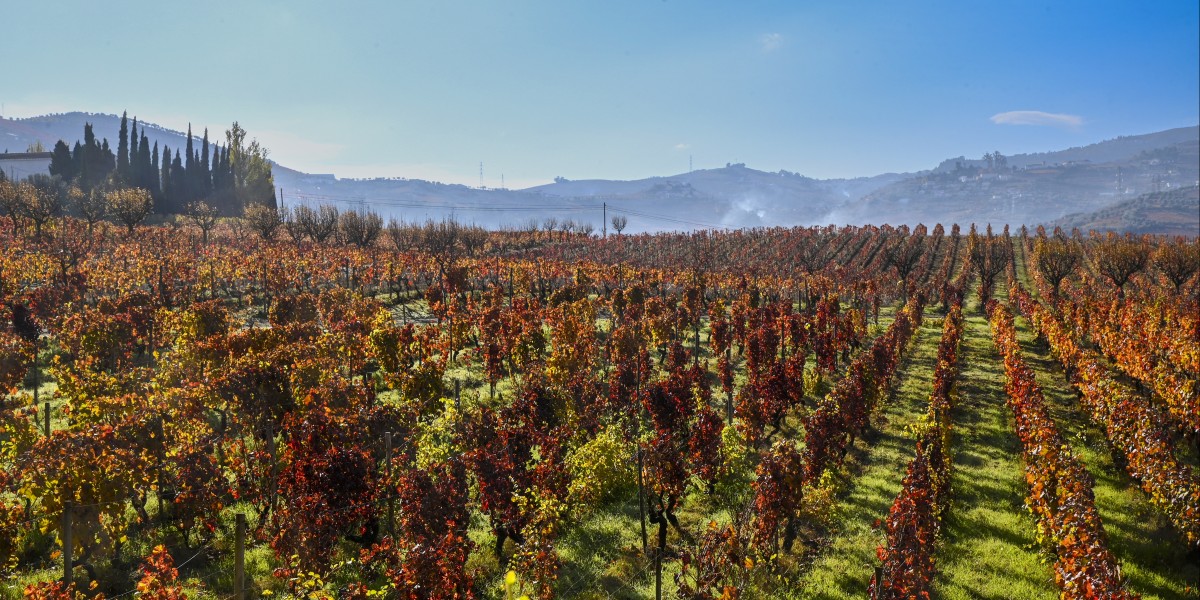
Madeira sits off the mainland in the Atlantic, but it deserves a place on any list of Portuguese wine trips. The island’s fortified wines age for years – sometimes decades – and producers such as D’Oliveiras have drawn fresh attention after recent international awards.
Where to taste Madeira wine
Funchal is the natural base, with historic cellars where you can tour ageing rooms and compare different styles side by side. Tastings often include older vintages, so it feels closer to a museum visit than a standard winery tour.
Stay inspired for your travels in Portugal —get our weekly newsletter for the latest travel, legal, and lifestyle news.
For a taste of the high life, sign up for the monthly luxury market round-up.