When people talk about green wine in Portugal, they mean Vinho Verde, not some weirdly coloured drink. It is one of the most easy‑going, affordable styles around, especially in the north and around the ciy of Porto. The “green” bit is about youth and freshness rather than colour, so expect pale whites and soft rosés rather than anything literally green.
What Portuguese green wine actually is
Vinho Verde is a DOC wine region in northern Portugal and the name of the wine style itself. The word “verde” here means young and lively, because traditionally these wines were released and drunk quite quickly after harvest. Among Portuguese wines, it sits in a sweet spot of everyday value, which is why it pops up at so many barbecues, casual dinners and along popular Portuguese wine routes.
You will bump into all sorts of names for the same thing if you shop outside Portugal. Supermarket shelves and websites throw around “green wine”, “Portuguese green wine” and “green wine Portugal”, plus misspellings like vino verde, vino cerde, and vihno verde.
Where Vinho Verde comes from in Portugal
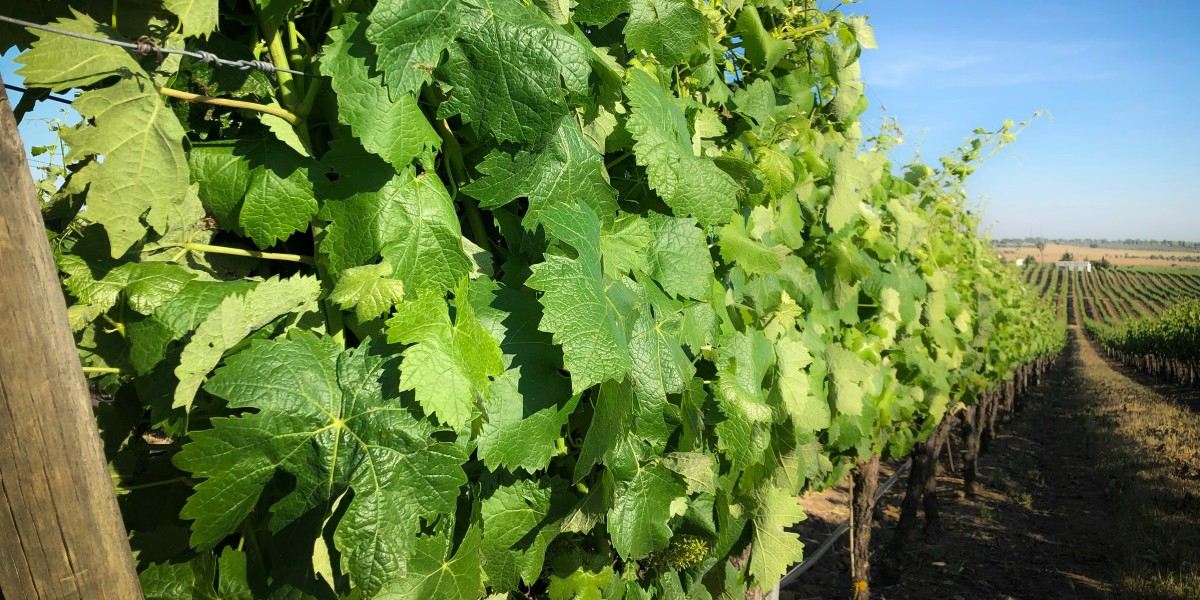
The Vinho Verde region sits in the far north‑west of Portugal, between the Atlantic and the Spanish border above Porto. It is a lush, rainy corner of the country, cut through by rivers like the Minho and Lima. Technically, the DOC is divided into several sub‑zones, each with slightly different microclimates and preferred grapes. The cool maritime climate means grapes ripen slowly, keep lots of acidity and do not usually build up very high sugar or alcohol levels.
- Property for sale in the Vinho Verde region
- Long-term rentals in the Vinho Verde region
- Holiday rentals in the Vinho Verde region
Grapes used in Portuguese green wine
Part of what makes Vinho Verde fun is that it relies on local Portuguese grapes that barely show up elsewhere. These varieties tend to have naturally high acidity and fairly delicate aromatics.

The main white grapes you are likely to see on labels are:
- Alvarinho – the star grape in many people’s eyes, giving slightly fuller wines.
- Loureiro – very aromatic, often smelling of lemon, lime and white flowers.
- Arinto (Pedernã) – brings sharp, lemony acidity and a crisp, mineral feel.
- Avesso, Trajadura, Azal – used mainly in blends to add body, softness or extra zip, depending on the vineyard and style.
What Vinho Verde tastes like
In the glass, most Vinho Verde is all about bright acidity, light body and clean, citrus‑driven flavours. Think lemon, lime, green apple and occasionally a bit of peach, rather than tropical fruit or heavy oak.
Alcohol levels are usually modest, often somewhere in the 9–11.5% range, which is one of the reasons locals are happy to drink it at lunch or in the heat.
A slight spritz is part of the style in many bottles, especially at the budget end. Sometimes that comes from a bit of natural carbon dioxide left from fermentation, and sometimes from a small amount of added CO₂ to keep that tingly edge.
White, rosé and red Vinho Verde
- White Vinho Verde is the style you will meet most often in Portugal and abroad. It is pale, citrusy, and sometimes with a hint of green apple or herbs.
- Rosé Vinho Verde has become a bit of a summer favourite, especially in supermarkets abroad. Many versions are just a touch off‑dry, which makes them smooth and very approachable on their own.
- Red Vinho Verde is the wildcard, and most visitors only encounter it if they head into the countryside in the north. It tends to be quite dark in colour, with sour cherry and dark berry notes.
How Vinho Verde is made
The way Vinho Verde is made is designed to keep it light, bright and very drinkable.
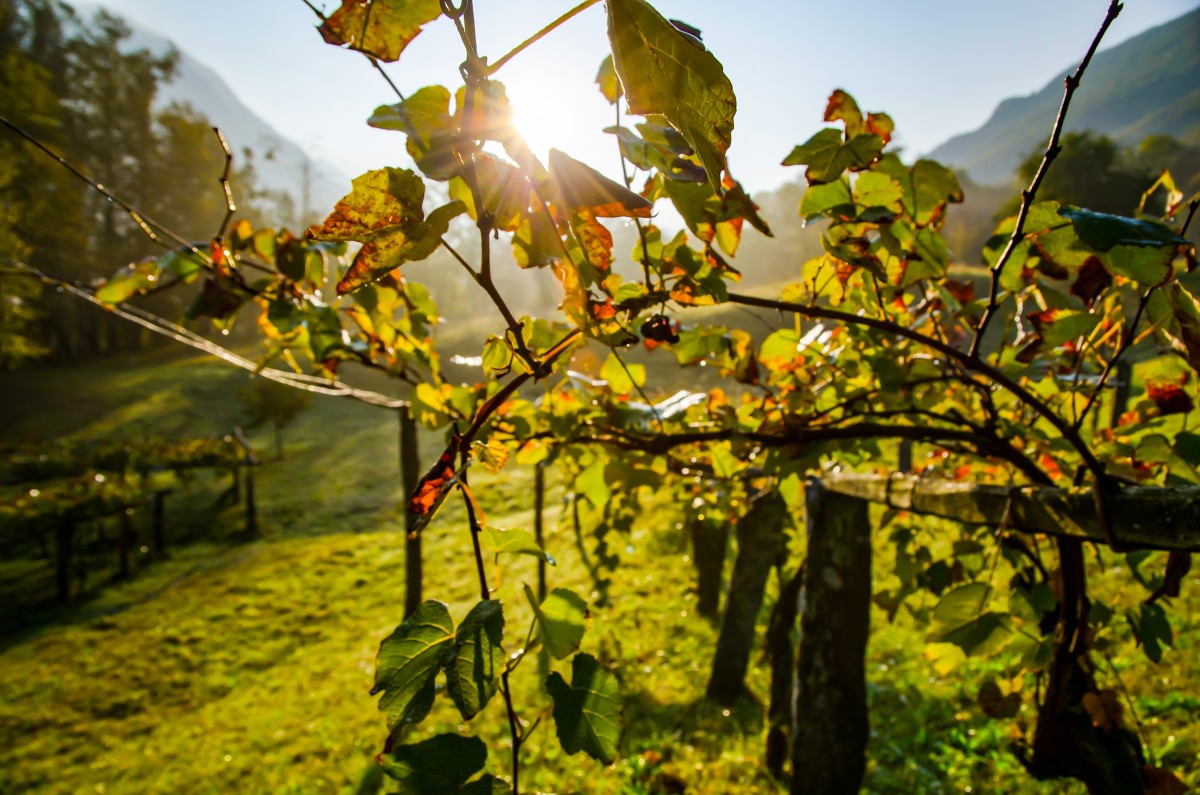
- Grapes are often picked a little earlier than they might be in warmer regions, so they hang onto acidity and do not develop too much sugar.
- In the winery, cool fermentation in stainless‑steel tanks is the norm, which protects all those citrus and green‑fruit aromas rather than adding anything heavy.
- The wines are usually bottled quite young, which is where that “green” or youthful character comes from.
Food pairings: what to eat with green wine in Portugal
Green wine comes alive when there is food on the table, especially if it involves seafood.
- In the north of Portugal, you will see it poured next to grilled sardines, plates of prawns, clams in garlic and coriander, various bacalhau dishes and simple fried fish.
- It is also a regular partner for petiscos‑style snacks, tinned fish and lighter cheeses.
- It holds its own surprisingly well with the sort of food many expats and travellers gravitate towards. Sushi, poke bowls, light Thai or Vietnamese dishes, and a lot of vegetarian cooking sit happily alongside a cold glass of Vinho Verde.
Buying Portuguese green wine in Portugal and abroad
From a practical angle, Vinho Verde is one of the easiest Portuguese wines to pick up and experiment with. In Portugal itself, almost every supermarket and neighbourhood shop will have a cluster of bottles, many of them in the €3–€5 range. You can also find it at Portugal's wine festivals during the harvest season.
In the UK, Germany, the US and elsewhere, you will see Vinho Verde in large chains like Lidl, Aldi, Tesco and their equivalents, sometimes under own‑label brands. If you want to move beyond the absolute basics, look for “DOC Vinho Verde” on the label plus a named grape variety. And for a taste of other Portugal's quality wines, sip on a glass of Madeira's finest, recently named the top wine producer in the world.

Stay in the know about all things Portugal—get our weekly newsletter for the latest travel, legal, and lifestyle news.
For a taste of the high life, sign up for the monthly luxury market round-up.