Portugal keeps coming up in conversations about slowing down, stretching a pension, and finding a place that still feels liveable year‑round. For anyone weighing up where to retire in Portugal for better value, the question is no longer whether the country works, but which parts still do.
- Why Portugal keeps topping retirement rankings in 2026
- Retiring to coastal vs inland Portugal comparison
- Housing costs in 2026: coastal vs inland Portugal
- Climate & lifestyle
- Healthcare access and everyday services
- Getting around: airports, trains, and local transport
- Expat communities vs “authentic” local life
Why Portugal keeps topping retirement rankings in 2026
Portugal has been ranked as the safest country for retirement in 2026, which goes a long way towards explaining why demand keeps building rather than levelling off.
That sense of security is feeding into buying trends, particularly from abroad. The number of Americans living in Portugal rose by 36% in a single year, a jump that has had a visible impact on housing demand in places already popular with foreign buyers. Irish retirees are also arriving in higher numbers than ever, often drawn by a familiar pace of life, direct flight connections, and a climate that feels gentler.
What’s changed is that not everyone is heading to the same places anymore. Rising prices in coastal hotspots have pushed many retirees to look inland or just off the tourist trail, as the cost of retiring in Portugal shifts.
Retiring to coastal vs inland Portugal comparison
Factor | Coastal Portugal | Inland Portugal (Alentejo, central regions) |
|---|---|---|
Housing costs | Higher prices in established areas, with select neighbourhoods now pushing beyond €6,000 per m² | Lower prices across most towns and villages, with more space for the same budget |
Climate | Milder year‑round thanks to Atlantic influence, cooler summers and softer winters | Hotter, drier summers and more pronounced seasons |
Healthcare access | Easier access to hospitals, private clinics and English‑speaking doctors | Good coverage in regional cities, but smaller towns often mean longer drives for specialist care |
Expat presence | Well‑established international communities, social clubs and services in English | Fewer foreigners overall, more Portuguese‑language‑led daily life |
Day‑to‑day pace | Busier, especially in tourist seasons, with more services and amenities | Quieter and slower, particularly in villages and smaller inland towns |
Housing costs in 2026: coastal vs inland Portugal
Housing is where the coastal–inland divide is most obvious, and it’s also where expectations tend to get recalibrated fastest. Unsurprisingly, the top locations for foreign buyers in Portugal tend to be by the sea in southern Portugal and Madeira.
Coastal hotspots
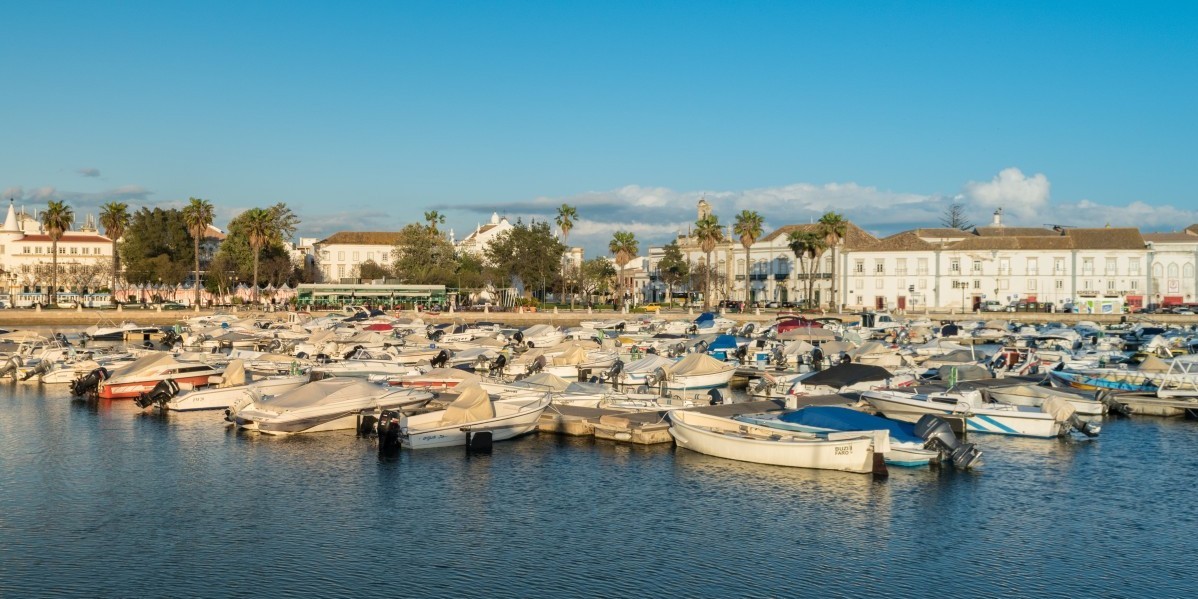
The Algarve property hotspots in 2026 centre around the Golden Triangle, where prices are pretty steep. However, even within the Algarve, there are lower‑priced pockets not too far from the coast.
For example, Alcoutim, a quiet riverside municipality on the Guadiana, has average prices of about €1,134 per m² - some of the lowest housing prices in the Algarve. So there are still places in the Algarve with property for under 100k, but don't expect sea views or a newly renovated pad.
Location | Average price | What this reflects |
|---|---|---|
Faro | €3,899 per m² | Regional capital with year‑round life, airport access, steady demand |
Albufeira | €3,906 per m² | Tourism‑led market with strong rental appeal and seasonal swings |
Lagos | €4,486 per m² | Popular with retirees and remote workers, historic centre and coastline |
Almancil | €5,942 per m² | Golden Triangle pricing, close to Quinta do Lago and Vale do Lobo |
Cascais | €5,614 per m² | Lisbon commuter belt with prime micro‑areas exceeding €8,000 per m² |
Prices are 2025 averages from idealista's price reports
Better‑value inland areas
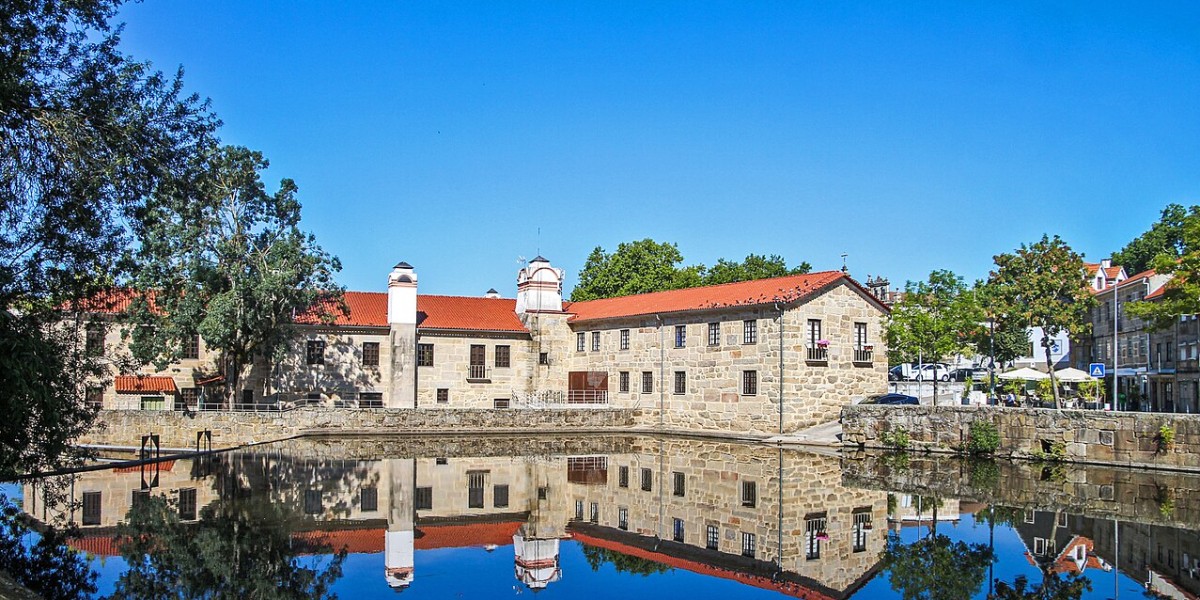
Away from the coast, housing costs drop sharply. It’s no coincidence that many of the cheapest places to buy property in Portugal sit inland, where prices reflect local demand rather than international competition.
Looking at the best places to live in the region of Alentejo quickly shows just how wide the gap has become between property prices inland and along the coast.
Location | Average price (January 2026) | What this reflects |
|---|---|---|
Centro (region) | €1,734 per m² | Broad regional average covering inland cities, towns and rural areas |
Alentejo (region) | €1,972 per m² | Mix of historic cities, market towns and countryside, generally good value away from hotspots |
Évora (Municipality) | €1,602 per m² | Historic inland city with services, hospital access and stable local population |
Viseu (Municipality) | €1,344 per m² | Well‑run inland city, good infrastructure, low foreign buyer pressure |
Guarda (Province) | €851 per m² | Mountainous interior area, colder winters and limited demand |
Bragança (Province) | €924 per m² | Remote north‑eastern interior, ageing population and very low prices |
Prices are 2025 averages from idealista's price reports
What you get for your budget
- Along the coast, €4,000–€6,000 per m² often translates into a fairly standard apartment of 70–90 m² in places like Lagos or Almancil.
- Inland, €1,300–€1,600 per m² in towns such as Viseu or Évora can mean a larger flat, a townhouse, or even a small property with land.
- In villages under €700 per m², space is plentiful, but convenience drops off quickly, and renovation work is common rather than exceptional.
Climate & lifestyle

Coastal Portugal
Along the Algarve and the Silver Coast, the Atlantic keeps temperatures fairly even throughout the year. Summers are generally more comfortable than inland, especially near the sea, and winters tend to be mild enough that heavy heating is rarely needed.
However, one of the cons of living in the Algarve is the tourism. From late spring through early autumn, prices edge up, and everyday errands can take longer due to crowded spots.
Inland & “second line” towns
Inland areas have a more continental feel, with hotter, drier summers and clearer seasonal shifts. The heat can be intense in July and August, especially in towns away from rivers or higher ground, but daily life is noticeably calmer once the coast fills up.
Outside the summer months, inland towns often feel steadier and more local, with fewer seasonal closures and a rhythm that suits people who prefer routine over buzz.
Healthcare access and everyday services
- Larger coastal centres and the Lisbon outskirts tend to have quicker access to hospitals, private clinics and diagnostic services.
- Areas with high foreign populations, including much of the Algarve and Madeira, tend to have more English‑speaking doctors and private clinics familiar with international patients.
- Inland regional cities are generally well served by public hospitals and basic specialist care. Smaller inland municipalities often rely on regional hospitals, meaning longer drives for emergencies or specialist appointments.
Getting around: airports, trains, and local transport
Coastal access
Portugal’s main airports sit on or near the coast, making life easier for retirees who travel regularly. Coastal areas also benefit from stronger infrastructure, with better motorways, rail links and more frequent public transport.
Inland realities
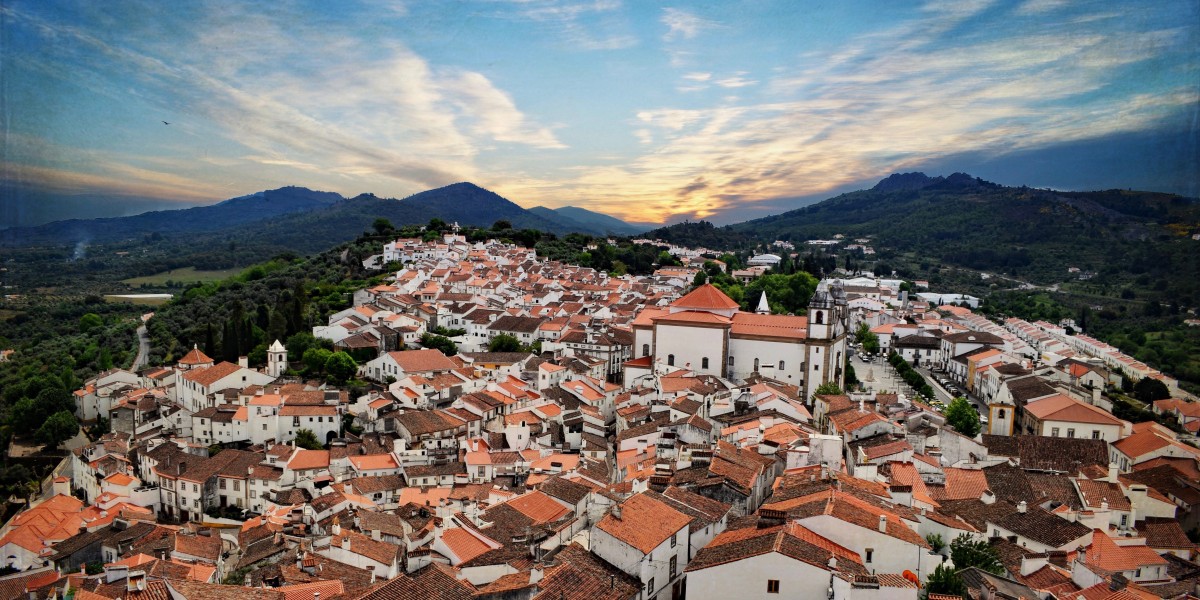
Cities such as Viseu and Évora are well connected by road, but public transport becomes patchy in smaller towns. In places like Sabugal or Mangualde, daily life is far simpler with a car, especially for shopping and medical appointments.
How often you really need an airport
For frequent trips back to the UK, US or Germany, staying within 60–90 minutes of Lisbon, Porto, or Faro can make life easier, even if that means living slightly inland. If travel is occasional, deeper inland areas reward that flexibility with noticeably lower housing costs.
Expat communities vs “authentic” local life

Coastal retirement hubs
Foreign demand remains strongest in specific coastal and island locations. These places tend to have established social circles, international restaurants and everyday services geared towards non‑Portuguese residents.
Inland Portugal
Further inland, foreign retirees are rare and daily life runs firmly in Portuguese, which many people find rewarding but not always easy.
-------------------
Stay in the know about living in Portugal as a foreigner—get our weekly newsletter for the latest travel, legal, and lifestyle news.
For a taste of the high life, sign up for the monthly luxury market round-up.