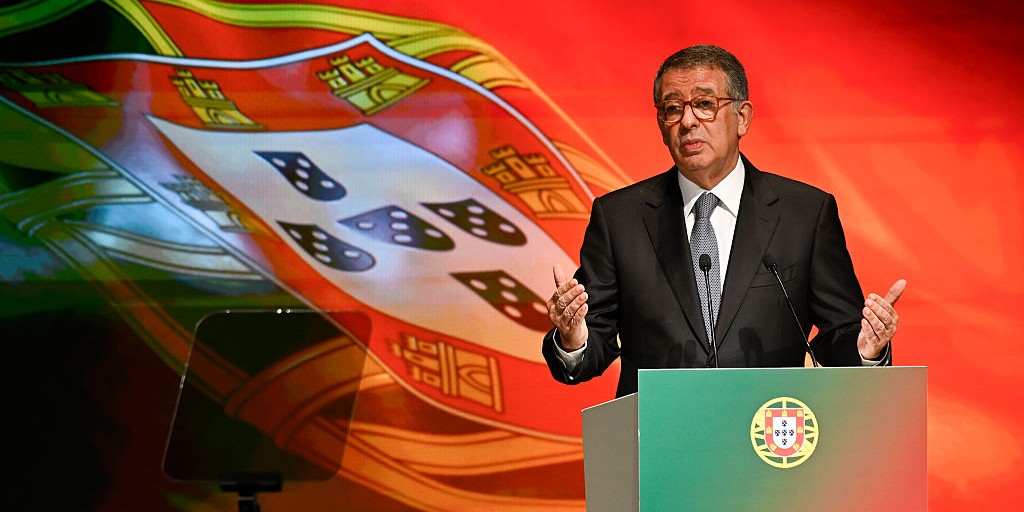
On the night of 8 February 2026, António José Seguro won the second round of Portugal’s presidential elections with around 67.12% of the vote, defeating his opponent André Ventura, who received approximately 32.88%.
It was one of the largest victory margins ever seen in a race for the Belém Palace. While the political significance of the result dominated headlines, public interest quickly turned to a more personal question: who is the man now heading the nation? And where does he live?
Who is António José Seguro?
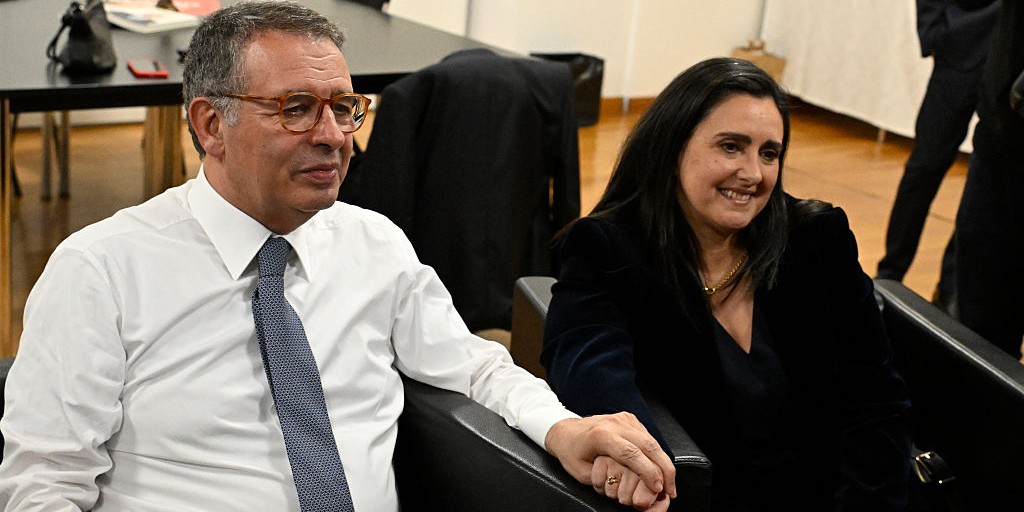
António José Martins Seguro was born on 11 March 1962 in Penamacor, in inland Portugal. He began his political career in the district of Castelo Branco, where he became active in the Socialist movement at a young age.
Over the years, Seguro has built a solid political profile, focusing on social cohesion, regional development, and civic participation. He is widely recognised as a key figure within the Socialist Party (PS) and Portuguese politics in general.
Early political career
- Leader of the Socialist Youth (1990–1994), the youth organisation of the PS.
- President of the National Youth Council and the European Union Youth Forum.
- Vice-President of the International Union of Socialist Youth.
These roles laid the foundation for his later work in government and Europe.
Government and national politics
- Member of Parliament between 1991 and 1995.
- Secretary of State for Youth (1995), later Deputy Secretary of State to the Prime Minister under António Guterres.
- Took part in shaping the Socialist Party’s electoral strategy during the late 1990s.
Career in the European Parliament
Between 1999 and 2001, Seguro was a Member of the European Parliament (MEP):
- Co-author of the European Parliament report on the Treaty of Nice and the future of the EU.
- Held leadership roles within the European socialist group.
- Chaired delegations for international relations with multiple regions.
Leadership roles in the Socialist Party
- Minister Adjunct to the Prime Minister (2001–2002).
- Led the PS parliamentary group in the Assembly of the Republic.
- Coordinated the Parliamentary Reform Process in 2007.
- Secretary-General of the Socialist Party (2011–2014), leading the party in opposition.
After losing the leadership to António Costa in 2014, Seguro stepped back from active party politics.
Life outside politics
- University lecturer and researcher.
- Media commentator and author of books on politics and democracy.
- Notable works include A Reforma do Parlamento Português – o Controlo Político do Governo (2016) and Compromissos para o Futuro (2011).
Where does António José Seguro live?
Now that Seguro is President, the public is naturally curious about his residence.
Although the Belém Palace is the official home of Portugal’s President, Seguro has long-standing ties to Caldas da Rainha, in the district of Leiria, where he and his family have built their permanent home.
In an interview with Expresso, he said:
“I will continue to live in Caldas [da Rainha].”
His main priority is to remain close to his family, though he will stay overnight in Lisbon whenever official presidential duties require it.
Personal life
- Born in Penamacor, youngest of three children.
- Parents, Domingos Sanches Seguro and Maria do Céu Martins, were deeply rooted in rural Portugal.
- Married Maria Margarida Nave Nunes Maldonado Freitas, a pharmacist, in 2001.
- The couple has two children: Maria and António.
- The family has lived for more than 20 years in Caldas da Rainha, which remains their permanent home.
Fun fact: Seguro will take office exactly 40 years after Mário Soares, the first socialist President of Portugal, was sworn in on 9 March 1986, also following a second-round election.
Life in Caldas da Rainha
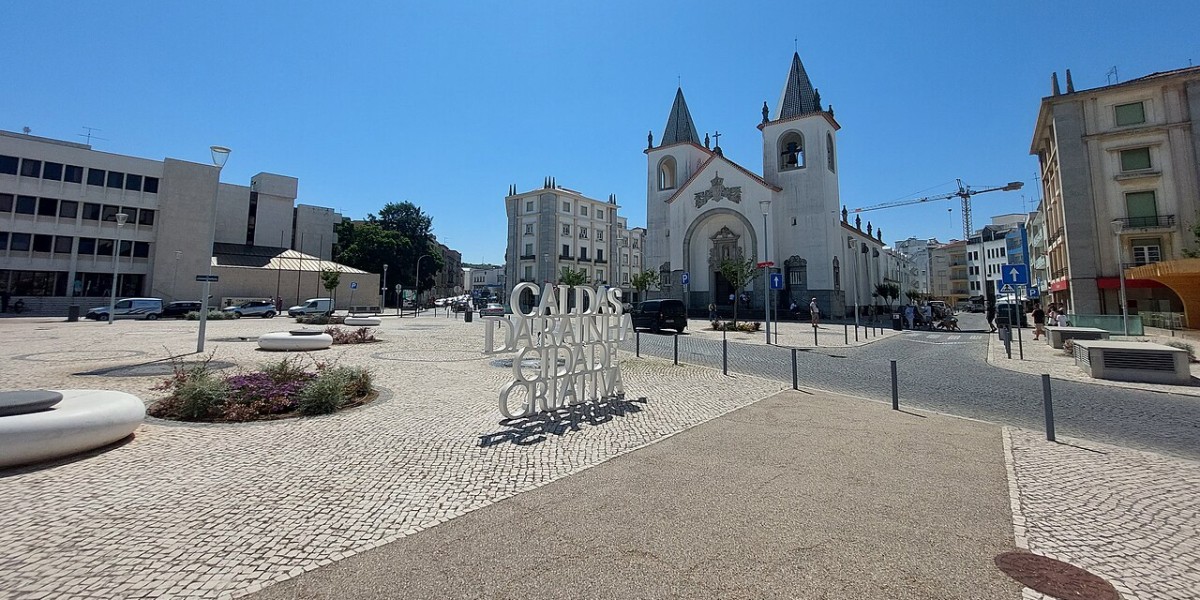
Living in Caldas da Rainha combines the calm of a medium-sized city with a strong cultural identity and community spirit.
Highlights include:
- Historic thermal spa tradition.
- Rich artistic heritage, especially in ceramics.
- Museums such as the José Malhoa Museum and the Ceramics Museum.
- Legacy of artist Rafael Bordallo Pinheiro.
Public spaces like Praça da Fruta, Portugal’s oldest daily open-air market, and Dom Carlos I Park encourage social life, outdoor events, and community gatherings.
The city offers a more affordable lifestyle than many larger Portuguese centres, with easy access to the west coast, including Foz do Arelho and the Óbidos Lagoon, popular for walks, water sports, and weekend escapes.