The Algarve keeps coming up whenever people talk about the best coastal places to move to in Portugal, and it’s not hard to see why. If you’re weighing up the reasons to live in the Algarve, think long, bright days by the Atlantic, a slower daily rhythm, and the practical side of life covered with decent services and transport. Add a long‑standing expat community and property prices that can still feel reasonable compared with other European sunspots, and this stretch of Portugal’s south has a strong pull for people from across Europe and beyond.
Existing expat community
The Algarve has an established expat community, especially strong in coastal towns such as Lagos, Albufeira, Portimão, Vilamoura and around Faro. You’ll meet people from the UK, Germany, the Netherlands, Ireland, Scandinavia and increasingly from the US and Canada.
There are social clubs, hobby groups, business networks and language exchanges that help newcomers plug in quickly. English is widely spoken, especially in services, which makes everyday life easier at the beginning while you get used to Portuguese. That combination of support networks and an international crowd means the Algarve can feel less intimidating than moving to a more isolated part of the country.
Climate
The Algarve’s weather is one of its biggest selling points. The region generally sees more than 300 days of sunshine a year, with dry summers and relatively mild winters. Average temperatures sit around 15°C in winter and climb to roughly 30°C in summer, so eating outside, sea swims and evening walks are all part of normal life for most of the year.
What is the Algarve like in winter?
Autumn usually stays pleasantly warm into October, with averages around 24°C. From November to February, humidity increases and temperatures drop, with typical daytime highs of about 16–17°C and lows of 10–11°C. In the sun, it can feel closer to 20°C, while the shade is noticeably cooler but rarely truly cold. Expect around 5–6 hours of sunshine a day in winter, compared with roughly 11 hours in summer.
Healthcare
Residents in the Algarve can use Portugal’s national health service (SNS) through public hospitals and local centros de saúde, alongside a growing private healthcare network. Public care is generally affordable and well regarded, although waiting times can vary by area and speciality.
Many expats take out private health insurance to access shorter waits and a wider choice of doctors and clinics. For a region that is relatively far from Lisbon and Porto, the Algarve performs well for healthcare access, which is reassuring if you’re moving with children or planning to retire here.
Entertainment
Yes, there are world-class beaches and golf courses, but day‑to‑day life in the Algarve has more variety than that. You can wander the Old Town in Lagos, climb up to the castle in Silves, join a boat trip to the caves near Benagil, or escape inland to the Monchique hills for cooler air and walking trails.
On top of that, you’ve got marinas such as Vilamoura and Portimão with bars and restaurants, open‑air markets selling local produce, and a steady stream of food, wine and music events throughout the year. For evenings out, there are theatres, cinemas, live music venues and late‑night spots in the larger coastal towns, so you’re not short of things to do in the Algarve once the beach towel is packed away.
Safety
Portugal regularly appears in rankings of the safest countries in the world, and the Algarve tends to feel particularly calm and low‑key. Crime rates are relatively low, and there is a visible police presence in resort areas, especially over the summer. This sunny stretch of coast is one of the safest spots in Portugal for settling down.
Many beaches meet strict safety standards, with lifeguards on duty in season and several stretches of coast recognised by the European Blue Flag programme. Combined with decent infrastructure and reliable emergency services, this makes the region a solid choice if you’re moving with children or planning to live alone and want to feel secure.
Residency
How easy it is to move to the Algarve depends on your passport and personal circumstances:
- EU/EEA/Swiss citizens can live and work in Portugal relatively easily, following a simple local registration process once they arrive.
- Non‑EU citizens generally need a visa or residence permit, for example, for work, family reunification, study, retirement or remote work, depending on the current rules.
Portugal’s immigration and tax regimes have been through a lot of changes in the last few years. Well‑known schemes such as the Golden Visa, the D7 visa, and the Non‑Habitual Resident (NHR) regime have been revised or restricted, and the government has discussed further reforms several times. If you’re planning a move in 2026, it’s worth checking the latest information on official Portuguese government sites or speaking to an immigration or tax specialist before making decisions.
Cost of living
The cost of living in the Algarve is still usually lower than in many parts of Northern and Western Europe, but it has increased in recent years, especially in well‑known coastal hotspots. Everyday expenses like groceries, public transport and a simple coffee at a local café generally feel reasonable compared with prices in cities such as London, Dublin or Munich.
Where you feel the difference most is in housing and going out. Eating at a neighbourhood tasca or pastelaria can be great value, while regular meals in touristy seafront restaurants add up quickly. Inland towns and more residential areas tend to be cheaper than the main resort zones when looking at the cost of living in Portugal. Overall, the Algarve can work well if you budget sensibly and are willing to live slightly away from the most famous stretches of coastline.

Family-friendly
For families, the Algarve has a lot going for it: plenty of outdoor space, beaches with gentle waves in some areas, and a slower pace than big city life. Around Faro, Loulé and Tavira, you’ll find a mix of public, private and international schools, which is helpful if you want children to follow a specific curriculum or need strong English‑language support at the beginning.
There are water parks, zoos, surf schools, sailing clubs and sports facilities scattered across the region, so weekends don’t have to revolve around shopping centres. Healthcare for children is accessible through both public and private providers, and many expat parents say the region feels safe and manageable compared with life in larger, denser cities.
Culture and history
If you move beyond the beach bars, the Algarve has a long, layered history. Coastal towns keep traces of Roman, Moorish and maritime heritage in their old walls, churches and museums. Inland, villages like Alte still have whitewashed houses, stone fountains and traditional cafés where life ticks along at its own pace.
Local festivals and fairs pop up throughout the year: wine events, medieval markets, craft fairs and religious processions. Food is a big part of everyday culture here, from grilled sardines and cataplana to pastel de nata and regional sweets made from almonds and figs. Living in the Algarve gives you time to get to know this side of Portugal, rather than just passing through on holiday.
Real estate costs
Property in the Algarve is no longer “cheap”, but it can still be good value compared with other sunny coastal regions in Western Europe. As of December 2025, property prices in the Algarve averaged around €3,870 per m², while rent prices in the Algarve stood at about €15.1 per m², an annual increase of roughly 8.8%.
Prices vary a lot by area. Prime resort zones such as Quinta do Lago, Vale do Lobo, central Vilamoura and parts of Lagos sit at the higher end of the scale. In December 2025, average prices reached around €4,400 per m² in Lagos, roughly €4,567 per m² in Loulé, and about €5,938 per m² in Almancil, currently one of the most expensive parishes in the Algarve.
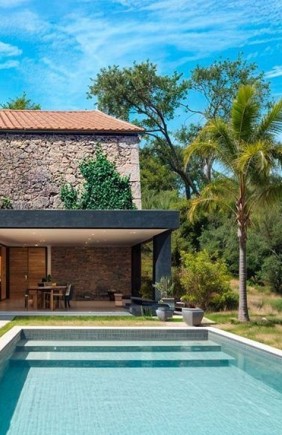
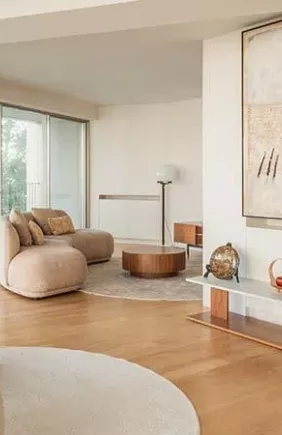
More residential or inland areas, and the less touristic parts of the eastern and western Algarve, usually come with lower price tags and more space for the same budget. There is a mix of apartments, townhouses, detached villas and rural homes, from new builds to older properties that may need renovation, so you can usually match both your lifestyle and renovation appetite to the type of home you choose.