One of the best things about Portugal is its incredible coastline, but with literally thousands of beaches, figuring out where to lay your towel can be tricky. That's where the Blue Flag award comes in handy. It's a globally recognised sign of quality that points you straight to the country's cleanest, safest, and most beautiful stretches of sand.
- What are Blue Flag beaches in Portugal?
- How many Blue Flag beaches are there in Portugal?
- Standout Blue Flag Beaches in Central Portugal
- New Blue Flag beaches in the Alentejo
- Blue Flags waving in the Azores
- Madeira's Blue Flag beaches
- Prime Blue Flag beaches in the Algarve
- Top Blue Flag beaches in Northern Portugal
- Outstanding Blue Flag beaches in the Tejo region
What are Blue Flag beaches in Portugal?
That blue flag you see flying over the sand isn't just for show. It's a proper international award and a seal of approval that tells you a beach is one of the best in the world. To earn one, a beach has to meet some seriously strict criteria set by the Foundation for Environmental Education (FEE), covering everything from excellent, regularly tested water quality to environmental management. It also guarantees high standards of safety and good services, like clean facilities and access for everyone.
How many Blue Flag beaches are there in Portugal?
Portugal doesn't just have a few high-quality beaches; it's packed with them. For 2026, the country can boast an impressive 438 Blue Flag awards, which is an increase of six from the year before. This number includes 396 beaches, 46 of which are inland spots.
Portugal is fifth worldwide for coastal beaches awarded and the second for inland beaches.
Standout Blue Flag Beaches in Central Portugal
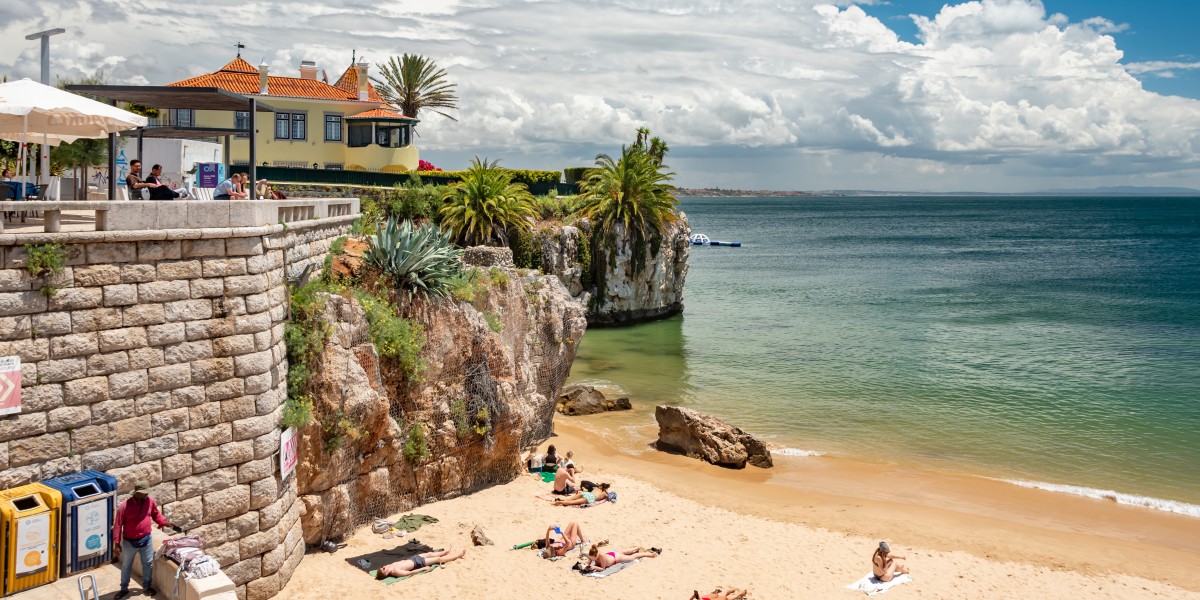
Central Portugal offers an incredible variety of swimming spots, from the long, sandy beaches of the Atlantic coast, which are often backed by pine forests, to the peaceful river beaches tucked away in its green, hilly interior.
Praia de Mira
This beautiful coastal beach isn't just a pretty spot; it's a record-holder. It has the unique honour of being the only beach in the entire world to have received a Blue Flag every single year since the awards began, over 40 consecutive years.
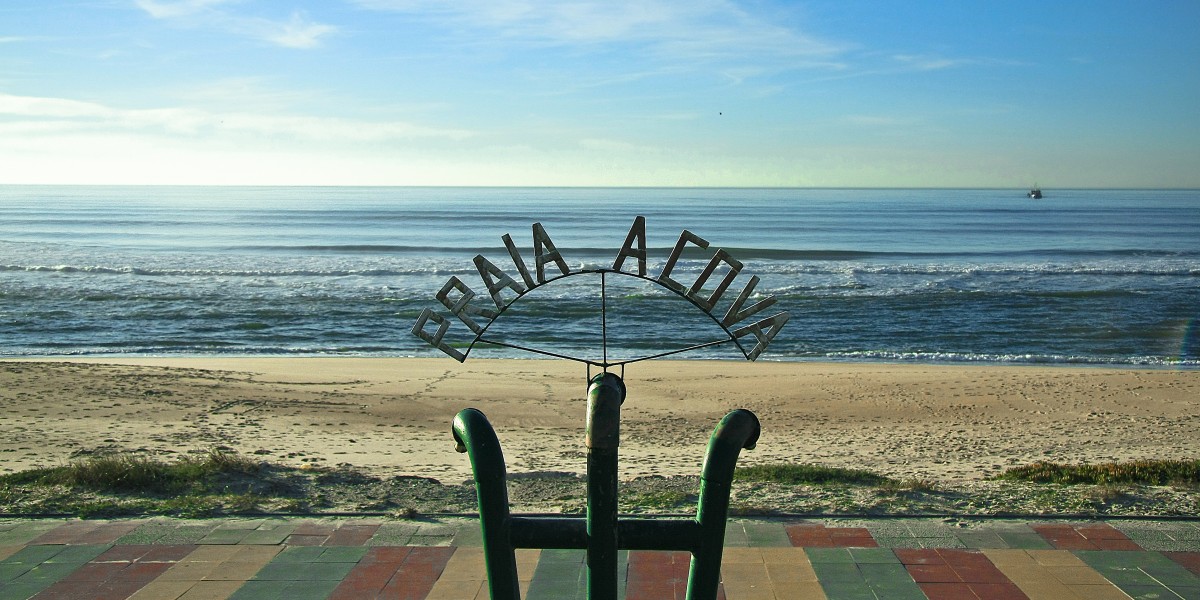
Praia da Cova Gala
Located on the expansive coastline of Figueira da Foz, this beach has soft, golden sands and gentle waves. The conditions are also excellent for water sports like surfing and paddleboarding.
New Blue Flag beaches in the Alentejo
The Alentejo coastline is famous for being one of the wildest and most unspoiled in Europe. For 2026, the region has gained even more recognition for its pristine nature. The lake beach Oriola, in Portel, was awarded its first Blue Flag in 2026.
Praia de Monte Velho
This beach on the Santo André coast is a perfect example of the Alentejo's raw beauty. It’s a huge, open beach that feels wonderfully remote, making it the ideal choice if you’re looking to find a quiet spot.
Praia Fluvial de Albergaria dos Fusos
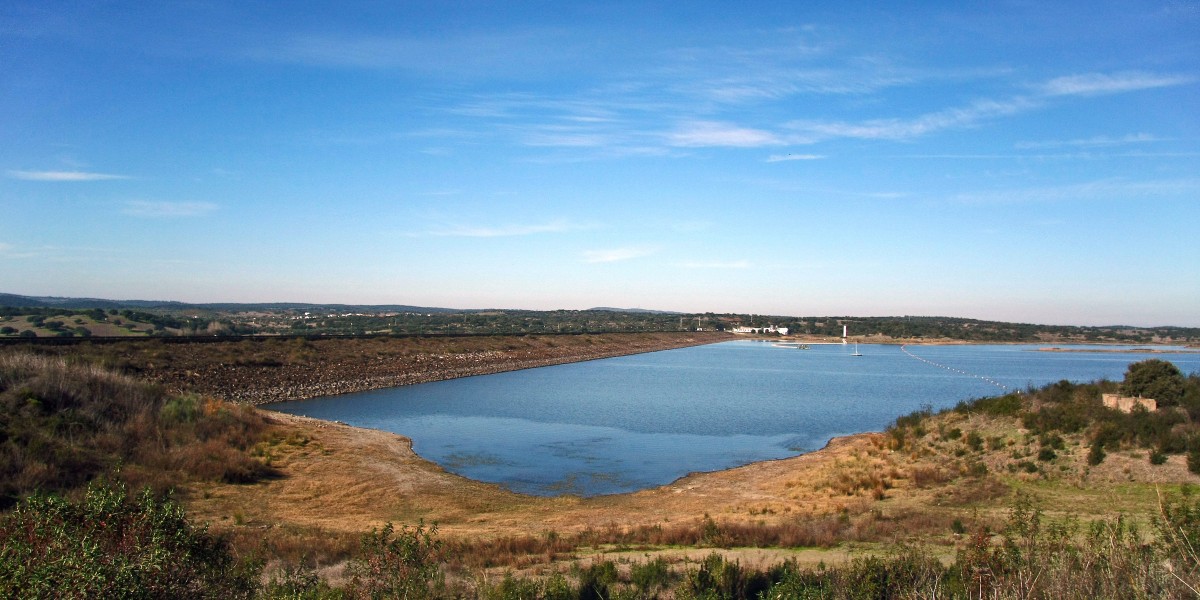
This beach isn't on a river but on the calm waters of the Alvito Reservoir, also known as the Albufeira de Albergaria dos Fusos. This large, man-made lake provides a high-quality, safe, and clean freshwater alternative for swimming.
Blue Flags waving in the Azores
With 45 Blue Flag beaches in 2026, the Azores are in a league of their own when it comes to swimming. With a coastline shaped by volcanoes, many of the best spots aren't traditional beaches but natural swimming pools formed among dark volcanic rocks.
Praia de Santa Bárbara, Ribeira Grande
Praia de Santa Bárbara is on São Miguel’s north coast, facing the full force of the Atlantic. It’s a long stretch of dark volcanic sand, and one of the island’s top surf spots.
Praia Formosa, Vila do Porto
Praia Formosa, on Santa Maria, is often described as the most traditional sandy beach in the Azores. Unlike many of the archipelago’s rocky bathing areas, this one has pale sand and a broad, gently sloping bay. The surrounding hills give it a sheltered feel, and the water here tends to be slightly warmer than on some of the other islands.
Madeira's Blue Flag beaches
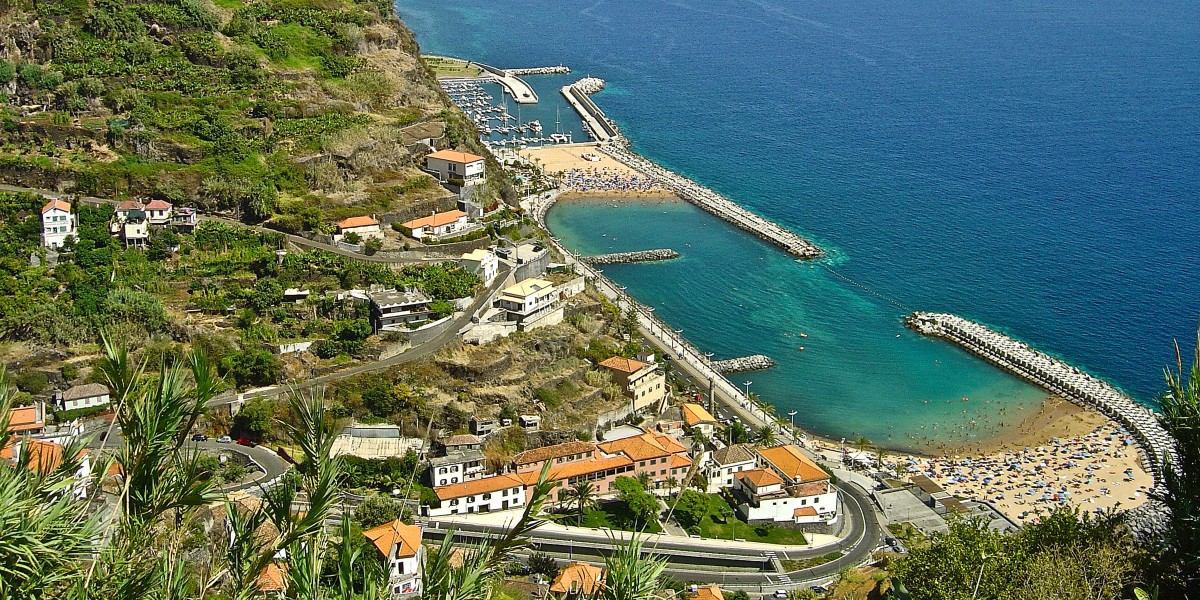
While many of Madeira's swimming areas are pebble beaches or man-made lidos, the island does have a few rare sandy gems. For 2026, you'll find 17 Blue Flag beaches on the island.
Prainha, Caniçal
Located near the eastern tip of the island, this beach is one of the very few on Madeira with naturally occurring black volcanic sand. It's tucked into a sheltered cove, surrounded by a dramatic, arid landscape.
Lido-Complexo Balnear, Funchal
The Lido Complex sits along Funchal’s seafront promenade. Rather than a sandy beach, this Blue Flag bathing area is a well-maintained lido with saltwater swimming pools, direct access to the Atlantic via ladders, and broad sunbathing terraces overlooking the ocean.
Prime Blue Flag beaches in the Algarve
The Algarve is the undisputed king of Portuguese beaches, famous for its golden cliffs, hidden grottoes, and reliable sunshine. It consistently receives the highest number of Blue Flag awards in the country, with 86 in 2026.
New arrivals for 2026 are Albufeira de Odeleite and Praia Verde Lago.
Praia da Falésia
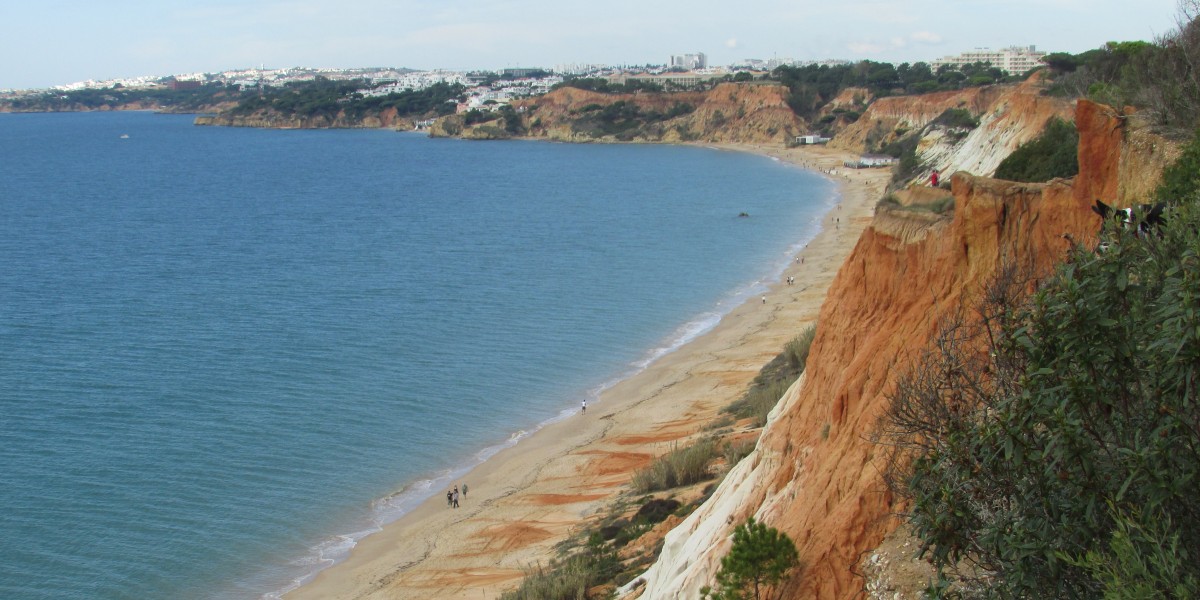
Stretching for over six kilometres, it's famous for its dramatic, deep-orange cliffs that create a stunning contrast with the white sand and blue Atlantic. It regularly features highly on TripAdvisor's rankings for the world's best beaches, coming number one in 2024.
Praia da Senhora da Rocha
This is one of the most picture-perfect coves in the Algarve. What makes it truly special is the dramatic rocky headland with a tiny, ancient white chapel perched on top. The water here is generally calm and sheltered, making it a great beach in Portugal for families. You can even walk through a tunnel carved in the rock to get from one side of the beach to the other.
Top Blue Flag beaches in Northern Portugal
The coastline of Northern Portugal is wilder, more rugged, and often a bit cooler than the south. It’s a coastline of vast sandy beaches, powerful Atlantic waves, and great surfing spots. In 2026, it managed to get 78 coastal beaches and 8 inland beaches waving the Blue Flag.
Praia de Moledo
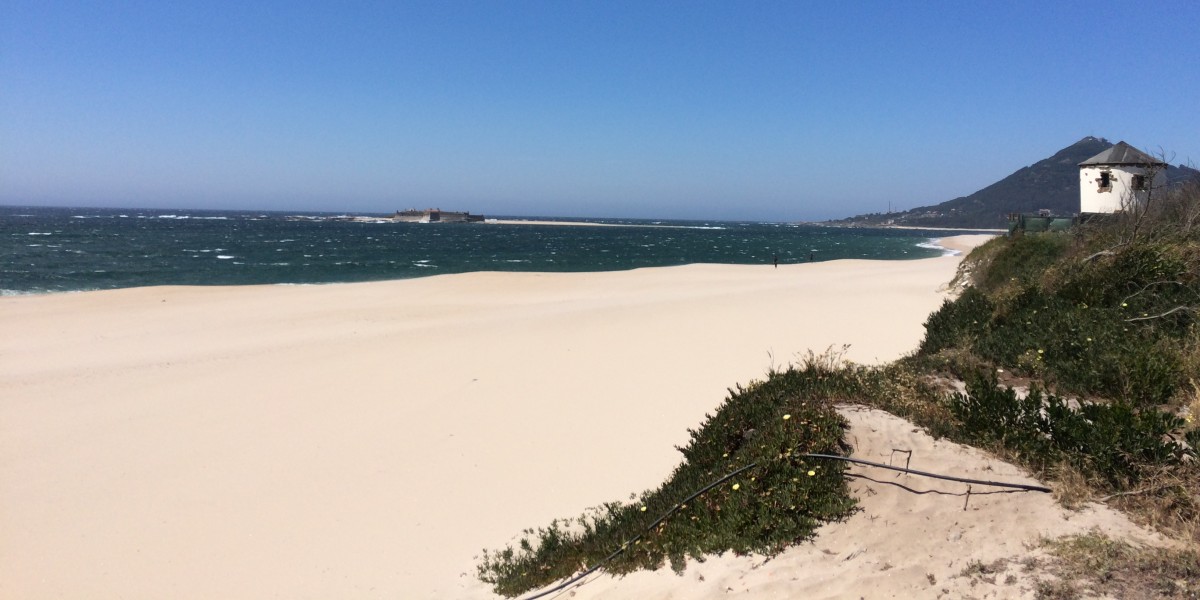
Located right on the Spanish border, this beach has golden sands and a direct view of the tiny island fortress, Forte da Ínsua. Backed by a pine forest, Moledo has a laid-back, almost chic vibe and is very popular with windsurfers and kitesurfers.
Praia do Cabedelo
This is one of Europe's top spots for kitesurfing and windsurfing, thanks to the reliable north wind, the "Nortada." The views across the river mouth to Viana do Castelo, one of Portugal's best coastal towns, and the Santa Luzia sanctuary on the hill are fantastic.
Outstanding Blue Flag beaches in the Tejo region
The coast around Lisbon, part of the Tejo region, offers incredible variety, from sheltered little coves to vast surfing beaches, all easily reachable from the capital. In 2026, you'll find 73 Blue Flag beaches in the region.
Praia Fluvial da Sertã, Ribeira Grande
Newly awarded in 2026, Sertã beach sits on the Ribeira Grande river in the town of Sertã. This is an inland, river beach, with calm freshwater held back by a small dam, creating a safe swimming area during the summer months. The surrounding pine-covered hills give it a peaceful feel, quite different from the Atlantic beaches.
Praia do Guincho, Cascais
Guincho lies within the Sintra-Cascais Natural Park, around 15 minutes by car from central Cascais. This is Atlantic coastline in its rawest form: a long sweep of sand backed by dunes, with steady winds that draw surfers, bodyboarders and kitesurfers throughout the year. The Blue Flag designation covers the main bathing areas, with lifeguards in season and clear zoning between water sports and swimmers.
Stay in the know about living in Portugal as a foreigner—get our weekly newsletter for the latest travel, legal, and lifestyle news.
For a taste of the high life, sign up for the monthly luxury market round-up.