Portugal and surfing go hand-in-hand these days. The wild Atlantic coastline, stretching north to south, is blessed with legendary breaks, hidden sandy coves, and a surf culture that’s blossomed in leaps and bounds. Whether you’re keen on catching monster winter swells or simply learning to pop up for the first time, Portugal’s got you covered with everything from mellow beach breaks to heaving barrels. Alongside Portugal's world-class waves, you’ll also discover a way of life—one that’s shaped by fresh seafood, laidback locals, and days that start and end with a paddle.
Why surfing in Portugal is world-class

Portugal’s appeal as a surf destination is absolutely nailed to its geography. The Atlantic churns up a reliable supply of swell and provides waves for all levels, from punchy point breaks to gentle rollers.
The scene is as diverse as you’ll find anywhere in Europe. Long sandy beaches for learners, rocky reefs that attract pros, and a culture that’s welcoming to total newcomers and old sea dogs alike. Whatever your level and surfing mission when visiting Portugal, you’ll understand why the country has become Europe’s unofficial surf HQ.
When is the best time to surf in Portugal?
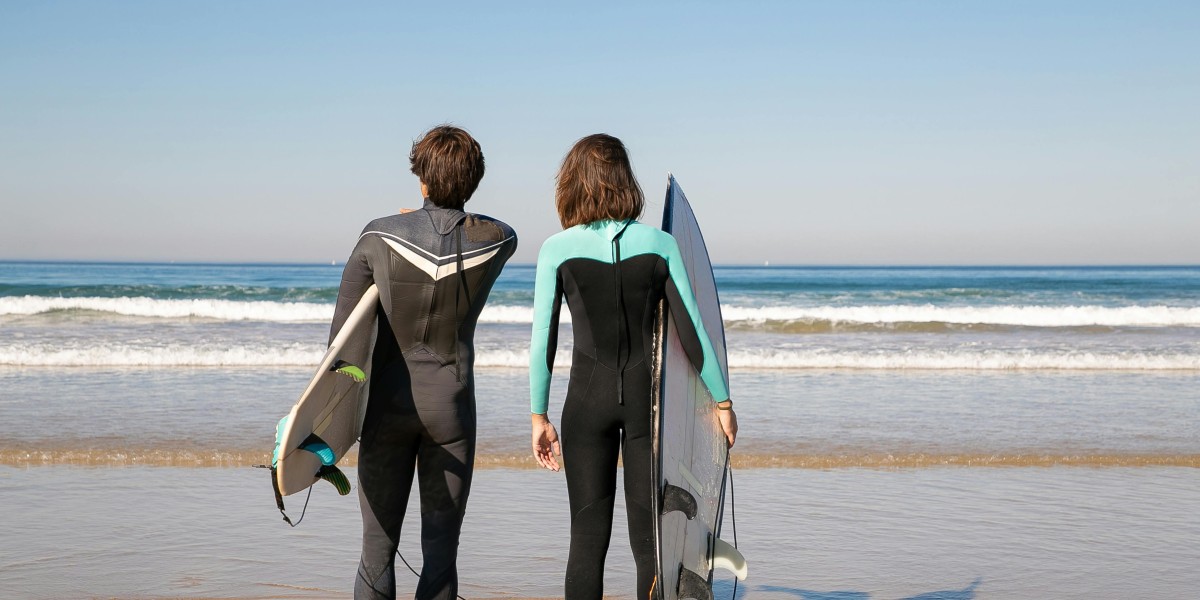
Portugal is a year-round surf destination, but the best season depends on both your skill level and your tolerance for cold water and big waves. It's good to keep an eye on local surf forecasts, as conditions can change on a dime, especially thanks to Atlantic storms.
Winter (November to March) brings the biggest swells—brilliant if you fancy a challenge or the odd monstrous day. Water temps dip to 14–16ºC at this time, so you’ll want a proper 4/3mm wetsuit.
Spring and autumn offer a sweet spot—consistent surf, fewer crowds, milder temperatures, and slightly calmer conditions.
Summer is warm and lively, with early mornings or late evenings avoiding onshore winds and crowds. However, waves often mellow out except in more exposed areas.
Best surf spots in Portugal
Generally, the best places to surf in Portugal really depend on your level and style of surfing. Beginner surfers tend to head to the Algarve or stick to beaches near Lisbon. Whereas the obvious big hitters for more experienced surfers are Ericeira, Peniche and Nazaré. But there are plenty of lesser-known gems that also offer famed barrels, mellow stretches for beginners, Instagram-ready cliffs, or a bustling surf village atmosphere.
When you start digging around, Portugal’s surf map fills up fast. The surfing community in the region keeps growing, with entire villages springing up to cater to wave-chasers.
Surfing in Portugal for beginners
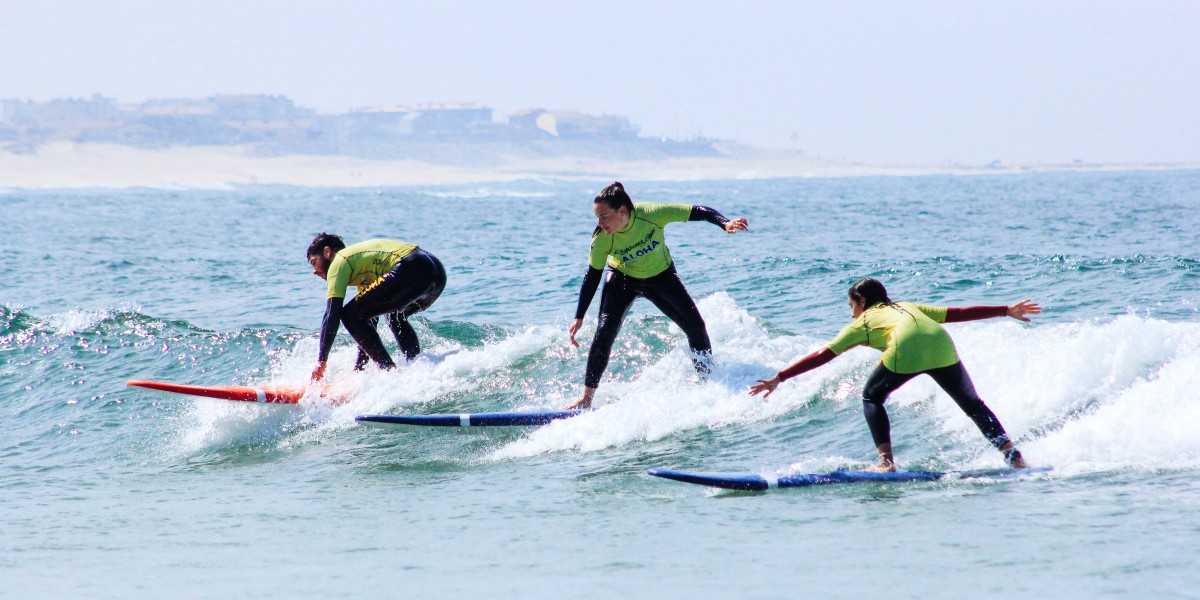
Portugal is one of Europe’s most beginner-friendly countries when it comes to learning to surf. Dozens of schools and camps line the coast, particularly in Ericeira, Peniche, and the Algarve. Here, you’ll find forgiving whitewater and sandy bottoms that make your first paddle-outs a bit less daunting.
Beginner beaches are shaped by gentle, reliable sand bars, soft foam rentals, and instructors who seem to speak roughly every European language under the sun. Safety’s paramount—watch the rips, and double-check which area is flagged for learners.
For those after a guided week, look into Portugal’s huge range of surf camps—group and solo packages, accommodation by the beach, and all the gear sorted for you.
Where is the big surf in Portugal?
Nazaré takes centre stage for headline-grabbing, record-breaking big wave sessions, but it’s not the only heavy spot along the coast. Reef breaks around Ericeira and Supertubos during winter can also dish out thumping, hollow walls that challenge any seasoned surfer.
Big wave season peaks between October and March—this is when world-class pros (and a few hardy locals) descend upon Portugal. Nazaré hosts jaw-dropping events and attracts a crowd every time the charts light up, with local rescue teams and jet skis on high alert.
Which are the best surf towns in Portugal?
Ericeira – Europe’s surf reserve
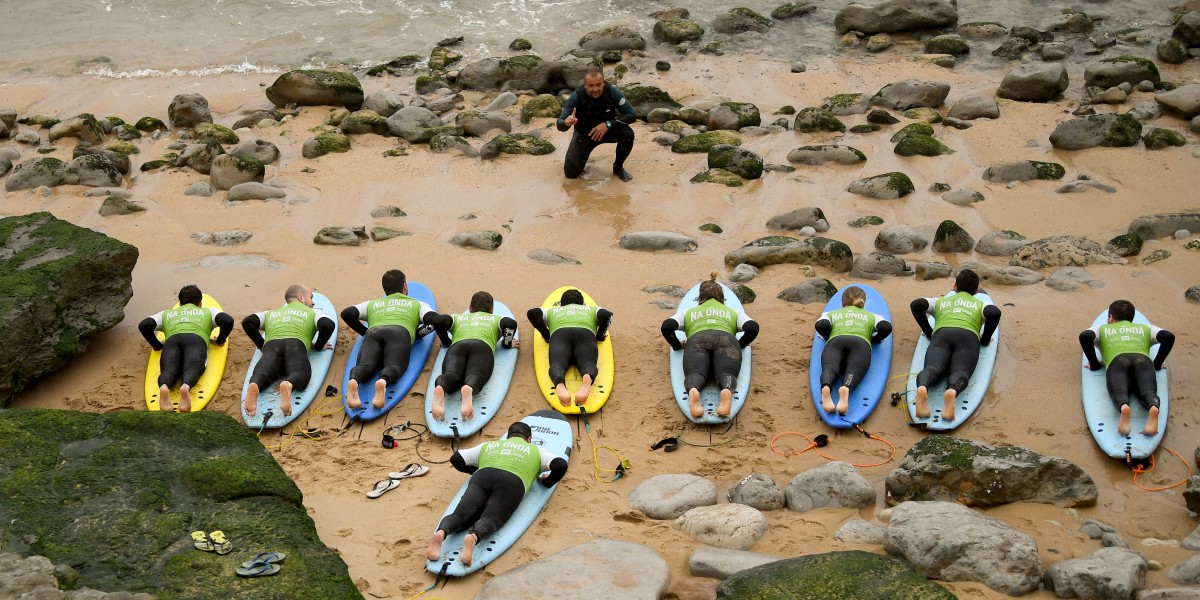
Wrapped up as Europe’s first and only World Surfing Reserve, Ericeira is legendary in the surf world. It's the heart of Portugal’s surf scene and home to heavyweights like Ribeira d’Ilhas, Coxos, and Pedra Branca. You’ll find wave after wave—superb point breaks, intricate reefs, and peaky beach breaks.
Off the water, Ericeira’s cobbled streets buzz with surf shops, quirky cafés, and quirky hostels. Accommodation runs the gamut from affordable surf houses to boutique guesthouses overlooking the lineup, with plenty of rental options in the town and hills.
Lisbon - city waves a train ride away
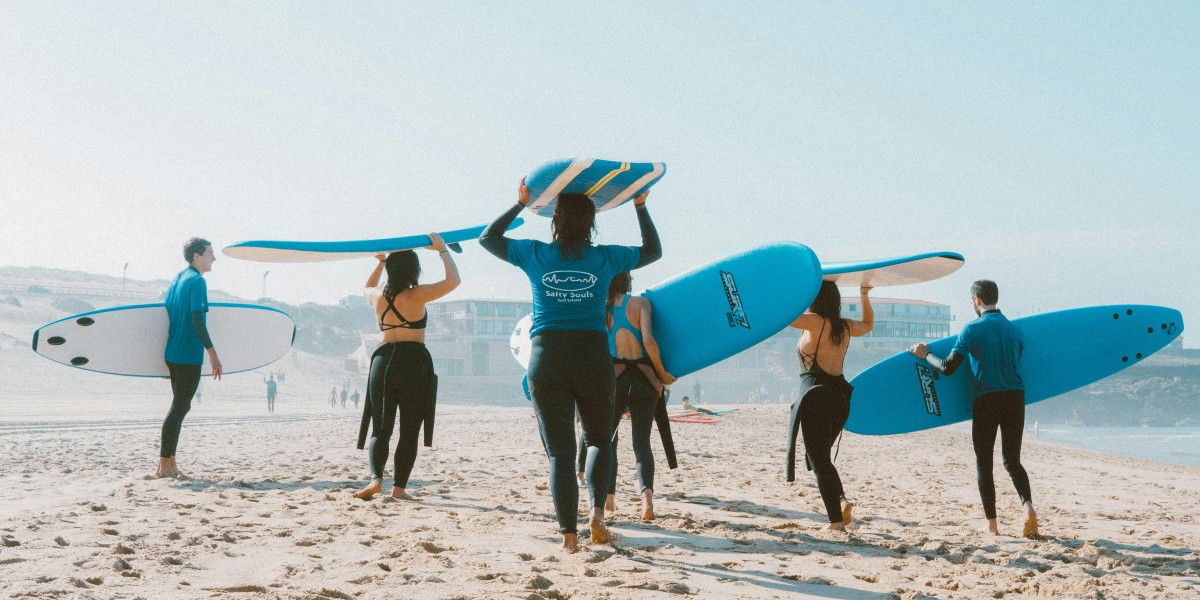
Lisbon has waves just minutes from the city. Spots like Carcavelos and Costa da Caparica are local playgrounds for city dwellers. They serve up reliable beach breaks and are ideal for early-morning or last-light surfs before heading out on the tiles. The best beaches near Lisbon are just a straightforward train or bus journey from the centre.
Nazaré – for big-wave lovers
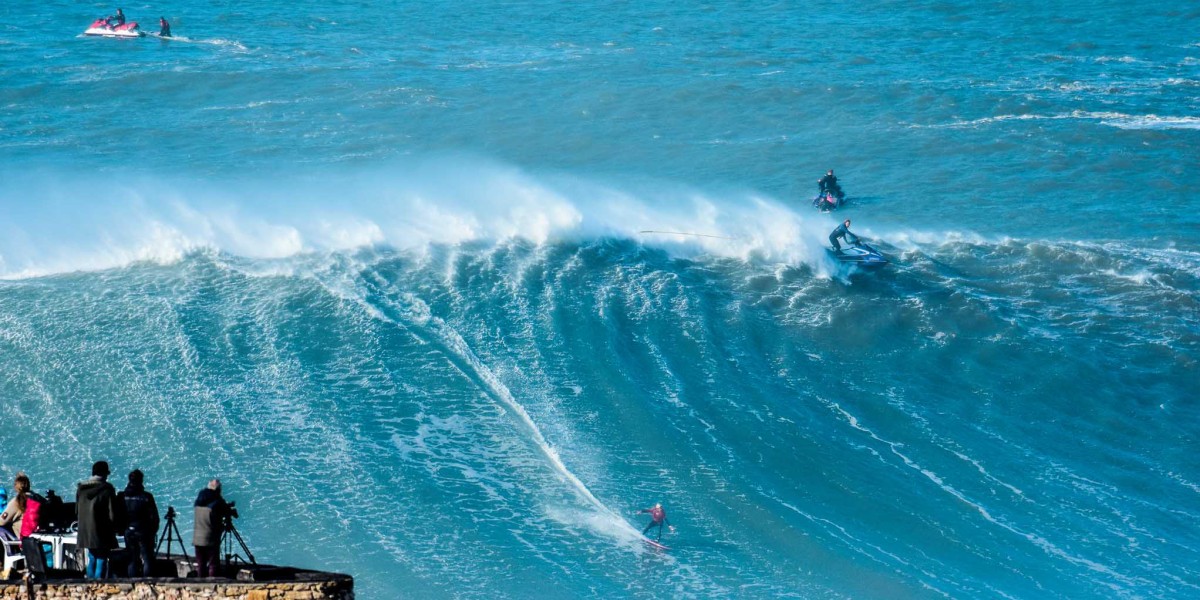
Nazaré is not only about big surf. Wander through the beach town and you’ll find narrow, whitewashed lanes stacked above wide, sandy beaches where old fishing traditions still thrive. The town has a lively, welcoming atmosphere, especially on sunny weekends when locals and visitors spill onto the promenade for coffee or fresh grilled sardines.
One of Nazaré’s standout features is the clifftop neighbourhood of Sítio, accessed by a funicular that climbs up from the beach. Here, you’ll get jaw-dropping views over the coastline, and it’s the spot to watch big-wave action during the winter months.
Peniche – Portugal’s barrelling playground
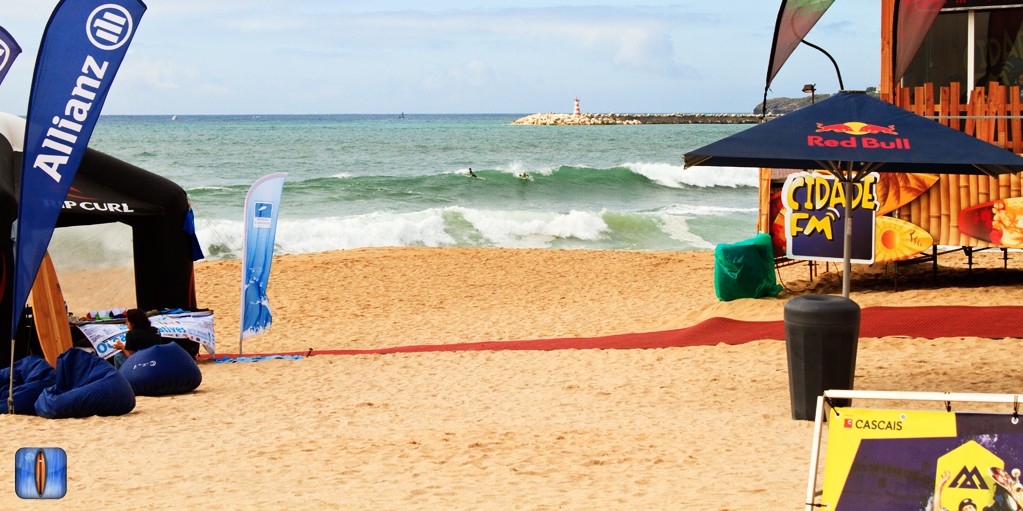
Peniche is where you’ll find Supertubos—a name that doesn’t overpromise. Renowned for its fast, heavy barrels, this stretch of sand is the real deal for seasoned surfers, hosting WSL events and drawing in crews from across the globe.
Around the peninsula, you’ve also got more forgiving breaks, like Baleal, that cater brilliantly to beginners and intermediates. Peniche itself is an unpretentious town with fisherman's roots – larger surf schools, a vibrant scene through the summer, and great local food.
Sagres - the Algarve's contender
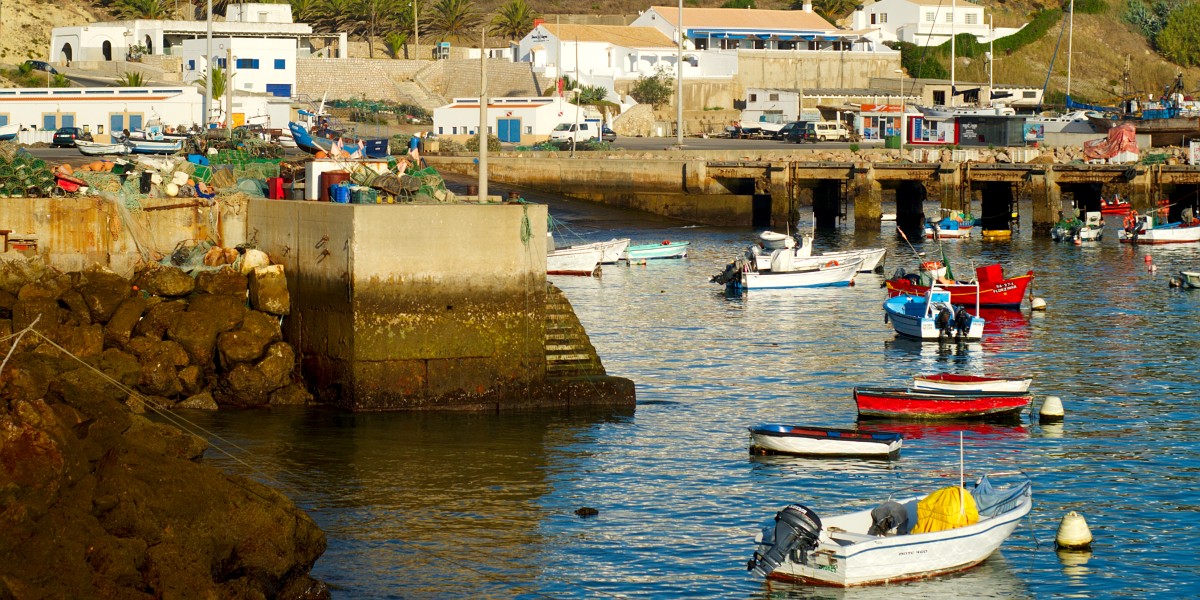
Sagres is a must-visit for anyone chasing waves and the easygoing pace of a true surf town. The place feels a bit like the end of the road—where dramatic cliffs meet wild Atlantic beaches, and the surf’s shaped by whatever weather the ocean decides to send in. Thanks to its unique geography, you’ll find both sheltered corners for mellow days and exposed points that light up when the swells hit.
There’s a real no-nonsense, unpolished charm to Sagres. The village is full of laidback bars, surf shops, and budget guesthouses, but you’re never far from a quiet headland or a stretch of sand with barely another soul in sight. Off the board, you can explore cliff-top trails, feast on just-caught fish, or catch one of those sunsets that linger long in the memory.
Surfing in Lisbon vs. Porto
Lisbon and Porto are two of Portugal’s most iconic cities, and both sit within easy reach of some cracking surf.
Around Lisbon, you’ll find famous spots popular for their consistent beach breaks and lively atmosphere. The surf scene here is thriving, with a huge selection of surf schools and plenty of rentals, making it a great shout for beginners and intermediates. Thanks to the mild climate and easy train links from the city centre, you can ride a few waves before breakfast and still be back in town for a pastel de nata.
Porto, up in the north, offers a different flavour. The Atlantic here can pack more punch—think cooler water and heavier swells, especially in winter. Spots like Matosinhos are just a metro ride from the heart of the city, offering consistent waves and a more low-key scene compared to Lisbon’s surf crowd.