Thinking about living in Setúbal? Just 40–50 minutes south of Lisbon, this coastal city sits between the Sado Estuary and the green slopes of Arrábida Natural Park. It has proper working-port energy and some of the best beaches in mainland Portugal on its doorstep.
Is Setúbal a nice place to live?
Daily life in Setúbal moves at a relaxed rhythm. Mornings revolve around coffee at neighbourhood cafés, afternoons drift towards the waterfront, and weekends often mean a drive up into Serra da Arrábida or down to Praia da Figueirinha.
Summers are hot and dry, with temperatures regularly above 30°C in July and August. Winters are mild by northern European standards, though it can feel damp when the Atlantic winds roll in.
There are public and private healthcare options, international schools within reach in the wider Lisbon district, reliable supermarkets and a compact centre that’s easy to navigate on foot.
Is Setúbal expensive?
The cost of living in Setúbal is still noticeably lower than in Lisbon, but it’s no longer the bargain it once was. Prices have crept up, especially for housing, as more people look south of the capital for better value and a bit more breathing room.
Housing costs
As of April 2026, property prices in Setúbal averaged around €3,243 per m². On the rental side, rent prices in Setúbal averaged €15 per m² in April 2026, which means an 80m² flat would typically cost about €1,200 per month.
That’s still significantly below central Lisbon, but the gap is narrowing. For buyers, Setúbal remains one of the more realistic options within commuting distance of the capital, especially compared to Cascais or parts of Almada.
Eating out and daily expenses
Day-to-day spending is manageable, especially if you live a fairly local lifestyle. According to Numbeo:
- A cheap main course at an inexpensive restaurant: €10
- Meal for two at a mid-range restaurant: €40
- Beer out: €3–4
- Cappuccino or coffee at a café: €1.50
Setúbal is still strong on affordable lunches. Many neighbourhood restaurants serve a prato do dia for around that €10 mark, often including a drink and coffee.
Transport and utilities
Public transport remains one of the better-value elements of living here.
- Monthly public transport pass: €40
- Basic utilities (electricity, heating, cooling, water, rubbish) for an 85m² apartment: €90
The €40 pass is especially useful if you commute into Lisbon within the metropolitan network.
Where to live in Setúbal
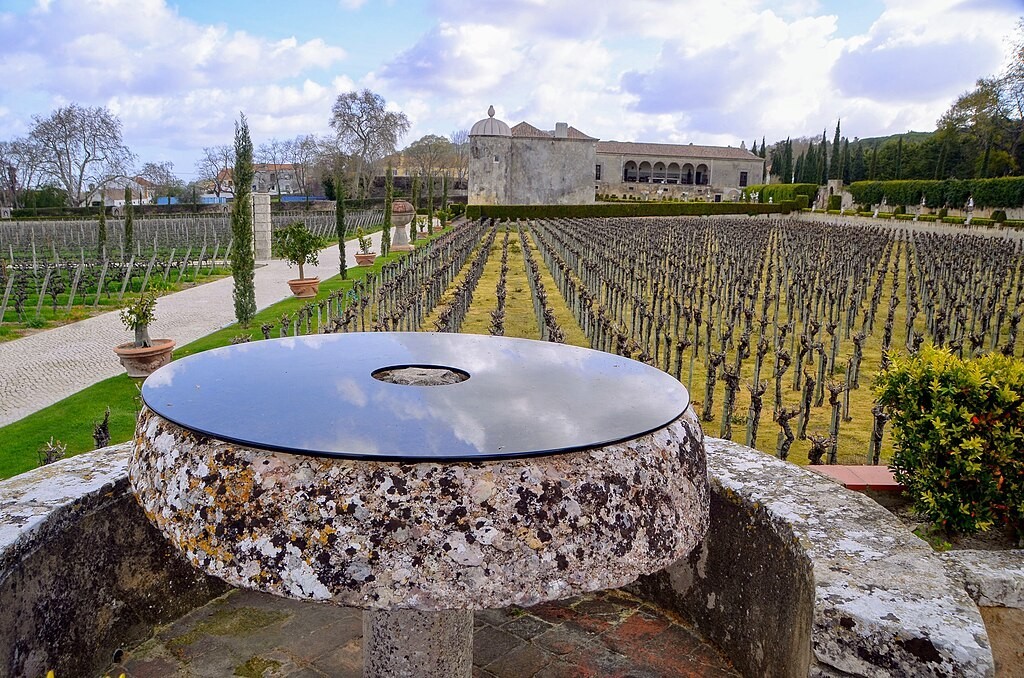
When it comes to where to live in Setúbal, the choice depends on whether you want sea views, vineyards, or a practical base near schools and shops.
Azeitão
Azeitão sits slightly outside the main city, closer to Arrábida Natural Park. It’s greener, quieter and known for vineyards and the famous Azeitão cheese.
Properties tend to be larger, often with outdoor space, and it attracts families and those working remotely.
Bairro do Liceu
Bairro do Liceu is more central and practical. It’s close to schools, supermarkets and cafés, and within walking distance of the historic centre.
Flats dominate, making it popular with young professionals and local families.
Historic centre and waterfront
Living near Avenida Luísa Todi or the old town means atmosphere and easy access to restaurants and the ferry to Tróia. Buildings can be older, so insulation and parking are worth checking carefully.
This area tends to attract short-term rentals, so the year-round community varies street by street.
Areas to research carefully
Some parts of Bairro Salgado and outer residential zones are more mixed in terms of upkeep and infrastructure. They’re cheaper, but it’s worth visiting at different times of day before committing.
The city of Setúbal and its character

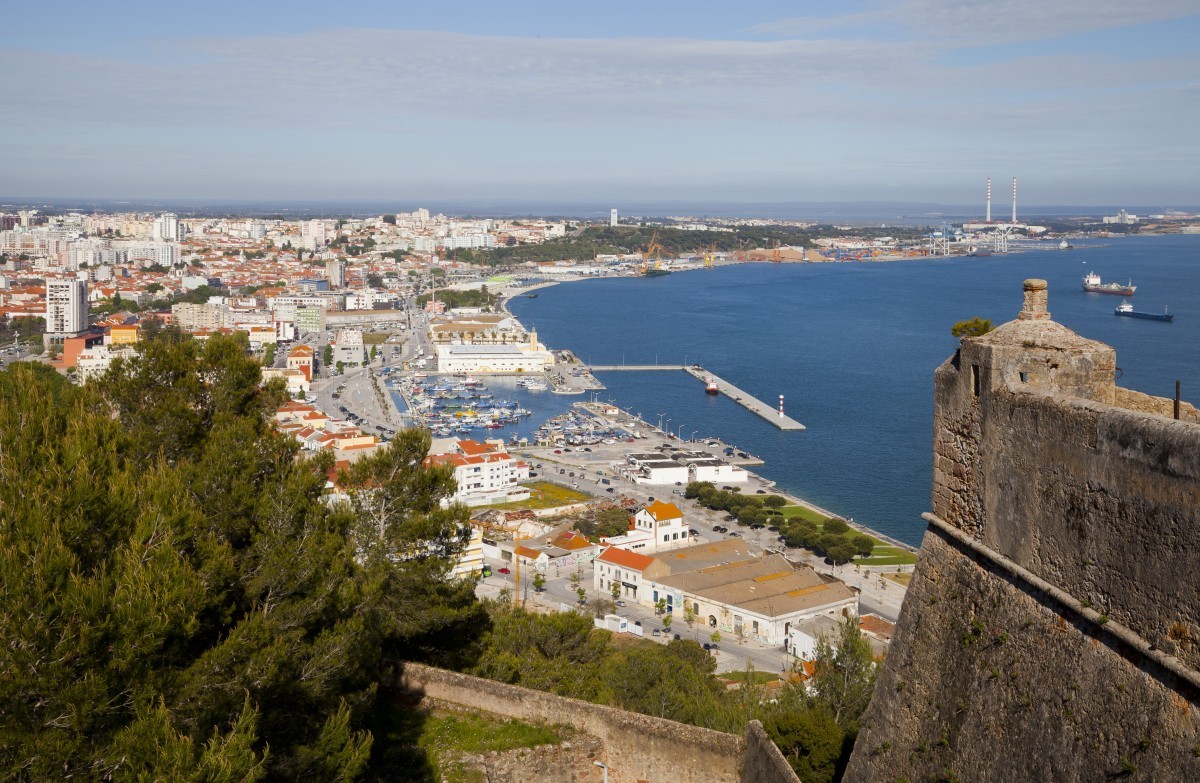
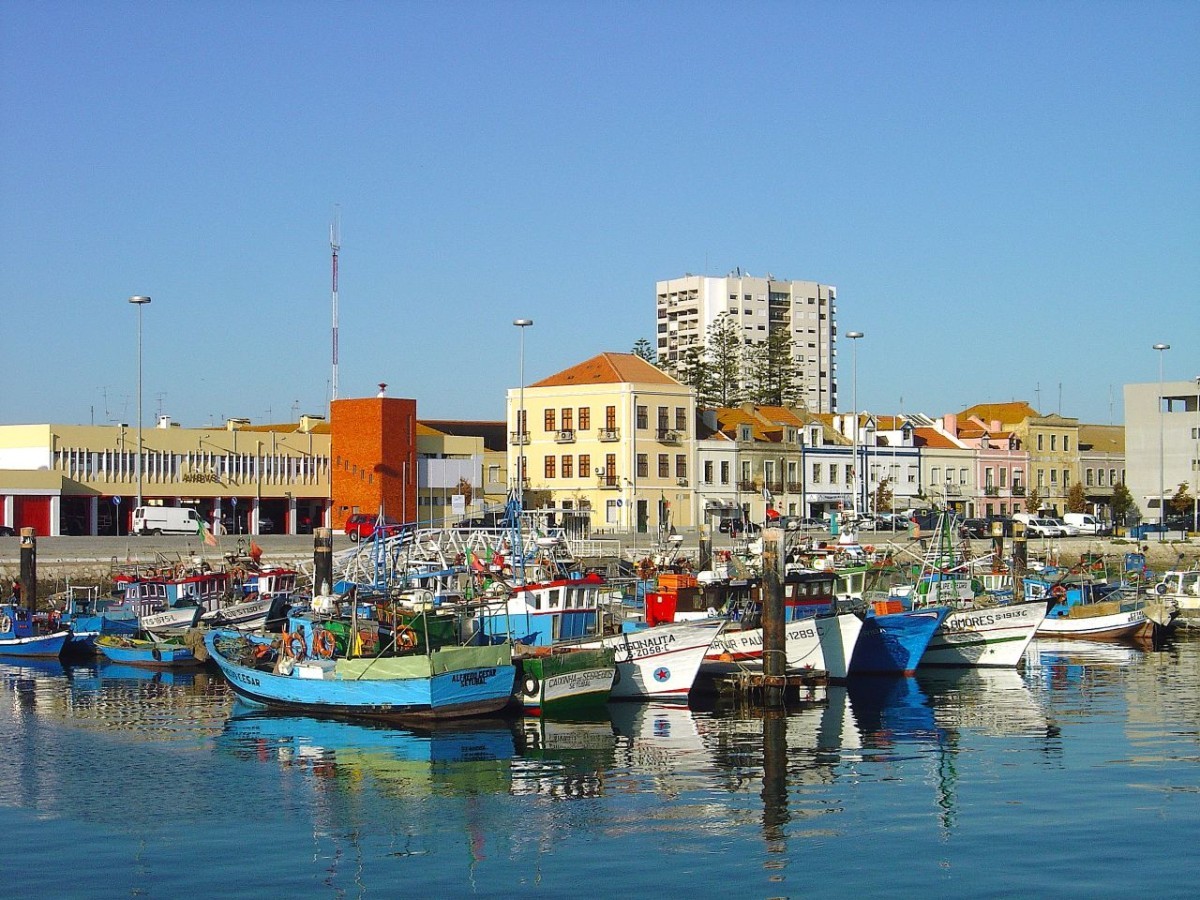
Setúbal sits on the northern edge of the Sado Estuary, with fishing boats still part of daily life. The port is active, industry is visible, and that working identity shapes the city.
- The Convento de Jesus is one of the earliest examples of Manueline architecture in Portugal.
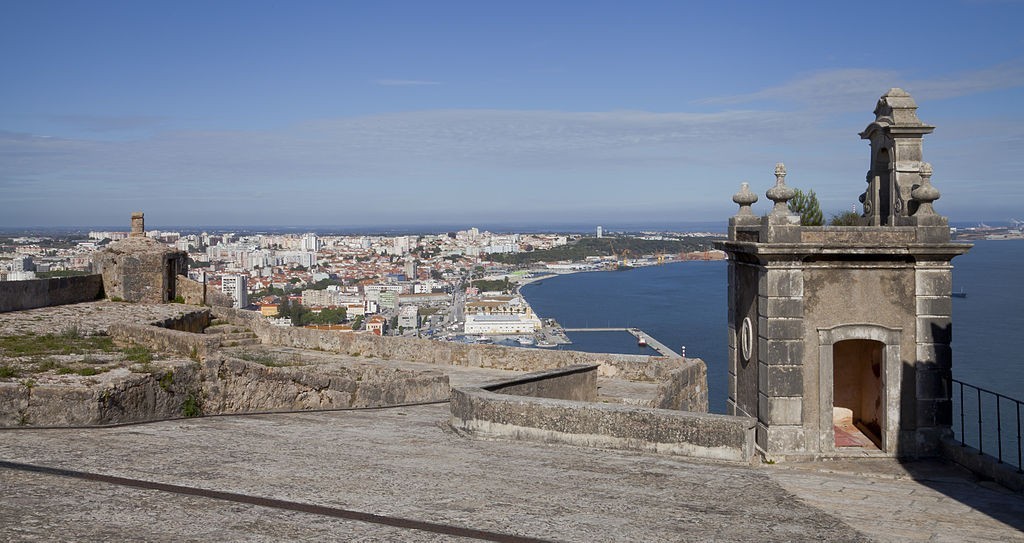
- Castelo de São Filipe overlooks the city with sweeping estuary views.
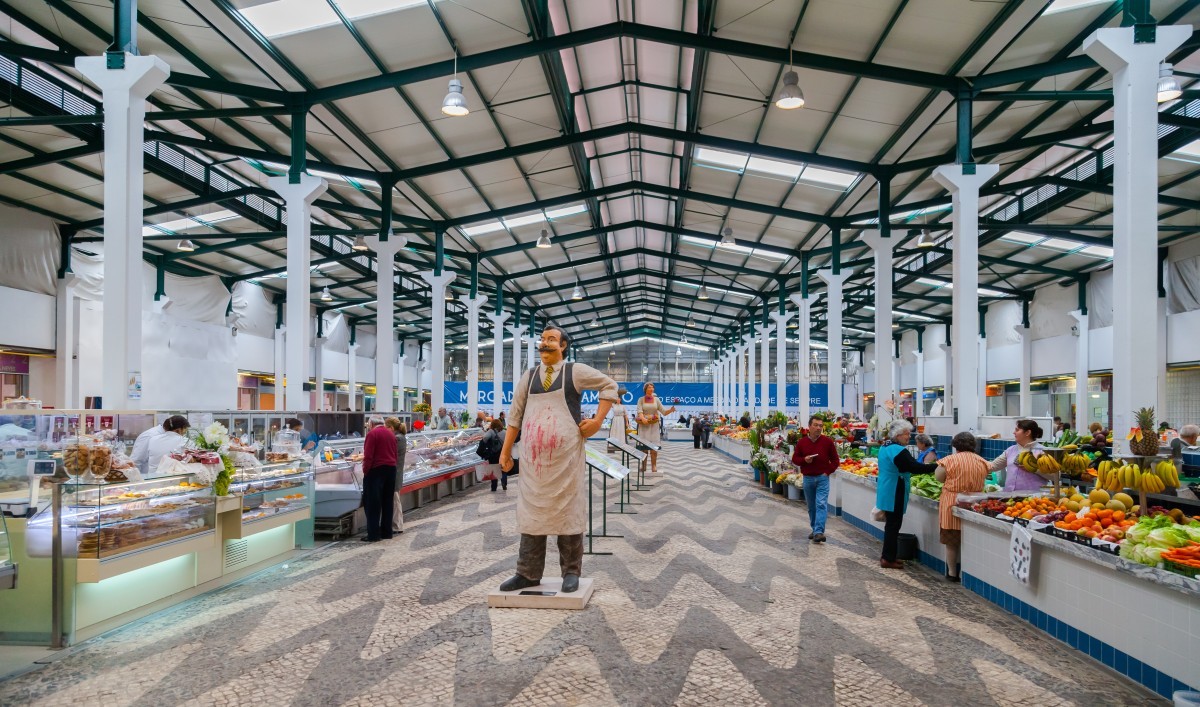
- The Mercado do Livramento remains one of the best food markets in the country, particularly for fish.
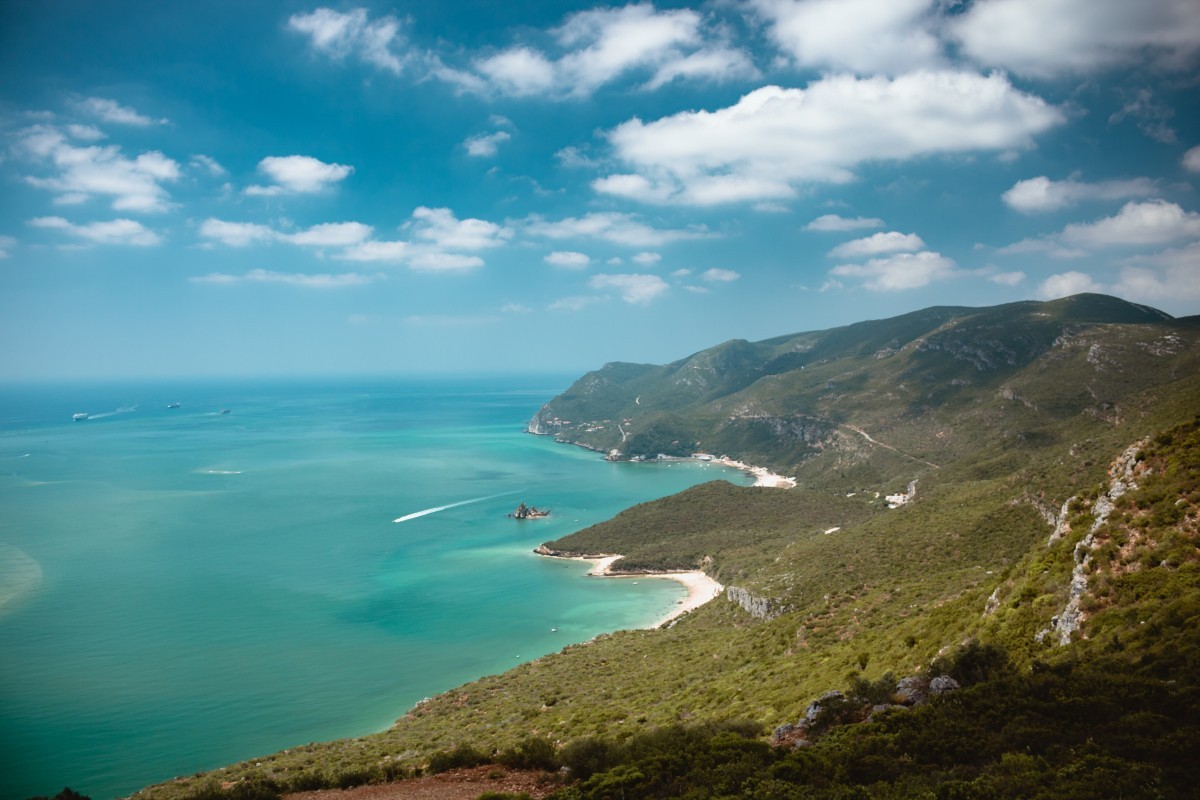
Nature is the real luxury. Within 20 minutes, you can be swimming in clear water at Praia de Galápos, hiking above limestone cliffs in Arrábida, or watching bottlenose dolphins in the estuary.
Setúbal in 2026: is it worth it?
Living in Setúbal means trading some of Lisbon’s cosmopolitan buzz for affordability, sea views and space. It suits people who value proximity to nature and don’t mind a slightly rougher edge.
For anyone priced out of Lisbon but not ready to move inland, it remains one of the most sensible alternatives in the metropolitan area. It isn’t perfect, and it doesn’t pretend to be, but for many expats and remote workers, it strikes a very practical balance between cost, lifestyle and authenticity.
Stay in the know about living in Portugal as a foreigner—get our weekly newsletter for the latest travel, legal, and lifestyle news.
For a taste of the high life, sign up for the monthly luxury market round-up.