Paying taxes on property is something we all have to deal with, in Portugal and across the rest of Europe. These taxes crop up at almost every stage: when you buy, while you own the property, if you rent it out, and when you eventually sell.
In Portugal specifically, the main taxes linked to housing are IMT (Property Transfer Tax), Stamp Duty, IMI (Municipal Property Tax), AIMI (Additional IMI), income tax on rental income under the IRS, and capital gains tax.
When it comes to the actual amounts, each European country has its own system and rates, so the figures vary widely. If you’re thinking about buying a home in Portugal or elsewhere in Europe, or you already own one and are considering selling or renting it out, here’s a closer look at where property taxes are highest.
Transfer tax
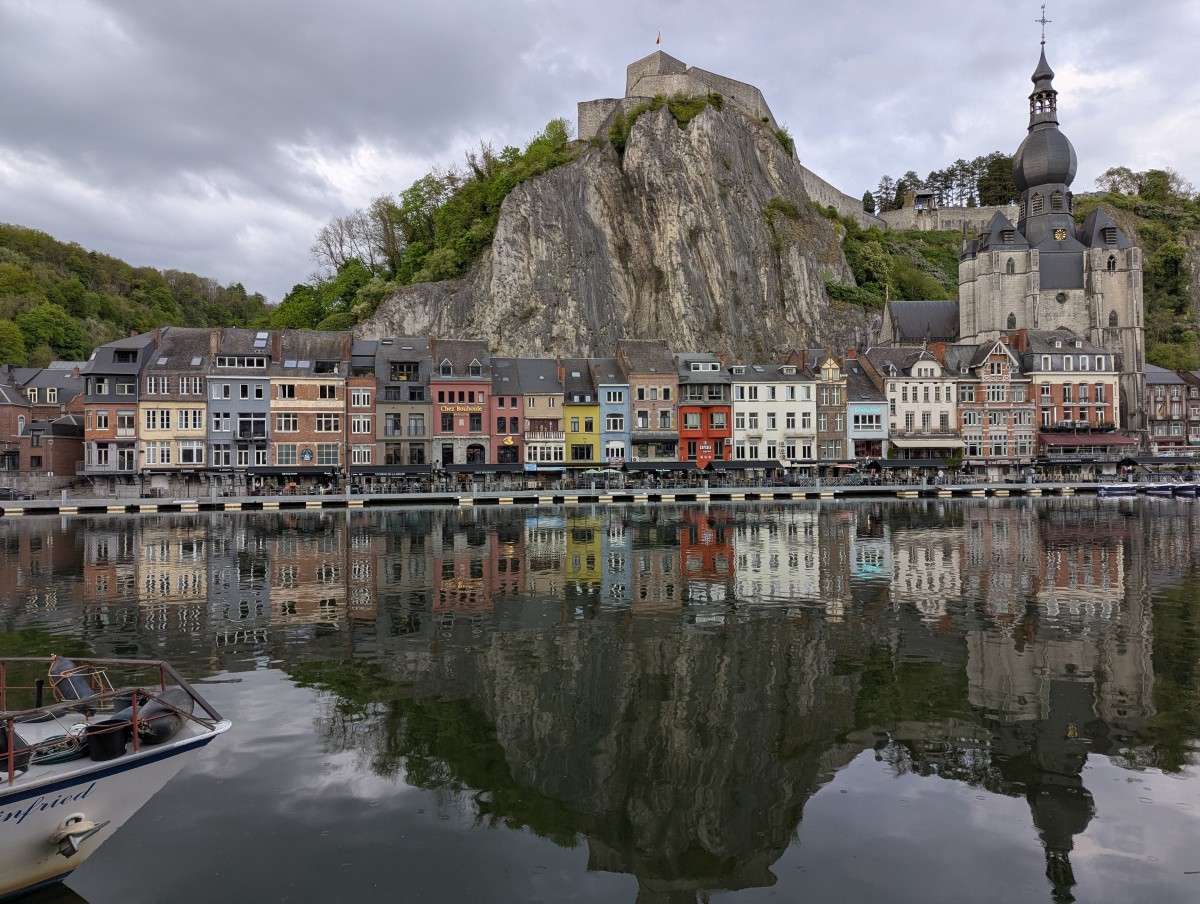
Belgium is the European country where the tax paid on purchasing a property, known in Portugal as IMT (Municipal Property Transfer Tax), is the highest.
According to data from the Global Property Guide, which analyses property taxation in more than 80 countries, buyers in Belgium may have to pay up to 12.5% of the purchase price, depending on the region.
- In England, the top rate is 12%, followed by the Netherlands at 10.4% and Luxembourg at 10%.
- In Portugal, the maximum rate stands at 8%.
Although Belgium tops the list, there are regional differences.
- In Brussels, if you buy a property to use as your main residence, the first €200,000 of the purchase price may be exempt, although this applies only to certain buyers.
- In Wallonia, eligible buyers can benefit from a reduced rate of 3%. If you purchase qualifying social housing from a public authority in that region, no registration tax is due.
- In Flanders, separate rates and incentives apply according to regional rules.
Among the most favourable countries for this tax are Estonia and the Czech Republic, where transfer tax does not exist at all. Lithuania is also particularly advantageous, charging just 0.4%.
Out of 31 European countries analysed, Portugal ranks 7th for the highest transfer tax.
Annual property tax
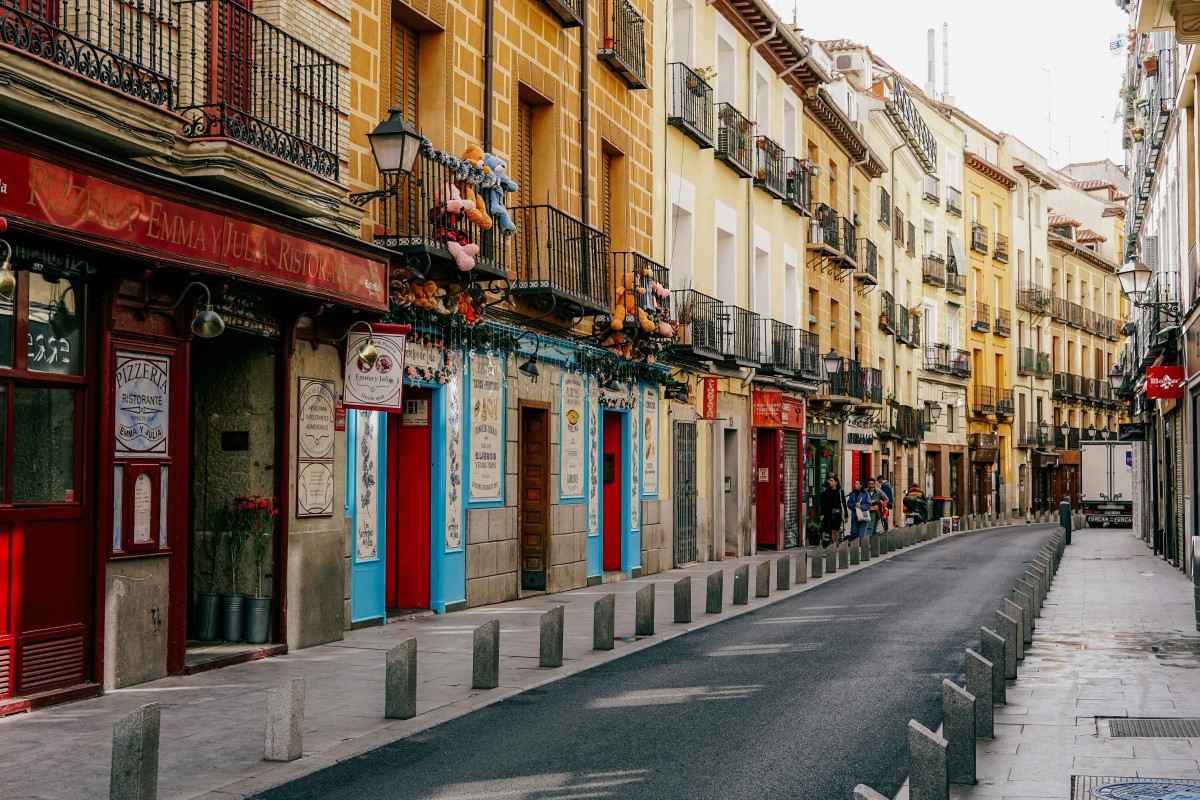
This tax, known in Portugal as IMI (Municipal Property Tax), is calculated differently depending on the country. Some apply a percentage to the property’s market value, while others use a lower cadastral or assessed value. In the United Kingdom, percentages are not used; properties are placed into value bands instead.
Spain is the European country where this tax, known as “IBI”, can be at its highest, with a maximum rate of 4.8% in certain municipalities. It is calculated on the cadastral value rather than the market value.
Countries with higher rates include:
- Lithuania: 3%
- Belgium: 2.5% (“précompte immobilier”)
- Germany: 2.1% (“Grundsteuer”)
- United Kingdom: 2% (“council tax”)
- France: 1.5% (“taxe foncière”)
By contrast, Cyprus and Malta are the most favourable in this respect, as there is no annual property tax.
Portugal ranks 23rd out of 39 countries, with IMI ranging between 0.3% and 0.8%.
Tax on rental income
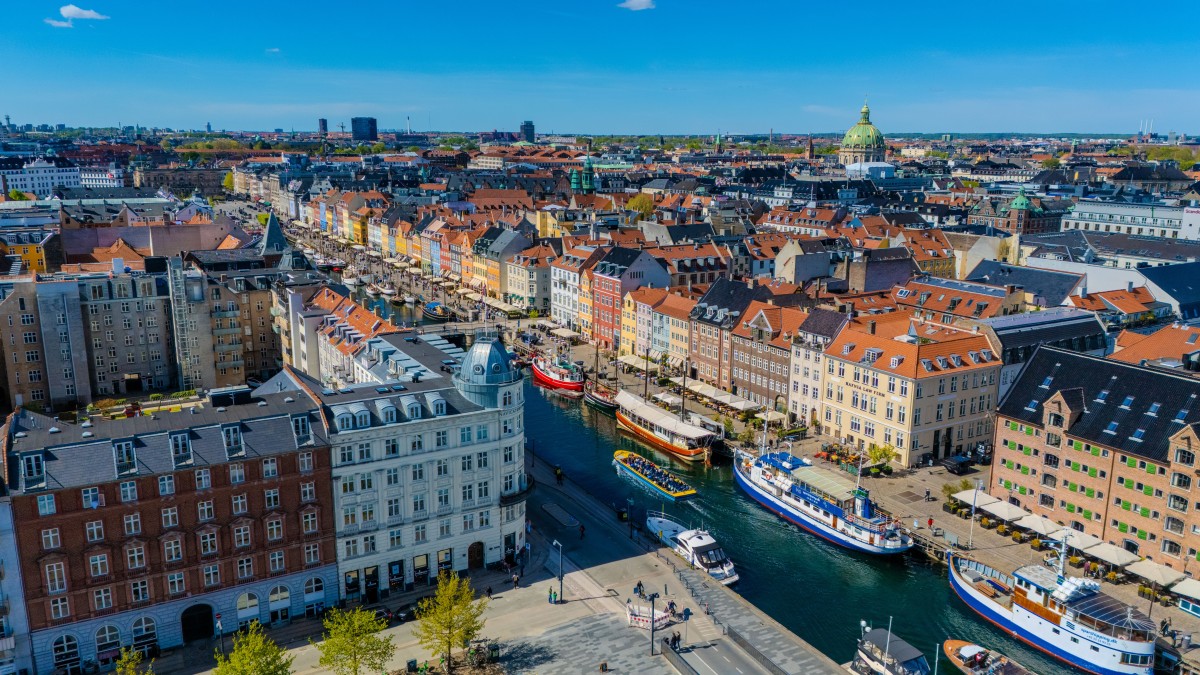
This is where the biggest differences between European countries appear. According to the Global Property Guide, on a €1,500 monthly rent, Denmark is where landlords pay the most, at 42.11%, followed by the Netherlands at 36% and Finland at 30%.
The most favourable countries in this case are Cyprus, at 0%, and Luxembourg, at 2.94%. On a €12,000 annual rent, Belgium tops the list at 47.27%, followed by Denmark at 43.22%, and Germany and Greece, both at 41%.
In some countries, the percentage does not vary. In Italy, landlords pay a flat rate of 21% on rental income. In Portugal, until recently, landlords faced a 28% IRS rate on rental income (Category F). That rate has now fallen to 25%, and it can be reduced further depending on certain conditions.
Among the countries where the tax burden increases most sharply is Austria, where rental income is taxed under the same progressive scale as employment income, starting at 0% below €13,308 and rising to 55% above €1 million.
Capital gains tax on the sale of a property
This is one of the most socially debated taxes, particularly in Portugal. When you sell a property, you may have to pay income tax on the capital gain.
In this respect, Denmark is the most punitive country, taxing capital gains at up to 52.07% when combined with total income. Luxembourg follows at 45.78%, and Germany at 45%, completing the top three.
Germany has a specific rule. If you have owned a property there for more than ten years, the entire capital gain is exempt from tax. If you sell before completing ten years of ownership, the gain is taxed at the applicable income tax rate, plus a potential solidarity surcharge.
Malta at between 8% and 10%, North Macedonia at 10%, and Romania at 10% are the most favourable. In Malta, capital gains are not taxed in the conventional sense; instead, a fixed rate of 12% is applied to the sale price as a transaction cost. This falls to 5% if the seller is not a property professional and disposes of the property within five years.
Out of 39 countries analysed, Portugal ranks 17th for capital gains tax on property sales, with the rate reaching up to 24%.
So, where do you pay the most property tax?

After analysing the four taxes, the Global Property Guide places Belgium at the top of the European ranking for overall tax burden on buying, owning and renting out property. The only tax that carries less weight there is the capital gains tax, which ranges between 16.5% and 33%.
The most favourable countries overall for owning property are Cyprus and Malta. In Cyprus, tax on rental income starts at 0%, while Malta does not tax capital gains in the traditional way. Neither country levies an annual property tax.
In the end, the sale price of a property is not the only figure that matters; the tax legislation of the country where it is located can make a significant difference.