Before you lay your towel down, it’s worth getting to grips with the beach rules for the 2026 bathing season in Portugal, so you can enjoy the summer without unnecessary hassle or fines. Arriving early to claim a good spot on the sand is practically a tradition, but everyone is expected to respect the regulations that govern how beaches are used.
There are rules covering playing music, ball games on the sand, restrictions relating to dogs, and camping on the beach, among others. These measures remain in force, so it helps to be clear on them and enjoy sunny days with a bit more peace of mind.
What are the new beach rules?

The Beach Notice 2026, published by the National Maritime Authority, regulates the use of bathing areas in mainland Portugal and the Autonomous Region of Madeira. It aims to promote the safety of beachgoers, protect the environment and ensure that everyone can share the space fairly.
Among the main rules are the following:
- Playing music on the beach using speakers or other sound equipment at high volume can disturb other beach users and may lead to fines.
- Playing football on the beach, using beach bats or similar activities are only allowed in designated areas. Where no such areas exist, these activities may be prohibited if they compromise safety or disturb others.
- Camping on the beach, putting up tents or staying overnight on the sand remains prohibited. The same applies to lighting fires or having barbecues on the beach, due to the risks posed to people and the surrounding environment.
- Surfing, kitesurfing and windsurfing, as well as other water sports, must take place in the designated zones, avoiding areas set aside for swimmers.
- Jet skis and other motorised watercraft are not allowed to operate within bathing areas marked by buoys and must use authorised access corridors only.
- Recreational fishing is restricted during the bathing season on beaches used by swimmers, and is generally only permitted outside the daily bathing period.
The controversy over beach umbrellas

On many Portuguese beaches, signage distinguishes between the concession area and the so‑called umbrella area. This leads some beachgoers to believe that if they did not hire a parasol or sunbed, they would not be allowed to set up their own umbrella in front of those sections.
The confusion grew after reports from people who said they had been prevented from placing towels or umbrellas near concession areas. However, the Portuguese Environment Agency (APA) clarified that this prohibition does not stem from the law.
According to the president of the APA, José Pimenta Machado, a concession only covers the licensed area and may not exceed 30% of the usable beach area or 50% of the seafront. The remaining stretch of sand is public.
Outside the occupied zone, any beachgoer may set up their own umbrella, towel or windbreak, even directly in front of rental sunbeds.
Playing music on the beach: what are the rules?
Bringing a portable speaker to liven up the day might seem harmless, but the law protects other people’s right to rest. As a result, playing music on the beach at high volume or creating excessive noise with sound equipment can lead to a fine of between €200 and €4,000.
This rule applies to devices used by beachgoers on the sand. Alternatively, headphones can be used to listen to your favourite music on the beach, or you can simply leave electronic devices at home and enjoy the sound of the sea and the natural surroundings.
Background music played by beach bars or concession establishments follows a different regime and is not subject to the same limitations.
Dogs on the beach: what you need to know
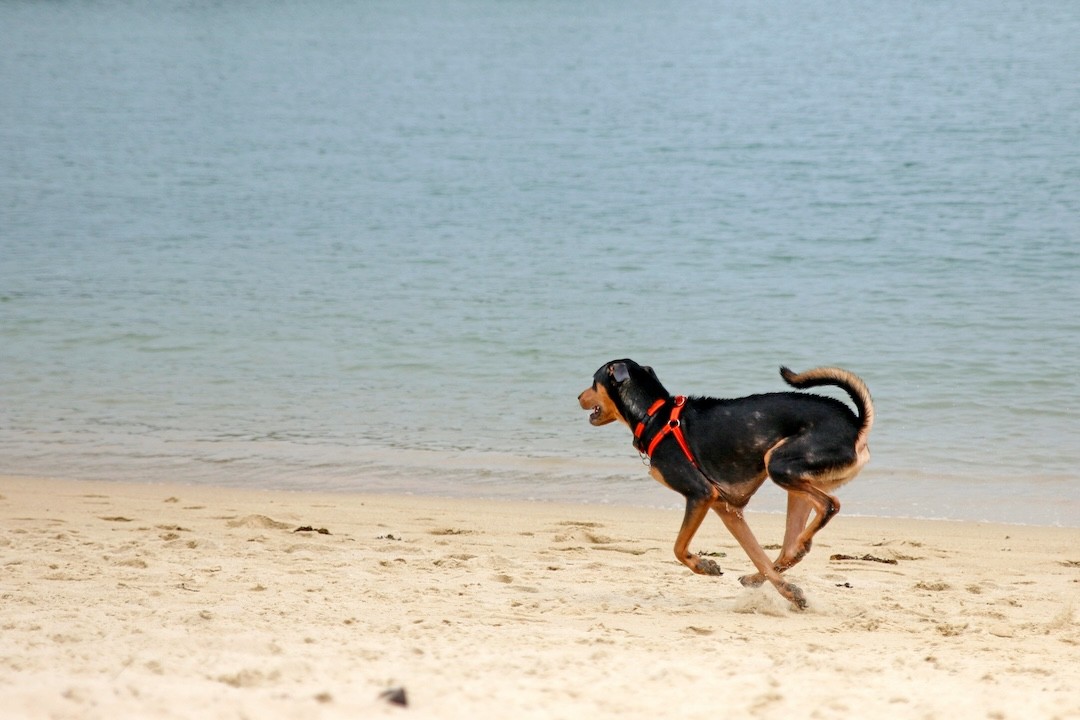
The presence of dogs on the beach during the summer requires attention to the rules. On most concession beaches, particularly those awarded Blue Flag status, pets are prohibited during the bathing season, with fines ranging between €55 and €550.
To enjoy the seaside with your four‑legged companion without problems, keep the following in mind:
- Where and when to go: choose pet‑friendly beaches such as Praia dos Pescadores in Oeiras or Praia da Ramalha Sul in Esposende, opt for non‑concession beaches without signage prohibiting animals, or visit standard beaches outside the bathing season.
- Duties and exceptions: always use a lead, and a muzzle if required, clean up after your dog and comply with hygiene rules. Certified assistance dogs are an exception and are allowed access at any time.
What is the fine for camping on the beach?
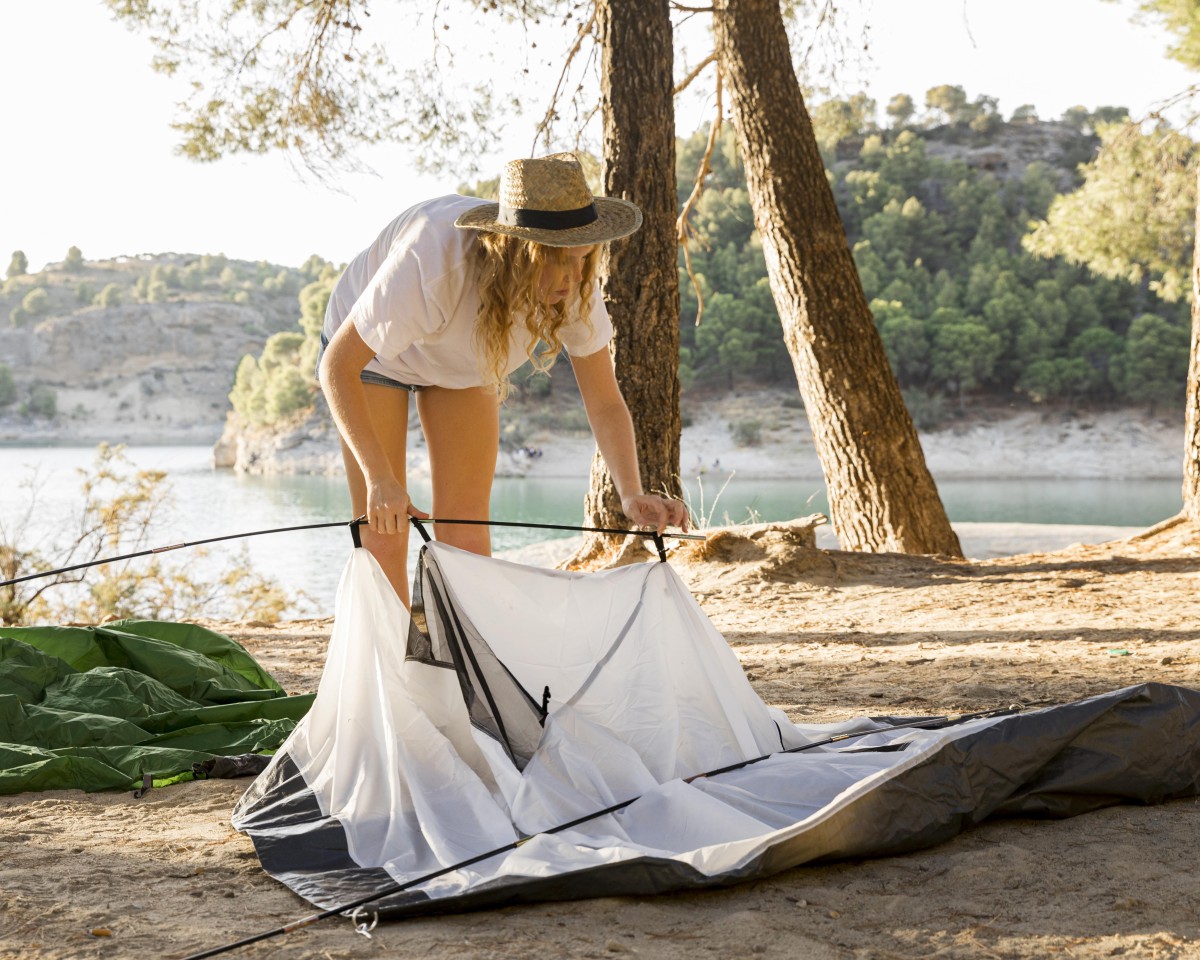
Camping or staying overnight on the sand remains prohibited during the bathing season. Putting up tents or any other type of shelter may result in a fine of between €30 and €100.
This is not the only offence that can prove costly. Some of the main beach fines for failing to comply with the rules include:
- Camping or sleeping on the beach: fine between €30 and €100;
- Playing football on the beach or using beach bats outside designated areas: fine between €30 and €100;
- Surfing, kitesurfing or windsurfing in areas reserved for swimmers: fine between €55 and €550;
- Driving or parking vehicles on beaches, dunes or protected areas: fines that can reach €2,500, depending on the offence.
In addition, it is prohibited to leave rubbish on the beach or damage dunes and surrounding vegetation, as these areas play an essential role in protecting the coastline.
When does the 2026 bathing season end in Portugal?
Portuguese bathing areas remain a popular summer destination, covering both Atlantic coastal beaches and inland river beaches. However, the 2026 bathing season does not end on the same date everywhere in the country.
Although the official period may extend until 31 October, the duration is set individually for each beach, taking into account visitor numbers and local characteristics. In 2026, 673 bathing waters were identified in Portugal: 525 on the mainland, 88 in the Azores and 60 in Madeira.
Stay inspired for your travels in Portugal —get our weekly newsletter for the latest travel, legal, and lifestyle news