

The Algarve has a bit of a reputation as wall‑to‑wall resorts and sunbeds, but once you step away from the coast, a different side appears. Think hill villages where old men still play cards in the café, fish markets where people actually buy their lunch, and salt pans that feel a world away from the all‑inclusive pool.
There are lots of things to do in the Algarve beyond the resorts and beaches that feel more local, more low‑key and a lot more interesting.
Get lost in the old streets of Silves
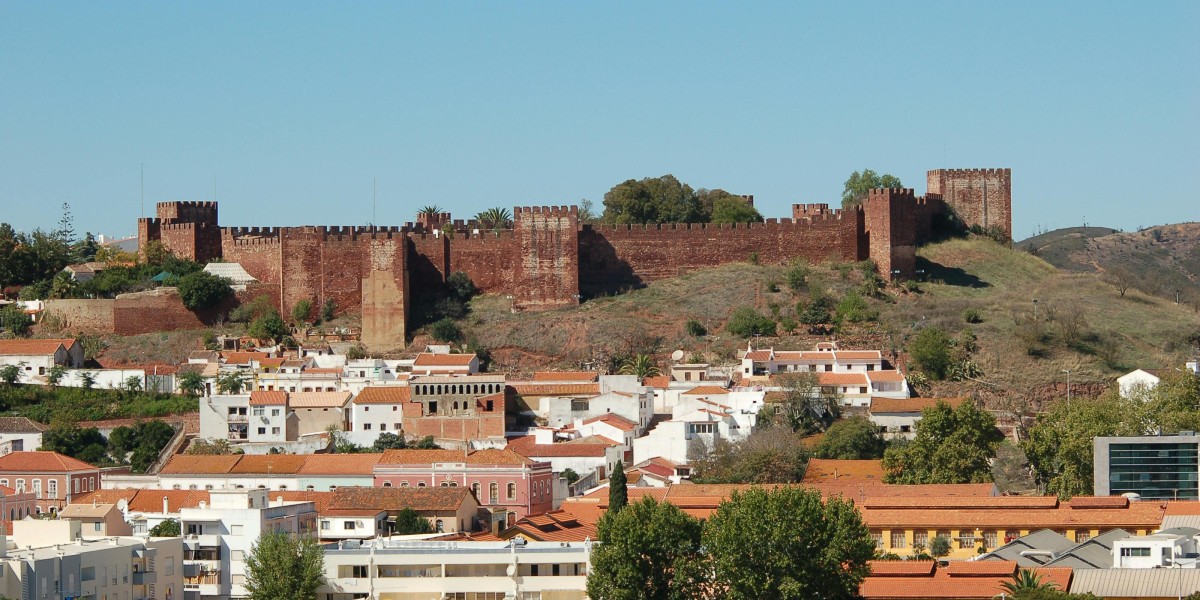
Silves is one of those Algarve towns where you suddenly remember this part of Portugal has a long, layered history. The town climbs up from the river towards a red sandstone castle that once guarded the region when it was an important Moorish capital. The streets are steep and narrow, lined with white houses and the odd tiled façade, with views opening up as you climb.
It is an easy one to fit into a coastal holiday because you can come up for half a day, wander the castle and the cathedral, then drop into a simple café for a coffee or a glass of vinho verde. Away from the main square, life feels pretty normal here – kids going to school, neighbours chatting at the door – which is a nice antidote to the strip in Albufeira.
Stroll up to Caldas de Monchique
Caldas de Monchique sits in the Serra de Monchique hills and feels cooler, greener and softer than the coast. There is a tiny spa village wrapped around thermal springs that have been used since Roman times. with old buildings, tiled details and lots of shade from the trees.
Everything is walkable once you’re there. There are short forest paths, picnic spots with old stone tables, and a handful of places to sit with a drink and listen to the water. The nearby town of Monchique itself is worth a look as well. It has hilly streets, viewpoints like Foia, and simple taverns where you can try chouriço and a small glass of medronho if you are brave.
Wander Loulé’s market and backstreets
Loulé is one of those places where everyday Algarve life is still ticking along while everyone else is at the beach. The covered market in the centre is the big draw, with its mix of fish stalls, butchers, fruit and veg, and counters selling local products like honey, nuts and cured meats. It is busy in the morning, especially on Saturdays, when people come in from the surrounding countryside.
Step away from the market and you find a tangle of backstreets with small shops, tiled façades and local cafés that do cheap meia de leite and pastel de nata. There are still traces of the town’s Islamic past in the old walls and the restored bathhouse. It is the sort of place to simply wander, stop for coffee, buy picnic bits and people‑watch.
Hop between whitewashed villages
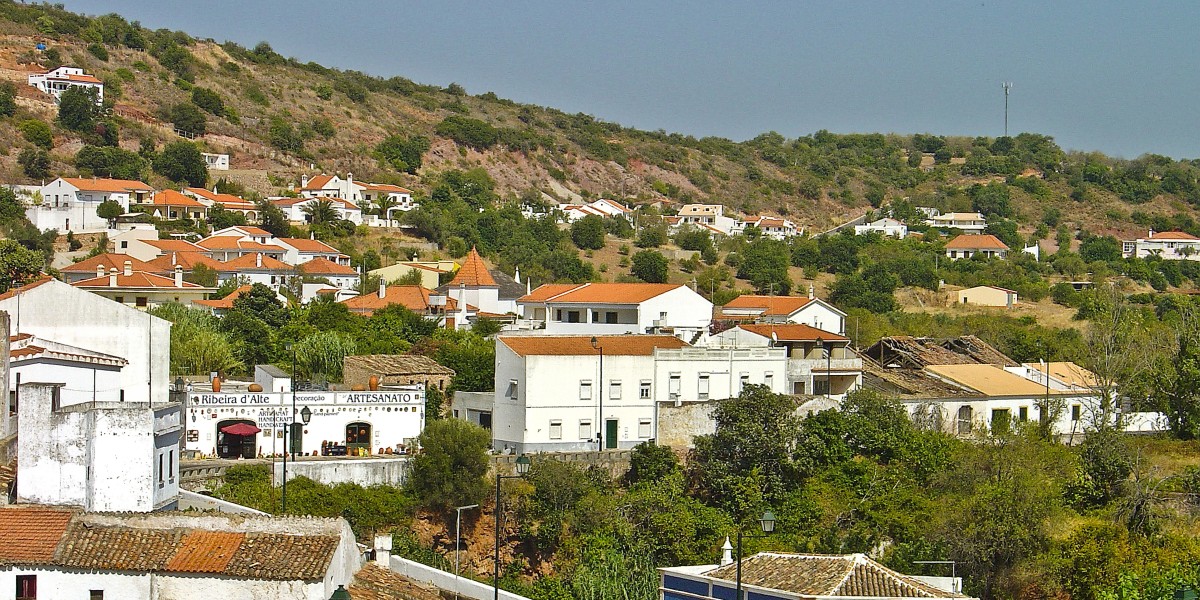
If you fancy the countryside without going too remote, the small inland villages around Loulé and Silves are lovely. Alte is one of the best known, but it still feels like a real village with a couple of fountains, a small church and houses that tumble down the hillside. On warm days, locals swim in the nearby natural pools and sit under the trees with plastic chairs and beer.
Querença is another spot that is still fairly low‑key. There is a main square with a church, a café or two and houses that are all white with colourful trim. You can join short walking paths around the village, look out over the countryside and then sit down for a simple lunch. If you have a car, linking a few of these villages together makes for a gentle day out that feels very different to resort life.
Take a lazy river trip
Plenty of people know Portimão for its big beaches and marina, but the river that runs past it is just as interesting. Boat trips on the Arade River go inland towards Silves, swapping cave selfies for reed beds, birds and quiet stretches of water. It is a softer sort of outing, especially in the late afternoon when the light is low, and the riverbanks start to glow.
Most trips give you some free time in Silves, so you can explore the old town and castle as well as enjoy the journey itself. It is a good compromise if you are with someone who really wants a boat trip, but you cannot face another crowded cave tour. Check departure points in Portimão and Ferragudo, and keep an eye on tides and timings, as the river is tidal and schedules change a bit through the year.
Explore the Ria Formosa by traditional boat
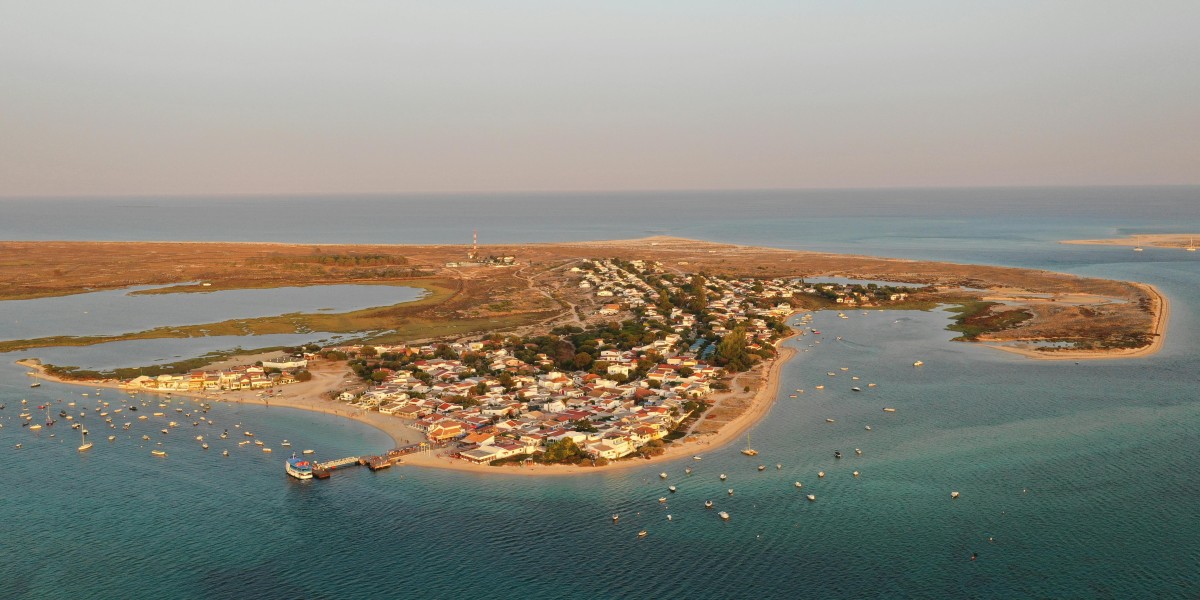
Down in the eastern Algarve, the Ria Formosa lagoon system stretches along the coast with islands, sandbanks and marshes. Rather than treating it as a way to reach yet another strip of sand, you can take small boat tours that focus on the nature of the place. Trips leave from Faro, Olhão and Tavira, often in traditional wooden boats or small catamarans.
A good tour feels more like a gentle lesson in the local ecosystem than a beach shuttle. You glide past oyster farms, watch wading birds and hear how the lagoon shapes life in the fishing communities dotted along its edge.
Taste wine on a countryside estate
The Algarve is not the first region that pops into most people’s heads for Portuguese wine, but once you get inland, you start seeing vines everywhere. Around Lagoa and Silves, you find estates where you can stroll between rows of vines, see the cellars and sit down to a small tasting. Some of the wineries have sculpture gardens or art dotted around the grounds, which makes the whole thing feel more like a slow walk than a formal tasting.
Most places require advance booking, especially in summer, and it is worth checking whether they include nibbles or a proper meal. It is an easy half‑day if you are based between Portimão and Albufeira and have a car. Without a car, you can sometimes arrange transfers or group tours that combine a winery stop with a nearby town, which solves the designated driver question.
Visit a pottery workshop in Porches
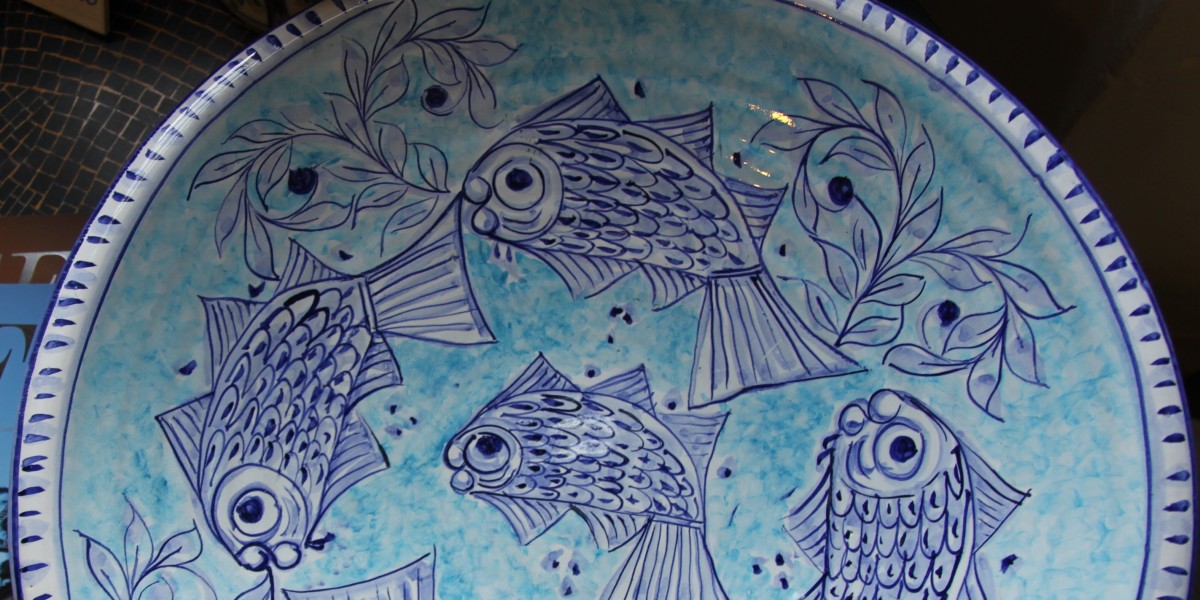
Porches sits quite close to the coast, but its ceramic workshops pull you into a different world. For decades, potters here have been hand‑painting plates, bowls and tiles in bright, traditional patterns. A few workshops are big enough to welcome visitors, with viewing areas where you can watch people shaping pieces and painting by hand.
You can also pick up pieces directly from the source, which usually means better quality and more interesting designs than the standard tourist‑shop plates. Some studios occasionally run short taster sessions where you can paint a tile or small object yourself.
Learn about cork in São Brás de Alportel
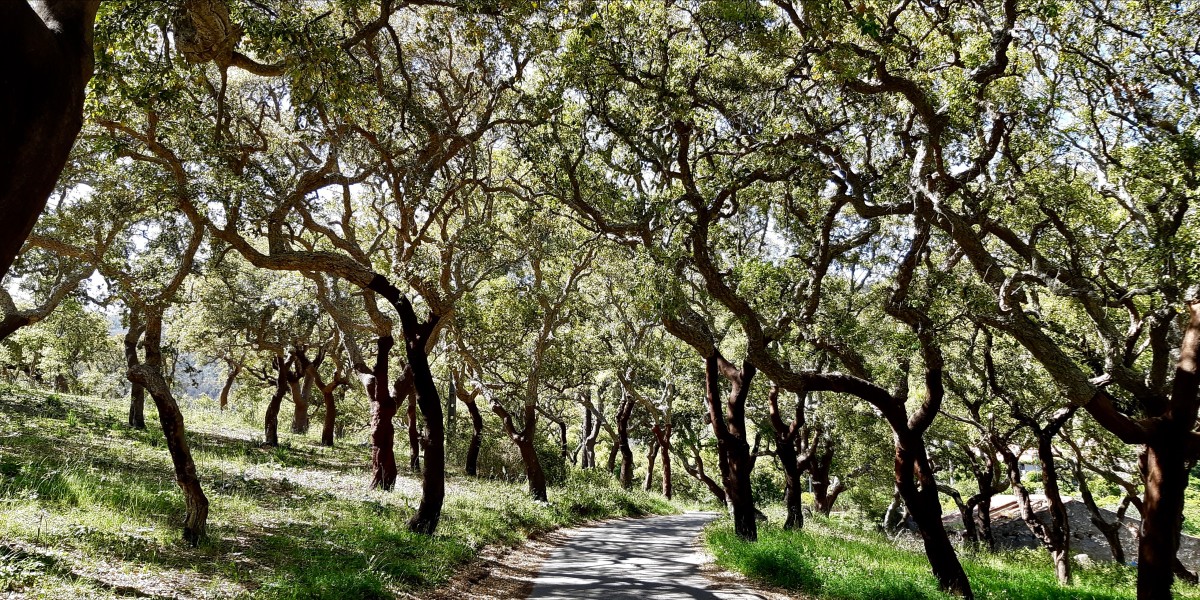
Cork is one of those everyday materials you hardly think about until you see how much work goes into producing it. Around São Brás de Alportel, the hills are covered in cork oak trees, and the town has built a bit of a mini identity around that. There are small museums and guided visits that explain how cork is harvested, processed and turned into everything from stoppers to bags.
It is surprisingly interesting, especially if you walk or drive out into the surrounding countryside and see the numbered trees with their stripped trunks. The town itself has a low‑key feel, with cafés and small restaurants serving very traditional Portuguese dishes. Pairing a morning learning about cork with a slow lunch in a local tasca makes for a day that feels properly grounded in the region.
Soak in salt‑pan mud at Castro Marim
Right by the Spanish border, the salt pans of Castro Marim sit in a wide open landscape of white mounds, shallow pools and birds skimming across the water. These salt flats have been worked for centuries and now double up as a slightly unusual wellness spot. Some operators run pools where you float in super‑salty water and smother yourself in mineral‑rich mud before rinsing off.
It is a very simple set‑up. Think wooden walkways, big salt piles and bright sun, rather than a fancy spa. The feeling of weightlessness in the dense water is oddly addictive, and between dips, you can look out towards Spain across the Guadiana River.
Eat your way around Olhão’s mercado and seafood taverns
Olhão is a proper working fishing town, and it shows the moment you reach the waterfront. The twin market halls sit right by the harbour, one side stacked with fresh fish and seafood, the other with fruit, vegetables and local products. Mornings are the time to go, especially on Saturdays when the outside stalls spread along the promenade and locals do their weekly shop.
Once you have had your fill of watching people pick out squid and sardines, you can duck into one of the small restaurants and bars behind the market. Many serve whatever has just come in, grilled simply with potatoes and salad. Arguably one of the most beautiful fishing villages in the Algarve, it feels very different to the multilingual laminated menus along more touristy strips.
Drift through Tavira at twilight
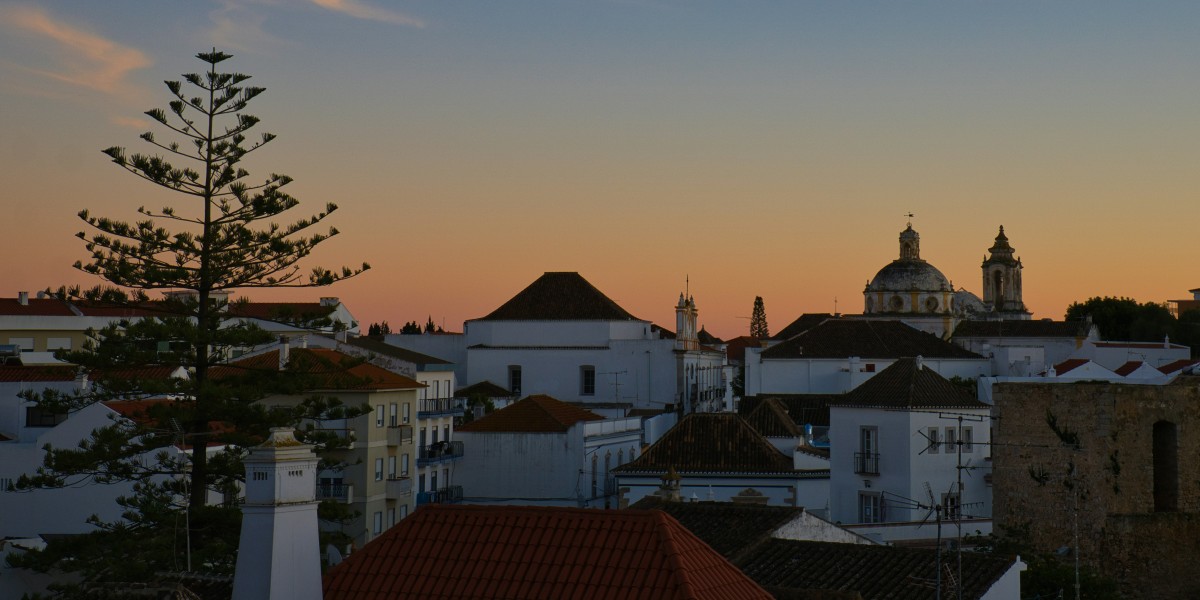
Tavira is one of the prettiest towns in the Algarve, but once the day‑trippers head back to their hotels, it calms right down. In the evening, the light along the river and around the old Roman bridge gets soft, and you can wander through tiled streets without the midday heat. It is lovely to stroll up to the castle walls for views over the rooftops, then drop back down to a small square for a drink.
The town has a good mix of restaurants and pastelarias, with enough choice to keep you happy for a few days without feeling like a resort strip. Because Tavira is on the train line and has bus links, it works well as a car‑free base if you want to explore the eastern Algarve in a slower way.
Stay inspired for your travels in Portugal —get our weekly newsletter for the latest travel, legal, and lifestyle news.
For a taste of the high life, sign up for the monthly luxury market round-up.

Total solar eclipse in Portugal 2026: when and where to see it
A solar eclipse is one of those rare sky shows Europe actually gets to enjoy properly this year. 2026 is extra special because a total solar eclipse in Portugal has not been visible since 1912. On 12th August, the country will see the eclipse clearly, with a corner in the far northeast experiencing the full blackout and the rest of the country watching the Sun turn into a deep crescent.

Regional and municipal holidays in Portugal in 2026
National holidays are only half the story in Portugal. The real curveballs for work, school and travel plans are often the regional and municipal holidays – the days when one city is completely shut while the next town over is business as usual. If you live here, work remotely for a company abroad, or have kids in Portuguese schools, it helps a lot to know when your area takes its “day off”.

Public holidays in Portugal 2026: national calendar and long weekends
Portugal has a knack for turning public holidays into proper occasions, with everything from quiet family lunches to all‑night street parties. If you live here, juggle school terms, or commute across borders, having Portugal’s public holidays for 2026 in one place makes life a lot easier.

UNESCO World Heritage cities to visit in Portugal
UNESCO cities in Portugal may be few – there are five in total across the mainland and islands – but they tell a disproportionate amount of the country’s story. Each one has a historic centre recognised by UNESCO for its “outstanding universal value”. Exploring Portugal’s UNESCO World Heritage cities is one of the most efficient ways to understand how the country evolved. While on your tour of Portugal's UNESCO sites, it also gives you characterful bases for short breaks or longer st

The best Portuguese destinations for a January city break
January is an ideal time for a city break in Portugal. The post-Christmas calm, lower accommodation prices and milder winter weather make sightseeing more enjoyable than in the busy summer months. Portugal’s rich history, vibrant culture and unique gastronomy ensure that travellers have plenty to discover, even in the heart of winter.