It’s not every day that a city perched on steep riverbanks is crowned the most walkable city in Europe, but that’s exactly what recent research has found. Compact, historic and tightly stitched together along the Douro, this Portuguese proves that hills don’t automatically cancel out walkability.
Porto named the most walkable city in Europe
According to research by luggage storage company Radical Storage, Porto ranks joint first as the most walkable city in Europe. It shares the top spot with Milan, where both cities scored 9.9 out of 10.
The study measured the average distance between each city’s five most popular attractions, along with estimated walking time, step counts and elevation gain. Athens, Copenhagen, Antwerp and Bergamo followed just behind in the ranking.
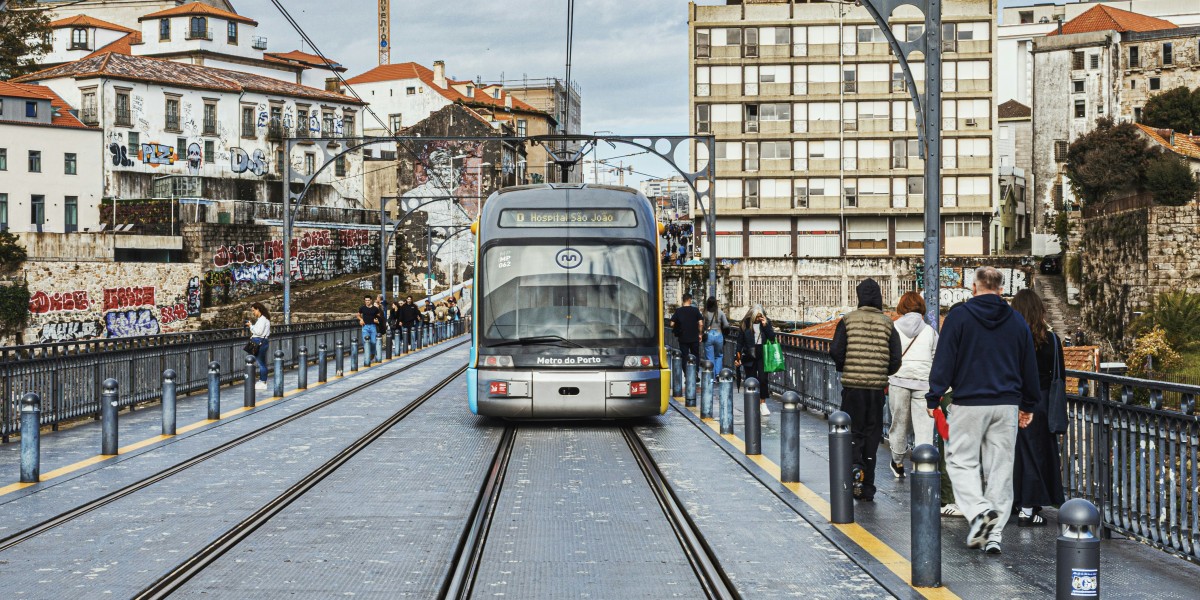
Why Porto ranked number one for walkability
The key to Porto’s joint first-place ranking lies in how closely its main attractions sit together. The five-stop route identified by Radical Storage threads through the historic centre and down to the river in a continuous, logical line.
Porto’s total route comes in at just 1.9 kilometres, taking around 30 minutes on foot. The elevation gain is 25 metres, which is steeper than Milan’s, but still manageable across a short stretch.

The 30-minute walking route unfolds like this:
- Capela das Almas – the azulejo-covered Chapel of Souls
- Catedral do Porto – a fortress-like Romanesque cathedral overlooking the old town
- Luís I Bridge – the 19th-century iron bridge spanning the Douro
- Cais da Ribeira – the riverside quarter lined with narrow houses, cafés and small restaurants.
- Douro River – the waterfront itself, where the city opens up, and traditional rabelo boats drift past
Despite Porto’s reputation for steep streets, these landmarks sit within a tight radius. However, it’s worth keeping in mind that the ranking focuses on headline attractions rather than every residential district.
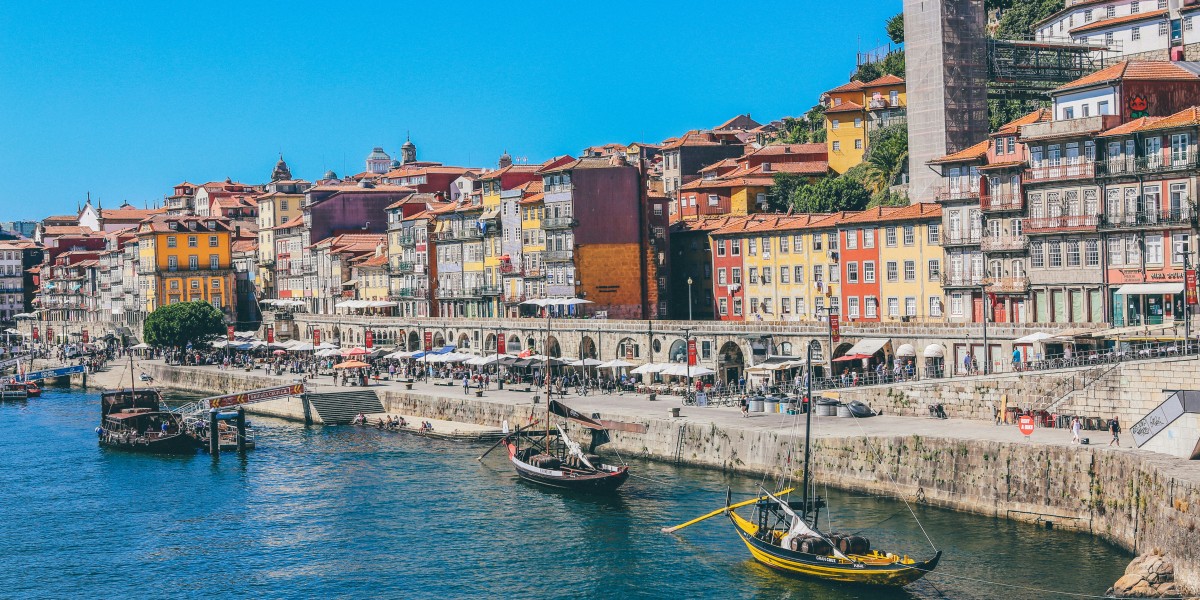
Living in Porto
Thinking beyond a long weekend, living in Porto has a different rhythm from Lisbon. The compact centre means errands, cafés and coworking spots tend to sit within walking distance. This convenience partly explains the growing attention from foreigners to Porto and northern Portugal, also drawn by the region’s strong quality of life and long-term investment prospects.
Stay in the know about living in Portugal as a foreigner—get our weekly newsletter for the latest travel, legal, and lifestyle news.