If someone tells you that you can experience a tropical setting without leaving Europe, they’re not exaggerating. The so‑called “Hawaii of Europe” is right here in Portugal.
In recent years, this destination has received international recognition and has been highlighted as one of the most desirable places for holidays in 2026.
With its cliffs, green mountains, natural swimming pools and mild year‑round climate, Madeira has many of the features people associate with Hawaii.
- Why is Madeira called the "Hawaii of Europe"?
- What makes Madeira one of the most sought‑after destinations in 2026?
- What to visit in the "Hawaii of Europe"?
- How much does it cost to travel to Madeira?
- Best time to visit the Madeira archipelago
- Madeira: a sustainable tourism trend in Europe
- Is it worth visiting the "Hawaii of Europe"?
Why is Madeira called the "Hawaii of Europe"?
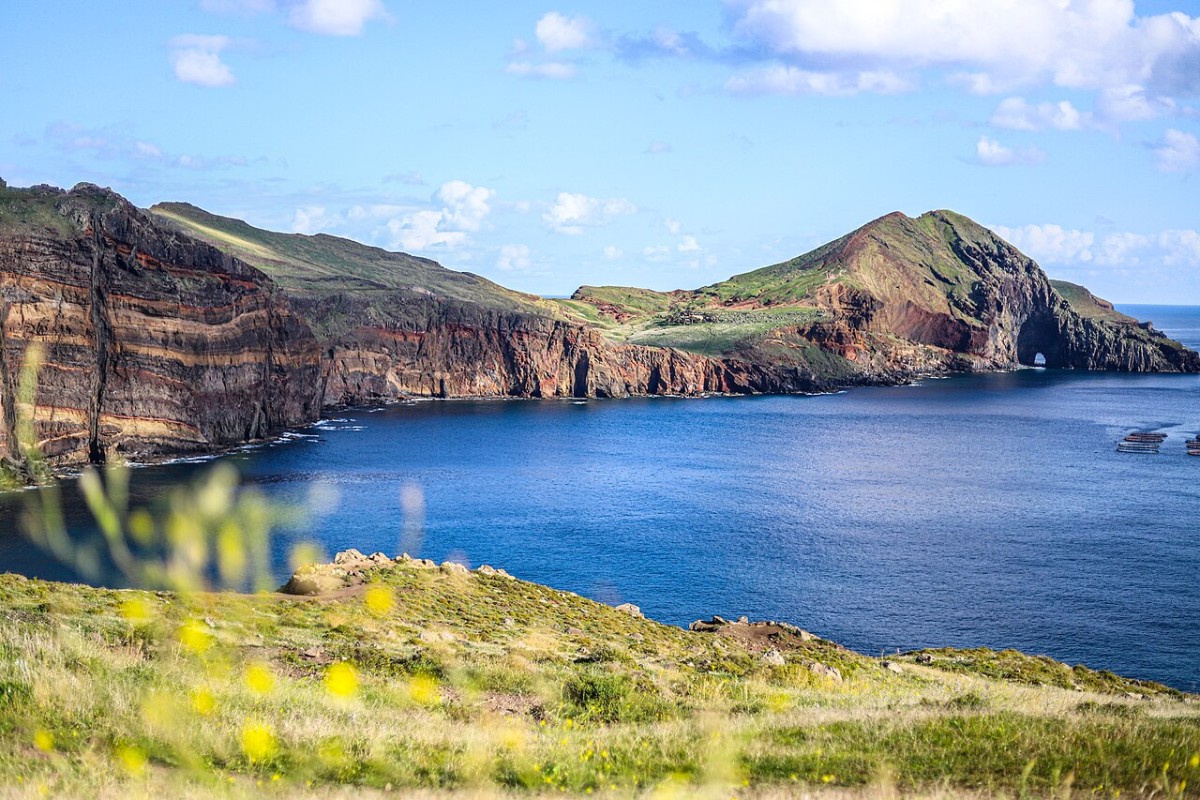
The comparison with Hawaii did not appear by chance. Madeira is a volcanic archipelago, with landscapes shaped by dramatic cliffs, almost endless vegetation and panoramic coastal trails.
Like Hawaii, it offers a rare combination of mountains and ocean within a relatively small area. In addition, its subtropical climate keeps average temperatures between 17°C in winter and 25°C in summer.
Its natural diversity, combined with Madeiran hospitality and the destination’s safety, strengthens this association even further.
International recognition is another important factor. Madeira has repeatedly been awarded “World’s Leading Island Destination” at the World Travel Awards, prizes based on votes from tourism professionals and the public.
What makes Madeira one of the most sought‑after destinations in 2026?
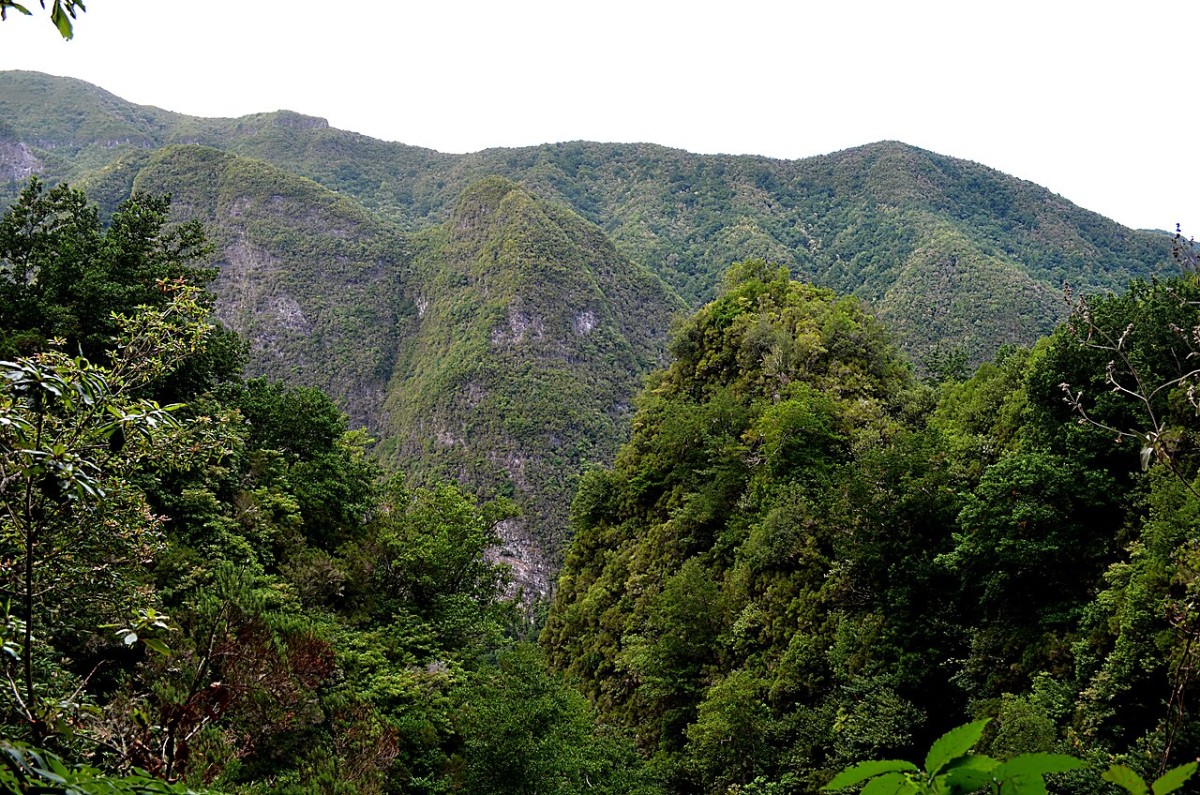
In recent months, several national media outlets have highlighted the growing tourist interest in the archipelago.
Madeira has appeared in international rankings as one of the places to visit in Europe, particularly for those looking for nature, outdoor experiences and mild temperatures outside the traditional peak season.
There are several concrete reasons behind this trend:
- Stable climate throughout the year;
- A trail network that stands out in Europe;
- A wide range of accommodation for different budgets;
- Air connections from several European cities;
- Safety and modern infrastructure.
The increase in flight connections and the focus on sustainable tourism have also contributed to rising demand. Madeira manages to balance protected natural areas with good accessibility, something highly valued by European and North American travellers.
What to visit in the "Hawaii of Europe"?
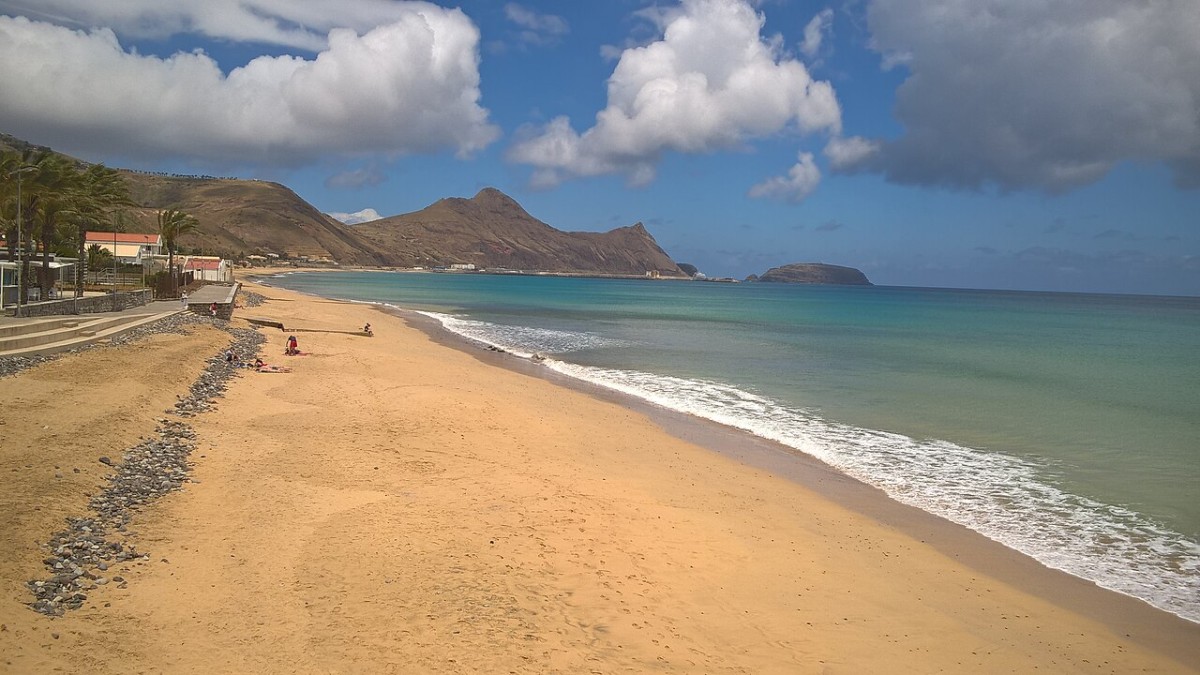
If you are planning a trip to Madeira, there are certain places that should not be missed. The main island holds most of the attractions, but Porto Santo also deserves attention for its long stretches of golden sandy beaches.
Main places to visit in Madeira
- Pico do Areeiro and Pico Ruivo – A mountain trail with sweeping panoramic views.
- Porto Moniz Natural Swimming Pools – Volcanic rock formations where you can swim in seawater.
- Cabo Girão – One of the highest sea cliffs in Europe, featuring a glass skywalk viewpoint.
- Laurissilva Forest – A UNESCO Natural World Heritage Site since 1999.
- Funchal – A lively capital city with the Mercado dos Lavradores, a cable car and botanical gardens.
Each of these places reveals a different side of the island: mountains, sea, culture and biodiversity.
How much does it cost to travel to Madeira?
One of Madeira’s main advantages compared with the real Hawaii is the price.
Prices vary depending on the time of year, how far in advance you book and the type of accommodation chosen. Even so, Madeira is generally an affordable destination for those travelling from mainland Portugal.
- There are regular and frequent flights from Lisbon, Porto and other cities, including low‑cost airlines operating year‑round.
- Accommodation options are varied, ranging from hotels and local guesthouses to rural tourism units and resorts.
As with other tourist destinations, prices tend to rise during periods of higher demand, such as summer, New Year’s Eve in Funchal or the Flower Festival. Outside these dates, it is possible to find more economical options and greater availability.
Best time to visit the Madeira archipelago
For warmer temperatures and more inviting sea conditions, the months between June and October are ideal. Those who prefer hiking and fewer crowds will find spring and autumn particularly pleasant.
Madeira is also a popular winter destination, especially for travellers looking to escape the cold in mainland Europe.
Madeira: a sustainable tourism trend in Europe
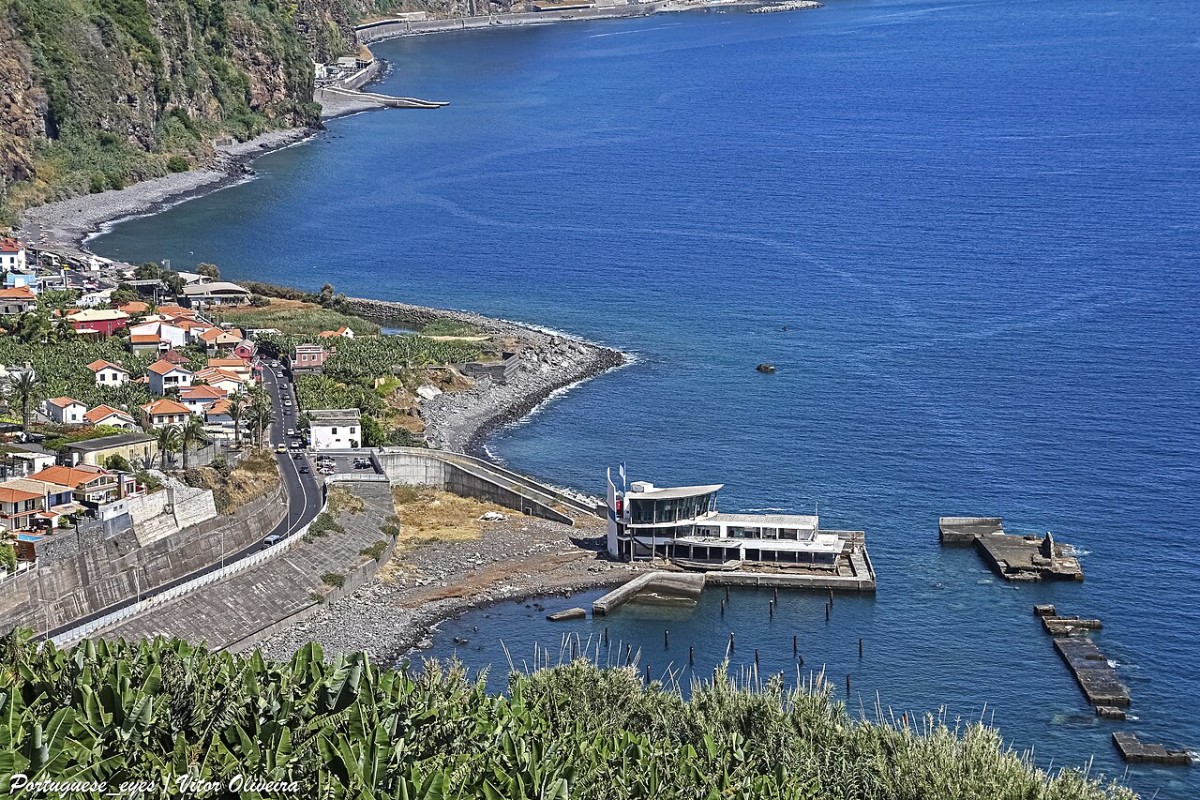
Another factor driving Madeira’s international recognition is its increasing focus on sustainability. The Laurissilva Forest, classified as a UNESCO Natural World Heritage Site since 1999, covers a significant part of the island and is included within the Madeira Natural Park.
For travellers interested in experiences such as:
- Hiking along certified trails;
- Whale and dolphin watching in the Atlantic;
- Local gastronomy based on regional products;
Is it worth visiting the "Hawaii of Europe"?
If you enjoy nature, scenery that looks almost painted, good food and a mild climate, the answer is simple: yes. Madeira combines the exotic feel of a tropical destination with the safety and proximity of a European territory.
It is not just a catchy nickname. The title “Hawaii of Europe” reflects real geographical features, international recognition and growing tourism demand. If you have not yet visited, it may be time to add the Madeira archipelago to your list of upcoming trips.
Stay inspired for your travels in Portugal —get our weekly newsletter for the latest travel, legal, and lifestyle news.