Portugal’s restaurant scene has just had one of its strongest years yet. The Michelin Guide Portugal 2026 has awarded 10 new Michelin stars, plus a new two-star promotion in Lisboa. For a country our size, that’s a big deal.
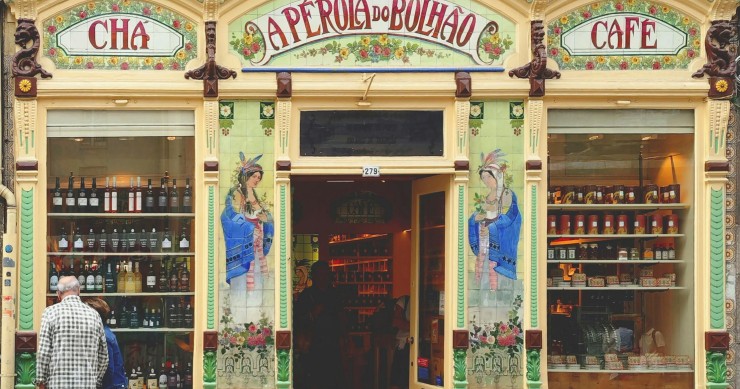
Lisbon’s traditional neighbourhood cafés — once central to daily life in the Portuguese capital — are disappearing. Dozens of long-standing pastelarias and coffee shops have shut down in recent months as commercial rents climb and tourism reshapes entire districts. In many cases, historic businesses are being replaced by international food chains, short-term rental properties or tourist-focused shops.
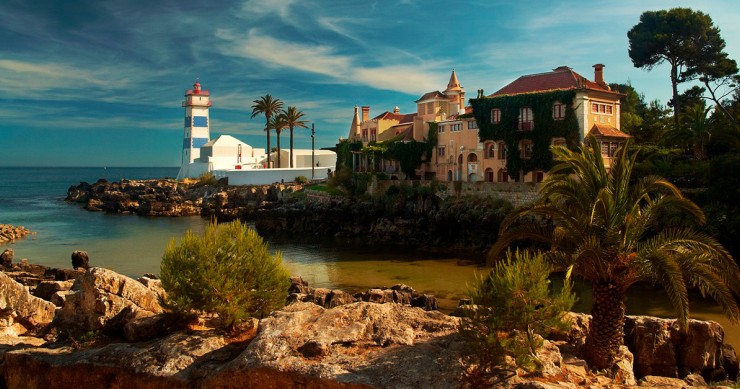
Cascais is one of those seaside towns just outside Lisbon that’s easy to underestimate until you actually spend time there. Once a royal summer retreat, it still carries that polished feel.
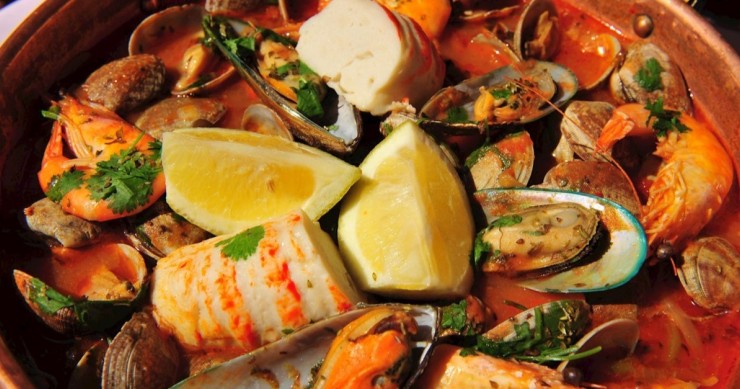
The Algarve isn’t just about beaches and golf resorts. Traditional Portuguese food here leans heavily on the Atlantic, citrus groves and old-school family recipes. Trying local dishes fits neatly with all the things to do in the Algarve, away from the sunbeds.
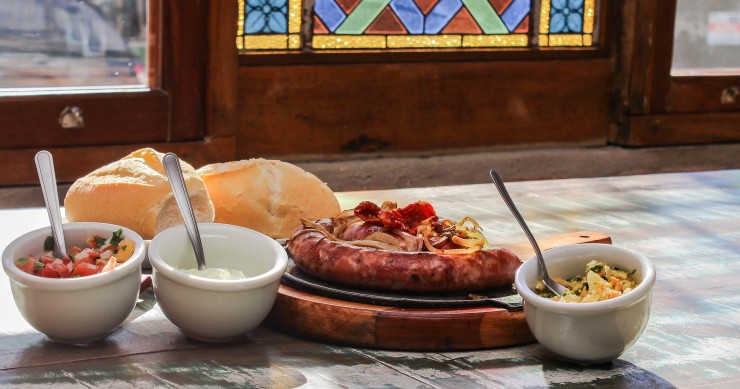
If you spend any time in Portugal, sooner or later, someone will suggest going out to petiscar. It’s one of the most sociable ways to eat, all about sharing plates, lingering over drinks and chatting for hours.
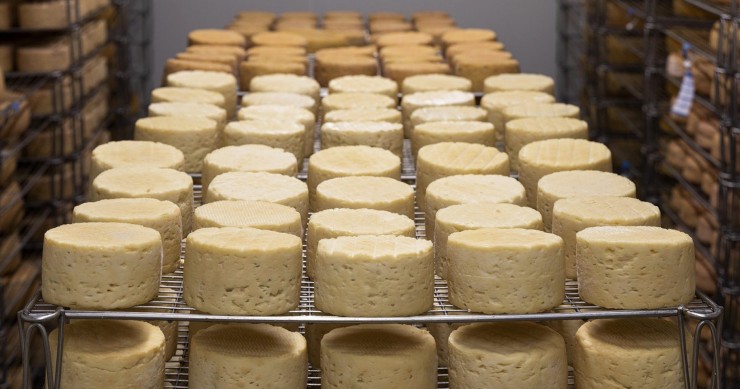
What cheese is Portugal famous for? Beyond its stunning landscapes and historic cities, Portugal is also a paradise for food lovers. Traditional Portuguese cheeses are a true highlight of the country’s gastronomy, many of them carrying the prestigious PDO (Protected Designation of Origin) label.
Lisbon’s food scene is a fantastic mix of the old and the new. You have tiny, traditional restaurants tucked down side streets, right alongside busy food markets where you can try a bit of everything.
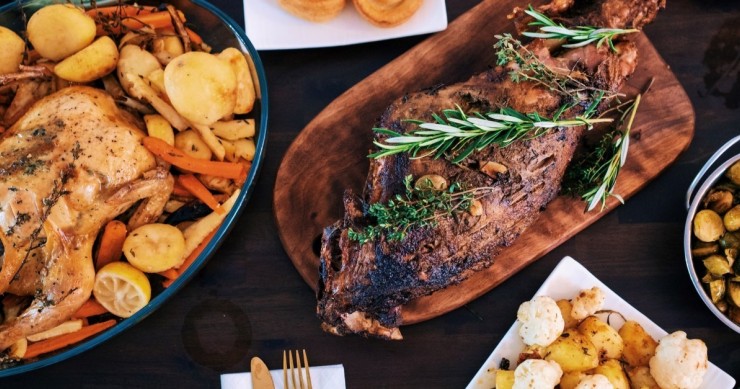
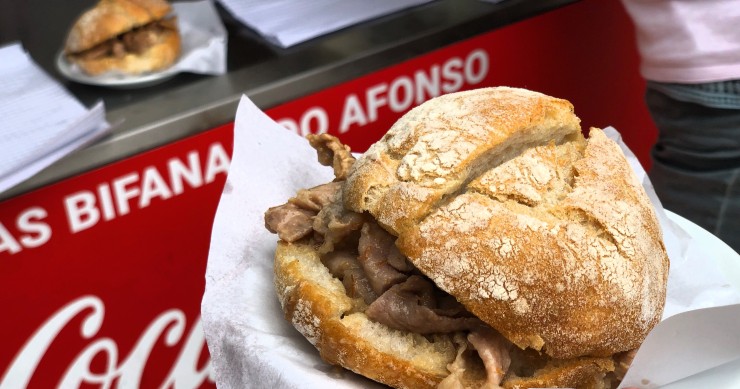
Planning a holiday or thinking of moving to Portugal in 2025? Then you’re in for a real treat—literally. Portuguese food is one of Europe’s best-kept secrets, offering bold flavours, hearty dishes, and rich culinary traditions influenced by Mediterranean and Atlantic cuisines.
Portugal’s got a proper sweet tooth, and it shows—just pop into any pastelaria and you’ll be spoiled for choice. The country takes its pastries seriously, with locals nipping in for a quick coffee and something sweet at all hours.
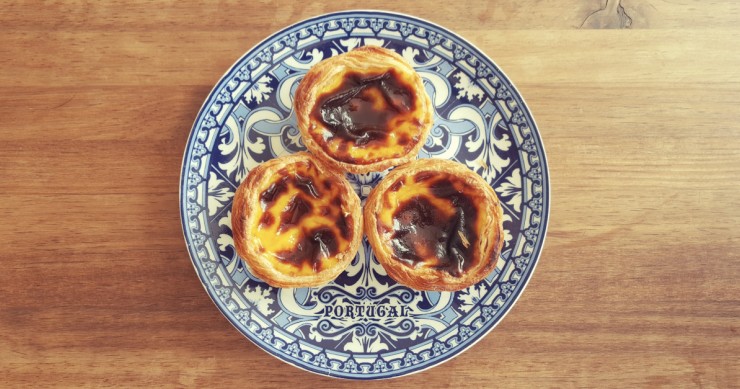
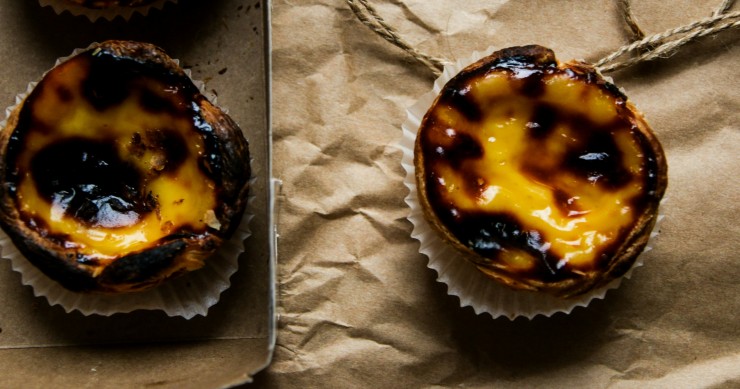
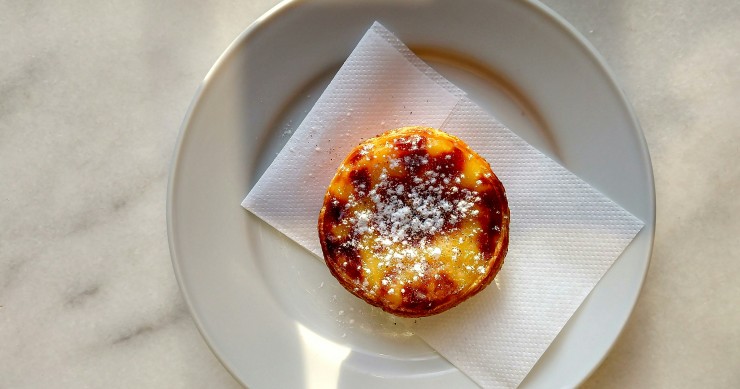
No visit to Portugal is complete without tucking into at least one pastel de nata. Born in the convent kitchens of Lisbon, this little custard tart has become a national icon.
Lisbon isn’t short of things it does well, but the custard tarts you’ll spot in every window from Belém to Alfama might be the city’s proudest export. The hunt for the best pastel de nata in Lisbon is a cherished pastime for both locals and newcomers.
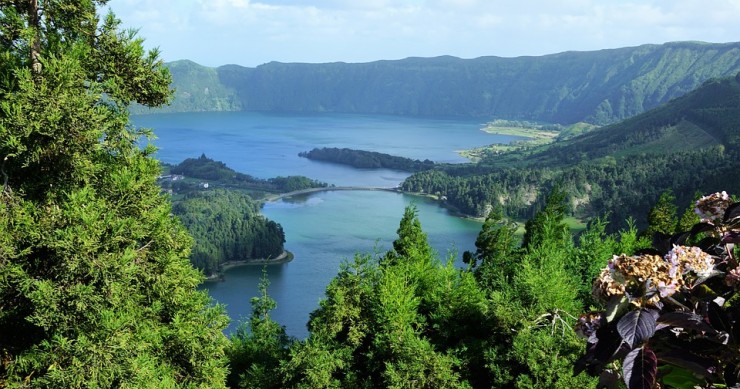
Portugal is an incredible destination, but it can quickly feel overwhelming when tourist hotspots become overcrowded. From packed city centres to busy beaches, many visitors flock to the same famous landmarks. However, there's so much more to explore beyond the typical sights.
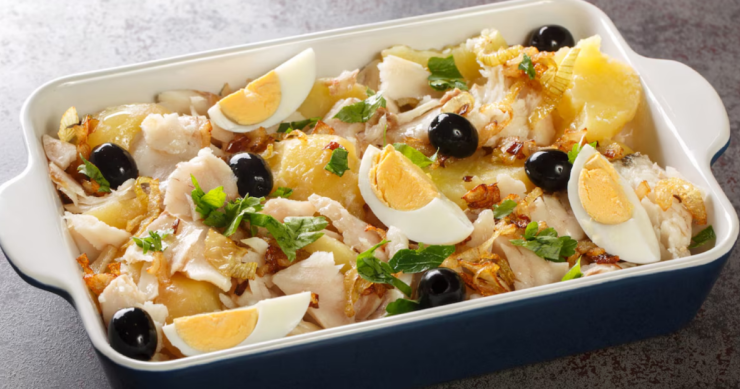
First things first—what exactly is bacalhau, the Portuguese national dish? In Portugal, bacalhau refers to cod, specifically salt cod, which has long been a cornerstone of Portuguese cuisine.
Vale do Lobo, the renowned Algarve resort, is once again setting the standard for fine dining with the opening of three brand-new restaurants, each offering a unique gastronomic experience.
Do you have a sweet tooth? Are you a dessert lover? If your answer is yes, Portugal is a great destination for you. Portuguese desserts are known for their rich flavours, use of traditional ingredients, and a sweet indulgence that reflects the country's culinary heritage.