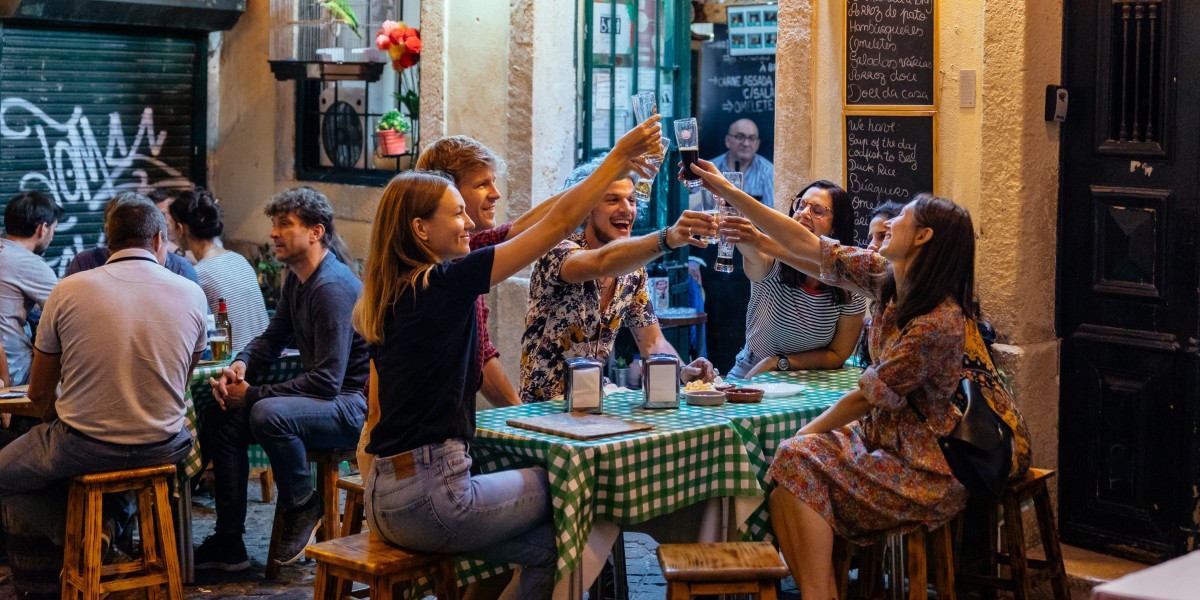
If you spend any time in Portugal, sooner or later, someone will suggest going out to petiscar. It’s one of the most sociable ways to eat, all about sharing plates, lingering over drinks and chatting for hours. Think of it as the Portuguese cousin of tapas, but with its own rhythm, flavours and traditions.
What are petiscos? Meaning, origin and how to pronounce petiscos
At its simplest, petiscos are small plates of food, meant for sharing with friends over a drink rather than rushing through a set meal. The word petisco roughly translates as “treat” or “nibble”, and the verb petiscar is used when you go out to graze on a few things.
Pronunciation-wise, petiscos sounds like “peh-TEESH-kosh” in European Portuguese, with that soft sh at the end. The tradition grew out of old-school tascas (simple neighbourhood bars) and fishermen’s taverns where people would pick at whatever was simmering on the stove or fresh from the sea.
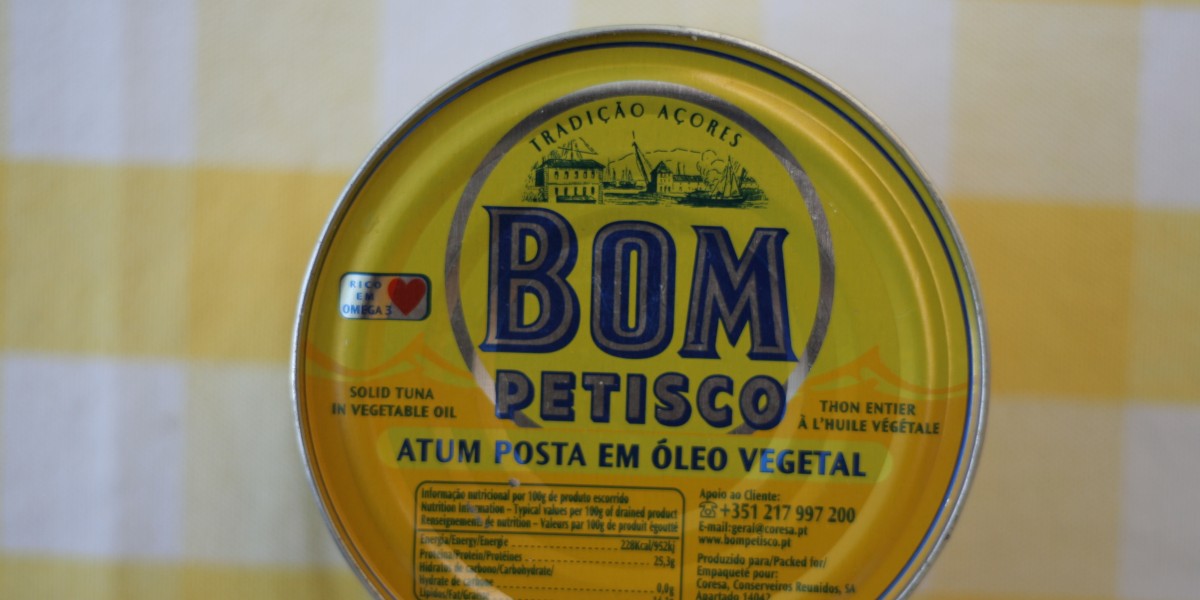
Petiscos vs tapas: how Portuguese tapas differ from Spanish tapas
If you already know Spanish tapas, petiscos feel familiar, but the vibe in Portugal is slightly different. Portions are often a bit more rustic and filling, with lots of bread to mop up sauces.
In terms of flavour, Portuguese small plates lean heavily on salted cod, pork, garlic, olive oil, coriander and vinegary marinades. Spanish tapas tend to feature more paprika-heavy sausages, croquettes and fried things. In a typical petisqueira, you sit down, ask what’s good “hoje” (today), share a few plates, and settle the bill at the end.
Petiscos vs appetisers
A lot of visitors assume petiscos are just starters, but in Portugal, there is a clear difference between entradas and petiscos. Entradas are the little things that land on the table at the start of a meal in a restaurant, like bread, olives and perhaps a simple cheese, whereas petiscos are the main event in their own right, ordered and shared throughout the evening.
Essential Portuguese petiscos everyone should try
A lot of the classics are simple and unfussy, so the difference between a great petisco and a terrible one comes down to freshness and seasoning.
Classic seafood petiscos
Seafood is where Portuguese small plates really shine, especially in coastal cities and fishing towns.
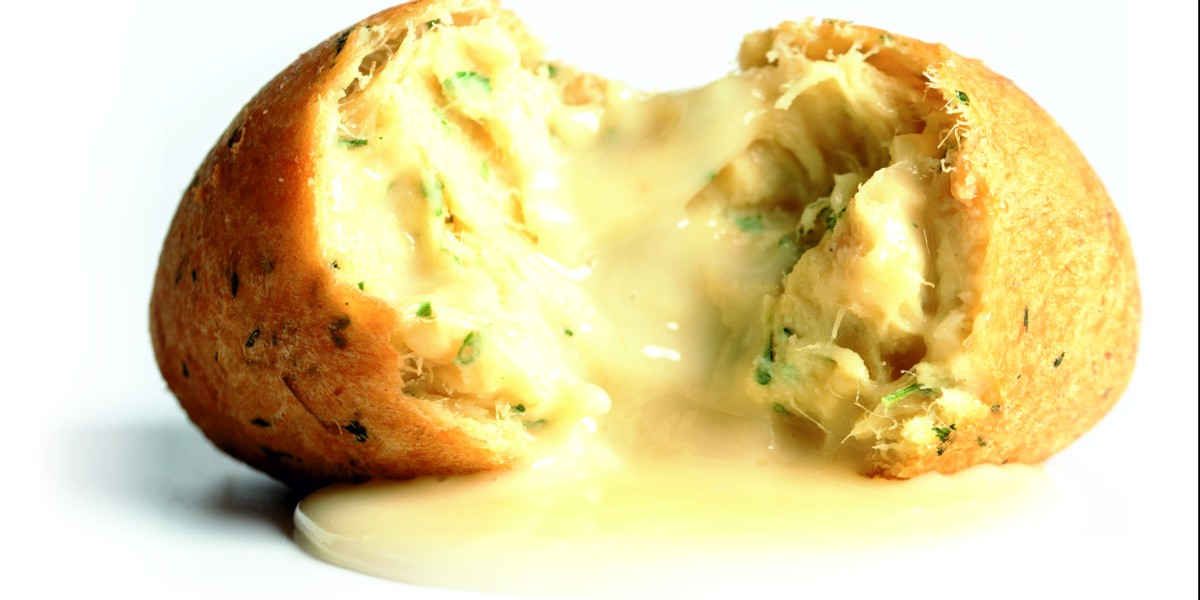
Some of the best seafood petiscos to look for are:
- Pastéis de bacalhau: cod fritters, usually round and creamy inside.
- Pataniscas de bacalhau: flatter, more rustic cod fritters, a bit crunchier and very satisfying.
- Salada de polvo: octopus salad with olive oil, vinegar, onions and herbs.
- Amêijoas à Bulhão Pato: clams cooked with garlic, coriander, white wine and olive oil.
Meat petiscos and hearty dishes
On the meatier side, petiscos tend to be rich, saucy and designed to keep you going on a long night out.

Good meat petiscos to try include:
- Pica-pau: small pieces of pork or beef in a garlicky, winey sauce.
- Bifanas: thin pork steaks in a tangy, spiced sauce, usually served in a soft roll as a simple sandwich.
- Chouriço assado: smoked sausage grilled on a little clay burner.
- Moelas: slow-cooked chicken gizzards in a rich tomato and spice sauce.
Vegetarian, cheese and snack-style petiscos
It takes a bit more digging if you don’t eat meat or fish, but there are still some genuinely good options on most petiscos menus.
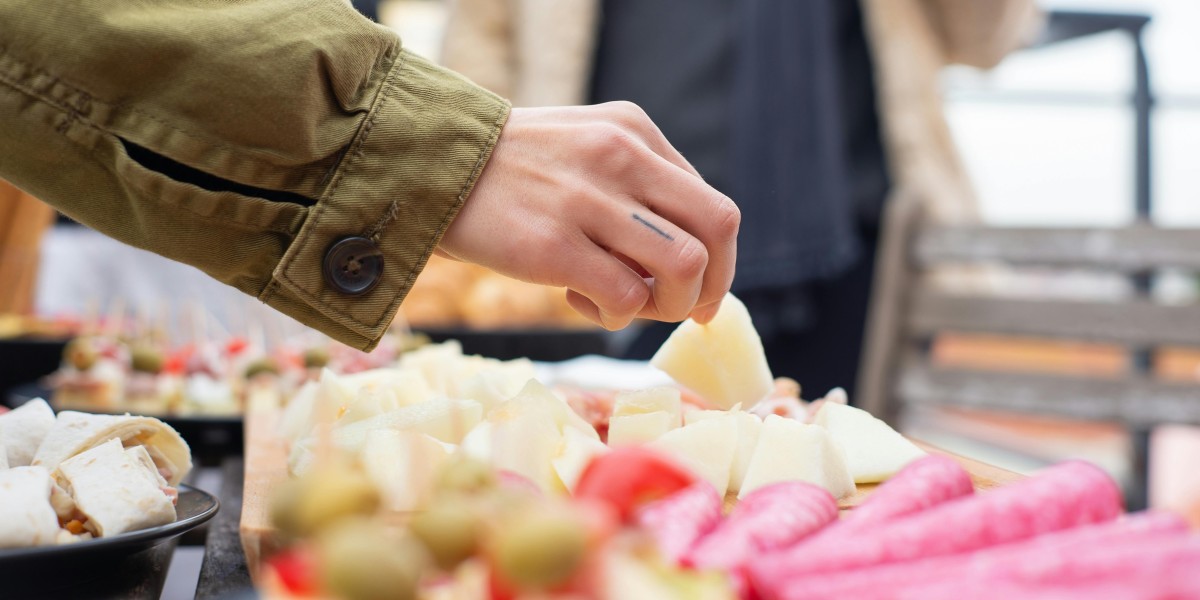
A few reliable vegetarian-friendly petiscos are:
- Peixinhos da horta: battered and fried green beans, light and crispy.
- Tábuas de queijos: cheese boards with regional cheeses, often served with bread and olives.
- Tremoços: brined lupin beans, a classic bar snack that appears with beer all over Portugal.
Where to eat petiscos in Portugal
A tasca is a no-frills neighbourhood bar with basic decor, paper tablecloths and loyal regulars, while a petisqueira is often a bit more focused on the food, with a whole menu dedicated to small plates. Trendier spots in Lisboa and Porto play with modern twists, but the heart of it is the same.
Petiscos in Lisbon’s local hangouts
In Lisboa, the most relaxed petiscos experiences are usually tucked into residential neighbourhoods rather than the main tourist drags. Go in search of some of the city's most traditional food with a session of petiscos, and explore other non-touristy things you can do in Lisbon. Areas that suit a proper petiscos wander include:
- Graça: a hilly, lived-in bairro with viewpoints, narrow streets and plenty of no-fuss bars serving classic dishes.
- Campo de Ourique: more polished and residential, with modern petiscos spots and a decent concentration of food-focused locals.
- Alcântara: down by the river with a mix of warehouses, offices and old-school eateries.
- Less central backstreets around Arroios and Penha de França: slightly rough-round-the-edges in parts, but full of affordable, very local tascas.
Find property for sale and long-term rentals in Lisbon.
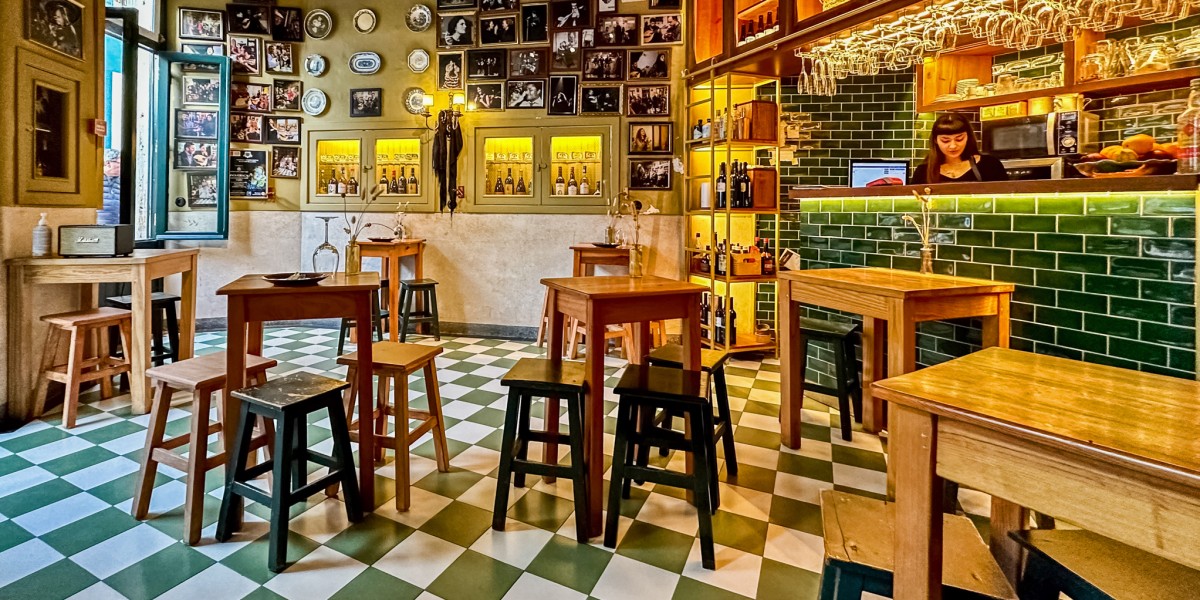
Petiscos in Porto and northern Portugal
Porto and the north have a slightly different petiscos energy, a bit heartier and more old-fashioned, with plenty of regulars propped at the counter.
Good kinds of areas and venues to keep an eye out for are:
- Historic centre backstreets: a step back from the most obvious lanes, with narrow bars serving filling petiscos to a mix of locals and visitors.
- Neighbourhoods just outside the very centre: cheaper, more authentic, often busy around football games and weekend lunches.
- Simple tascas near markets or transport hubs: places where workers grab a quick petisco and small beer between shifts.
Find property for sale and long-term rentals in Porto.
Drinks that pair well with Portuguese petiscos
The default beverage when tucking into petiscos is often a small draught beer, ordered as an imperial around Lisboa and a fino up in Porto. With seafood petiscos, a cold glass of vinho verde is a classic pairing, slightly spritzy and refreshing, and it feels very northern Portuguese. ç
Stay in the know about living in Portugal as a foreigner—get our weekly newsletter for the latest travel, legal, and lifestyle news.
For a taste of the high life, sign up for the monthly luxury market round-up.