When the electricity or gas bill lands at the height of winter, it is easy to see your home’s energy efficiency as a problem that is simply too big to fix. Whistling windows, walls that feel cold to the touch, that one bedroom that never warms up, no matter how long the heating is on. It can seem as though only a full-scale renovation, months of building work and tens of thousands of euros, would solve it. That is not the case, thankfully.
With less than €5,000 well spent, it is possible to improve comfort at home and reduce what you pay your energy supplier each month. The key is the order in which you spend the money: first stop the leaks, then insulate, and only at the end think about equipment.
Starting at the wrong end usually means installing an expensive air-conditioning unit to heat a house that loses warmth in every direction. The money quite literally goes out of the window.
It is also worth remembering that a property’s energy rating is now firmly part of the conversation for buyers and tenants. A home with better performance tends to sell more quickly and at a higher price. The money invested in sealing and insulating does not disappear; it stays in the property, and some of it comes back the day you decide to move.
Diagnosis: identify the weak points in your home

Before buying anything, you need to understand where your home is losing energy.
There is a simple and inexpensive way to check on a windy day: run your hand around windows and external doors and feel where draughts are coming in. Do the same around roller shutter boxes, often overlooked and among the biggest sources of cold air.
Take a look at the ceiling of the top floor and consider whether there is an attic above it, as that is where most heat escapes.
If you already have an energy certificate for the property, it is worth reading it carefully. It usually includes a ranked list of improvement measures and an estimate of the return for each one.
Keep one simple rule in mind. The best euro you can spend is the one that stops heat from leaving or entering the house, not the one that produces more heat or more cooling. Heating a home full of cracks is like filling a bucket with a hole in it.
The measures that deliver the best return per euro
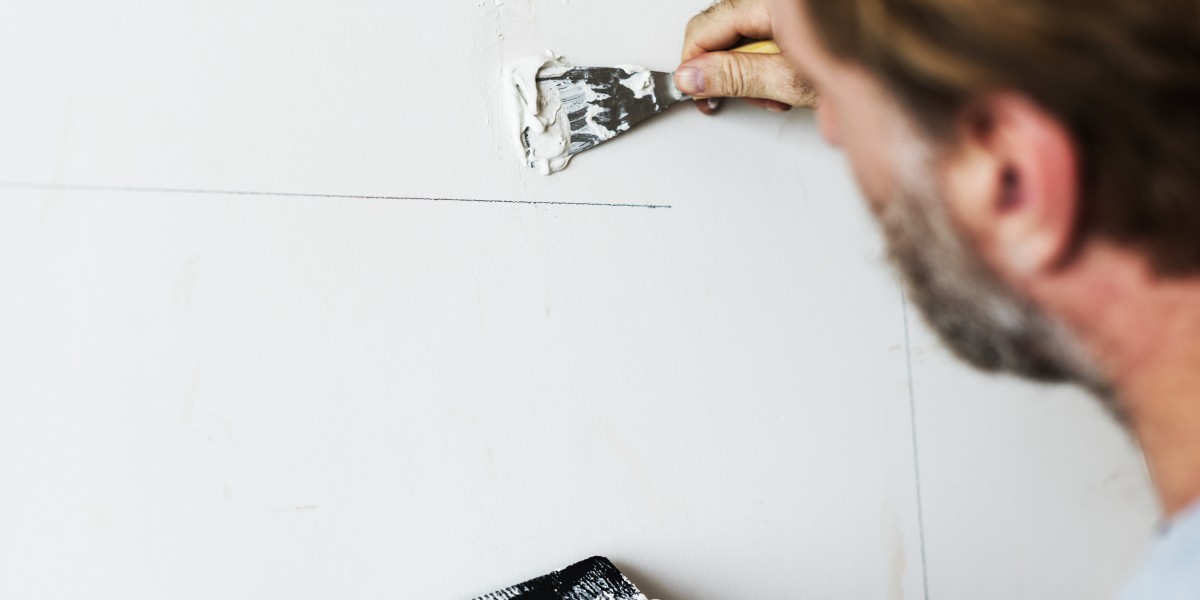
Once the diagnosis is done, it is time to prioritise. This order makes sense for most homes, starting with the cheapest and most cost-effective measure and ending with the most expensive.
- Seal gaps and draught-proof
This is the cheapest job and the quickest to pay off. Self-adhesive strips for doors and windows, silicone for joints, door sweeps on thresholds leading outside.
Materials for an entire home cost only a few dozen euros and can be fitted over a weekend. On its own, this step already reduces the draughts that force you to turn up the thermostat.
- Insulate the roof or attic
This is usually the best investment in a house or a top-floor flat. Warm air rises, and an uninsulated ceiling lets it escape. ç
Blown-in mineral wool or insulation boards in the roof void typically cost between €1,000 and €2,500, depending on the area, and the savings in energy bills can cover that in just a few winters.
- Improve windows without replacing them all
Changing every window in a house can wipe out the entire budget, so set priorities. Install double glazing only in the rooms you use most, or consider an internal secondary window, which costs significantly less than new frames and insulates almost as well.
Reflective film on south-facing glass helps in summer and costs only a few euros per square metre.
- Control sunlight with shutters and curtains
In summer, a good part of the heat enters through the glass as radiation. External shutters, traditional wooden shutters and heavy curtains can make a noticeable difference to indoor temperatures and cut down on hours of air-conditioning.
It is one of the most underestimated and affordable solutions.
- Switch to LED lighting
Replacing all the bulbs in the house with LED lights costs between €100 and €300 and immediately reduces the share of electricity used for lighting.
It does not have the biggest impact on the overall bill, but it is simple, immediate and rarely regretted.
- Use heating more intelligently
A programmable or smart thermostat, costing between €100 and €250, avoids heating the house when no one is there and adjusts the temperature to your routine.
Lowering the thermostat by one or two degrees and programming it properly can reduce the bill without affecting comfort;
- Replace outdated equipment
If you still have an old gas water heater, it is probably the largest energy consumer in the home.
Replacing it with a heat pump for hot water or an efficient electric cylinder is the most expensive item on this list, usually between €1,500 and €3,000, but it can make the biggest difference to monthly bills in the long run.
Where it does not pay to invest at the start
Some common mistakes drain the budget without delivering the promised return. It helps to be aware of them before signing off on any quote.
- Starting with solar panels
They can make sense in many homes, but with €5,000 and a poorly insulated house, you are generating energy only to let it escape through the gaps. Seal and insulate first, then think about producing energy;
- Buying oversized heating or cooling systems
A powerful air-conditioning unit in a poorly insulated house consumes more and heats less effectively. The same unit in a properly sealed and insulated home will be enough and will cost less to buy and run;
- Doing half the job
Insulating just one wall, replacing one of several faulty windows, sealing a door while ignoring the adjacent shutter box.
Insulation works like a chain and always fails at its weakest link. It is better to do one room properly than to tackle the whole house badly.
State support can stretch the budget

Before moving ahead, check what the State is subsidising at that moment, as programmes open and close quickly and the rules change from year to year. The list of open and closed calls is updated on Portugal's Environmental Fund portal, and it is wise to confirm the application section before proceeding.
The most relevant support for households wanting to electrify their homes is called E-Lar.
- It is designed to help families replace gas appliances, including cookers and water heaters, with more efficient electric alternatives rated A or higher.
- It works through a voucher system: once approved, the voucher is activated in a participating shop, the supplier installs the new equipment and removes the old one within the defined deadlines.
There is also news on the way for those considering solar energy.
- A new support scheme for the purchase of solar panels has been announced, operating through a voucher system similar to E-Lar.
- The rules and opening date need to be confirmed.
The final calculation: room by room
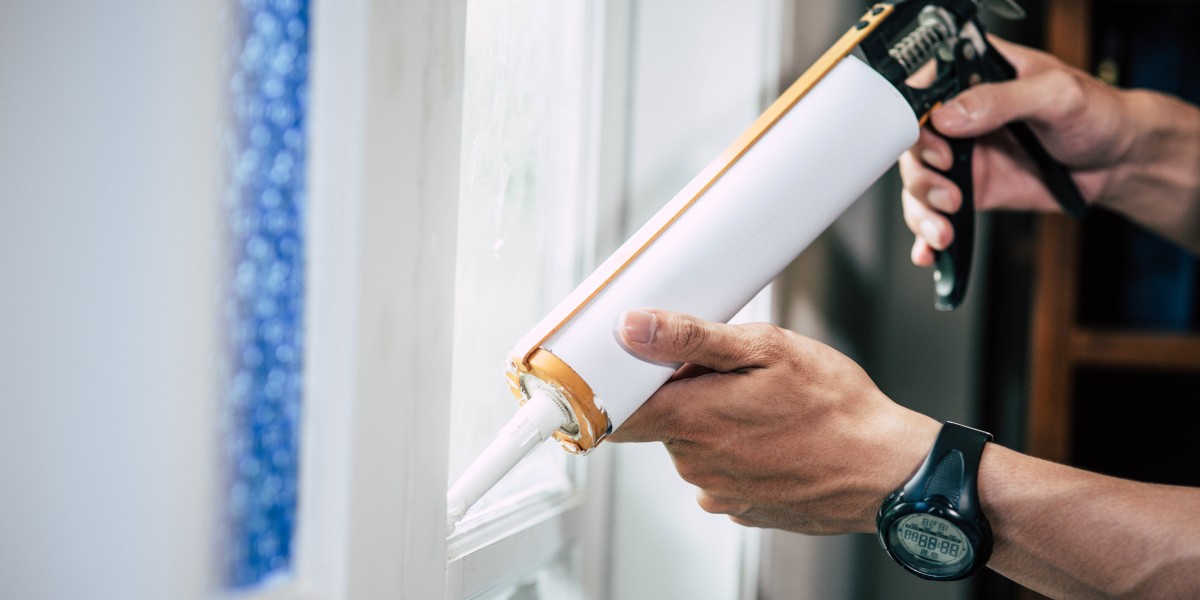
To see how all this can fit within €5,000, here is a realistic breakdown for a medium-sized home requiring light to moderate work:
- General sealing and draught-proofing materials: around €150, applied yourself
- Roof or attic insulation: around €1,800, carried out by a company
- Upgrading priority windows with double glazing or secondary windows in the three or four most-used rooms: around €1,500
- Programmable thermostat and full switch to LED lighting: around €350 combined
- Heat pump for hot water, replacing an old gas heater: the remaining amount, around €1,200, which could fall significantly if you obtain the E-Lar voucher
Stay in the know about living in Portugal as a foreigner—get our weekly newsletter for the latest travel, legal, and lifestyle news.