What’s happening with sustainable living in Portugal is more than just a passing phase. It's genuinely becoming part of the culture now, popping up in the cities as much as it is in rural communities. Some people are going fully off-grid in quiet eco-villages, while others are designing clever, energy-efficient casas sustentáveis. It shows a fascinating part of the country's character, where a deep respect for the land meets forward-thinking ways to protect it.
- Portugal's green revolution: how eco-friendly is the country?
- What does sustainable living in Portugal involve?
- Sustainable communities and Portugal living off-grid
- Sustainable communities and projects in Portugal
- Finding and building sustainable living homes in Portugal
- Benefits and challenges of a sustainable lifestyle in Portugal
Portugal's green revolution: how eco-friendly is the country?
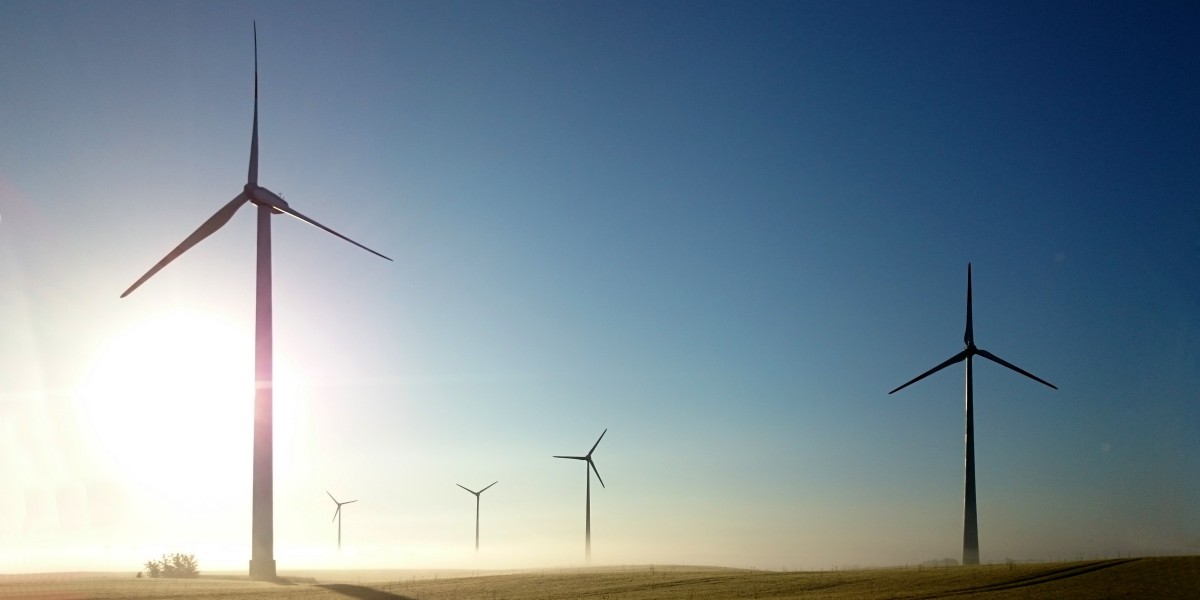
Portugal is a European leader in the green revolution, even home to Europe's Green Capital for 2026. The numbers are pretty impressive. In 2024, a record-breaking 71% of the country’s electricity came from renewable sources, and by early 2025, that figure had already climbed to 72%. Portugal has been consistently pushing to integrate renewable energy into its national grid. This means the power for your lights and laptop is increasingly coming from clean sources.
Wind power is the biggest contributor, making up over a third of the energy mix, with hydropower from the country’s rivers also playing a huge part. The government is also putting its money where its mouth is, investing in things like green hydrogen production.
What does sustainable living in Portugal involve?
Living sustainably in Portugal is not a one-size-fits-all approach. For some, it might be as simple as diligently using Lisbon's public transport and shopping for local produce at the mercado. For others, it's a complete lifestyle overhaul, moving to the countryside to build a life that's much closer to nature.
Eco-friendly homes and 'Casas Sustentáveis'
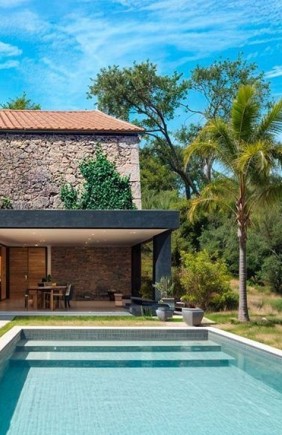
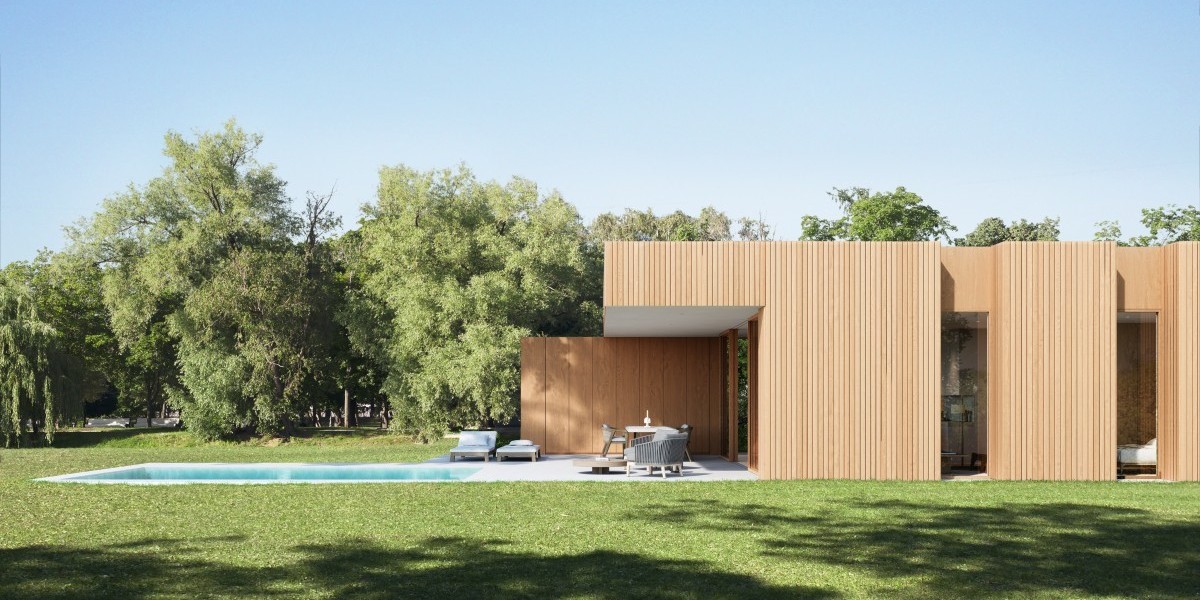
You’ll hear the term casas sustentáveis, or sustainable homes, a lot. This goes beyond just having a few solar panels on the roof. It’s about building with a conscience, using smart design and natural materials to create a home that's both healthy and has a tiny environmental footprint.
Houses are often built from local wood, stone, or even straw bales, often incorporating traditional techniques like using rammed earth (taipa). Many are designed to take full advantage of the climate, with large, south-facing windows to capture winter sun for warmth and thick walls to keep things cool in the summer. Water conservation is also key, with many homes using systems to harvest rainwater or reuse greywater from sinks and showers to water the garden. It’s all rooted in the principles of building biology, which focuses on creating non-toxic, healthy living spaces that work with the environment, not against it.
Sustainable communities and Portugal living off-grid
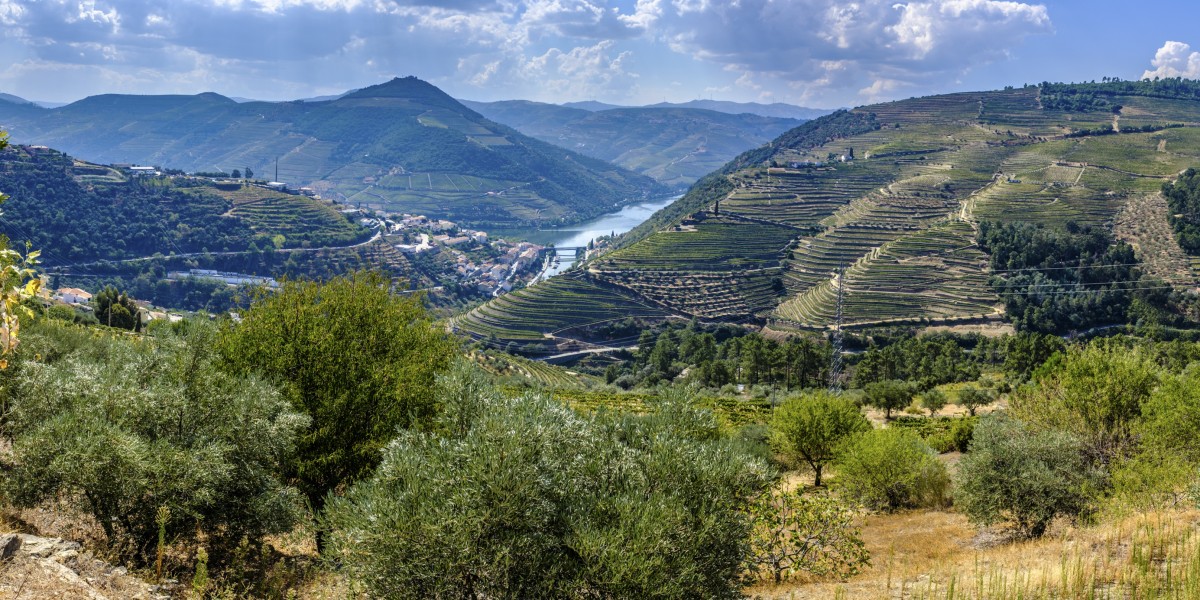
For many people, the ultimate dream is living off-grid, and central Portugal has become a real hotspot for it. The land is more affordable than on the coast, there’s plenty of sun for solar power, and you’re often surrounded by fertile land perfect for growing your own food.
There’s a growing network of expats and locals creating these communities, which can range from a few families sharing a piece of land to more organised eco-villages with shared gardens, workshops and resources. Finding a property with an old stone ruin, a well, and some olive trees is a common starting point for people wanting to disconnect from the grid and build a self-sufficient life from scratch.
Sustainable communities and projects in Portugal
Portugal has become a real beacon for these kinds of projects, with a huge variety of them dotted around the country. They range from small, informal homesteads started by families buying up cheap, abandoned farmland to large, established villages with a global reputation.
One of the most ambitious and long-standing is Tamera in the Alentejo region. It's a large-scale research and education centre that's been running for decades. They have a community of around 160 people dedicated to creating a model for a peaceful, sustainable culture.
On a different scale, you have Ecoaldeia de Janas, a community located just outside Sintra. It’s more focused on hands-on education and preserving traditional skills. They run countless workshops on everything from permaculture and organic farming to natural building and traditional food preservation.
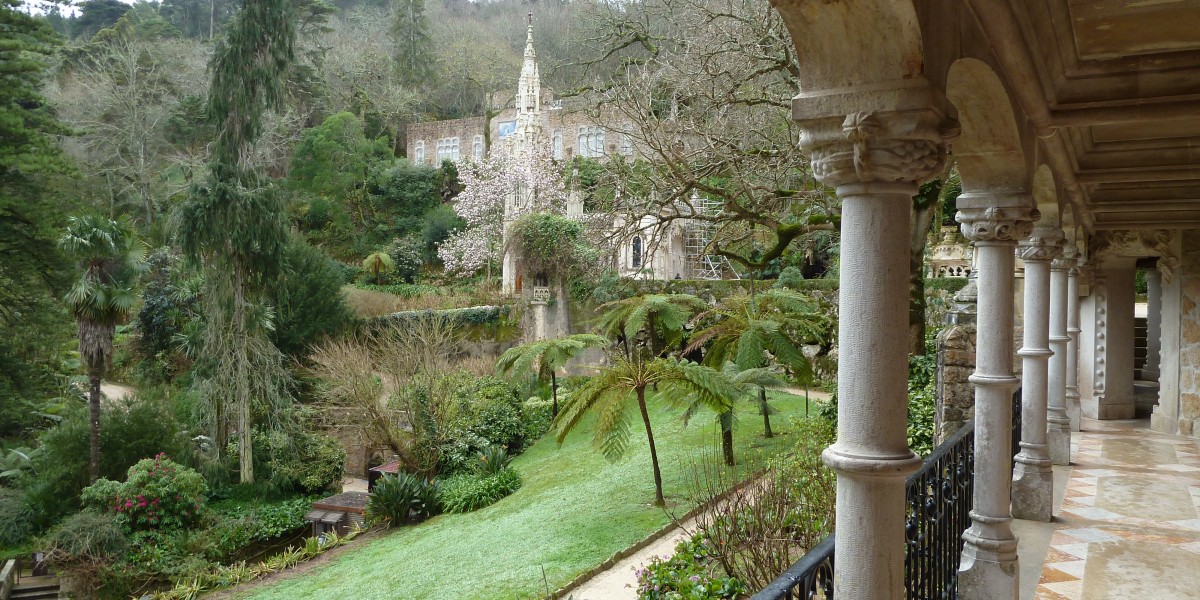
A name that’s popping up a lot at the moment is Arcaya in the Algarve. It's a high-end residential project located on 70 hectares of protected landscape right in Vilamoura’s so-called Golden Triangle. It offers a sort of 'best of both worlds' lifestyle; the peace and quiet of living in a green belt, but still just five minutes from restaurants, beaches, and schools. Neos·life is a visionary plan to create a completely self-sufficient village for 1,000 people in the scenic Alentejo region. They're planning for independent water and energy systems, a large organic farm, a well-being centre, homes, and even a retreat hotel. Quinta da Regaleira is not a sustainable village or an eco-community in the modern sense, rather a historic estate and a cultural landmark near Lisbon. Nature isn't just a backdrop here; it's a core part of the design, with the incredible Gothic-style palace and mysterious towers rising out from the trees.
Finding and building sustainable living homes in Portugal
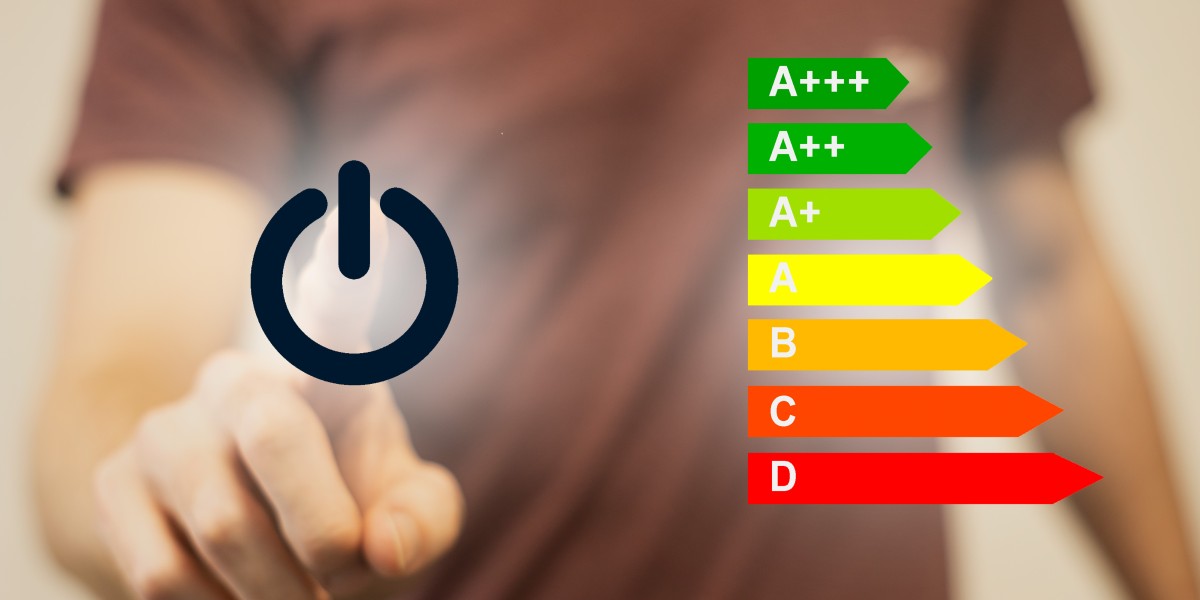
The market for green properties is growing. A key thing to look for is the property’s Energy Performance Certificate (EPC), or Certificado Energético, when searching for a property. It's a legal requirement for any home being sold or rented, and it grades the place from A+ (the best) down to F. A home with a good rating will already have things like double-glazing and decent insulation, saving you a lot of hassle and money later on.
If you’re looking at older, more traditional properties, especially in the countryside, keep an eye out for features that are sustainable by nature. Things like thick stone walls, which are brilliant for keeping a house cool in summer and warm in winter, are a huge plus.
And don't underestimate the value of having your own water source – a well (poço) or a borehole (furo) is a massive step towards self-sufficiency.
The rise of luxury and customised modular homes
One of the most exciting developments in recent years has been the rise of modular houses in Portugal. These prefabricated homes are becoming a go-to option for building sustainable living homes from scratch. They are built off-site in a factory, which means far less construction waste and a much quicker build time once the components arrive on your land. Plus, they are often designed to be incredibly energy-efficient from the get-go and use natural materials like wood.
You can find high-end, architect-designed luxury modular homes in Portugal that blend seamlessly into the landscape. On the other end of the scale, there are also many companies offering affordable, customised and sustainable homes that you can adapt to your own needs and budget.
Benefits and challenges of a sustainable lifestyle in Portugal
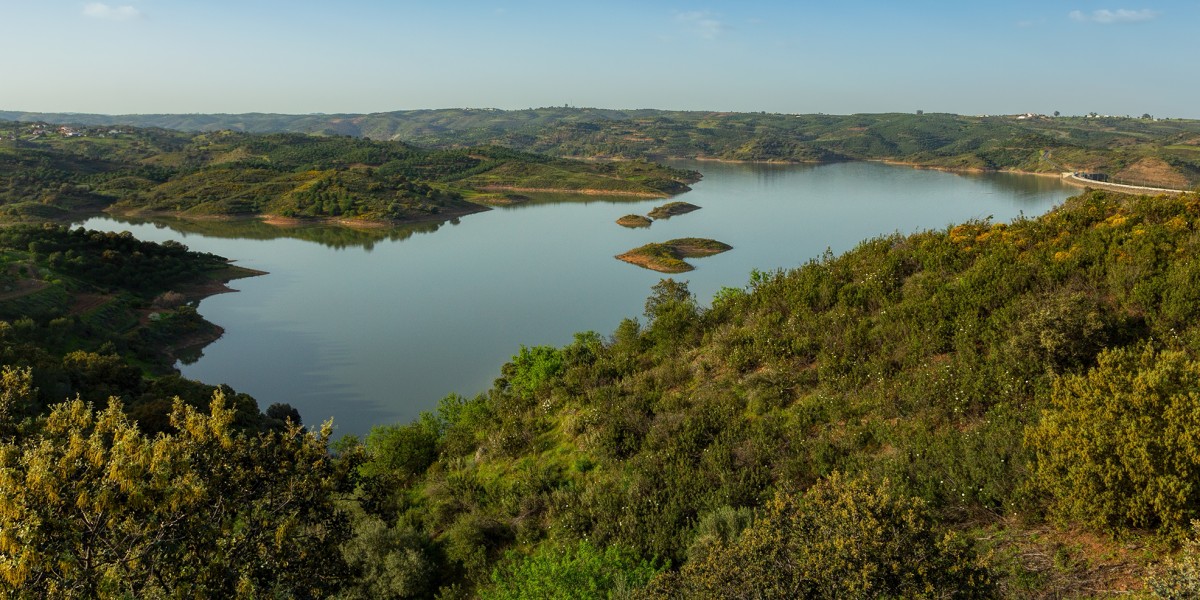
As wonderful as a sustainable life in Portugal sounds, it's not a permanent holiday. Attempting a carbon-neutral lifestyle comes with its own set of amazing benefits and some very real challenges.
The pros of sustainable living in Portugal:
- A lighter environmental footprint: you're actively choosing to be part of the solution, not the problem. By generating your own clean energy, conserving water, and reducing waste, you're doing your bit to help the planet.
- A boost to your well-being: there's a deep satisfaction that comes from living a life that aligns with your values. That, combined with the health benefits of being outdoors more and eating fresh, homegrown food, is a huge plus.
- A strong sense of community: especially in more rural areas, you'll often find a real spirit of mutual support and togetherness that can be hard to find elsewhere.
- Lower long-term living costs: once you're past the initial setup, your day-to-day expenses can plummet. Imagine tiny electricity bills thanks to solar power and much smaller food shops because your garden is so productive.
Sadly, being green doesn't come easily in modern society:
- The high upfront investment: buying land, installing a solar system, and building or renovating to good ecological standard costs a significant amount of money.
- Navigating the famous Portuguese bureaucracy: getting planning permissions and licences from the local câmara (town hall) can be a very slow and complex process.
- The reality is demanding: living off-grid means you're the one who has to fix the water pump or figure out why the power’s out. It requires a lot of practical skills and a genuine willingness to get your hands dirty.