Portugal has quietly climbed to the top of the tables for retirees, ranking number 1 as the world’s safest place to retire and number 7 globally for peace and stability. At the same time, it keeps appearing among the best countries to retire when analysts look at the cost of living, healthcare access and overall quality of life.
Reasons why Portugal ranks top place for retirement
Much of what follows draws on recent analysis by International Living magazine, which has been tracking Portugal’s appeal to retirees for decades. The magazine also ranked Portugal number 4 for Best Places to Retire in 2026.
Safety
Safety is where Portugal really pulls away from a lot of other destinations. It ranks 7th in the Global Peace Index, compared with the United States down at 128th, and International Living puts it at number 1 in its 11 Safest Places to Retire list for 2026.
You’ll see families with kids still out around midnight in summer, people walking home with their phones in hand, chatting away, and very little of that low‑level tension you get in some big cities.
Landscapes and climate
One thing worth remembering about Portugal is just how varied it is for such a small country. You can genuinely choose your own micro‑climate.

- In the Algarve, you get mild winters, long summers and a life that revolves around the Atlantic.
- Around Lisbon, the climate is warmer and noticeably less rainy than in Porto.
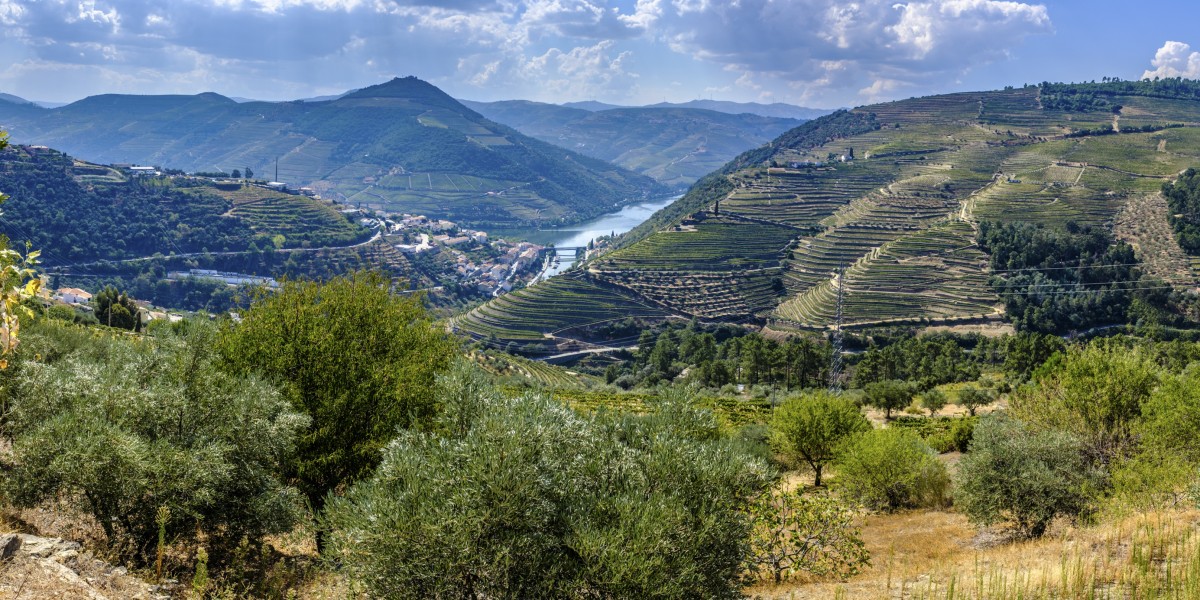
- Head north and inland, and it turns cooler and greener, with a kind of “mini Pacific Northwest” feel.
- The islands add another layer. Madeira is the classic “eternal spring” and the Azores are wilder and more remote.
Inclusion and everyday respect
One thing that is very important when considering where to retire is how inclusive a place feels, especially if you’re not arriving as a stereotypical retiree couple.
According to International Living, the LGBTQ+ community is broadly accepted in day‑to‑day life. Plus, many people say they feel less on edge than in similar‑sized cities in the U.S. or UK when it comes to microaggressions and discrimination.
Cost of living: not as cheap as it was, but still good value
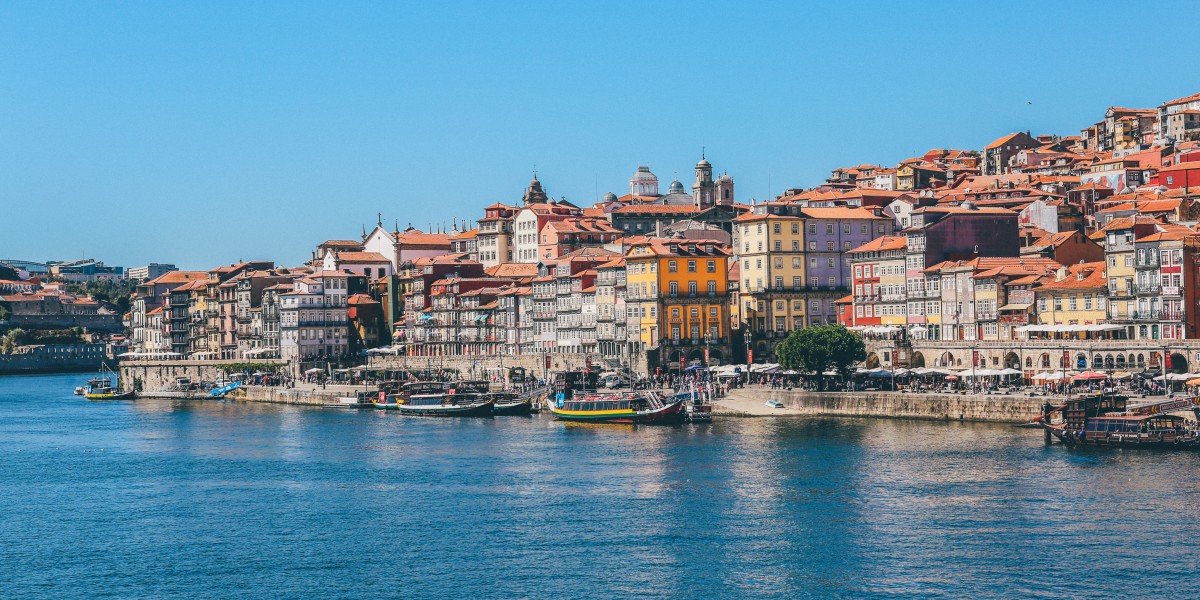
Now the slightly less rosy bit: prices have risen sharply over the past few years, especially for housing. It’s still good value relative to London, Dublin, New York or Vancouver. However, the “Portugal is dirt‑cheap” line you sometimes see online is out of date, and the cost of living in Portugal today is somewhat different.
- A one‑bedroom apartment outside central Lisbon now runs at about €1,500 per month.
- In Porto, rents are similar. If you go towards the edge of the city, you can still find a two‑bedroom for around €1,200 per month.
- Purchase prices have doubled in the last fifteen years, and Portugal is home to the largest rise in housing costs in the EU.
Exploring the cost of retiring in Portugal before making the move is a good idea so you don't get a nasty surprise down the line with unexpected costs.
Getting around
One thing that really helps budgets – and stress levels – is how easy it is to get around without a car, especially in the cities.
- An Uber across most of the city will set you back around €3–€5 each way.
- A monthly bus/metro pass is about €30 for three zones, €40 for all zones, or even cheaper if you get a pensioner's pass.
- If you do drive, filling a small Smart ForFour comes in at around €40 for a tank.
Healthcare

Healthcare is one of Portugal’s strongest cards for retirees. The national health system offers universal, cradle‑to‑grave coverage, and expats who become residents can tap into that.
You can expect to pay around €130 per month for a private health insurance plan on top of access to the public system. Plenty of retirees do something similar: rely on the SNS for peace of mind on big stuff, and use private cover for quicker specialist appointments and diagnostics.
Visas and residency
This is the area where things are changing most quickly. Anyone seriously planning a move needs up‑to‑date advice on the tightening of citizenship rules and nationality. But broadly, the structure looks like this:
D7 visa – for retirees and people with passive income
- Designed for people with passive income: pensions, rental income, dividends, interest, royalties.
- The benchmark is around $1,000 per month in passive income for a single applicant.
D8 visa – for digital nomads and remote workers
- Aimed at people actively working for foreign employers or as freelancers.
- You can use earned, employment income.
- The income requirement is higher, at about €3,500 per month.
Community, culture and day‑to‑day life

The last piece of the puzzle – and the part that really makes Portugal feel liveable rather than just theoretically attractive – is the social side.
According to International Living, it’s surprisingly easy to build a community, even if you arrive on your own. People get stuck in through hiking groups, language exchanges, fitness and yoga classes, foodie meet‑ups, dog‑walking groups, book clubs, and lots more.
History is very much in your face in the best way: castles, azulejo‑covered churches, old fishing harbours, tiled apartment blocks with laundry flapping in the sea breeze. You’re not living in a museum, but you are constantly reminded you’re somewhere with deep roots.
Stay in the know about living in Portugal as a foreigner—get our weekly newsletter for the latest travel, legal, and lifestyle news.
For a taste of the high life, sign up for the monthly luxury market round-up.