Portugal is widely seen as one of the top spots to retire, combining a relaxed pace of life with relatively good value for money. In 2026, more and more retirees are looking for the best places to retire in Portugal as a haven from global challenges like the pension squeeze, Brexit and rising living costs.
The best place to retire in Portugal
One of the main reasons foreigners retire in Portugal is the mild climate, long Atlantic coastline and relatively affordable property compared with much of Western Europe. On top of that, the cost of living is generally lower than in many northern European countries, especially outside the main cities.
The Algarve
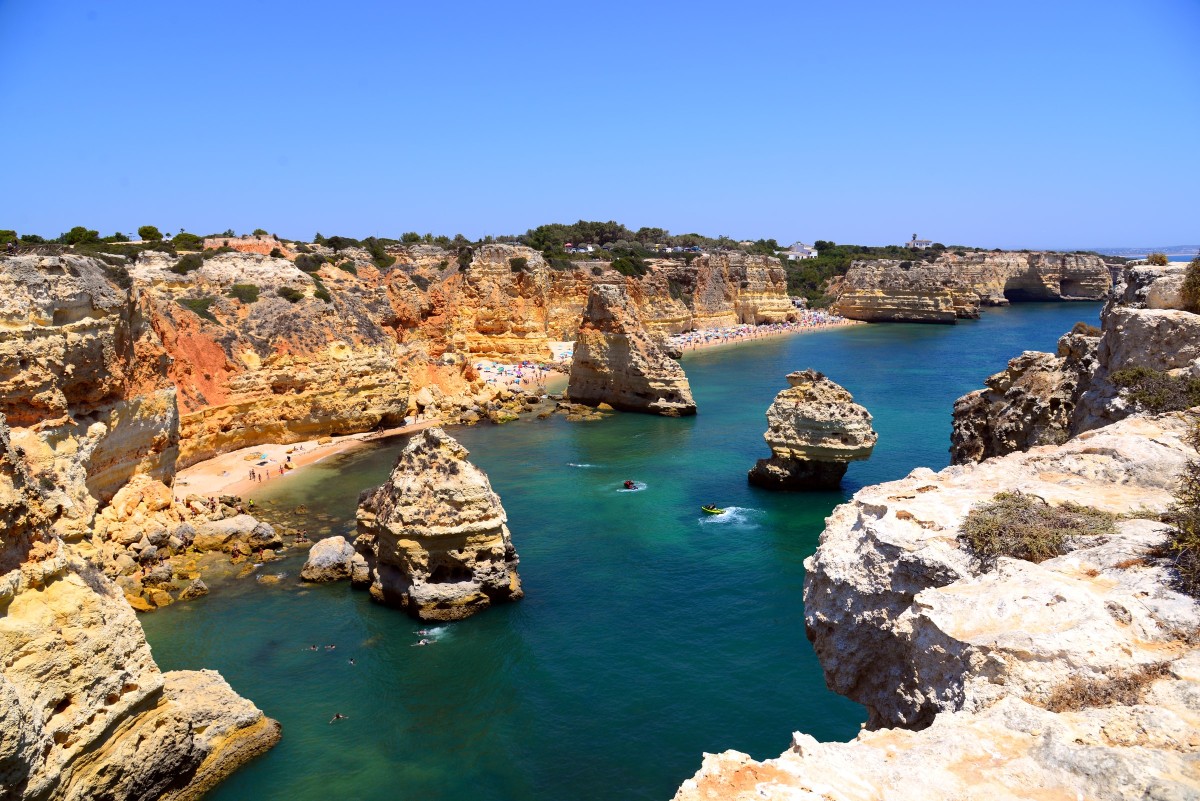
Life in the Algarve revolves around long sandy beaches, rugged cliffs and whitewashed fishing villages that feel busy in summer and relaxed in the cooler months. English is widely spoken in many areas, and in many Algarve towns you’ll find well‑established British, Irish, Dutch and German communities, international supermarkets and clinics. Daily routines often shift around morning market runs, café terraces and evening walks by the ocean, with golf, sailing and walking trails for those who like to stay active.
Why it’s a good place to retire
The pros of settling in the Algarve mean you get a rare mix of sunshine, safety and an established expat community, so integrating into local life can feel smoother for new retirees. Plus, the everyday cost of living in the Algarve can also be lower than in the big cities.
Madeira

On Madeira, everyday life feels slower and closer to nature, with steep green hillsides, ocean views and mild weather for most of the year. Most retirees base themselves in and around Funchal, where you can walk to markets, cafés and the seafront. You can then head out to levada walks, viewpoints and small coastal villages when you want to explore the many things to do on Madeira.
Why it’s a good place to retire
Madeira suits retirees who want an island lifestyle with stable year‑round temperatures and easy access to outdoor activities. While some imported goods cost a little more than on the mainland, housing can still feel reasonable compared with many other European islands.
Lisbon
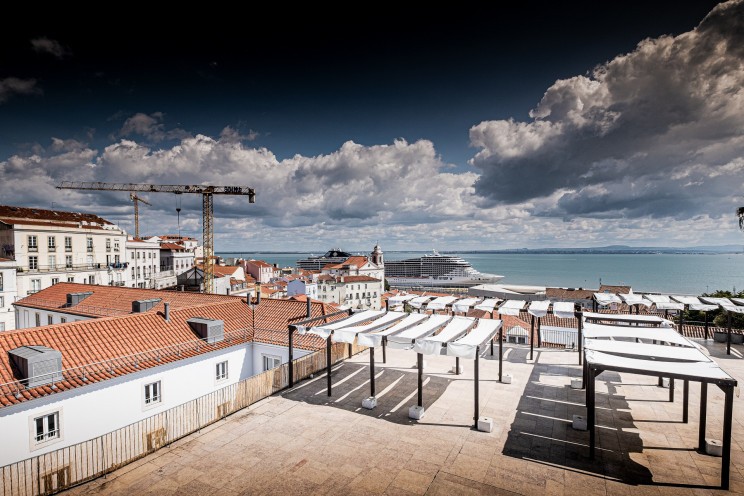
In Lisbon, life plays out on cobbled hills, riverfront promenades and in neighbourhood cafés. Trams and metro lines link historic districts and modern residential areas. Retirees tend to settle in quieter parts of the city or just outside, where they still have theatres, museums, hospitals, shops and the airport within easy reach.
Why it’s a good place to retire
Lisbon, voted among the safest cities worldwide, is attractive if you want big‑city culture, good healthcare and public transport, while still enjoying a mild coastal climate. Property is more expensive than in much of Portugal, but living slightly outside the centre can balance quality of life and cost.
Cascais
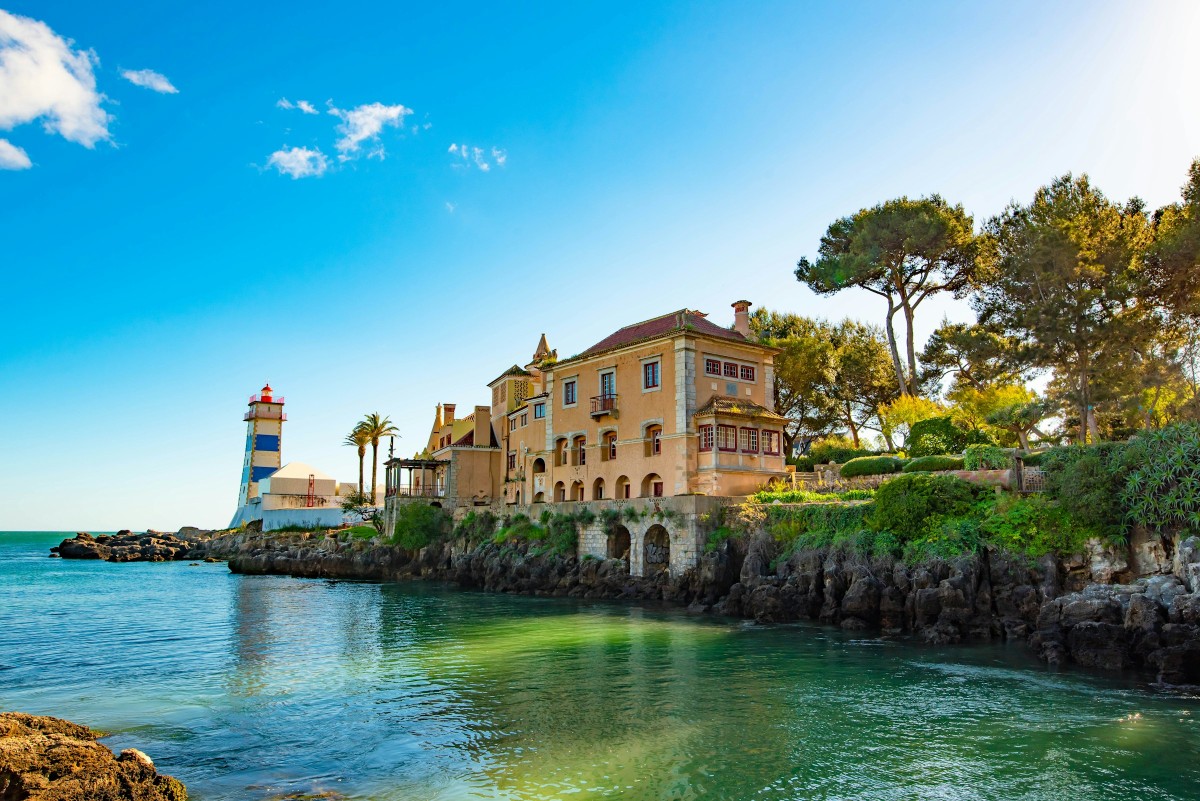
Everyday life in Cascais tends to revolve around the marina, small sandy coves and the seafront promenade that runs towards Estoril, with a compact old town full of restaurants and cafés. You feel close to Lisbon in terms of services and connections, yet the atmosphere is more like an upmarket seaside town, with golf courses, coastal cycle paths and the green hills of Sintra‑Cascais Natural Park just inland.
Why it’s a good place to retire
Cascais works well for retirees who want sea air and a polished environment without losing quick access to Lisbon’s hospitals and airport. It is one of the pricier parts of Portugal, but many people see the combination of safety, services in English and lifestyle as worth the premium.
Porto and Northern Portugal
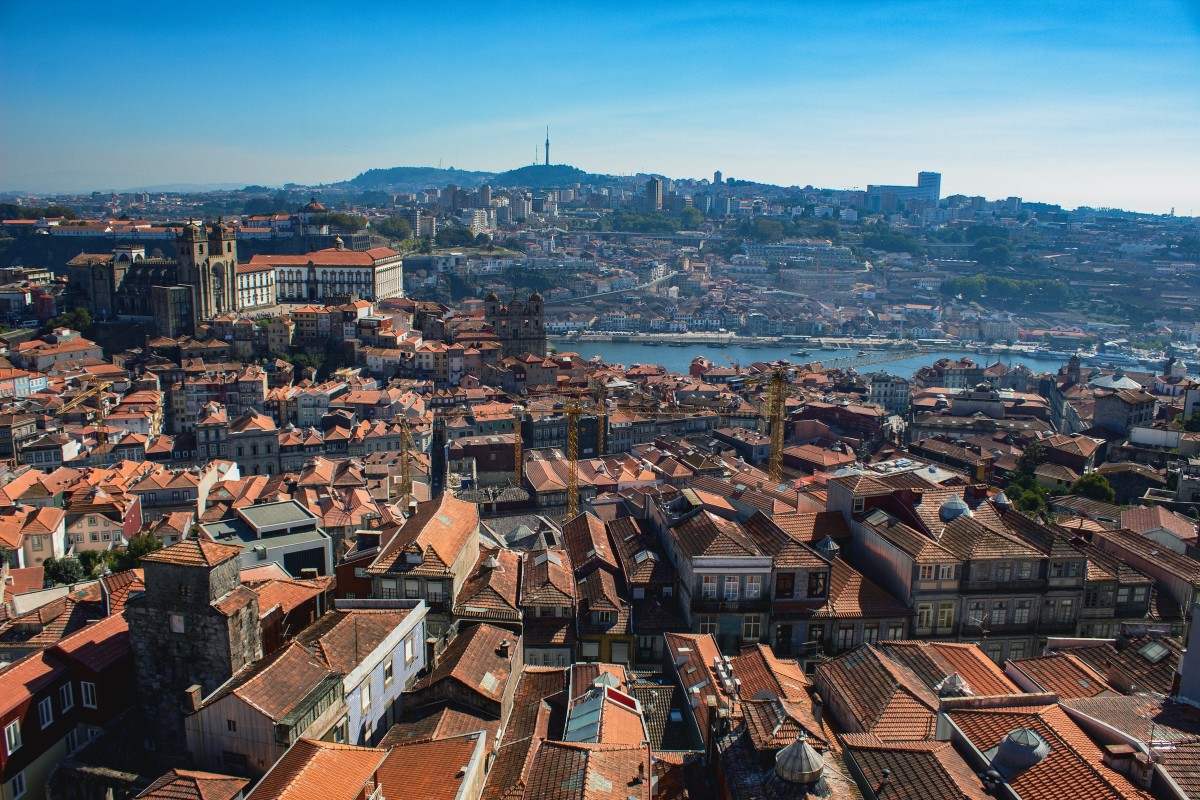
In Porto and Northern Portugal, daily life feels more local and less tourist‑driven, with traditional markets, neighbourhood cafés and green landscapes never far away. Porto offers a lively riverside centre and urban comforts, while nearby cities like Braga or Guimarães, and the villages of the Douro Valley, provide a quieter, more traditional rhythm, with cooler, wetter winters and gentler summer heat than the south.
Why it’s a good place to retire
The north stands out for having some of the lowest property prices in Portugal, which makes it attractive for retirees with a tighter budget. You can choose between city living in Porto or cheap, smaller towns and the countryside, while still having access to healthcare and transport links, plus Atlantic beaches within reach.
- Property for sale in Porto and Northern Portugal
- Long-term rentals in Porto and Northern Portugal
Where do most Brits retire in Portugal?
Most British retirees head to two main areas: the Algarve and the Lisbon region.
- Algarve: Long beaches, a warm climate and a slow pace of life have attracted British visitors and second‑home owners for decades. There are English‑speaking doctors, lawyers and services, plenty of flights via Faro Airport, and strong British communities in towns like Lagos, Albufeira and Tavira.
- Lisbon area: Many Brits choose Lisbon, Cascais and Sintra for a mix of city life and coastal living. You get theatres, museums, public transport and international flights, but can live in calmer coastal or suburban areas.
The cheapest place to retire in Portugal
The cheapest places to retire are usually away from the big coastal hubs, where the cost of retiring is a little easier to swallow.
- Rural Alentejo, central Portugal and much of Northern Portugal offer far lower property prices and rents than Lisbon, Porto or central Algarve resorts.
- In the Algarve, inland areas and the eastern side near Spain tend to be more affordable than the busy western resorts and central strip.
Is it better to retire in Spain or Portugal?
Whether Spain or Portugal is better for retiring comes down to your priorities. In brief:
- Climate: Both are sunny with mild winters; Portugal’s Atlantic coast and north are generally cooler and windier than much of southern Spain.
- Cost of living: Portugal is often slightly cheaper overall, especially for housing outside the big hotspots, but prices in both countries vary hugely by region.
- Healthcare: Both have strong public systems plus private options; coastal areas in Spain and major cities in Portugal are particularly well set up for foreign retirees.
- Residency & taxes: Both offer retirement and passive‑income visas; tax rules differ and can be complex if you have multiple income sources.
Potential downsides of retiring to Portugal
Portugal is appealing, but it’s not perfect. Key downsides include:
- Language barrier: Outside major tourist and expat areas, fewer people speak English, which can make bureaucracy, healthcare and repairs harder if you don’t speak Portuguese.
- Bureaucracy: Residency, registrations, healthcare and tax processes can be slow and confusing, especially if rules change or offices are understaffed.
- Rising costs in hotspots: Central Lisbon, Cascais and prime parts of the Algarve have seen sharp increases in housing costs.
- Uneven access to healthcare: Big cities have major hospitals and specialists; remote areas may require travel for certain treatments.
Retirement in Portugal for US citizens
Portugal is also increasingly popular with US retirees looking for a more affordable, lower‑stress lifestyle in Europe. The country has also recently been named the world's best retirement destination for 2025.
For residency, most US citizens use the D7 visa, aimed at people with:
- Stable income from pensions, Social Security, investments or rental properties
- Clean background checks
- The ability to spend sufficient time in Portugal each year
Stay in the know about living in Portugal as a foreigner—get our weekly newsletter for the latest travel, legal, and lifestyle news.
For a taste of the high life, sign up for the monthly luxury market round-up.