Is it expensive to live in Portugal? How much do you actually need each month to feel comfortable, rather than counting every coffee? Portugal still works out cheaper than many parts of North America and Western Europe, but prices have been creeping up.
If you’re in the UK dreaming of milder winters, or in the US already deep into visa research, getting a clear picture of the cost of living in Portugal in 2026 is essential.
Cost of living in Portugal vs UK
On the whole, Portugal is still on the “more affordable” side of Western Europe. According to recent Numbeo data, the cost of living in Portugal is:
- About 5.6% lower than in Spain, even though rent in Portugal is on average 6.1% higher than in Spain.
- Around 40% lower than in the United Kingdom if you exclude rent, and about 37.8% lower when you include rent.
- Roughly 42.7% lower than in the United States without rent, with rent prices in the US about 65% higher than in Portugal.
Lisbon is still Portugal’s most expensive city, but even there, overall living costs tend to undercut big hubs like London, Dublin or major US cities once you factor in rent, food and transport.

How much money do you need to live comfortably in Portugal?
How far your money goes will depend on your lifestyle and where you land, but Numbeo’s latest estimates give a useful baseline for monthly expenses excluding rent:
- A single person spends about €666 per month on everyday costs such as food, local transport, gym and small extras.
- A family of four spends around €2,410 per month, again excluding rent.
Once you add housing, those numbers climb quickly. In a mid‑priced city, a single person often needs upwards of €1,200 per month in total, while a family of four will usually need well over €3,000 per month, especially in Lisbon or the Algarve.
Cost of living in Portugal for retirees
Portugal remains one of the more affordable places to retire in Western Europe, as long as you’re realistic about housing. Many retirees can live comfortably on around €1,400–€1,800 per month, depending on location and whether they own their home.

The main things to factor in when moving to the world's best retirement destination:
- Housing: Lisbon, Porto and parts of the Algarve are the most expensive, while inland towns and the Centro region are much kinder on the wallet.
- Healthcare: Residents can use the public SNS system, paying small user fees for some services. Many retirees add private insurance to shorten waiting times and get more choice of doctors.
- Utilities and food: Groceries and basic bills are generally lower than in much of Northern Europe, but older homes can be chilly in winter, and air conditioning adds to bills in the south.
- Transport: Good public transport in the bigger cities means you may not need a car year‑round, which helps keep costs predictable.
Property prices in Portugal 2026
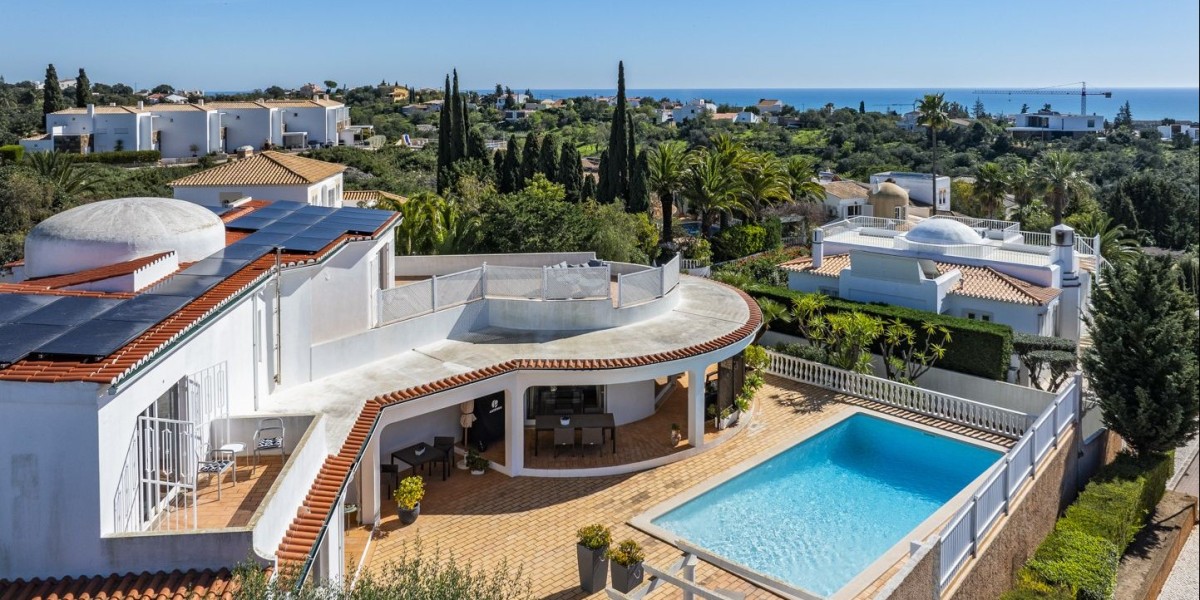
The cost of buying property in Portugal
Buying in Portugal is rarely “cheap” now, but it can still be good value compared with many UK or US markets. Idealista’s December 2025 figures show property prices in Portugal averaging around €3,019 per m², up about 6.8% on December 2024.
Portugal has some of the most overvalued house prices in the EU at the moment. Shockingly, house prices have doubled in only 15 years, making the property market more precarious and expensive than ever. However, there's still a big regional spread. The Lisbon metropolitan area tops the table at roughly €4,239 per m², while the Centro region is the most affordable at around €1,716 per m². Coastal cities and popular expat areas sit above the national average, although there is still a segment of cheap property for sale in Portugal under €100,000.
The cost of rent in Portugal
Rent has also kept climbing. In December 2025, rent prices in Portugal averaged about €16.4 per m², so a typical 80 m² apartment would cost around €1,312 per month. Across the country, a large share of the market still falls into the band of moderate rents up to €2,300, which covers more than 80% of homes available to tenants.
Again, the picture changes by region:
- In the Lisbon metropolitan area, average rents sat around €19.6 per m², making an 80 m² flat roughly €1,568 per month. This upper end of the scale explains why many people now look at guides to cheap apartments for rent in Portugal before deciding on a specific neighbourhood.
- In the Centro region, the average was closer to €9.9 per m², so the same‑sized apartment would be about €792 per month, and several of the cheapest municipalities for renting a house in Portugal are found here.
On average, rent eats up about 28% of household expenses in Portugal, but that share can be higher in big cities and lower if you own your home outright.
Living expenses
Household bills
Bills have felt the squeeze of energy prices, but they’re still usually lower than what you’d see in the UK or Germany. Numbeo estimates that basic utilities – electricity, heating, cooling, water and rubbish – for an 85 m² apartment sit at around €114 per month for typical usage.
Add internet on top, and in hotter areas like the Algarve, factor in air conditioning in summer, while in northern and central regions, you might need extra heating in winter.

Food and drink prices
Food is one of the friendlier parts of the cost of living in Portugal. Based on Numbeo’s recent data, you’re looking at roughly:
- A cheap main course at an inexpensive restaurant: €11
- A meal for two at a mid‑range restaurant: €45
- Beer out: about €2.50–€3
- Cappuccino or coffee at a café: around €1.80
Alcohol prices
Alcohol is still relatively good value:
- Wine: Supermarkets have plenty of drinkable bottles around the €5 mark, with mid‑range options usually between €5 and €15.
- Beer: A six‑pack of domestic beer tends to be in the €3–€5 range in shops, while a beer in a bar or café is often €2.50–€3.
- Spirits: Basic domestic spirits generally start around €10–€20 per bottle in supermarkets, and climb for imported or premium brands and in cocktail bars.
Public transport costs
Public transport still does a lot of heavy lifting in keeping the cost of living in Portugal manageable. In major cities, a monthly pass is usually around €40, which is much cheaper than similar passes in many UK or US cities. Lisbon and Porto both have metro, buses, trams and suburban trains, so living without a car is perfectly realistic in central areas.

Healthcare costs
Healthcare is one of the areas where Portugal still feels relatively gentle on the wallet. The public healthcare system, the SNS, is largely funded by the state, so costs for using public services are minimal once you’re registered and have your utente number. At a public hospital or health centre, you can usually expect to pay around €5,for a GP consultation and about €7.75 to see a specialist.
Even outside the public system, medical costs in Portugal are relatively affordable by international standards. In a high‑end private hospital, a typical appointment is around €50 to see a general practitioner and roughly €90 to see a specialist. Many residents choose to combine SNS access with a private health insurance policy to keep options open.

Stay in the know about living in Portugal as a foreigner—get our weekly newsletter for the latest travel, legal, and lifestyle news.
For a taste of the high life, sign up for the monthly luxury market round-up.