With safety rankings that regularly place it among the world’s calmest countries, looking for the safest places to live in Portugal tends to be about finding the calmest neighbourhoods and towns within an already safe country. Crime levels are relatively low, the pace of life is calm, and most towns and cities have a strong sense of community.
Is Portugal safe in 2026?
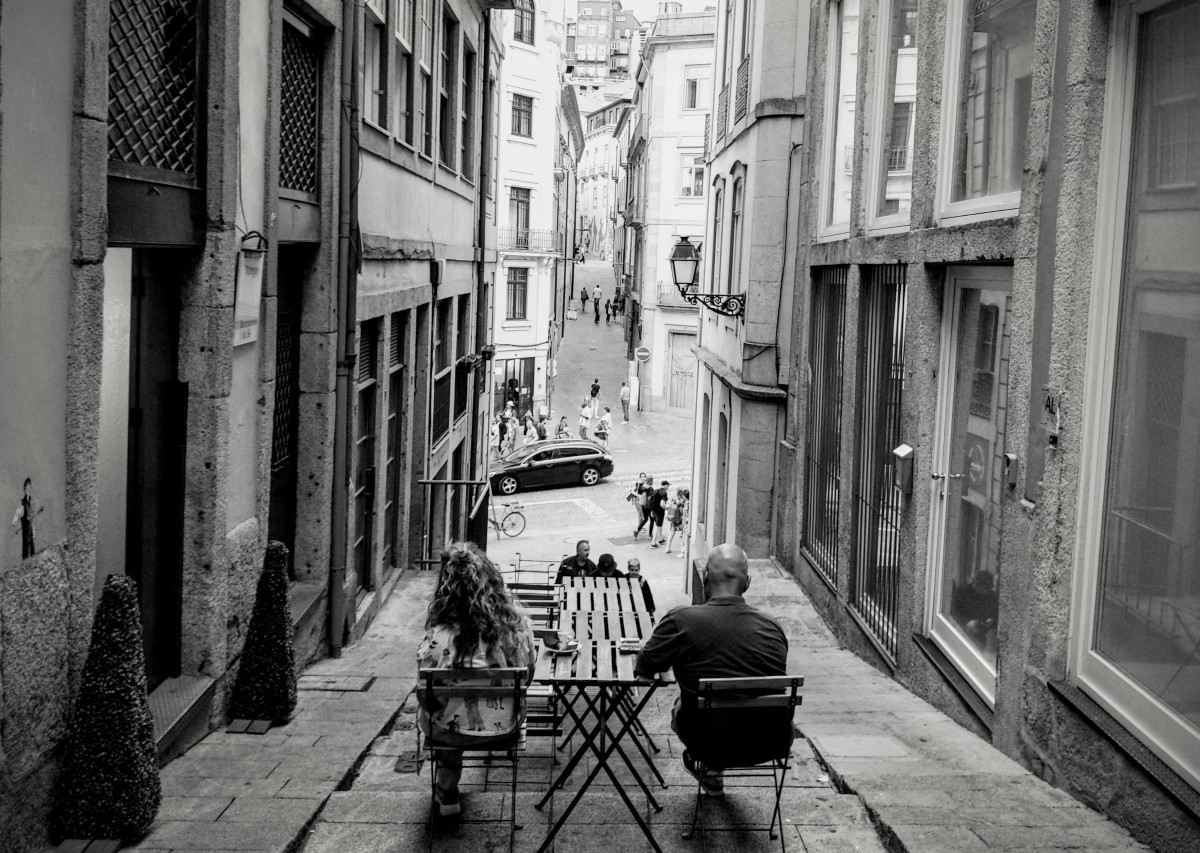
Portugal is widely considered one of the safest countries in the world to visit in 2026. Violent crime is rare, and most incidents that affect residents or visitors are low-level issues such as pickpocketing in busy areas or minor scams around tourist zones.
Petty theft is the main risk, especially in crowded historic centres, metro lines and big events. However, locals and long-term expats often describe day-to-day life as relaxed, with a strong emphasis on community and family.
What is Portugal ranked for safety in 2026?
Each year, the Global Peace Index ranks countries by safety, internal conflict and militarisation. In the most recent edition, Portugal sits at number 7 in the world, with a score of 1.371, which keeps it firmly within the group of the safest countries globally.
For retirees specifically, Portugal stands out even more: International Living ranks it number 1 in its list of the 11 Safest Places to Retire in 2026. This lines up with what many long-term expats report about day-to-day life, feeling calm and secure.
Which is the safest city in Portugal?
Portugal has several cities that feel very safe, but the “safest” for you depends on size, lifestyle and how urban or rural you want things to be. Below are some of the urban areas that consistently feel secure for locals and expats.
Safest major cities in Portugal
These are the larger cities that balance safety with jobs, culture and services.
Lisbon
The capital is busy and international, yet violent crime remains low in most neighbourhoods, and it's recognised as one of the safest cities in 2026.
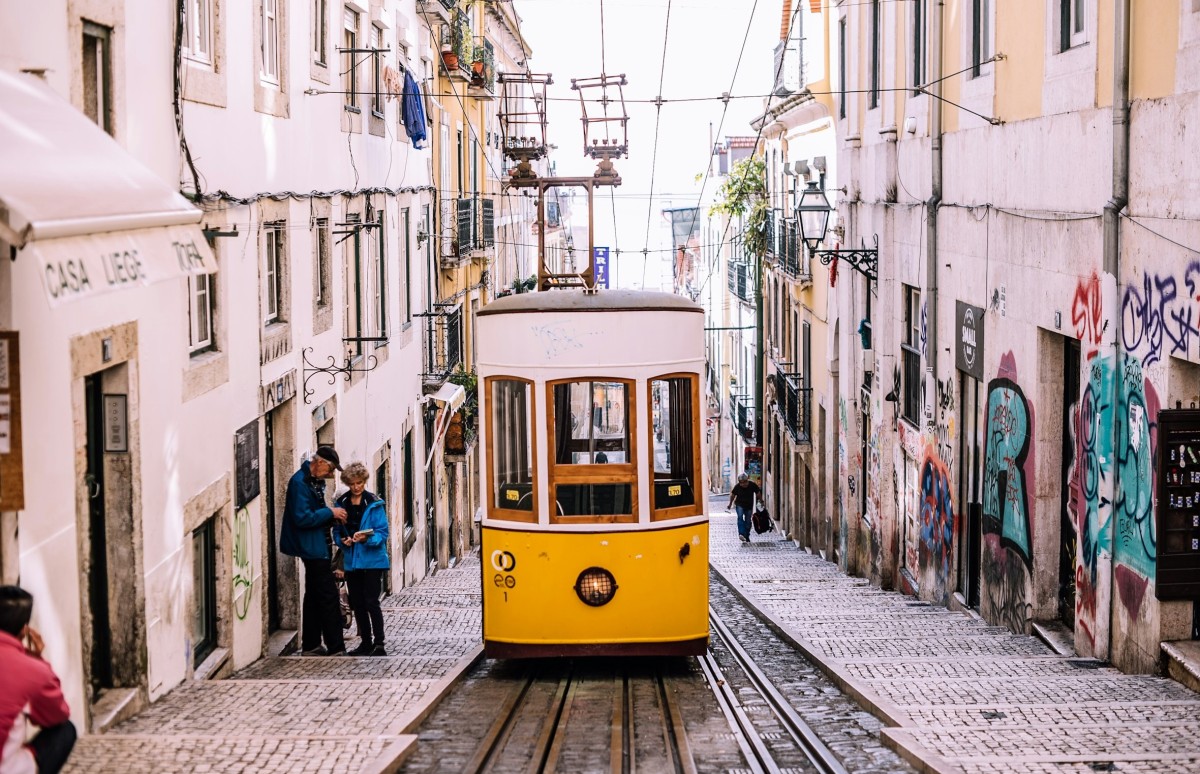
The main risks sit around pickpockets on the metro, famous tram routes and nightlife streets. Residential areas in the north and west of the city, and some suburbs, tend to feel especially calm in the evenings.
Porto
Porto has a compact historic centre, a big student population and a strong family atmosphere.
Again, petty theft pops up in busy spots like Ribeira and around the central station, but most people walk around comfortably during the day and in early evening.
Braga
Braga is a smaller city with a strong religious heritage, a large student community and an easygoing pace.
Streets in the centre stay lively but rarely feel threatening, and many expats with kids like the combination of safety, parks and shorter commutes.
Coimbra
Coimbra is Portugal’s main university town and has a friendly, youthful feel.
Nightlife is centred on student bars rather than big clubs, and most neighbourhoods are quiet once you step away from the old town hills.

Safest island cities in Portugal
If you like the idea of safety plus island life, both the Madeira archipelago and the Azores can work well.
Funchal (Madeira)
Funchal is small enough to feel personal, with low reported crime and a strong local community. The seafront areas and market can be busy when cruise ships arrive, but serious incidents are rare, and most people feel at ease walking around.
Ponta Delgada (São Miguel, Azores)
Ponta Delgada is the main city in the Azores and feels even more low-key than the mainland capitals. Community ties are strong, and crime rates are modest. The main trade-off is the relative isolation and fewer big-city services.
Smaller safe cities and towns
These are the places where life feels slower, safer and often cheaper.
Bragança
Up in the northeast, Bragança is a quiet city near natural parks and walking routes. Crime levels tend to be low, and the pace suits people who prefer local markets and countryside views over buzzing nightlife.
Guarda
Guarda sits inland at a higher altitude, which means cooler winters but quiet streets and very little serious crime. It draws people who value space, historic architecture and a more traditional way of life.
Aveiro
Aveiro, with its canals and art nouveau buildings, feels friendly and manageable in size. It has a growing expat presence, especially families and remote workers, who like the mix of safety, nearby beaches and decent transport links.
What is the safest town in the Algarve in 2026?
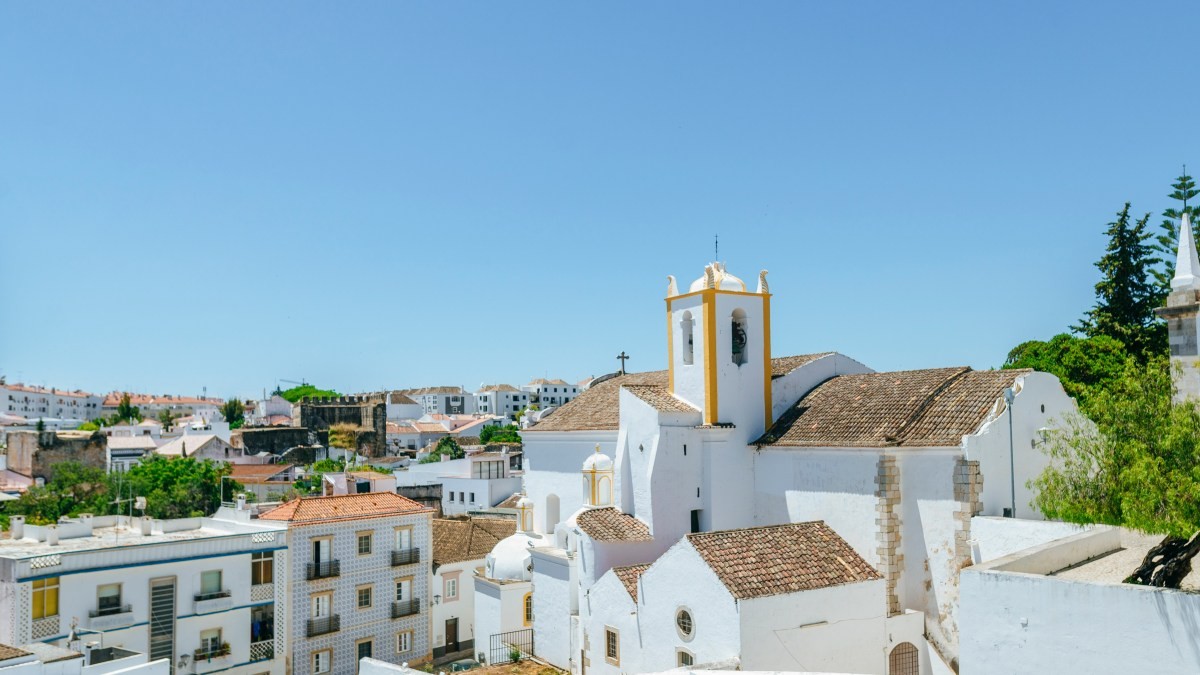
The Algarve is seen as a safe coastal region overall, though some resorts feel rowdier in high season. If you’re after somewhere that stays quiet and secure for day-to-day living, one name still comes up again and again.
Tavira – one of the safest towns in the Algarve
Tavira combines a historic centre, riverfront and access to Ria Formosa with a relaxed rhythm of life. The town has a strong year-round community, with fewer stag parties and mass tourism than larger resorts.
Crime is mostly limited to low-level issues, and you’ll see families out late into the summer evenings in the old town. For retirees and remote workers, it provides a gentle lifestyle with good beaches nearby and reasonable access to health services.
Other safe Algarve options to consider
If you want a few more choices to add to your pros and cons list for moving to the Algarve, these towns also tend to feel safe, with different levels of tourism and services:
- Lagos – historic streets, marina and access to dramatic coastline. Busy in summer but calm in many residential pockets.
- Loulé – inland market town with a more local feel, good for year-round living rather than pure resort life.
- Vila Real de Santo António – border town by Spain with a quiet central square and riverside walks.
- Aljezur – scattered around the west-coast hills, popular with surfers and people who like very small, low-crime communities.
Places to be cautious in Portugal
Portugal doesn’t really have large “no-go zones” in the way some people imagine. There are, however, a few situations and specific areas where a bit of extra awareness is sensible.
Busy tourist areas in Lisbon and Porto
The most common issue in Portugal’s two largest cities is pickpocketing in crowded spots. In Lisbon, it's good to be aware of areas you may want to avoid at times and how to stay safe. Keep an eye on your belongings in parts of Baixa, Alfama viewpoints, tram 28 and major metro interchanges.
In Porto, the quayside at Ribeira, the area around São Bento station and some bridges get very crowded in peak season.
Nightlife districts and party resorts
Most nights out end perfectly fine, but some zones have more alcohol-related incidents. In Bairro Alto and Cais do Sodré in Lisbon and the party areas of Porto, stay alert late at night. In the Algarve, resort strips in Albufeira and parts of Praia da Rocha draw big party crowds in summer.
Remote areas, hiking routes and beaches
The main risks outside cities tend to be practical rather than crime-related.
- On hiking trails in the interior or on islands, poor phone signal and changing weather can catch people out.
- On the Atlantic coast, some beaches have strong currents, big waves or steep access paths.
- Pay attention to lifeguard flags and local signage; red flags mean you shouldn’t go into the water at all.
How to choose the safest place to live in Portugal for your lifestyle
“Safest” isn’t just about crime statistics when choosing the best place to live in Portugal. It’s also about how comfortable you feel walking around, and how easily you can access healthcare, schools and daily services.
When comparing locations, think about:
- Healthcare access – distance to hospitals, clinics and emergency services.
- Lighting and streetscape – how streets feel after dark, especially around your home and usual routes.
- Community – whether an area has active neighbours’ associations, local cafés and a lived-in feel.
- Environment – potential natural risks like wildfires in certain inland zones or seasonal flood risks along rivers.
Stay in the know about living in Portugal as a foreigner—get our weekly newsletter for the latest travel, legal, and lifestyle news.
For a taste of the high life, sign up for the monthly luxury market round-up.