Life in the Azores feels a bit like stepping sideways out of mainland Europe and landing somewhere quieter, greener and far more slow-paced. It’s Portugal, but with its own tempo, its own micro‑climates, and a much stronger sense that the Atlantic is in charge.
- Is living in the Azores a good idea? Pros and cons
- Best Azores island to live on
- Best places to live in the Azores for expats and remote workers
- Cost of living in the Azores vs mainland Portugal
- Geographic isolation: flights, connections and island life
- Infrastructure and essential services in the Azores
- Lifestyle and things to do when you live in the Azores
Is living in the Azores a good idea? Pros and cons
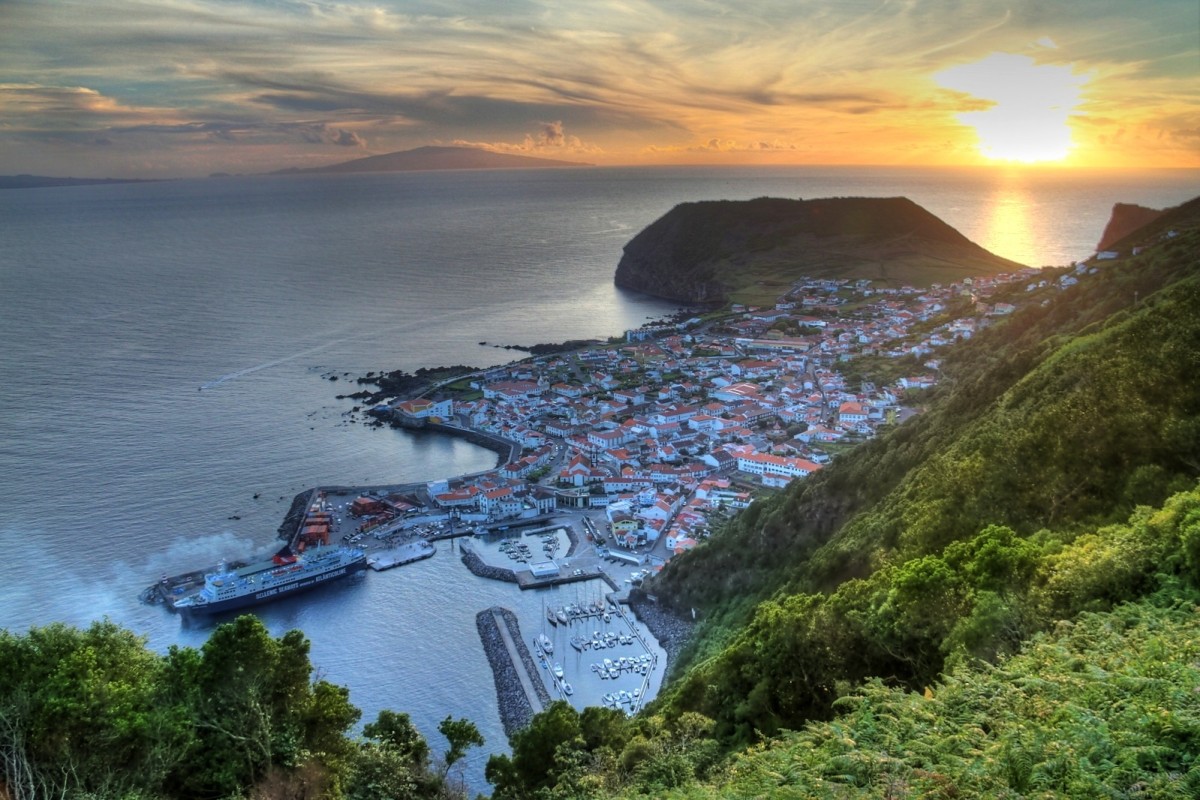
Moving to an island is a big change, and it's important to weigh up the good and the bad before making a decision.
Some of the pros of living in the Azores:
- Mild climate and lush nature year‑round
Winters tend to be very gentle compared with most of northern Europe, and summers rarely become unbearably hot. - Lower cost of living than Lisbon or Porto
Everyday costs in the Azores are generally lower than on the Portuguese mainland’s big cities. - Relaxed lifestyle and strong sense of community
Things move slowly, but in a good way if you’re tired of frantic city life. - Growing appeal for remote workers and nature‑loving expats
The islands are starting to attract remote workers who like reliable(ish) internet, decent cafés to work from, and the option of a hike or surf after logging off.
Some of the cons of life in the Azores include:
- Geographic isolation and travel faff
You’re always at least one flight away from the mainland, and sometimes two. - Limited job market outside remote work and local sectors
If you don’t already have a remote job or a pension, it can be hard to find well‑paid work. - Weather swings and the odd cabin‑fever moment
The climate is mild, but it’s also moody. Four seasons in a day isn’t unusual, and winter can be wet, grey and windy, with storms now and then.
Best Azores island to live on
Overall, São Miguel is usually the best Azores island to live on if you want job options, decent healthcare and regular flights. The other islands tend to suit people who are very happy with rural life, fewer services and a stronger sense of remoteness.
- São Miguel – The largest island and the main hub, with Ponta Delgada as the closest thing to a small city.
- Terceira – Historic Angra do Heroísmo, colourful houses, and a very local, sociable feel.
- Faial – Horta has a big sailing culture and a relaxed, slightly bohemian atmosphere, with views over to Pico.
- Pico – Dramatic volcano, vineyards and more rural vibes.
- São Jorge – Long, narrow and very green, with those dramatic cliffs and proper “edge of the world” scenery. ¡
- Santa Maria – Warmer and drier, with softer landscapes and some of the nicest sandy beaches in the archipelago.¡
Best places to live in the Azores for expats and remote workers
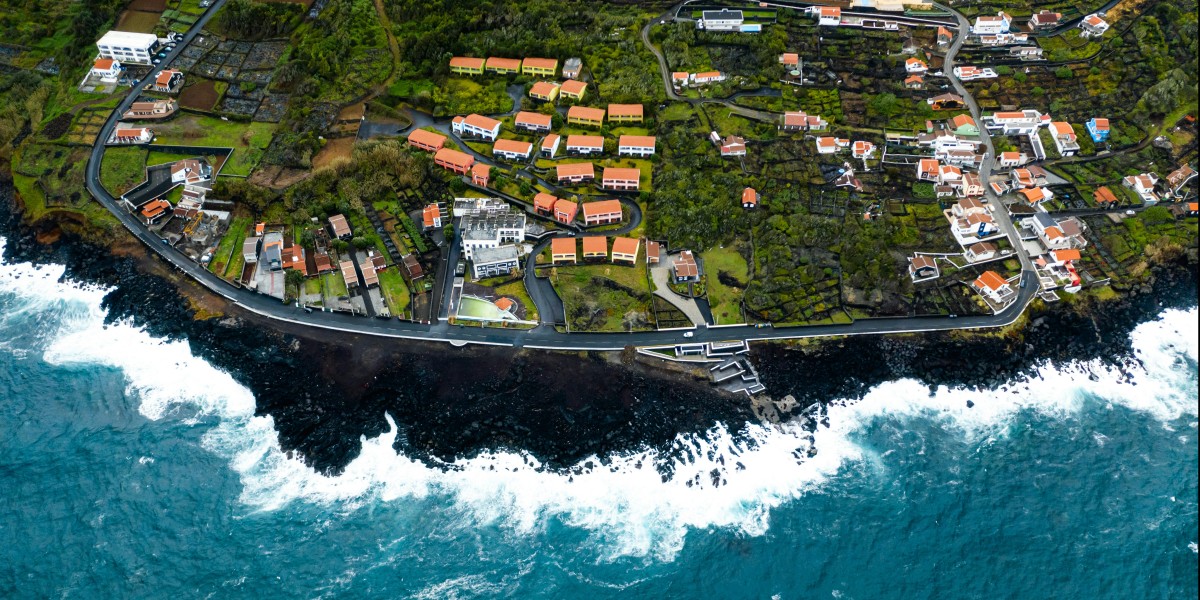
There’s a lot of variation between the islands, so choosing the best place to live in the Azores comes down to your budget and lifestyle.
Ponta Delgada
Ponta Delgada on São Miguel is the closest thing the Azores have to a small city. It’s where you get the widest choice of shops, services, and nightlife, as well as reasonable access to the island’s bigger sights like Sete Cidades, Furnas and the tea plantations.
Who it suits:
People who want Azorean life with the most infrastructure, decent internet, and regular flights.
Angra do Heroísmo
Angra do Heroísmo is a UNESCO‑listed city on Terceira, with pastel façades, cobbled streets and a long maritime history. It’s smaller and more traditional than Ponta Delgada, with a very local feel. You’ve still got good connections to the mainland, but the pace is slower, and the expat crowd tends to be a mix of long‑timers, Portuguese returnees and some remote workers.
Who it suits:
Anyone who likes history, a walkable town centre, and a more old‑school, community‑oriented lifestyle without needing big‑city amenities.
Horta
Horta on Faial is famous among sailors, with its marina full of Atlantic crossing yachts and the painted murals on the harbour walls. It feels maritime through and through, with views across to Pico’s dramatic volcano. Life here revolves around the harbour, the ocean, and trips to nearby islands. It’s very laid‑back, with a loyal group of international residents tied to sailing, science, and tourism.
Who it suits:
People who like a strong connection to the sea, enjoy small‑town living, and don’t mind fewer flights in exchange for a very relaxed atmosphere.
Cost of living in the Azores vs mainland Portugal
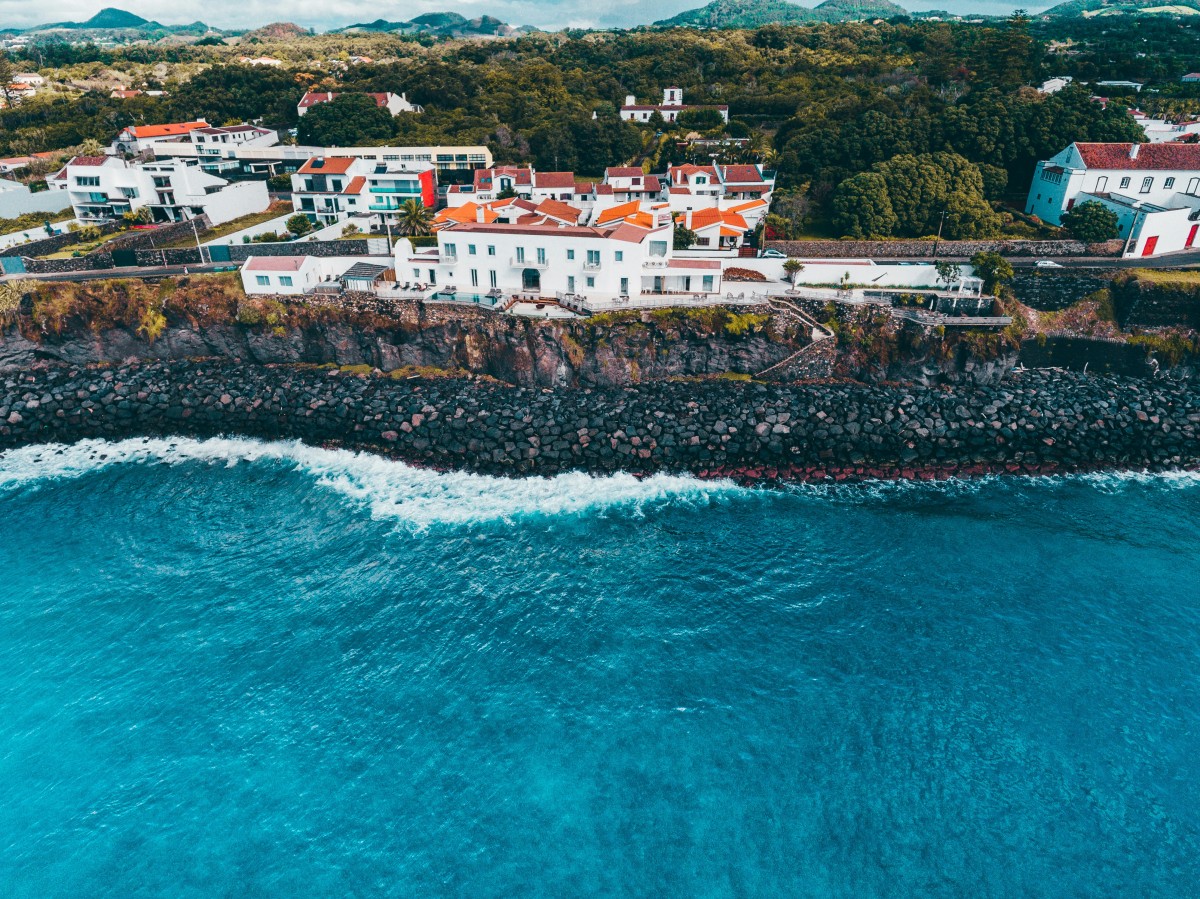
The cost of living in the Azores is generally lower than in Lisbon or Porto, particularly once you look at housing.
Housing costs
The overall property price average across the archipelago is €1,972 per m2. This is below the country's average of €3,019 per m2 and much cheaper than what you’d see in Lisbon or Cascais.
Island | Average property price (December 2025) |
|---|---|
Faial | €1,741 per m² |
Pico | €1,682 per m² |
Santa Maria | €1,417 per m² |
Terceira | €1,601 per m² |
São Jorge | €1,390 per m² |
São Miguel | €2,314 per m² |
For renting, average rent prices in the Azores were around 10.9 €/m2 in December. In São Miguel, they were slightly higher, at around €11.9 per m², but still noticeably lower than central Lisbon’s typical rents.
Everyday costs
On the day‑to‑day side of things, prices are pretty gentle compared with most major European cities, according to Numbeo:
Expense | Approximate cost |
|---|---|
Cheap main course | €12 |
Meal for two (mid‑range restaurant) | €40 |
Beer out | €2–4 |
Cappuccino or coffee | €1.50 |
Short‑distance bus journey | €1.01 |
Long bus journey (around 85 km) | €6.24 |
Gym membership | €30 per month |
Basic utilities (85 m² flat) | €130 per month |
The cost of living in Angra do Heroísmo and smaller towns can be even cheaper, especially for rent, everyday groceries and eating out in local restaurants.
Comparing with Madeira and Lisbon
If you’re torn between Atlantic islands, the numbers give some context. According to Numbeo, the cost of living in Funchal is around 6.5% lower than in Ponta Delgada, excluding rent. However, rent prices in Funchal are about 65.5% higher than in Ponta Delgada.
Overall, that means the cost of living, including rent in Ponta Delgada, is roughly 19.3% lower than in Lisbon, which lines up with the feeling on the ground: Azores life is usually easier on the wallet than a mainland capital.
Geographic isolation: flights, connections and island life

Getting to the Azores is fairly straightforward, as long as you’re happy with the idea of at least one flight.
- From mainland Portugal, there are regular flights from Lisbon and Porto to São Miguel, Terceira and some of the smaller islands.
- From the UK and other European countries, there are seasonal and sometimes year‑round direct routes to Ponta Delgada, and in other cases, you’d connect via Lisbon or Porto.
- For North America, there are also links to places like Boston or Toronto, usually running more frequently in the summer season.
Between the islands: island‑hopping is perfectly doable, though in winter you need to pay closer attention to ferry timetables and potential weather‑related disruptions.
- Travel relies on SATA/Azores Airlines for short hops
- A network of ferries that expand their schedules in spring and summer.
In terms of daily life: geographic isolation shapes routines more than you might expect.
- Big shopping trips sometimes become an “airport run plus hypermarket” outing on São Miguel or Terceira.
- Certain products might go out of stock for a week because a shipment was delayed.
- Social life is more local, and travel to the mainland or back to the UK or Germany is something you plan in chunks rather than spontaneous weekends.
Infrastructure and essential services in the Azores
The Azores don’t have the same scale of infrastructure as Lisbon, but for an archipelago in the middle of the Atlantic, they’re surprisingly well set up, especially on the larger islands.
Healthcare
There are hospitals on São Miguel, Terceira and Faial, and smaller health centres across the islands. For anything more complex, referrals to mainland Portugal are possible, but day‑to‑day care, routine checks and emergencies are handled locally.
Education
Education is primarily in Portuguese, with state schools and some private options. There are no international schools, so families who want a fully English‑language curriculum will have to look at Portuguese cities or accept more of a bilingual set‑up.
Lifestyle and things to do when you live in the Azores
Outdoor activities and nature in the Azores
If you like being outside, the Azores are basically your playground.
- Hiking is a big part of life here, from crater‑rim walks to trails that circle Pico’s vineyards or cross São Jorge’s fajãs.
- Surfing and bodyboarding are possible on several islands, with more exposed beaches getting good Atlantic swell
- There’s also canyoning, paragliding and plenty of natural rock pools for sea swimming.
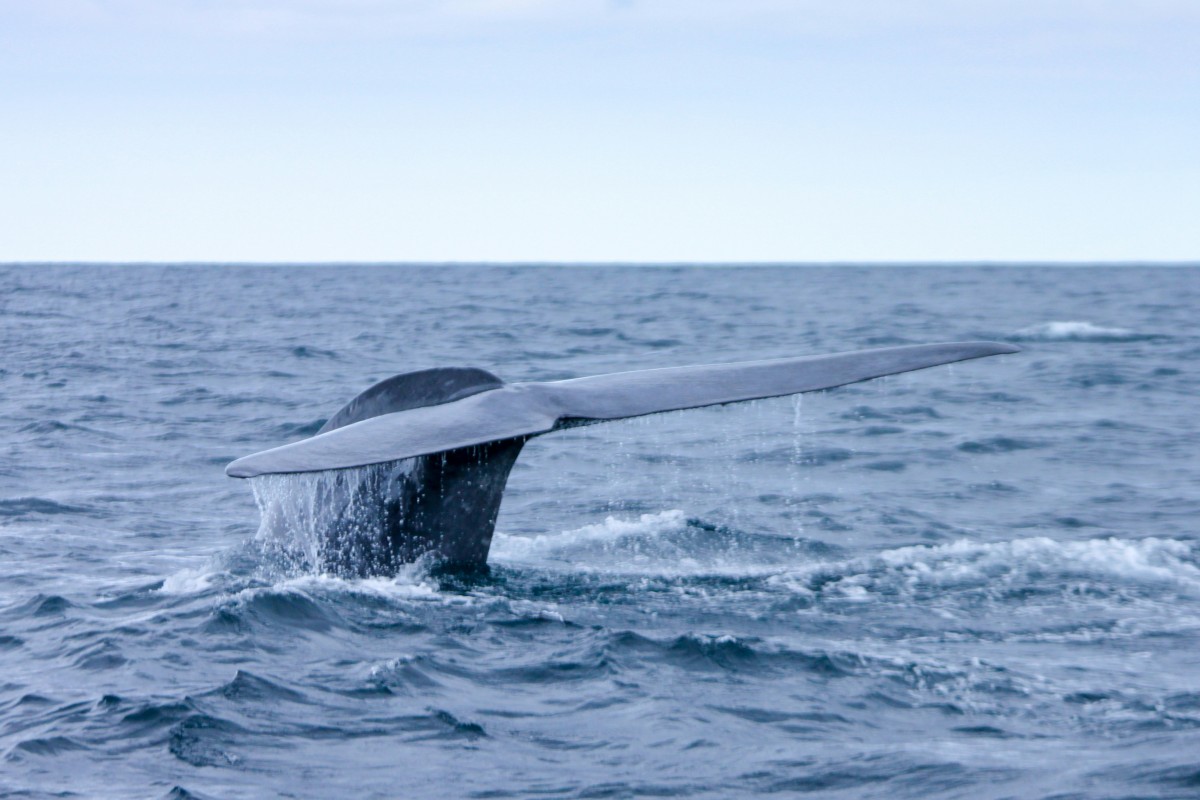
- Whale‑ and dolphin‑watching trips run most of the year, and you start to treat spotting a giant pod of dolphins as something that just happens on a Tuesday.
- On cooler or rainier days, the geothermal hot springs in Furnas or Caldeira Velha become part of normal life, rather than a once‑in‑a‑lifetime holiday experience.
Culture, food and local festivals
Culturally, the Azores lean traditional and low‑key rather than high‑octane. Each island has its own festas, religious processions and summer festivals.
- The Holy Spirit festivals, bull‑running traditions on Terceira, and summer music events give the year a particular rhythm.
Food‑wise, expect a lot of fish, limpets, stews and hearty local dishes like cozido das Furnas, slow‑cooked in the volcanic ground.
- São Jorge is known for its cheese, Pico for its wines, and there’s a strong café culture of simple places.
Stay inspired for your travels in Portugal —get our weekly newsletter for the latest travel, legal, and lifestyle news.
For a taste of the high life, sign up for the monthly luxury market round-up.