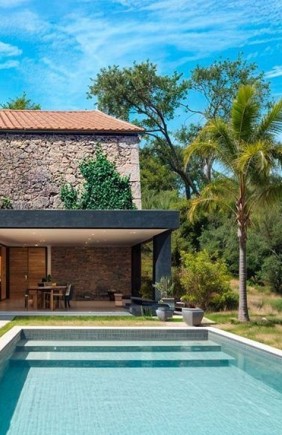
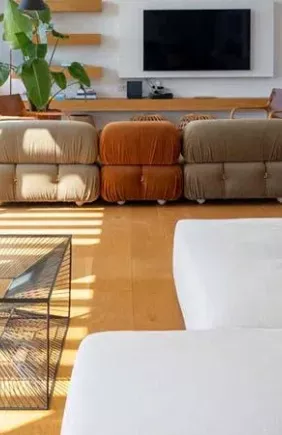
Simply living in a home is no longer enough. Increasingly, it is about living well at home. For years, luxury property was measured by exclusivity and locations with striking views. Now, the priority has shifted towards finding homes that can support long-term quality of life.
Today, luxury homes are geared towards people seeking better health as well as independence. That is the conclusion of Portugal Sotheby’s International Realty’s latest report, which identifies longevity as one of the main forces reshaping property in Portugal and internationally.
How is longevity showing up in homes?
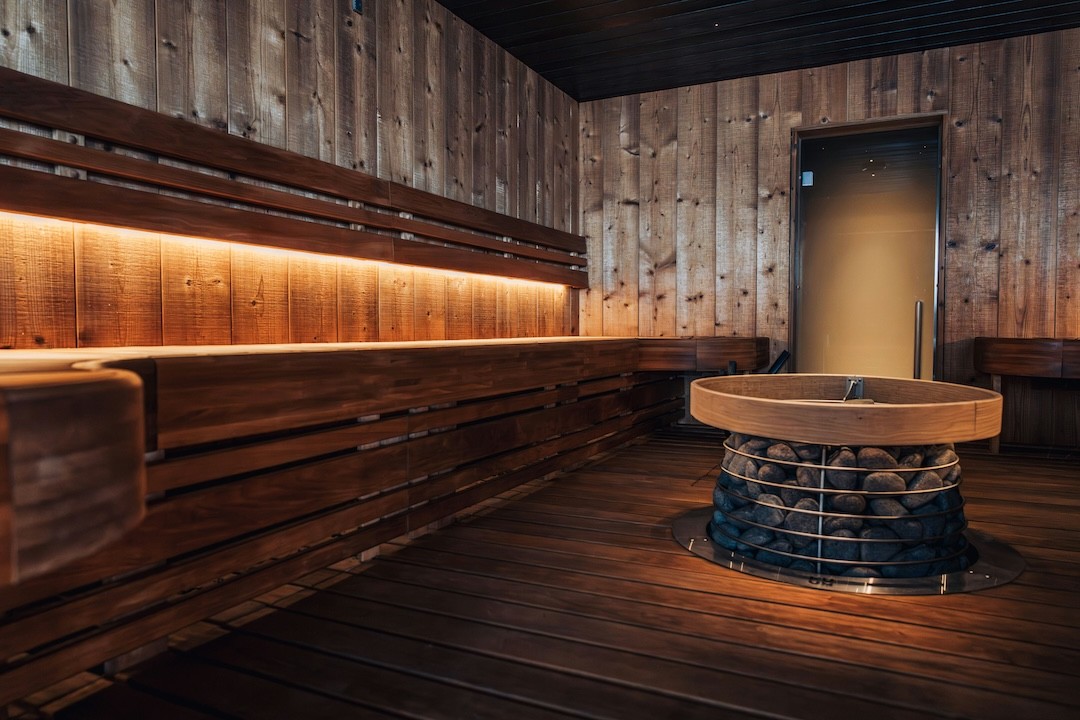
Wellness, privacy, integrated technology, sustainability and purposeful design are the watchwords for properties that put health first. In practical terms, a home can be as prepared for the future as it is for the present, with features such as:
- Spacious areas naturally incorporated into the home and designed for people with reduced mobility.
- Dedicated wellbeing spaces, including spas, ice-bath areas, gyms and meditation rooms.
- More natural light throughout the day, alongside lighting systems that follow the body’s natural rhythms.
- Improved sound insulation to reduce noise and support better rest.
- Ergonomic kitchens with smoother circulation and easier access.
- Better indoor air quality, as homes may be built in green settings or incorporate natural plants as part of the interior design.
- A closer connection with outdoor areas and nature.
- Cutting-edge technology that improves comfort, safety and independence.
Naturally, living in a luxury home is not necessary to have all of this. Several changes can help create a house that ages alongside its residents and supports physical and mental wellbeing.
It is therefore little surprise that what is now described as wellness real estate has more than doubled over the past five years and is expected to exceed $1.1 trillion by 2029, according to figures from the Global Wellness Institute.
Why Portugal has an advantage in the new era of luxury

Portugal continues to attract many people and, despite a decline in home purchases by foreign investors, the country is well placed to benefit from this new view of luxury property. It stands out for:
- Safety, a mild climate, plentiful light and a strong connection to the sea.
- Cities that have never reached enormous proportions and have therefore retained a human scale.
- A growing number of high-end developments, including Savoy Residences Monumentalis, designed entirely around day-to-day comfort.
- A more balanced lifestyle and a sense of peace that is increasingly valued.
Several prominent international figures have also taken an interest in wellness real estate. The captain of Portugal’s national team, widely associated with an almost obsessive discipline around physical recovery, maintains a longevity-focused routine that includes saunas, ice baths and cryotherapy to speed up muscle recovery and reduce physical wear.
At heart, practices that once appeared limited to elite athletes are finding their way into property. These are homes designed not just to impress, but to support a longer and healthier life.
Who is looking for homes designed around longevity?
Contrary to what might be expected, demand for longevity-focused homes is no longer limited to older buyers. Millennials are increasingly driving this trend in the premium segment, particularly people in their thirties and forties with substantial financial means.
These buyers tend to work in technology, finance, entrepreneurship or digital assets, and many built their wealth early or acquired it through intergenerational wealth transfers.
According to Sotheby’s survey, 66% of property professionals reported an increase in this buyer profile, rising to 73% in the segment above $5 million. According to Anna Sherrill, a consultant at ONE Sotheby’s International Realty:
“It is striking to see how many buyers in their thirties and forties are purchasing properties priced between $7 million and $25 million.”
Many of these buyers are already strongly focused on health, longevity and anti-ageing, looking for homes set up to meet those priorities from day one.
It is no coincidence that, for 62% of the professionals surveyed for the report, lifestyle now carries more weight in the purchase decision than factors such as tax, economic stability or political stability.
Wellness real estate draws inspiration from the well-known Blue Zones
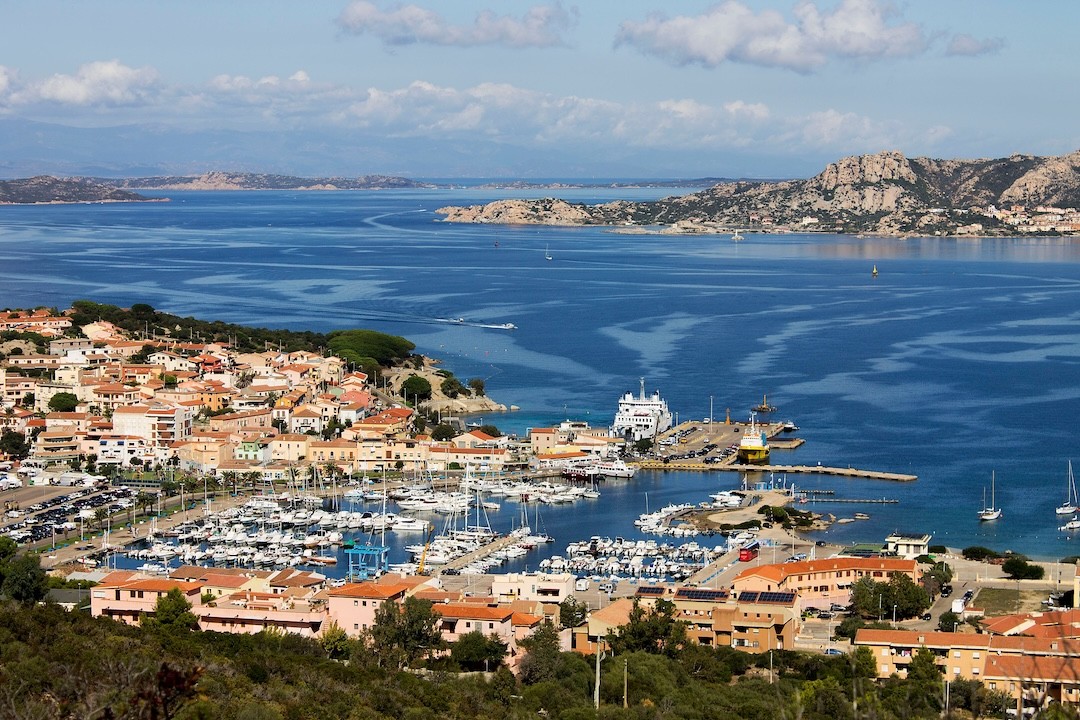
Wellness real estate also takes inspiration from the so-called Blue Zones, areas of the world where reaching the age of 100 is significantly more common and chronic illness tends to be less prevalent.
Popularised by Dan Buettner, the concept identifies places such as Ikaria, Okinawa, Sardinia, Loma Linda and the Nicoya Peninsula as examples of exceptional longevity.
Despite their geographical and cultural differences, these regions have, in an organic way, been “designed” to support more balanced lifestyles, with strong community ties, daily movement and naturally less stressful environments.
It is therefore unsurprising that many of these features are now influencing the design and positioning of wellness real estate. More luxury buyers are looking for:
- Neighbourhoods where it is possible to walk regularly and take care of everyday errands on foot, without constant dependence on a car.
- Closer contact with nature, with easy access to the sea, mountains or green spaces. Some people enjoy getting up early for a good walk with birdsong in the background.
- More connected communities, with facilities that encourage socialising, physical activity and a slower, healthier pace of life.
The idea clearly extends beyond property. In Portugal, it is also starting to gain ground. Projects such as Coolzoone Madeira see the island of Madeira as a place with the potential to establish itself as a genuine Blue Zone, thanks to the combination of these factors and technologies that further underline the importance of longevity.