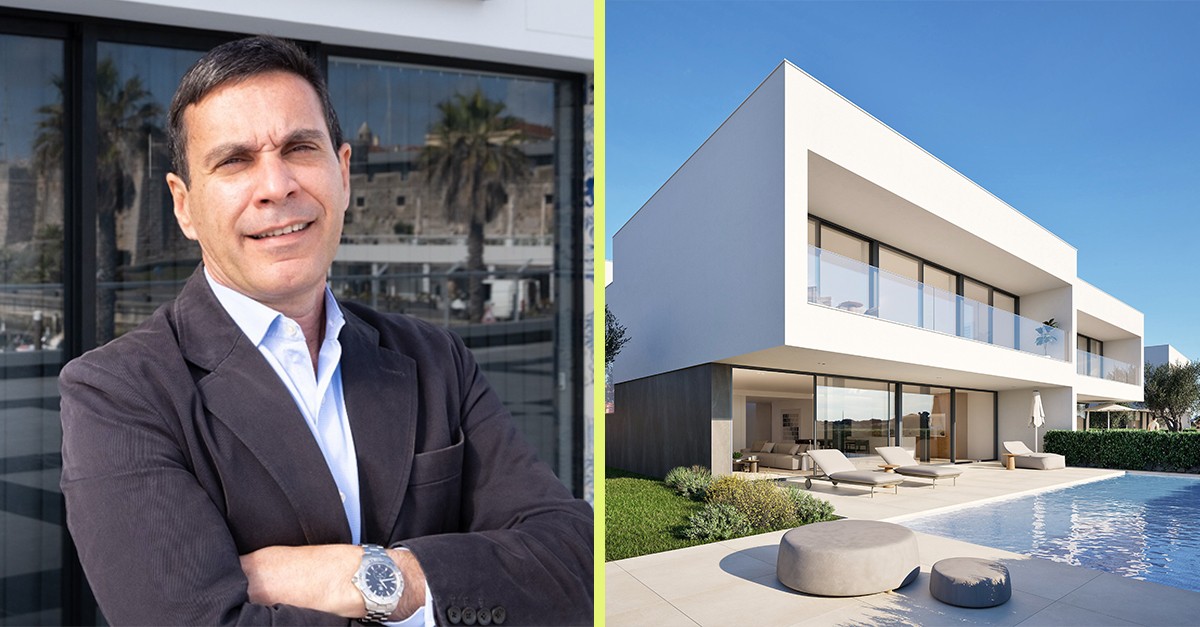

Marlos Gonçalves was born in Brazil and moved to Portugal in 2017 “in search of a better quality of life”. Two years later, the estate agency Piquet Realty Portugal was founded, representing Piquet Realty — established 20 years ago by Brazilian entrepreneur based in the United States Cristiano Piquet — and operating in the luxury residential segment. Last year marked a new chapter for the company, which became part of the Porta da Frente Group. In an interview with idealista/news, Marlos Gonçalves reveals, for example, that the premium segment “is in good health” and shares the view that there is a kind of ultra-luxury housing segment in the country, which “is going through a growth phase, although it is constrained by a shortage of properties with these characteristics”.
“We are talking about properties in absolutely premium locations, with very generous areas, top-quality finishes, multiple amenities, advanced home automation and large garages,” explains the CEO of Piquet Realty Portugal, noting that this segment is mainly concentrated in Lisbon and Cascais. “In the Algarve, we also find properties with these characteristics, particularly in areas such as Quinta do Lago, Vale do Lobo and surrounding areas.”
For Marlos Gonçalves, there is no doubt that “the luxury residential segment remains very strong”, with the country continuing to be “a strategic market, not only for those seeking a second home or holiday property, but also for those wishing to invest in safe and profitable assets”. Regarding the role of the estate agent in this market niche, he emphasises the increasing level of demand: “Professionals in the sector are increasingly acting as experience managers and strategic partners for the client, offering a highly personalised service. It is not enough to know the property: it is essential to have in-depth knowledge of the market, trends, the economic context and the specific characteristics of each region in which one operates.”
Tell us a little about yourself. Who is Marlos Gonçalves and how long have you been connected to the real estate sector?
I am Brazilian, with a degree in management and more than 20 years of experience in the financial market, having held banking management roles in Brazil. In 2017, I moved to Portugal in search of a better quality of life. For around two years, I was involved in the Wealth Management segment, where I had my first contact with the Portuguese real estate market. In 2019, together with my partners, I decided to bring Piquet Realty to Portugal and, since then, I have dedicated myself exclusively to the real estate sector.
Piquet Realty Portugal has been present in the country since 2019 and in the first half of 2025 became part of the Porta da Frente Christie’s Group. What assessment can you make of the company’s activity since it began operating?
The assessment is very positive. Since the start of operations in Portugal, we have recorded consistent growth, keeping pace with market developments and changes in client profiles, heavily influenced by geopolitical factors. Over the past two years, I would particularly highlight the significant increase in demand from North American clients, who have come to represent a relevant share of our activity.
Regarding integration into the Porta da Frente Christie’s Group, from the outset we knew there were strong synergies between both parties and that this union would make us more robust. Even so, the results exceeded expectations. Despite a natural initial period of cultural integration and process alignment, the gains in operational efficiency and our ability to close larger and more complex deals quickly became evident.
“The luxury segment remains very strong, with demand continuing to outstrip available supply. Licensing difficulties and certain bureaucratic obstacles have limited the launch of new projects, which helps to keep the market heated.”
Was 2025 a good year for Piquet Realty Portugal? Why?
It was a particularly demanding year, largely due to the integration process into the Porta da Frente Group, which required efforts from both sides to ensure an effective transition. Even so, we achieved all the annual targets we had set and, although it is not possible to disclose specific figures, I can say that our performance was around 50% higher than in 2024.
What has changed in the company since integration into the Porta da Frente Christie’s Group and what can you reveal about the deal?
Piquet Realty Portugal retains its very distinctive DNA, resulting from a combination of influences from Brazil, the United States and Portugal, with a strong focus on the client and process agility. The major change is that we now have access to a broader property portfolio, new working tools and highly qualified teams. This coexistence has brought new practices, greater operational efficiency and enhanced responsiveness to the market.
The luxury residential segment is in good health, unlike the middle-class segment, which is facing a crisis. Do you agree with this view?
Yes. The luxury segment remains very strong, with demand continuing to exceed available supply. Licensing challenges and certain bureaucratic hurdles have limited the launch of new projects, which helps to keep the market buoyant. This is combined with the continuous flow of buyers of various nationalities, such as British and Brazilian clients, as well as very significant growth in North American demand. All indications suggest this scenario will continue throughout 2026.
Piquet Realty Portugal has announced the start of a new phase of nationwide growth with a focus on the Algarve. What is behind this decision and why the Algarve rather than another region, such as Comporta?
The decision to expand into the Algarve represents a natural step in Piquet Realty Portugal’s journey. After consolidating our presence in Lisbon and Cascais, we were looking for a region that combined scale, product diversity and consistent demand in the high-end segment.
The Algarve stands out precisely because of this combination. It is a mature market, with several well-established submarkets and others in growth, capable of responding to different client profiles. Regions such as Comporta are relevant and very interesting but have more limited scale and supply. The Algarve, in turn, brings together the essential conditions to develop a structured operation and consolidate our presence in a strategic market where we can grow sustainably and achieve a leading position.
We are highly motivated by this new phase in Piquet Realty Portugal’s journey. Although fully aware of the challenges, we believe we are on the right path to consolidating our position as one of the reference players in the Algarve.
Are the main clients (buyers and/or investors) of Piquet Realty Portugal Brazilian and North American? Are there new nationalities interested in Portuguese real estate?
Although we are seeing very strong demand from Brazilian and North American clients, reflecting the origin and international positioning of Piquet Realty, the profile of our buyers is quite diverse. In the Algarve, for example, British, German and Irish clients stand out. In Lisbon and Cascais, in addition to Brazilians and North Americans, we are observing consistent demand from French, Swedish, Russian and other European nationalities.
And has interest from Portuguese buyers/investors been increasing?
Portuguese buyers have always represented a relevant share of our business, accounting for between 20% and 30% of total transactions. We believe this proportion will remain stable in 2026, reflecting continued interest from the domestic market, particularly in the high-end segment.
This interest is largely driven by Piquet Realty Portugal’s reputation in the high-end segment, as well as by the fact that we facilitate access to a differentiated portfolio of premium properties and, in particular, to off-market opportunities, which are increasingly valued by domestic clients.

Does Portugal remain an attractive investment destination for foreign investors/buyers?
Yes. The country combines economic stability, legal certainty and quality of life — factors that are increasingly valued by those seeking luxury properties or secure investment opportunities. In addition, it offers a diversified property portfolio, ranging from historic properties and exclusive villas to new premium developments. Ease of access from the main European markets and its international reputation also help keep the country on investors’ radar.
In the high-end segment, Portugal’s appeal is reinforced by the balance between quality of life, privacy and property appreciation potential. For these reasons, the country remains a strategic market, not only for those seeking a second home or holiday property, but also for those wishing to invest in safe and profitable assets.
What type of luxury properties are clients looking for? More villas, penthouses/apartments, mansions…?
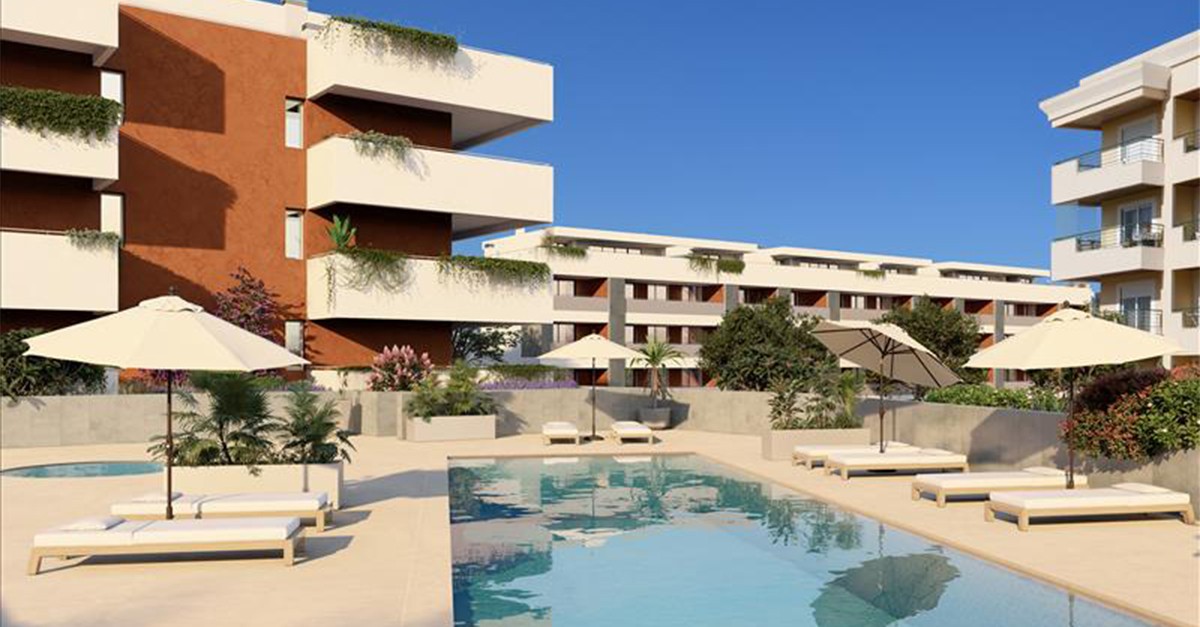
It depends greatly on the region. In Lisbon, demand is mainly focused on apartments and penthouses. In Cascais, there is a more balanced mix between apartments and villas. In the Algarve, the ultra-high-end segment is more focused on villas, while “traditional” luxury is split between apartments and villas.
“Portugal combines economic stability, legal certainty and quality of life, factors that are increasingly valued by those seeking luxury properties or secure investment opportunities.”
Do you agree with the view that in Portugal there is a residential segment that goes beyond luxury — a kind of ultra-luxury housing? If so, what distinguishes these properties and where are they located?
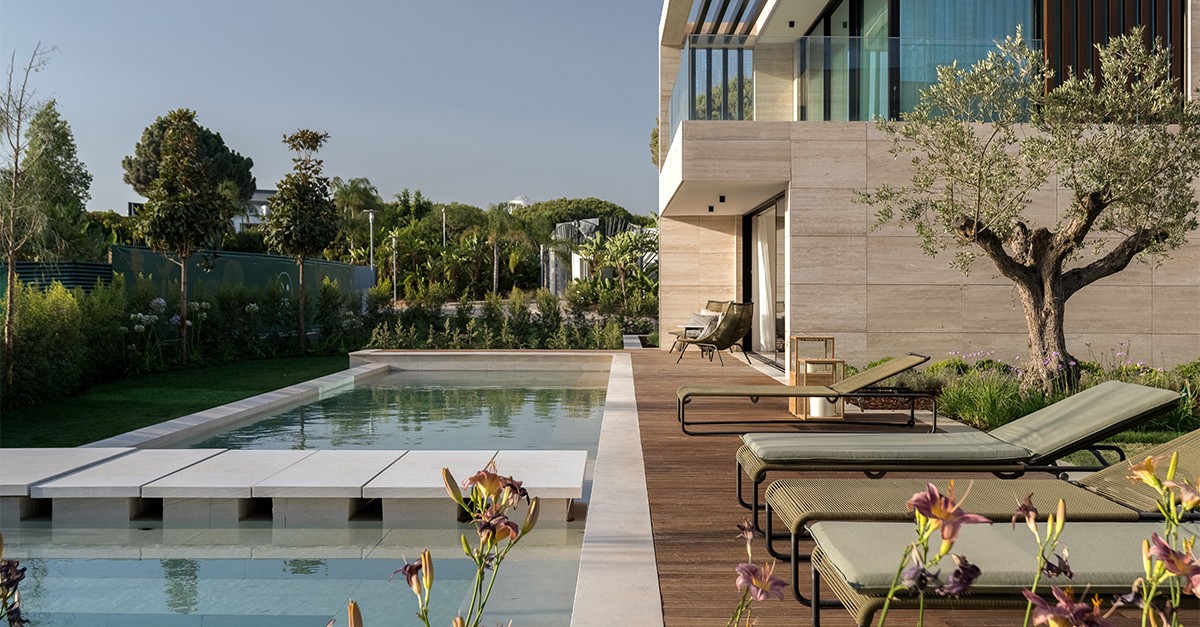
Without a doubt. The ultra-luxury segment is going through a growth phase, although it is constrained by a shortage of properties with these characteristics. We are talking about properties in absolutely premium locations, with very generous areas, top-quality finishes, multiple amenities, advanced home automation and large garages.
Currently, this segment is mainly concentrated in Lisbon and Cascais. In the Algarve, we also find properties with these characteristics, particularly in areas such as Quinta do Lago, Vale do Lobo and surrounding areas.
Do you believe the role of estate agency and of estate agents working in the luxury segment is also changing, particularly due to the impact of technology and Artificial Intelligence (AI) on the sector?
Technology and AI are bringing profound changes to the real estate sector, especially in the premium segment. Today, clients expect rapid responses, accurate information and a highly personalised service.
Digital tools make us more efficient, precise and strategic in how we approach the market and clients. AI, for example, has moved beyond being merely an operational support tool and now plays a strategic role: it enables market data analysis, identification of demand patterns, anticipation of trends and personalisation of the client approach. This frees up time for the consultant to focus on what truly creates value: advice, close support and a personalised experience.
However, technology does not fully replace the human relationship — it complements it. The true value of an estate agent still lies in their ability to interpret needs and build lasting relationships of trust with clients.

Have the characteristics required of an estate agent operating in the premium segment changed compared with the past?
The profile of the luxury agent has become much more demanding. Today, professionals in the sector increasingly act as experience managers and strategic partners to the client, offering a highly personalised service. It is not enough to know the property: it is essential to have in-depth knowledge of the market, trends, the economic context and the specific characteristics of each region in which one operates. In the case of international clients, for example, this includes supporting the entire relocation and integration process in the country, from documentation and practical services to adapting to local life.
At the same time, mastery of digital tools, CRM systems and other technological solutions, combined with a structured approach, has become indispensable for managing multiple clients and business opportunities efficiently and strategically.
As mentioned earlier, the human relationship remains decisive, but today it is underpinned by information, technology and professionalism. The luxury agent must know how to balance empathy and proximity with rigour and effectiveness, offering the client not merely a property transaction but a complete, secure experience aligned with their goals and lifestyle.
“The profile of the luxury agent has become much more demanding. Today, professionals in the sector increasingly act as experience managers and strategic partners to the client, offering a highly personalised service. It is not enough to know the property: it is essential to have in-depth knowledge of the market, trends (…)”
The Government has announced new housing-related measures. They are mainly aimed at increasing supply in the middle-class segment, but will they also have an impact on the luxury segment?
Any measure that helps to stimulate the real estate sector — even when focused on the middle class — ends up having a cross-cutting impact. These initiatives strengthen market confidence, encourage investment and bring greater predictability for investors and developers. I would highlight the reduction of VAT for properties up to €648,000 and the measures aimed at accelerating urban development and rehabilitation processes, which will be decisive in increasing supply both in affordable housing and in the high-end segment.
Given that one of the main constraints of the premium market continues to be the shortage of land and viable projects, more efficient processes could unlock new developments and contribute to greater dynamism in the sector.
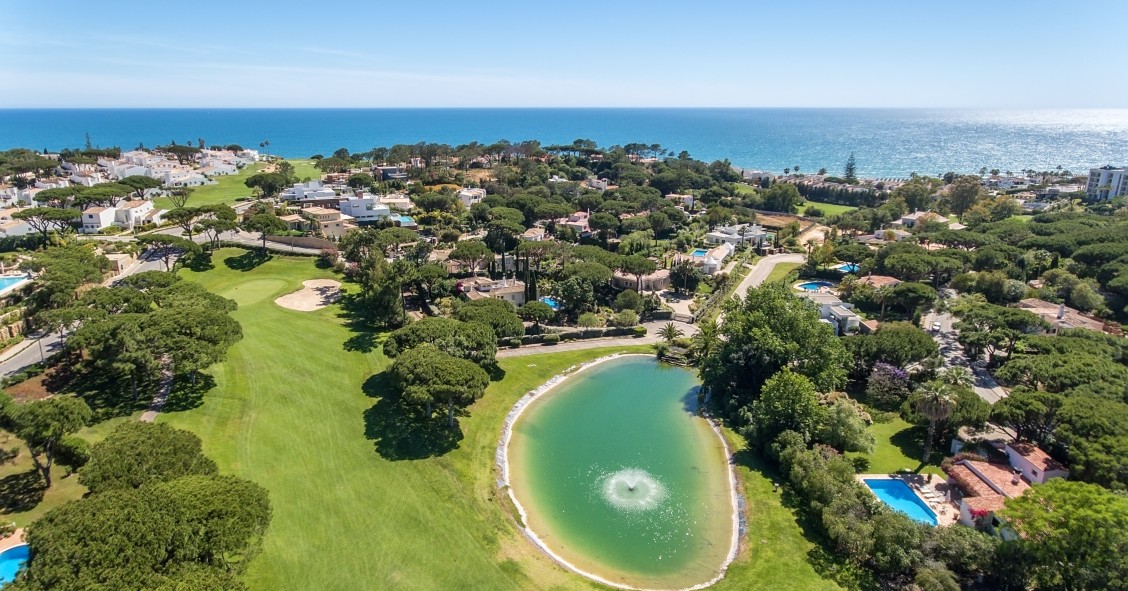
Luxury homes: Piquet Realty Portugal targets the Algarve
Piquet Realty Portugal, a real estate agency specialising in the luxury segment and representing Piquet Realty – the international brand founded around 20 years ago by Brazilian entrepreneur Cristiano Piquet, now based in the US – has announced the start of a new phase of national growth focused on the Algarve.