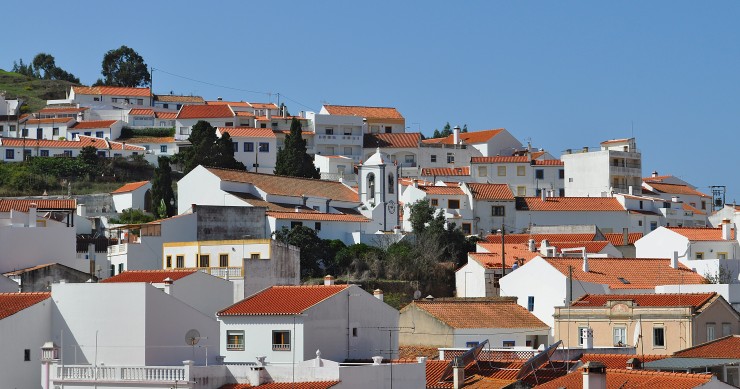
Portugal’s housing crisis calls for urgent structural reform
The affordability crisis that has affected the residential sector in Portugal in recent years is fueled by a network of structural causes that, according to a recent study, will not be overcome simply by increasing supply and therefore requires a profound and transformative response.

Housing crisis affects the economy by driving young people away from cities
The housing crisis affects people and also economic growth by driving young people away from urban centers and hindering productivity, warned the director of the European Department of the International Monetary Fund (IMF), in an interview with Lusa.

Cost of living in Portugal in 2026
Is it expensive to live in Portugal? How much do you actually need each month to feel comfortable, rather than counting every coffee?

How to buy a house during Portugal's housing crisis?
Access to housing in Portugal, Europe and the US is becoming increasingly difficult. Families are faced with high house prices and high interest rates on housing loans. What's more, their purchasing power is still pressurised by inflation.
China's property crisis: Evergrande shows losses of 72bn
Chinese property developer Evergrande announced on Tuesday (18 July) net losses of more than €72bn over the past two years, illustrating the liquidity crisis that has rocked China's real estate sector.
The company recorded net losses of 476,035 million yuan (€59,051 million) in 2021 and 105,914 mil
Portugal is the most vulnerable country to rising interest rates
Portugal is the most vulnerable country in the so-called group of the world's most developed nations to rising interest rates and the discontinuation of cheap money programmes by the European Central Bank (ECB).
Portugal 200 euro rent support payouts begin
Households that are having difficulties paying the rent of their houses will be able to count on an extra support from this week in Portugal. This is because the rent support, of up to 200 euros, detailed in Portugal's Mais Habitação (More Housing) scheme is being paid from Monday 29th May.

Portugal inflation 2023: Brussels forecasts inflation in Portugal at 5.1% this year and 2.7% in 2024
What is the inflation rate in Portugal 2023? And what is the long term inflation forecast for Portugal?

The Algarve is the EU's 2nd region with highest GDP loss since pre-pandemic times
In 2021, the Algarve was the second region in Europe with the greatest loss of wealth compared to 2019, that is, compared to the pre-pandemic period. Only the Balearic Islands, in Spain, had a greater fall in real GDP during the two periods under review.
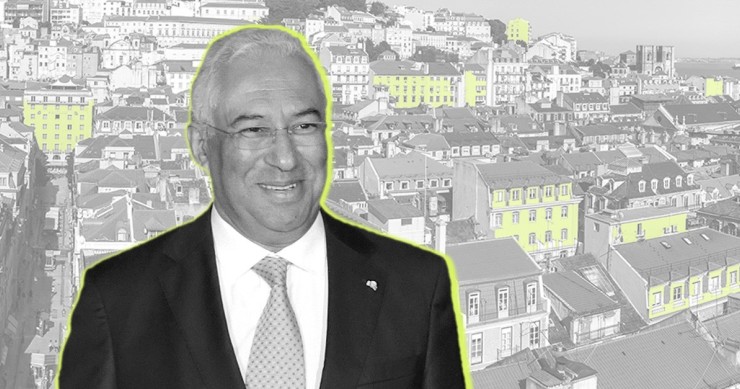
Portuguese Government to intervene in the real estate market with a new set of measures known as "mais habitação"
Without having managed to give an effective answer to the housing crisis, which for several reasons has been worsening in Portugal in recent years, Portuguese Prime Minister António Costa has now decided to present a new plan of attack, called "Mais Habitação", which literally means "more
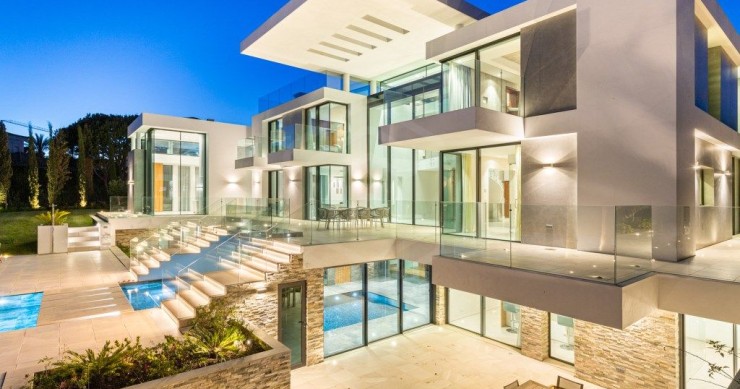
Why buying luxury homes is a refuge from high inflation in Portugal
The property market in Portugal and on a larger scale has already proved its resilience, first in the pandemic crisis and now in the context of inflation marked by the war in Ukraine.

Energy Poverty Europe: Portugal one of the countries most at risk
What is energy poverty?

Inflation, GDP and deficit in Portugal: predictions from the European Commission
The European Commission (EC) has unveiled its autumn macroeconomic forecasts for 2022 and 202 and, in general, it did not bring good news for Portugal. The EC revised inflation in Portugal upwards to 8% in 2022, although this is lower than the average for the Eurozone (8.5%).
No recession expected in Portugal in 2023
Is Portugal going into a recession? The prime minister, António Costa, has reassured the Portuguese people that "it is not foreseen in the macroeconomic scenario" of Portugal "any recession next year", stressing that the country "will continue to grow".

Government announces measures to save energy in Portugal
Europe is facing an unprecedented energy crisis, triggered by the war in Ukraine, which is reflected in prices, supply and the economy.
Portugal: one of the EU countries least affected by Russia's war on Ukraine
The war in Ukraine is affecting the European economy more severely than other major economies such as the US or China, reflecting the geographical proximity and important trade relations between countries.
Economic recovery in Portugal after COVID-19
The European Commission says it is "reasonably optimistic" about Portugal's "rapid economic recovery" after the crisis generated by COVID-19 and believes that the way in which the country "controlled" the pandemic will benefit the recovery of tourism this summer.

Income of the youngest families could be the most affected by the pandemic in Portugal
The COVID-19 pandemic is already having and will continue to have unprecedented effects on the world economy, with a negative impact not only on the financial situation of companies, but also on households.

Recovery from this economic crisis may be "faster than the one that started in 2008"
The new coronavirus pandemic is already leaving, and will continue to leave its mark on the Portuguese and world economy, with direct consequences in the real estate sector.

Portugal is amongst the Eurozone countries where property prices have increased the most since 2010
Housing prices in Portugal have increased in the last decade. In nine years, they have increased by 16.6%, above the average of 3.3% in the eurozone and above the world average of 15.4%.

The OECD’s ‘recipe’ for making Portugal a better country
Portugal as a country is on the right track economically, but there is still much to do to promote more inclusive and sustainable growth.

Most young people in Portugal can’t buy or rent property
Neither rent nor buy. That’s the reality for young people in Portugal, who are a long way off being able to afford a property at the current house prices.

The property market in Portugal
Before the Property Bubble:
Every single region in Portugal has seen property prices fall since the end of 2007 thanks to the global economic crisis. There was a small uplift in 2009 but then another steady drop until 2014, when the economy started to pick up again.