Portugal continues to attract retirees from around the globe with its affordable cost of living, high quality of life, and welcoming atmosphere. Whether you're considering relocating to the sun-kissed Algarve coast, the historic streets of Lisbon, or the tranquil towns of the interior, understanding the financial aspects of retiring in Portugal is crucial.
Here's an updated look at what you can expect in 2025 when it comes to the cost of retiring in Portugal.
Monthly living costs for retirees in Portugal
Living in smaller towns or rural areas
For those wanting to retire in Portugal, seeking a quieter lifestyle, Portugal's smaller towns offer exceptional value. Retirees can live comfortably on a monthly budget of approximately €1,400 to €1,900. This includes rent, utilities, groceries, dining out, and transportation.
Living in major cities
In contrast, larger cities like Lisbon, Porto, and the Algarve region are more expensive. A comfortable lifestyle in these areas typically requires a monthly budget ranging from €1,900 to €3,200, depending on the neighbourhood and personal lifestyle choices.
Housing costs for retirees in Portugal
Housing remains one of the largest items in a retiree’s budget, and recent data confirm a strong upward trend in both rents and purchase prices:
Renting
- Lisbon, one-bedroom flat in the city centre:
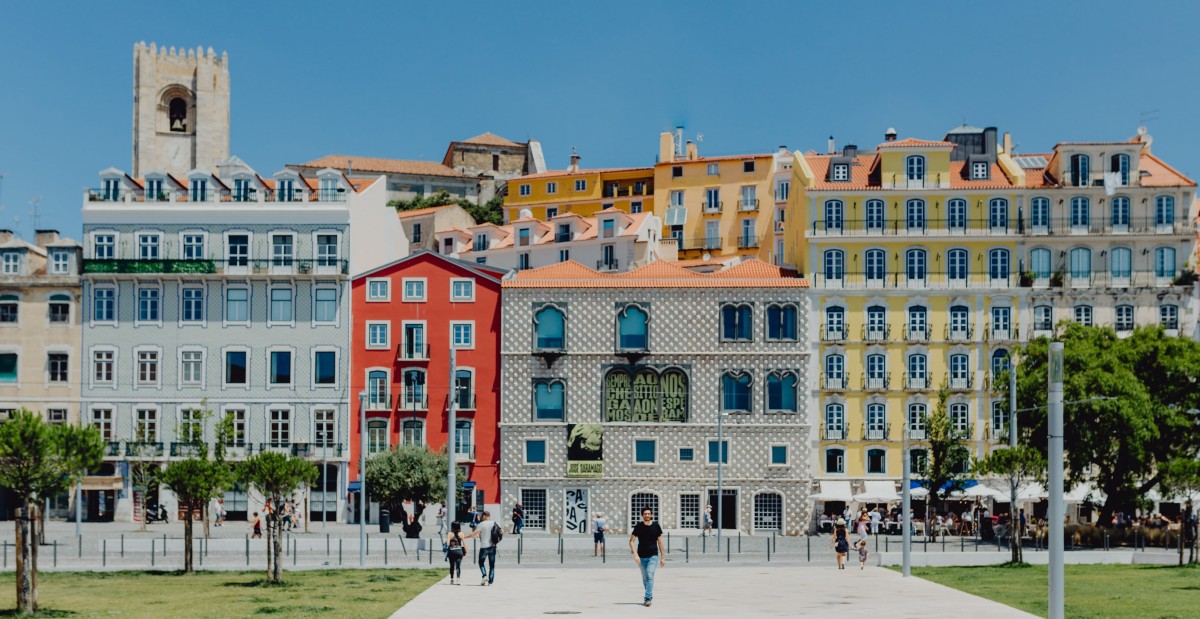
Current listings and idealista's December 2025 price report point to typical monthly rents in the region of €1,300 to €1,800 for a reasonably modern one-bedroom apartment in central neighbourhoods. Smaller towns and rural areas:
Outside the main metropolitan areas and the Algarve’s most in-demand coastal zones, long-term rents are still significantly lower. Some of the cheapest municipalities to rent in Portugal, Castelo Branco, comes out on top.A basic but decent one-bedroom flat in a smaller inland town can often be found in the €500 to €800 range per month.
These ranges assume standard long-term contracts, not short-term or holiday lets, which can be considerably more expensive in tourist hotspots.
Buying property
- Lisbon
According to the most recent idealista data, the average residential price in the municipality of Lisbon is now €5,995 per m². Santo António in central Lisbon is the most expensive place to buy in Portugal, with averages as high as €7,485 per m². Rural and lower-cost regions:
At the national level, the average price was about €3,019 per m² in December 2025. One of the cheapest places to buy, Mogadouro, has an average of around €566 per m².In many rural municipalities and small inland towns, it is still realistic to find homes in the €700 to €1,400 per m² bracket, with the lower end corresponding to more remote locations or properties needing renovation.
Find property for sale in Portugal with idealista, and if you're not ready to commit, check out our wide range of properties for rent across the country.
Daily expenses
- Groceries
Day‑to‑day supermarket costs have risen with general inflation, but Portugal remains cheaper than much of Western Europe. In 2026, a single person typically spends around €180 to €280 per month on groceries. - Dining out
Restaurant prices have also edged up in 2025–2026. According to Numbeo, a basic meal in an inexpensive restaurant usually falls in the €11 to €14 range per person. A three‑course meal for two at a mid‑range restaurant is now more often between €45 and €70. - Transportation
Public transport remains comparatively economical, especially for residents. In the Lisbon metropolitan area, the over‑65 Navegante Urbano pass continues to be free for residents, and only €15 for others.

Healthcare in Portugal
Portugal offers both public and private healthcare options:
- Public healthcare: The Serviço Nacional de Saúde (SNS) provides public healthcare that is either free at the point of use or subject to modest user charges for most basic services.
- Private health insurance: For healthy retirees in their early to mid‑60s, entry‑level policies with major Portuguese insurers tend to start around €60–€90 per month, while more comprehensive cover or policies taken out at older ages can run from €120 to €250 or more per month, depending on age, medical history, deductibles and the level of international cover.
Tax considerations
Portugal’s tax rules for new foreign retirees have shifted since the end of the original Non‑Habitual Resident (NHR) regime in late 2023. The classic NHR scheme is closed to new applicants, although those already approved generally keep its benefits.
The replacement regime, often called IFICI, is aimed at certain active professional incomes. It does not offer reduced rates for foreign‑source pensions or most passive income.
How passive income is taxed now
- From 2025 onwards, foreign retirees who become Portuguese tax residents should expect their foreign pensions to be taxed as ordinary income under Portugal’s progressive resident rates (roughly 12.5% to 48% in 2025).
- By contrast, foreign retirees who are not tax residents in Portugal are taxed in Portugal only on Portugal‑sourced income. In 2025, most such income from employment, self‑employment and pensions is subject to a flat 25% non‑resident rate.
- Double Tax Treaties between Portugal and other countries, such as the UK, continue to determine where retirement income and other passive income can be taxed.
Sample monthly budget for a retired couple
| Expense Category | Estimated Monthly Cost |
|---|---|
| Rent (2-bedroom apt.) | €800–€1,250 |
| Utilities | €110–€170 |
| Groceries | €320–€400 |
| Dining Out | €180–€250 |
| Transportation | €60–€110 |
| Health Insurance | €140–€260 |
| Total | €1,610–€2,460 |
For a comparable lifestyle in Lisbon, Porto or prime Algarve coastal areas, a retired couple should now expect to add roughly 25–35% to this budget, mainly due to higher rents and daily spending in larger cities and tourist regions.
Stay in the know about living in Portugal as a foreigner—get our weekly newsletter for the latest travel, legal, and lifestyle news.
For a taste of the high life, sign up for the monthly luxury market round-up.