Portugal’s been quietly climbing the economic ranks over the past few years. Now that Portugal is the economy of the year for 2025, the country is one of those places people mention in the same breath as stability and opportunity, not just pastel de nata and sunshine.
Why Portugal was named “economy of the year” in 2025
In 2025, Portugal was singled out by a top UK financial newspaper as its “economy of the year”. This means it was the standout macro‑economic performer in the annual ranking of 36 of the world’s wealthiest countries.
The Economist based its list on five indicators – inflation, how far inflation deviated from target, Gross Domestic Product (GDP), employment and stock market performance. Portugal came out on top by managing the rare combo of solid economic growth, low and relatively well‑behaved inflation, and a bull market on the local exchange.
In the final table, Portugal was followed by Ireland and Israel, while Spain, which topped the ranking the previous year, dropped back to share fourth place. On the domestic side, Portuguese government forecasts point to economic growth of around 2% this year and 2.3% next year. Put together, that mix of performance and outlook is why so many commentators now talk about Portugal as a quiet success story, finally shaking off its old crisis image and behaving much more like a stable, well‑managed economy.

Key economic indicators for Portugal’s economy in 2025
Behind the “economy of the year” headline are the usual hard numbers: GDP growth, inflation, unemployment and the state of public finances.
- Portugal’s growth in 2025 was stronger than that of many larger eurozone economies.
- Inflation, while still a headache after the energy shocks of the early 2020s, was brought down faster than in some neighbours.
- Unemployment also continued its downward trend compared with the euro crisis years, with more jobs in services, tourism and the tech and shared‑services sectors.
- The public deficit and debt were nudged in a more sustainable direction, which tends to earn brownie points with investors and rating agencies.
What Portugal’s 2025 economic performance means for residents and internationals
On the ground, a stronger, more trusted economy in Portugal feels like a mixed but mostly positive bag for people living here or thinking of moving. The upside is more job creation, a sense that the country is less exposed to every little eurozone wobble, and growing interest from international companies.
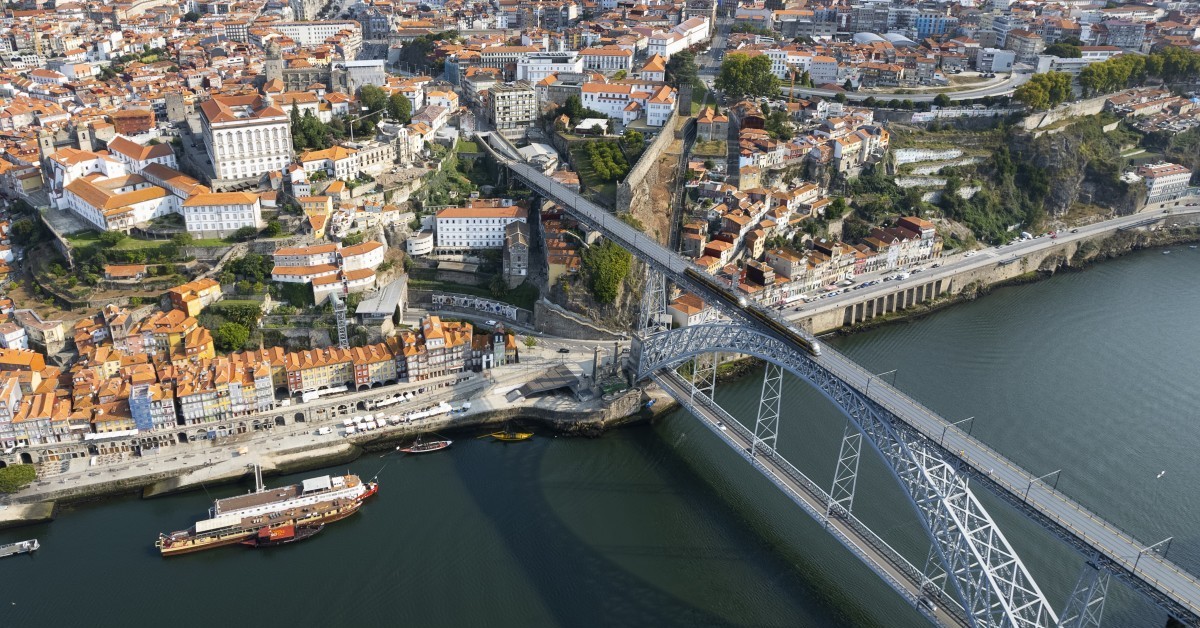
That same confidence is drawing in more property investors, especially in Lisbon, which has been hailed as Europe’s top property investment city for 2026. Porto's property market is also attracting growing interest from international investors. At the same time, there has been a noticeable rise in foreign demand, with American buyers flocking to Portugal, which all feeds into how the boom feels on the street.
The flip side is that success has piled extra pressure on housing and rents in popular cities and coastal areas, as locals, returnees, and investors all chase the same limited supply. Property market data show a clear upward trend over recent years, especially in central Lisbon, Porto and hotspots in the Algarve, with British and American buyers driving demand for homes in Portugal.
Housing costs are soaring, with Portugal home to some of the most overvalued house prices in the EU, while salaries remain relatively low. So while residents are proud that Portugal is "economy of the year" for 2025, many are also feeling the downside of that success most sharply in their monthly rent and mortgage payments.
Stay in the know about living in Portugal as a foreigner—get our weekly newsletter for the latest travel, legal, and lifestyle news.
For a taste of the high life, sign up for the monthly luxury market round-up.