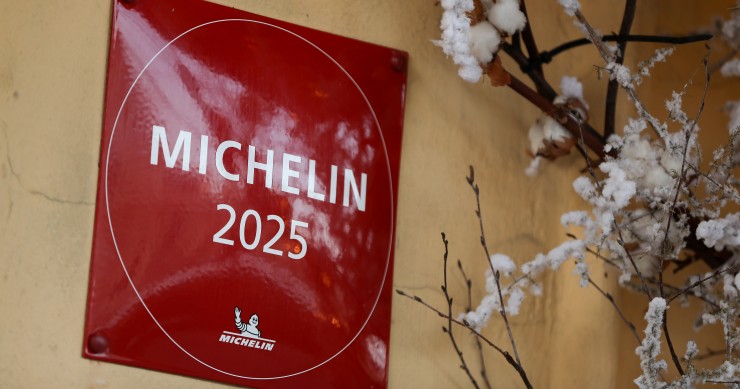
Portugal’s restaurant scene has just had one of its strongest years yet. The Michelin Guide Portugal 2026 has awarded 10 new Michelin stars, plus a new two-star promotion in Lisboa. For a country our size, that’s a big deal.
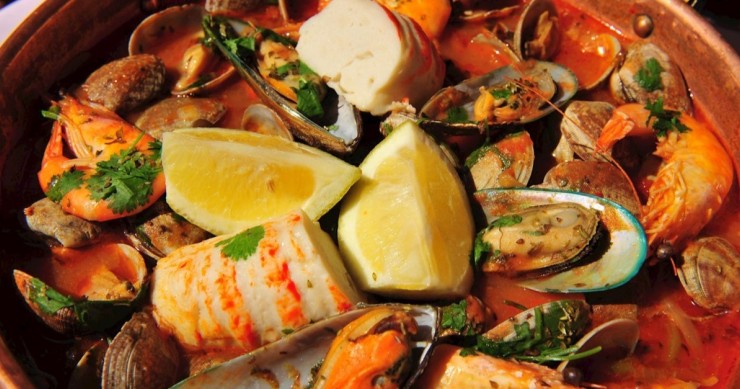
The Algarve isn’t just about beaches and golf resorts. Traditional Portuguese food here leans heavily on the Atlantic, citrus groves and old-school family recipes. Trying local dishes fits neatly with all the things to do in the Algarve, away from the sunbeds.
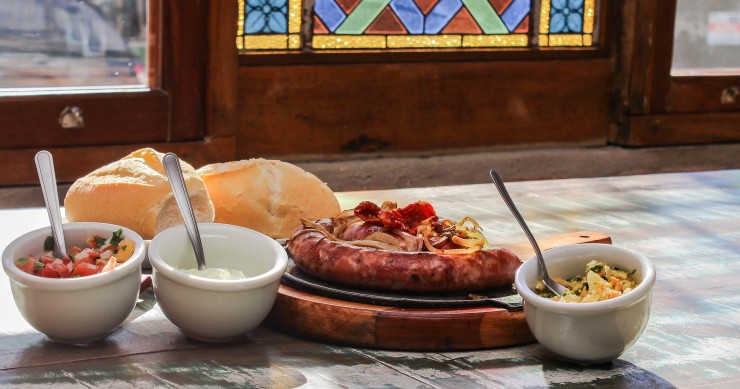
If you spend any time in Portugal, sooner or later, someone will suggest going out to petiscar. It’s one of the most sociable ways to eat, all about sharing plates, lingering over drinks and chatting for hours.
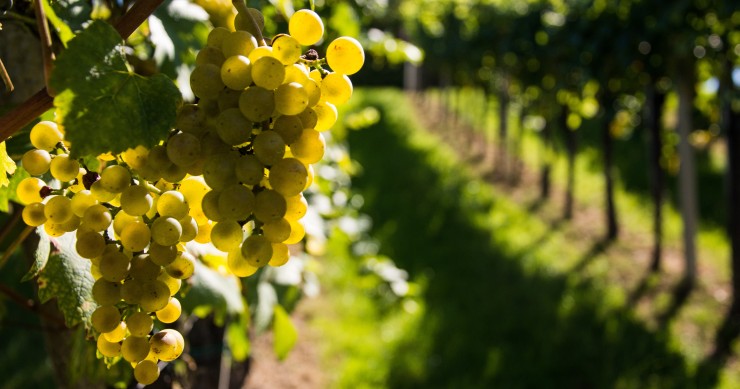
When people talk about green wine in Portugal, they mean Vinho Verde, not some weirdly coloured drink. It is one of the most easy‑going, affordable styles around, especially in the north and around the ciy of Porto.
European Wine City 2026 is the title given to highlight one region’s wine, culture and tourism in Europe for a full year. In 2026, the spotlight goes to a rural area in Portugal that is still very much off the mainstream tourist trail.
Portugal has taken the top spot in one of the wine world’s most closely watched rankings, with a Portuguese estate named the world’s best wine producer in 2025.
If you’ve already lived in Portugal for a while, you’ll know what we mean. If you’re getting ready to go there, be warned about what you might find – Portuguese people are really lovely but have some strange customs. Here, we run down the 10 strangest habits of the Portuguese.
1.
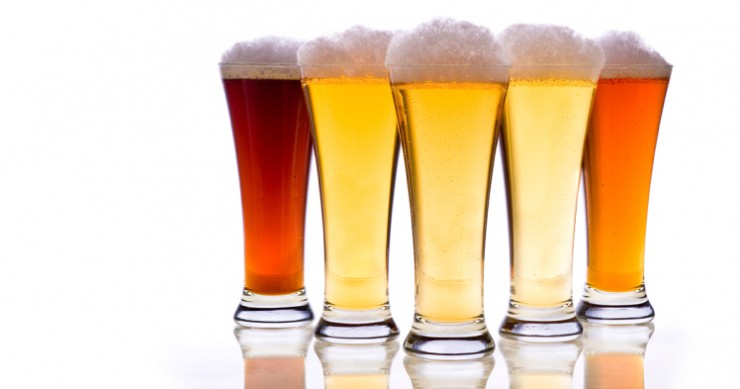
What better when relaxing in the Portuguese sun than a nice cold brew? The Portuguese take drinking at a casual level, often drinking beer from small bottles, ‘garrafas’, or draught beer by the half-pint or smaller, known as ‘imperial’ or ‘fino’.