Out in the mid-Atlantic, there’s a wild Portuguese island where a single volcanic cone dominates the skyline. Black lava fields spill into natural swimming pools, vines grow behind hand-built stone walls, and whales surface just offshore.
It feels almost car-free, not because vehicles are banned, but because life moves at a slower rhythm. Traffic is light, villages are small, and distances are short enough that you notice the scent of salt and earth more than exhaust fumes.

Portugal’s highest peak rising from the sea
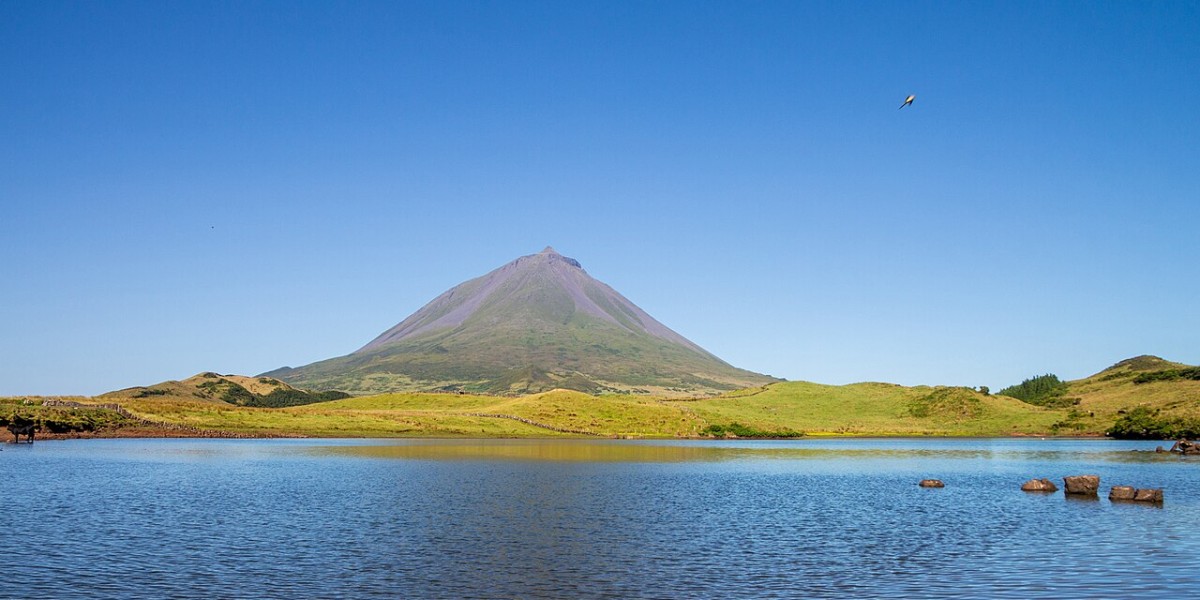
The island is Pico, part of the Azores archipelago, and home to Mount Pico at 2,351 metres — the highest point in Portugal. The mountain rises almost straight out of the Atlantic, a dark cone that shapes both the skyline and local identity.
One of Portugal's most impressive islands, Pico is known for four defining elements: its volcano, its UNESCO-classified vineyards, its natural lava pools and its reputation as one of the best whale watching locations in the North Atlantic.
Why Pico feels like a car-free island in Portugal
Pico isn’t technically a car-free island, but it often feels like one. The road network is modest, there are no motorways, and outside the main towns you can drive for stretches without seeing another vehicle.
Many visitors choose to explore on foot along coastal trails or through vineyard paths. Cycling is increasingly popular, particularly along flatter coastal sections near Madalena.
A natural fit for low-impact travel
Because Pico has never developed large-scale resorts, it suits travellers interested in low-impact, slower travel. Accommodation tends to be small guesthouses, restored stone cottages and family-run rural stays rather than big hotel chains.
Hiking routes thread across lava fields and up into the highlands, and guided excursions are run by local companies rooted in the community.
Climbing the highest point in Portugal
Climbing Mount Pico is the island’s signature experience. The ascent is regulated, and walkers must register at the Casa da Montanha visitor centre, with many opting to go with certified local guides for safety and insight into the terrain.
The trail climbs through volcanic rock and sparse vegetation before reaching the summit crater. Some hikers choose a night ascent to reach the top at sunrise, when the light hits the ocean and neighbouring islands in soft bands of colour.
UNESCO lava vineyards and volcanic wine
Pico’s wine culture is so distinctive that the Landscape of the Pico Island Vineyard Culture is recognised by UNESCO. The vineyards are protected by thousands of low, dry-stone walls known locally as currais, built to shield vines from strong Atlantic winds and salt spray.
Verdelho is the island’s best-known grape, producing crisp white wines shaped by volcanic soil and maritime conditions. Around Madalena, small producers and cooperatives offer tastings that reflect this unique terroir without any pretence.
Natural pools carved into black lava
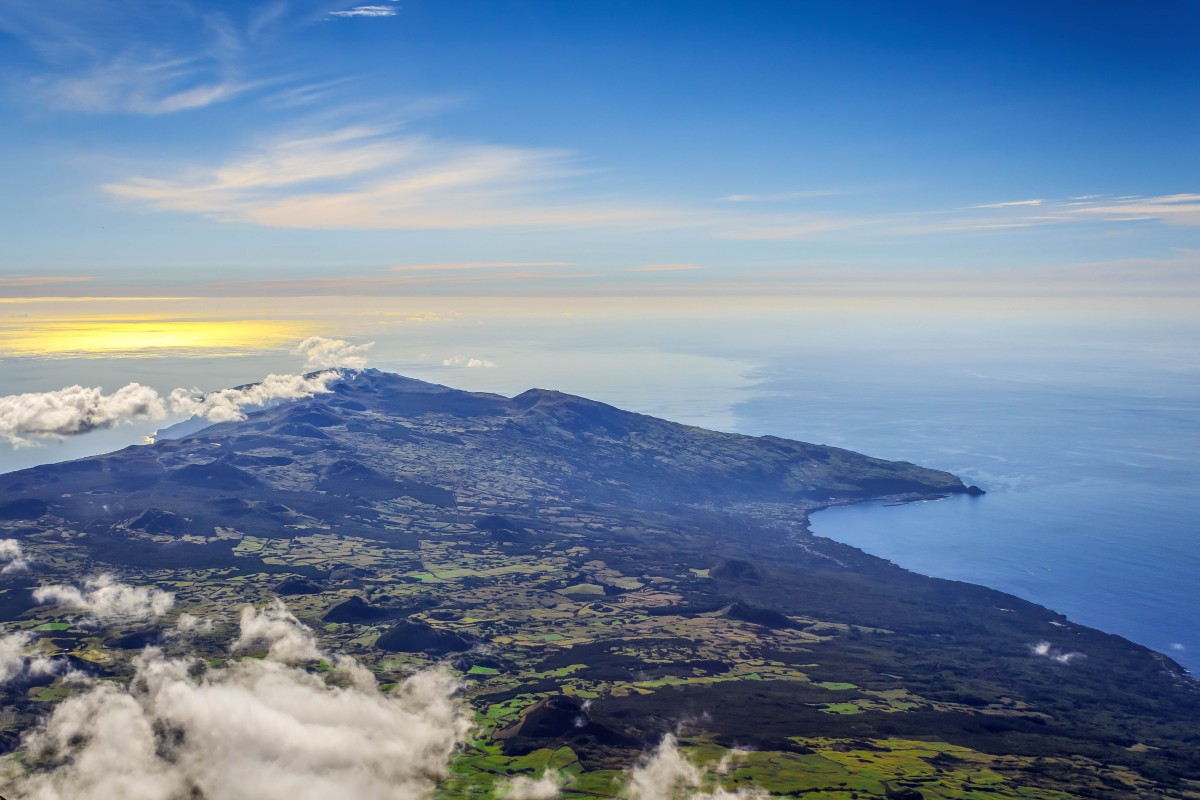
Sandy beaches are rare here. Instead, swimming happens in natural pools formed by solidified lava, where the ocean has carved basins into dark rock.
- At Cachorro, near Madalena, volcanic arches and inlets create sheltered spots for a dip when sea conditions are calm.
- In São Roque do Pico, natural swimming areas combine lava formations with simple access points and changing facilities.
One of the world’s great whale watching locations
Pico is widely regarded as one of the best places for whale watching in Portugal, and indeed in Europe. The deep waters surrounding the Azores attract more than 20 species of whales and dolphins throughout the year.
Tours typically depart from Lajes do Pico and Madalena, led by marine biologists or trained guides who monitor sightings from lookout points on land.
The island has a historic connection to whaling, and the old whaling museum in Lajes offers context on how the industry evolved into today’s conservation-focused approach.
Remote living on a volcanic island in Portugal
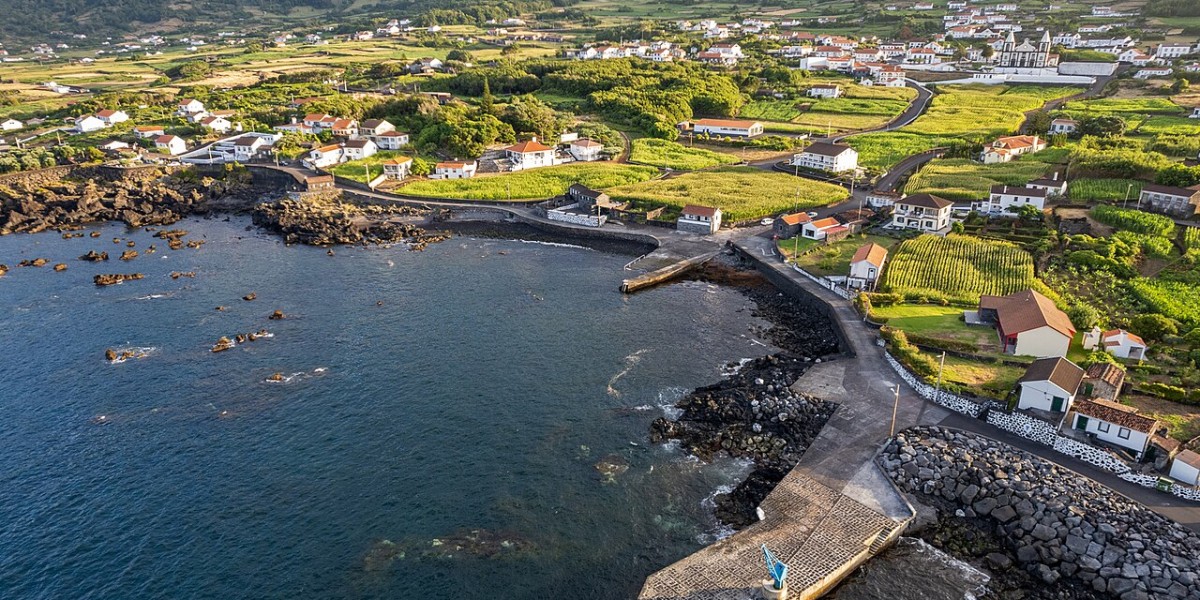
With a population of around 14,000 people, Pico feels intimate. Communities are tight-knit, and local festivals tied to parish churches and the summer season still shape the social calendar.
Services are concentrated in the main towns, and outside them you’ll find small grocery shops, cafés and a handful of restaurants rather than extensive nightlife. When living in the Azores, you notice the weather can change quickly, especially around the mountain, and winter brings heavier rain and rougher seas.
Access is straightforward but not constant: Pico Airport has connections to other Azorean islands and to mainland Portugal, and ferries link it with Faial and São Jorge.
Stay inspired for your travels in Portugal —get our weekly newsletter for the latest travel, legal, and lifestyle news.