When early summer settles in and the jacarandas start to bloom, Portugal marks one of its most symbolic dates. Portugal Day, officially called Dia de Portugal, de Camões e das Comunidades Portuguesas, takes place every year on 10 June and is a national public holiday across the country.
In 2026, the official state celebrations will be held on Terceira Island, a decision that carries particular weight as Portugal marks 50 years since the constitutional establishment of regional autonomy. Overseas commemorations will centre on Luxembourg, home to one of the most significant Portuguese communities abroad.
- Portugal Day 2026 in a nutshell
- What is Portugal Day?
- Why is Portugal Day celebrated on 10 June?
- Where are the official Portugal Day 2026 celebrations?
- How is Portugal Day celebrated?
- Is 10 June a public holiday in Portugal?
- Portugal Day traditions, music, food and culture
- Living in Portugal during Portugal Day
- Other important national holidays in Portugal
- FAQs about Portugal Day 2026
Portugal Day 2026 in a nutshell
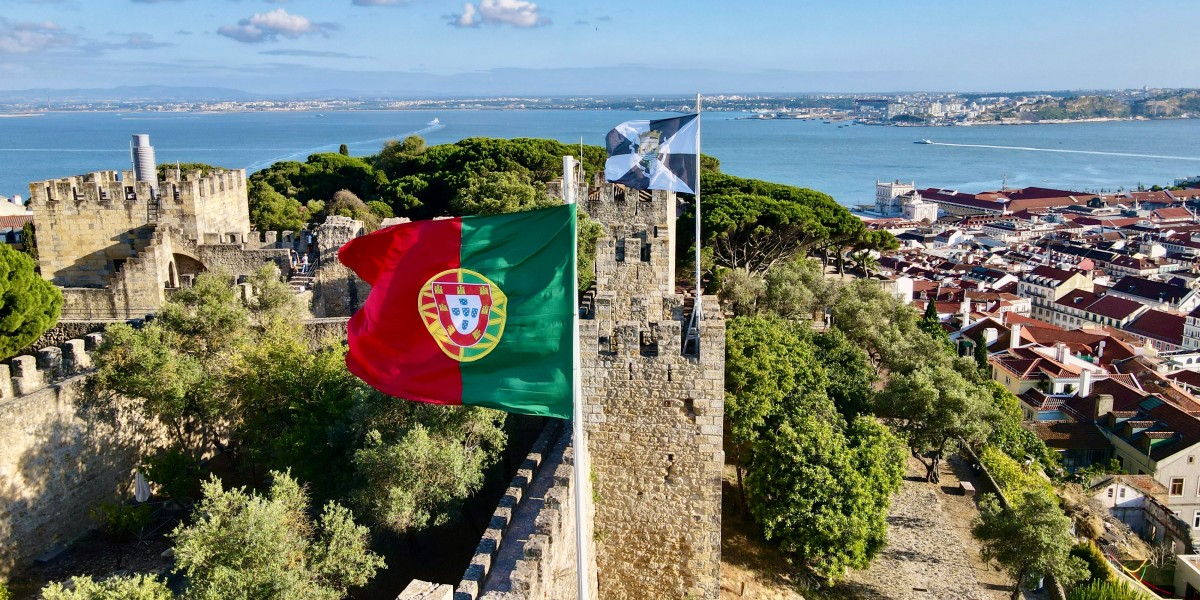
- Date: 10 June 2026
- Type: National public holiday
- Official name: Dia de Portugal, de Camões e das Comunidades Portuguesas
- 2026 host location: Terceira Island, Azores
- Overseas celebrations: Luxembourg
- Key milestone: 50 years of regional autonomy in the Azores and Madeira
What is Portugal Day?
Portugal Day is the country’s official national holiday. It celebrates Portuguese identity, culture and language, while also recognising the millions of Portuguese citizens and descendants living abroad.
The date honours the poet Luís de Camões. Camões is often compared to Shakespeare in terms of cultural influence. His epic poem, Os Lusíadas, recounts Vasco da Gama’s voyage to India and reflects the maritime expansion that shaped Portugal’s global history.
During the 20th century, the holiday evolved beyond literary remembrance. It became a broader celebration of the Portuguese nation and its communities worldwide, which is why the diaspora plays such a visible role each year.
Why is Portugal Day celebrated on 10 June?
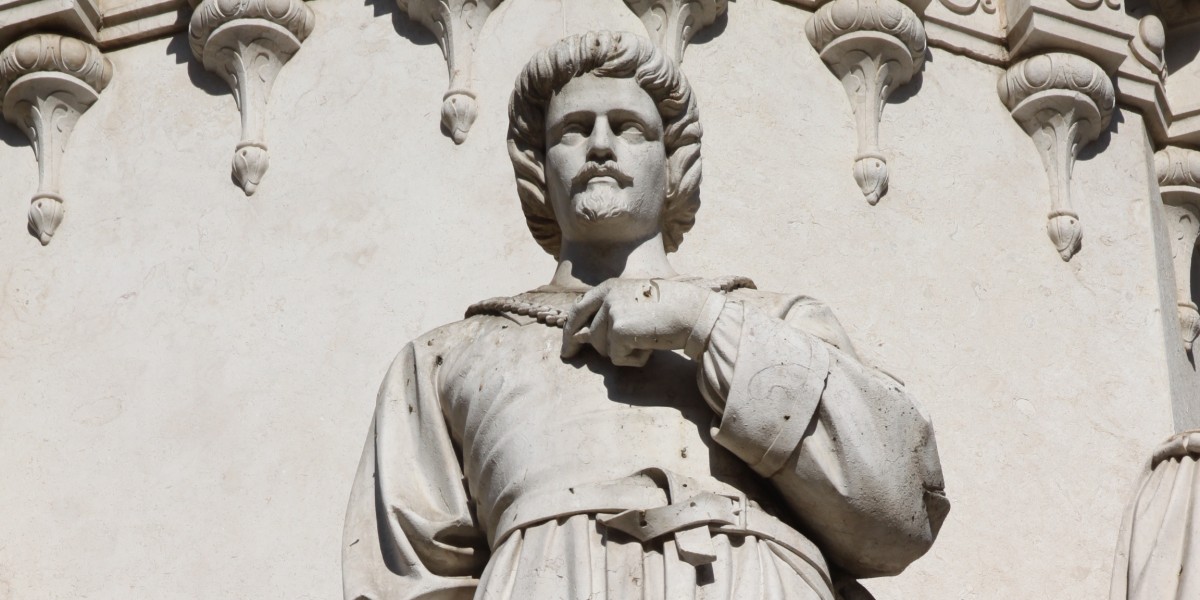
The choice of date is tied to Camões’ death in 1580. Over time, the day became associated with the Portuguese language itself and with national identity.
During the Estado Novo period, the holiday was reshaped and given stronger nationalist overtones. In modern Portugal, it has taken on a more plural meaning, focusing on democratic values, cultural heritage and the contribution of Portuguese communities abroad.
Where are the official Portugal Day 2026 celebrations?
Terceira Island, Azores
For 2026, President António José Seguro has chosen Terceira Island, in the Azores, as the main venue for Portugal Day ceremonies. This decision coincides with the 50th anniversary of the constitutional establishment of regional autonomy.
On Terceira, events are likely to centre around Angra do Heroísmo, the island’s historic capital and a UNESCO-listed city with deep Atlantic and maritime roots.
Luxembourg and the Portuguese diaspora
The overseas celebrations for 10 June 2026 will take place in Luxembourg, which hosts one of the most significant and dynamic Portuguese communities in the diaspora.
The President will meet with members of the Portuguese community there, recognising their longstanding role in strengthening economic, social and cultural ties between Portugal and Luxembourg.
Madeira commemorative session
On 12 June 2026, the President will participate in a commemorative session in Madeira, marking 50 years of regional autonomy and 40 years of European integration.
How is Portugal Day celebrated?
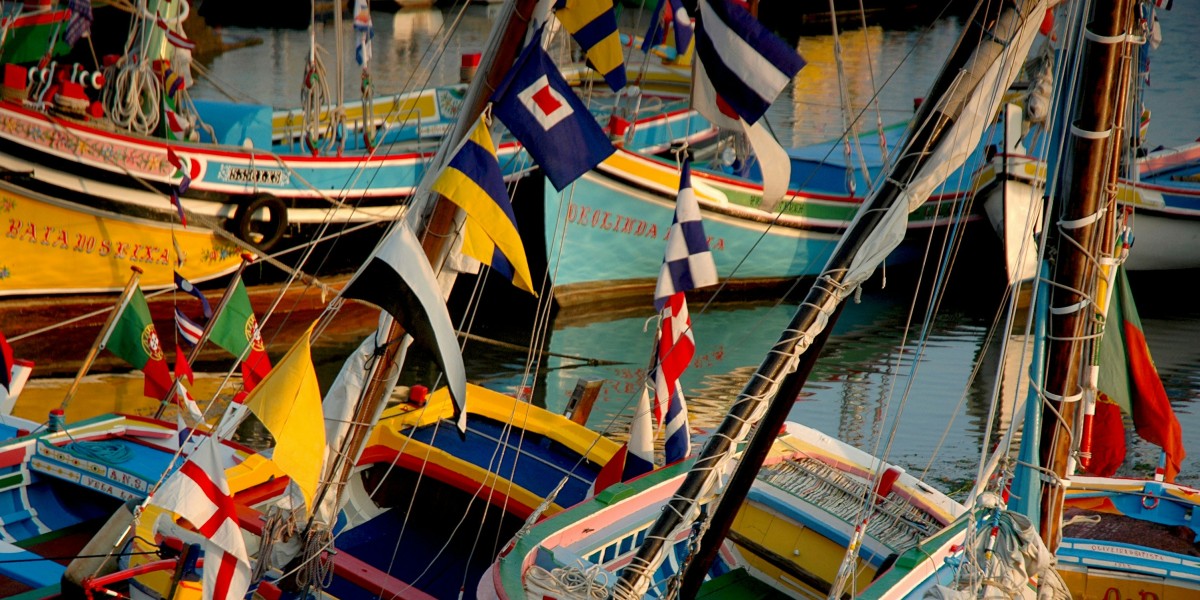
Beyond the official host city, 10 June is marked throughout the country. Public squares fill with flags, local councils organise concerts and exhibitions, and cultural institutions often programme special events.
In cities such as Lisboa and Porto, you may see military ceremonies, choir performances, poetry readings and live music in central areas. Schools frequently prepare activities in the days leading up to the holiday, with pupils reciting Camões or exploring Portuguese history.
As evening falls, some municipalities host outdoor concerts or fireworks.
Portugal Day in Lisboa, Porto and beyond
In Lisbon, official ceremonies often take place near the river, particularly around Belém, an area closely tied to Portugal’s Age of Discoveries.
In Porto, celebrations blend into the wider June atmosphere, as the city prepares for São João later in the month.
In the Algarve, the day is generally quieter and more local in tone, although coastal towns with large international communities often host their own cultural gatherings.
Is 10 June a public holiday in Portugal?
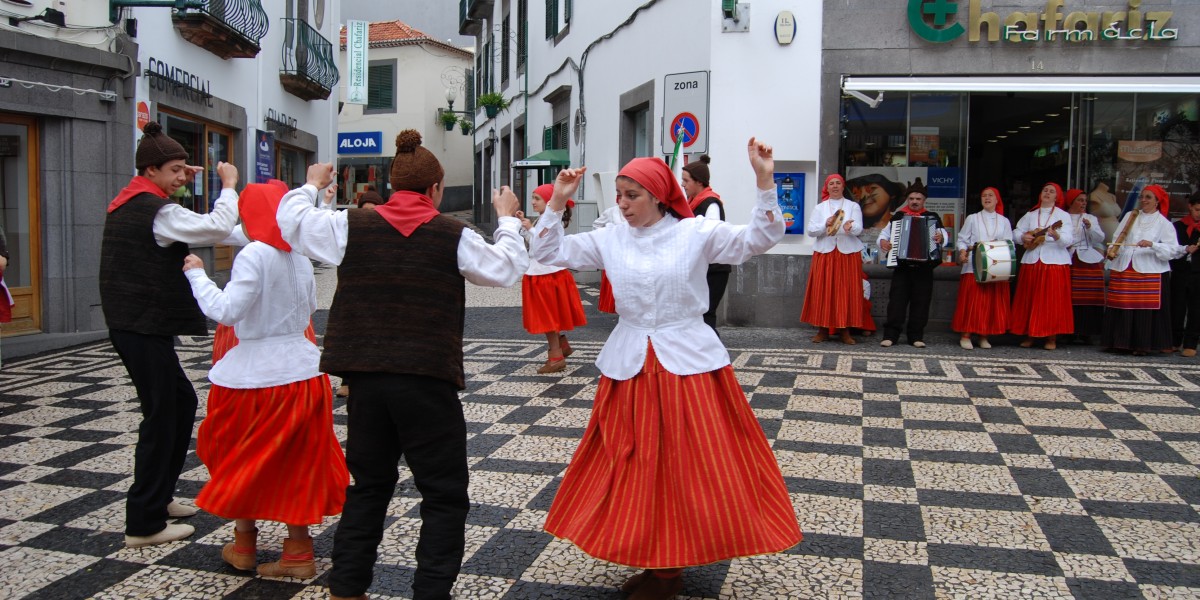
Yes, Portugal Day is a national public holiday.
- Government offices close.
- Banks are closed.
- Public schools are closed.
- Many local shops shut for the day.
Large shopping centres and supermarkets sometimes open with reduced hours, particularly in bigger cities and tourist areas. Restaurants, cafés and bars usually remain open. Public transport typically runs on a Sunday or holiday timetable, so services may be less frequent.
Portugal Day traditions, music, food and culture
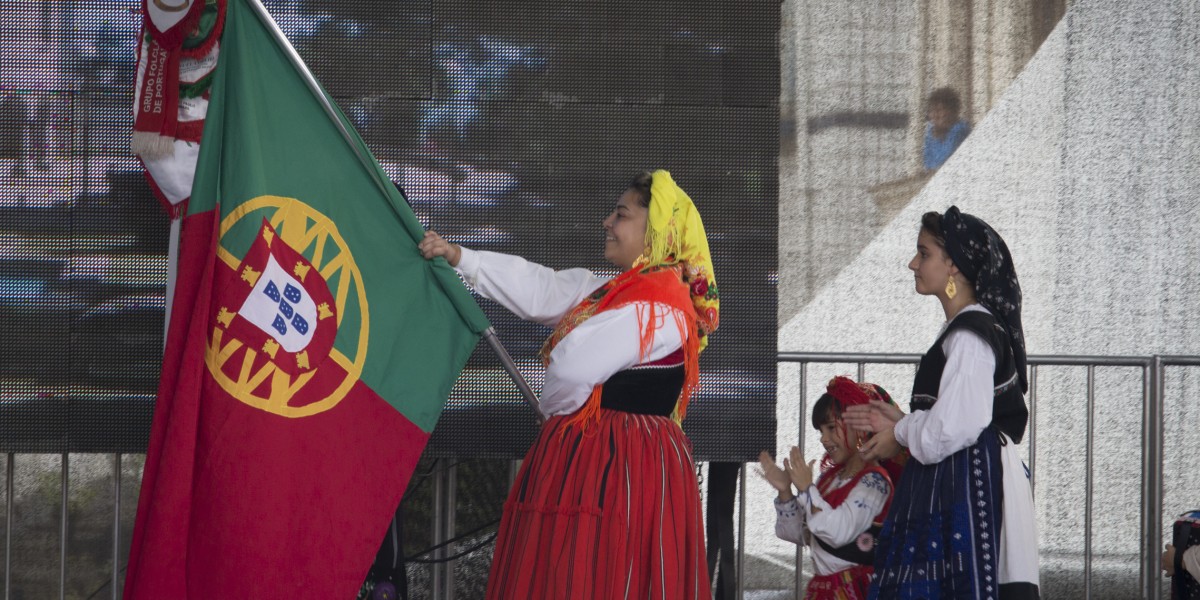
Food and music are never far away on 10 June. Grilled sardines, caldo verde and trays of pastéis de nata appear at family tables and community gatherings. In many areas, live Fado performances take place in cultural centres or open-air venues.
Regional traditions vary. In parts of the north, June celebrations overlap with the wider Santos Populares season. In the islands, including the Azores and Madeira, open-air gatherings and local folklore groups often feature prominently.
While the day itself is not a religious festival, it sits within a month that blends civic identity with longstanding cultural traditions.
Living in Portugal during Portugal Day
For someone living in Portugal, 10 June feels less like a street party and more like a reflective national pause. The tone depends heavily on location. In the official host city, security is tighter and the political dimension more visible. In smaller towns, it can simply feel like a welcome day off in early summer.
In 2026, residents of the Azores and Madeira are likely to feel the added symbolism of autonomy anniversaries. The choice of Terceira Island and the Madeira commemorative session sends a clear message about the constitutional role of the regions within the Portuguese state.
For members of the diaspora, particularly in Luxembourg this year, Portugal Day often carries a strong emotional pull. Community associations, cultural groups and Portuguese-language schools tend to play a central role in organising events abroad.
Other important national holidays in Portugal
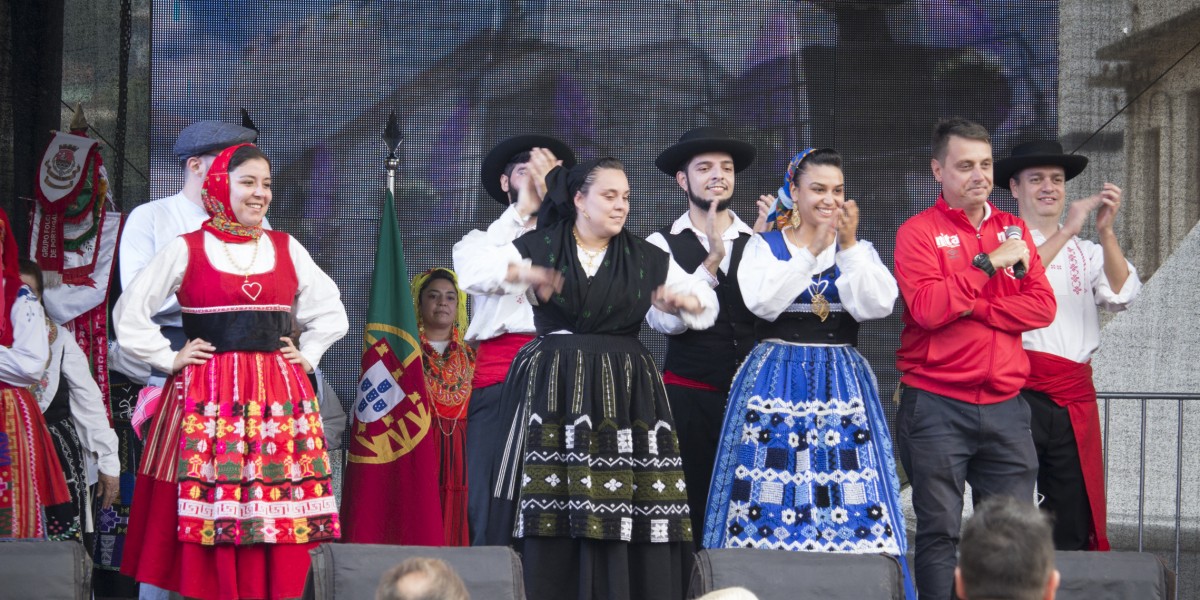
Portugal observes several key national holidays throughout the year.
- 25 April marks the Carnation Revolution of 1974.
- 5 October commemorates the establishment of the Republic.
- 1 December celebrates the restoration of independence in 1640.
June is also the month of the Santos Populares, including Santo António in Lisbon, São João in Porto, and São Pedro Festival in several coastal towns. The atmosphere throughout the month tends to be festive, especially in urban areas.
FAQs about Portugal Day 2026
Is Portugal Day a bank holiday?
Yes, it is a national public holiday across Portugal, and banks close for the day.
Why is Portugal Day on 10 June?
It marks the death of Luís de Camões in 1580 and has evolved into a broader celebration of Portuguese identity.
Where are the official celebrations in 2026?
The main state ceremonies will take place on Terceira Island in the Azores, with overseas commemorations centred on Luxembourg.
Is everything closed on Portugal Day?
Most government offices, banks and schools close. Many shops shut, though restaurants and some supermarkets remain open, particularly in larger cities.
Stay in the know about living in Portugal as a foreigner—get our weekly newsletter for the latest travel, legal, and lifestyle news.
For a taste of the high life, sign up for the monthly luxury market round-up.