The national animal of Portugal is not the rooster, as many believe, but a type of wolf that still roams parts of the country and carries real symbolic weight in rural Portugal.
What is the national animal of Portugal?
The national animal of Portugal is the Iberian wolf.

It’s widely recognised as the country’s animal symbol due to:
- Its long historical presence on the Iberian Peninsula
- Its cultural role in folklore and rural traditions
- Its status as a protected native species
Why is the Iberian wolf the national animal of Portugal?
The Iberian wolf has shaped life in northern Portugal for centuries. In isolated mountain communities, it was both feared and respected.
The wolf symbolises independence and resilience, with a strong link to Portugal’s rural interior. In traditional village storytelling, the wolf appears as a clever and watchful creature rather than a cartoon villain.
Today, its protected status also represents Portugal’s environmental commitments.
Where does the Iberian wolf live in Portugal today?
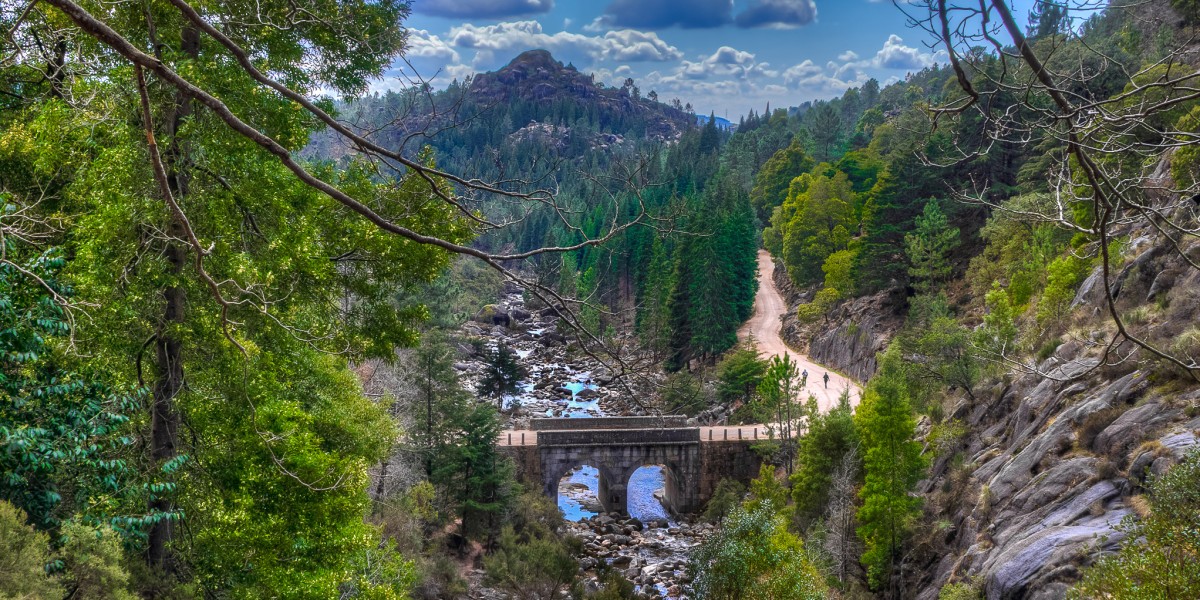
If you're picturing wolves roaming around the Algarve beaches, that’s not the case. The population is concentrated in inland northern and central Portugal.
These areas are mountainous, sparsely populated and largely rural. Much of the territory overlaps with protected areas and the Natura 2000 conservation zones.
Peneda-Gerês National Park
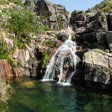
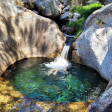
Portugal’s only national park, Parque Nacional da Peneda-Gerês, sits along the Spanish border in the far north. The park is a patchwork of granite peaks, deep valleys, Roman roads and tiny stone villages where cattle still wander through the lanes.
It draws hikers, wild swimmers and weekenders from Porto, but outside the summer months, it can feel properly remote. Infrastructure is modest, mobile signal can be patchy in places, and winters are cold and wet by Portuguese standards.
Trás-os-Montes
Trás-os-Montes — literally “behind the mountains” — feels like a different country compared to coastal Portugal. Located in northeast Portugal, expect remote villages, dramatic granite scenery and a population that skews older.
Life here revolves around olive groves, vineyards, sheep farming and strong local food traditions. The underrated Portuguese town of Bragança provides basic services, but beyond that, it’s rural in the truest sense.
Beira Interior and Central Portugal
Further south, smaller wolf populations inhabit mountainous stretches of Beira Interior and parts of central Portugal. This region includes the Serra da Estrela range, where winters bring actual snowfall, and summers are hot and dry.
The area is a mix of forest, river beaches known as praias fluviais, and agricultural land. Historic towns like Guarda and Covilhã add a bit more urban structure, with cafés, local markets and university life in some pockets.
Is the rooster the national animal of Portugal?

The confusion comes from the famous Galo de Barcelos. This colourful ceramic rooster appears everywhere, especially in tourist shops. It’s tied to a medieval legend about a pilgrim wrongly accused of theft.
The rooster is a cultural symbol, not a national fauna designation. It represents faith and justice in folklore.
Is the dragon the national animal of Portugal?
Dragons appear in medieval heraldry and in the coat of arms associated with Porto’s football club, but they are not an official or recognised national animal.
What the Iberian wolf says about Portugal
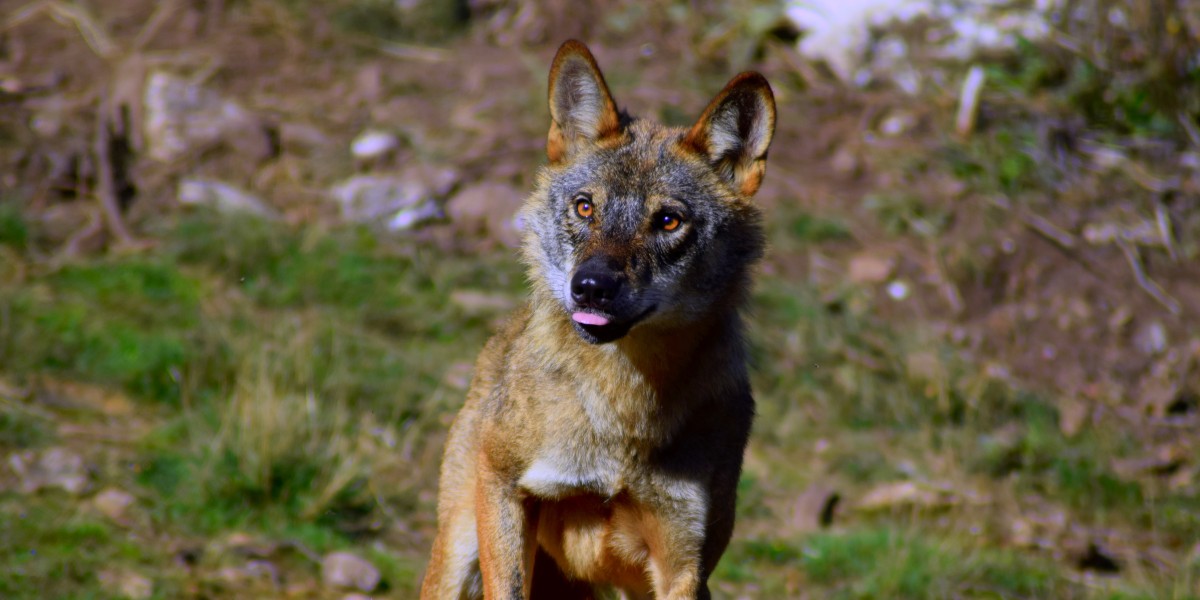
The wolf represents a side of Portugal many visitors miss: mountain villages, farming traditions and a long history of living alongside wildlife. Beyond the Atlantic coast and city breaks in Porto or Lisbon, there’s a tougher interior where identity is closely tied to land and survival.
Unlike countries such as Denmark, whose national animals are linked to monarchy or heraldry, Portugal’s connection to the wolf comes from landscape and lived experience.
Life in these regions is practical rather than romantic, with fewer services, close-knit communities and terrain that still feels genuinely wild.

Stay in the know about all things Portugal—get our weekly newsletter for the latest travel, legal, and lifestyle news.
For a taste of the high life, sign up for the monthly luxury market round-up.