Culture vulture from London with a passion for all things foodie. I’ve lived abroad for almost 10 years, floating from one magical place to another. I studied literature at university in the eclectic city of Brighton, and since then, I’ve been hooked on keeping up with what to do, see, and, of course, eat. I’m a firm believer in appreciating and learning from local cultures, travelling responsibly, and giving new things a go with an open mind and a healthy dose of curiosity. I try to share useful tips, local insights and a bit of honest know-how, so you can make the most of wherever you find yourself.
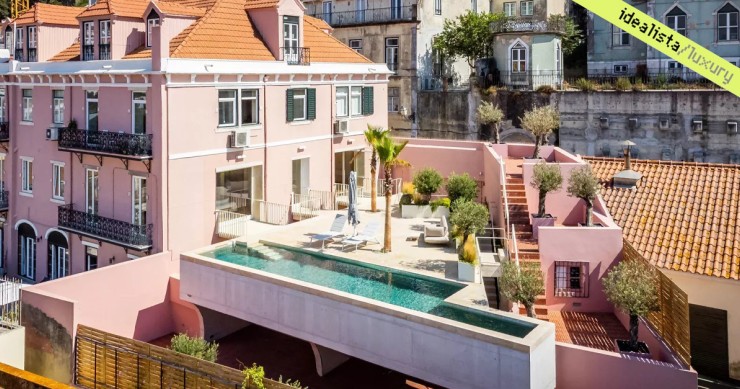
Lisbon's luxury property market continues its upward trajectory, becoming progressively more expensive as it solidifies its status as a key destination for international investors.
September in Portugal marks a gentle shift from the peak summer season, offering a more relaxed experience. As the holiday crowds thin out and the intense heat of August subsides, you'll find a more laid-back pace, especially in popular coastal areas.
The average gross monthly salary per employee in Portugal increased in the second quarter of 2025, according to the Instituto Nacional de Estatística (INE).
Portugal is grappling with a series of devastating wildfires that have swept across multiple regions. As emergency services contend with numerous active fronts, official figures show the blazes have already consumed over 140,000 hectares of land.
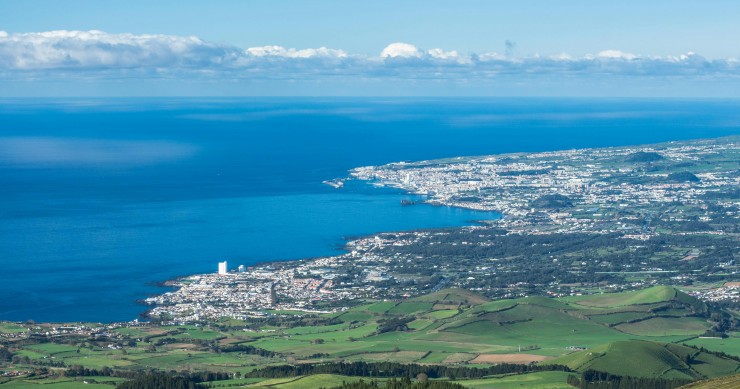
As the largest and most populated island in the Azores, this speck of Portugal in the middle of the Atlantic offers a life quite unlike any on the mainland. It’s not hard to see why it earned the nickname ‘Green Island’.
Just a short drive up the coast from Lisbon lies Ericeira, a traditional fishing town that has earned its place on the global map. As Europe’s only World Surfing Reserve, it's a spot where cobbled streets and blue-and-white houses meet a deeply ingrained, laid-back surf culture.
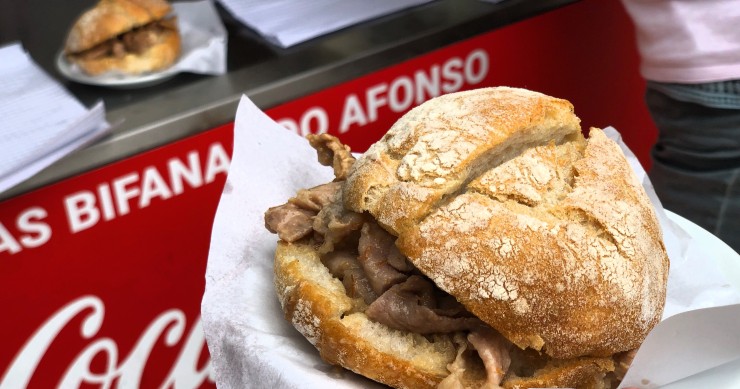
Lisbon’s food scene is a fantastic mix of the old and the new. You have tiny, traditional restaurants tucked down side streets, right alongside busy food markets where you can try a bit of everything.
To help manage the impact of high visitor numbers, many popular destinations levy a tourist tax. This supplementary fee is charged to visitors staying in a city or region, typically on a per-person, per-night basis, and is collected directly by accommodation providers.