Alentejo draws travellers in with its wide-open landscapes, whitewashed villages, respected wines and stretches of unspoilt coastline. In this guide, discover what to do in Alentejo, which places to visit, where to stay, how to organise your itinerary and the best nature, cultural and food experiences to include in your trip.
Where is the Alentejo?
Alentejo lies in central-southern Portugal, between the River Tagus and the Algarve, stretching west to the Atlantic coast. The region is easy to reach from Lisbon, around 1 hour 15 minutes to Évora.
To visit Alentejo, travelling by car remains the best option. The roads are scenic and make it straightforward to link villages, vineyards and beaches. Trains and buses serve the main towns, though having a vehicle makes exploring much simpler.
Top places to visit in Alentejo
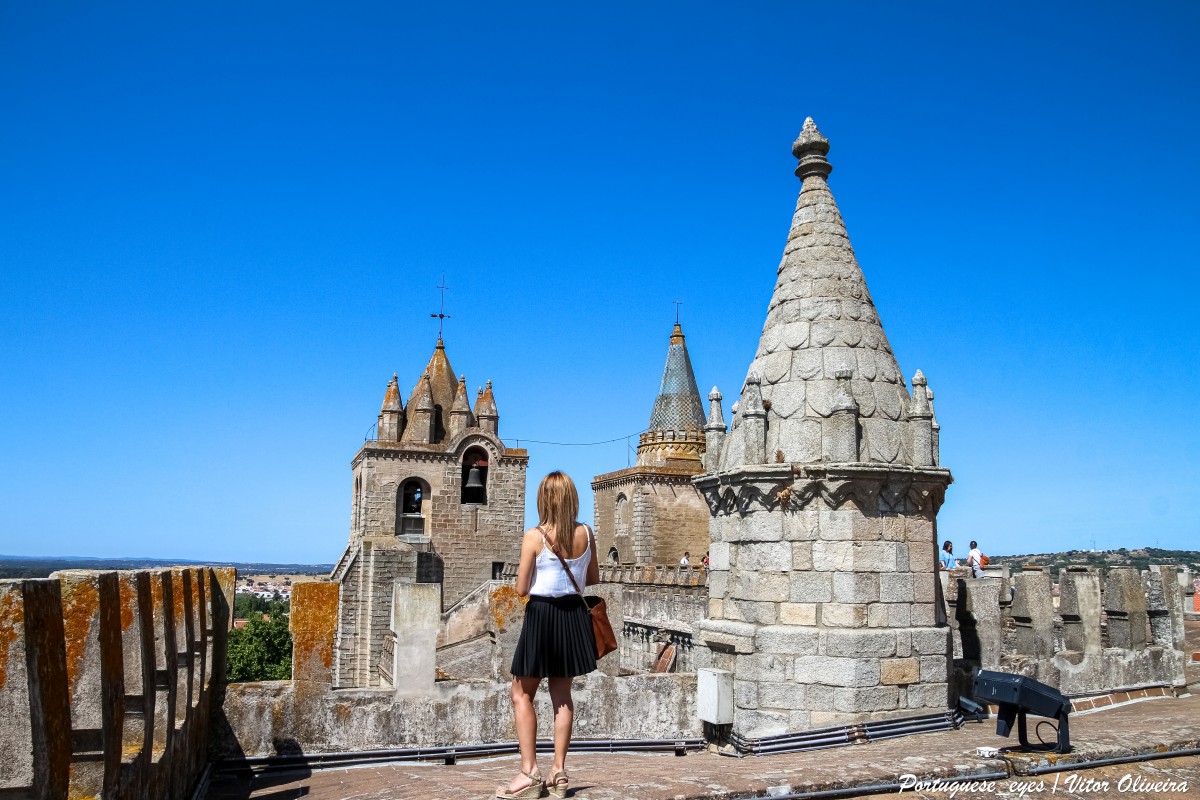
Évora
A UNESCO-listed city, Évora brings together Roman and medieval heritage, museums and restaurants. It makes an excellent base for exploring Alentejo.
Monsaraz
Perched above Lake Alqueva, Monsaraz has remarkable views and cobbled streets that feel suspended in time. A lovely spot for a peaceful, romantic stay.
Marvão
Clinging to a rocky outcrop, Marvão stands out for its fortress and sweeping mountain views. A good choice for anyone drawn to preserved villages and walking routes.
Comporta
Fine sandy beaches, a relaxed boho-chic feel, rice fields and dunes give Comporta its character. It is considered one of the most elegant destinations on the Portuguese coast.
Costa Vicentina
The coastline of the Southwest Alentejo and Vicentine Coast Natural Park shelters cliffs, hidden coves and coastal trails. A great area for surfing, kayaking and road trips along the Atlantic.
Alqueva: lagoon and starry skies
Lake Alqueva is a recognised Dark Sky Reserve. Activities here include kayaking, boat trips, stargazing and nature excursions.
Vila Nova de Milfontes
A relaxed seaside town, well suited to families, with a mix of beaches, estuaries and coastal paths.
Estremoz
An elegant town associated with its marble, castle and proximity to wine estates. A worthwhile stop to explore Alentejo wine.
Nature, beaches and activities: what to do in Alentejo?
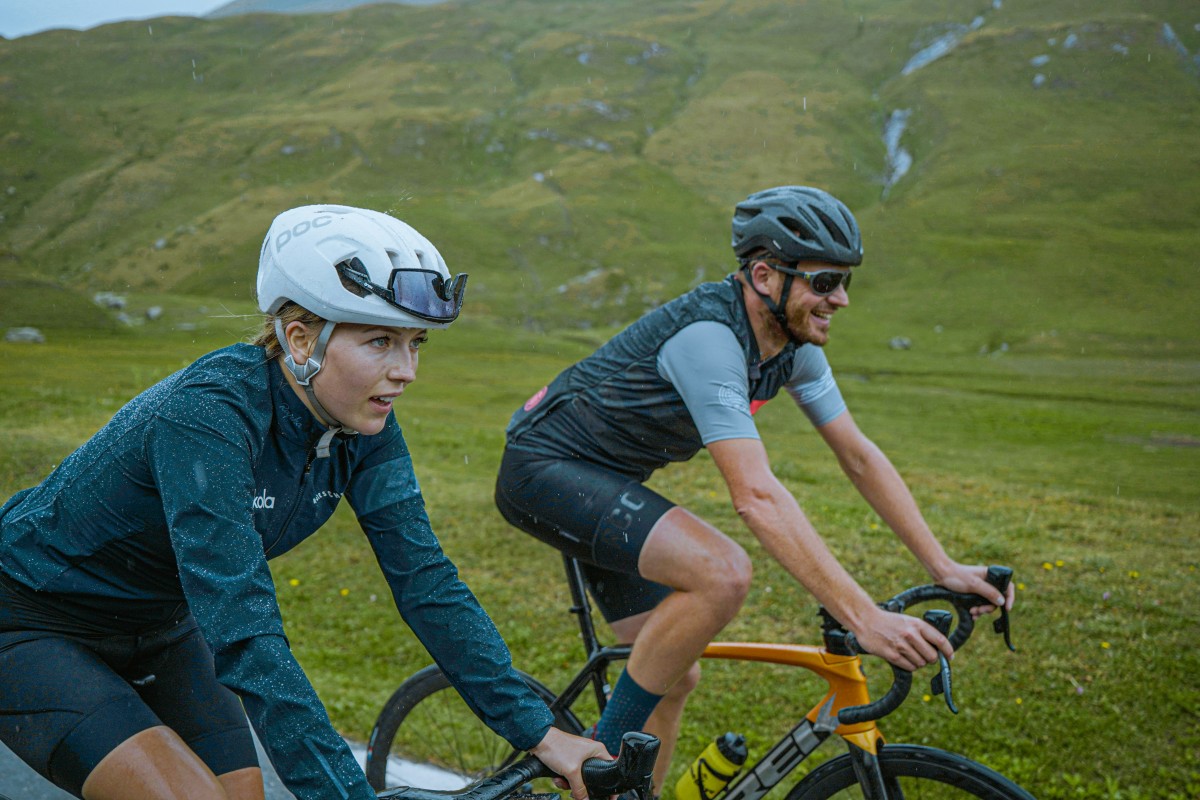
The region is a haven for outdoor enthusiasts. Among the best activities in Alentejo:
- Hiking along the Rota Vicentina and coastal trails
- Birdwatching (flamingos, storks, birds of prey) in wetland areas
- Kayaking and paddleboarding on Lake Alqueva
- Surfing and bodyboarding along the Costa Vicentina
- Horse riding across the golden plains
- Mountain biking in natural parks and around Évora
The Southwest Alentejo and Vicentine Coast Natural Park protects one of Europe’s most striking stretches of coastline: dune scenery, sculpted cliffs, wild beaches and sweeping viewpoints.
The wine route: discovering Alentejo wine
Today, the region is considered one of Portugal’s largest wine-producing areas. Estates such as Herdade do Esporão, Cartuxa, Herdade do Rocim and Monte da Ravasqueira provide:
- Cellar tours
- Tastings
- Food and wine pairings
- Walks through the vineyards
- Characterful on-site accommodation
Exploring the Alentejo wine route brings together gastronomy, scenery and cultural discovery in an easy, enjoyable way.
Which is the most beautiful village in the Alentejo?
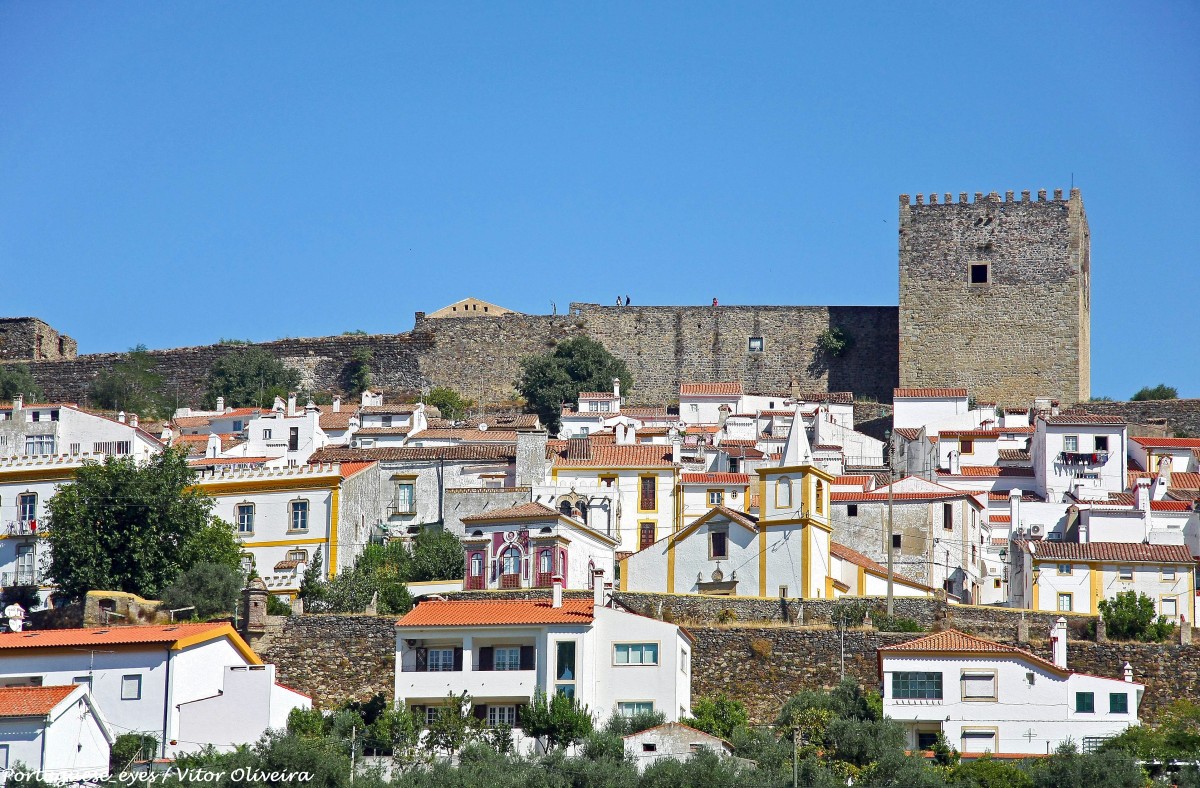
Travellers often mention:
- Monsaraz: views over Lake Alqueva and a timeless atmosphere
- Marvão: a stone village overlooking the mountains
- Castelo de Vide: white lanes, medieval heritage and an authentic feel
The most beautiful village depends on what you’re looking for: lakeside scenery, mountain backdrops, heritage or quiet surroundings. Alentejo has no shortage of stand-out spots.
Alentejo or Algarve: which to choose?
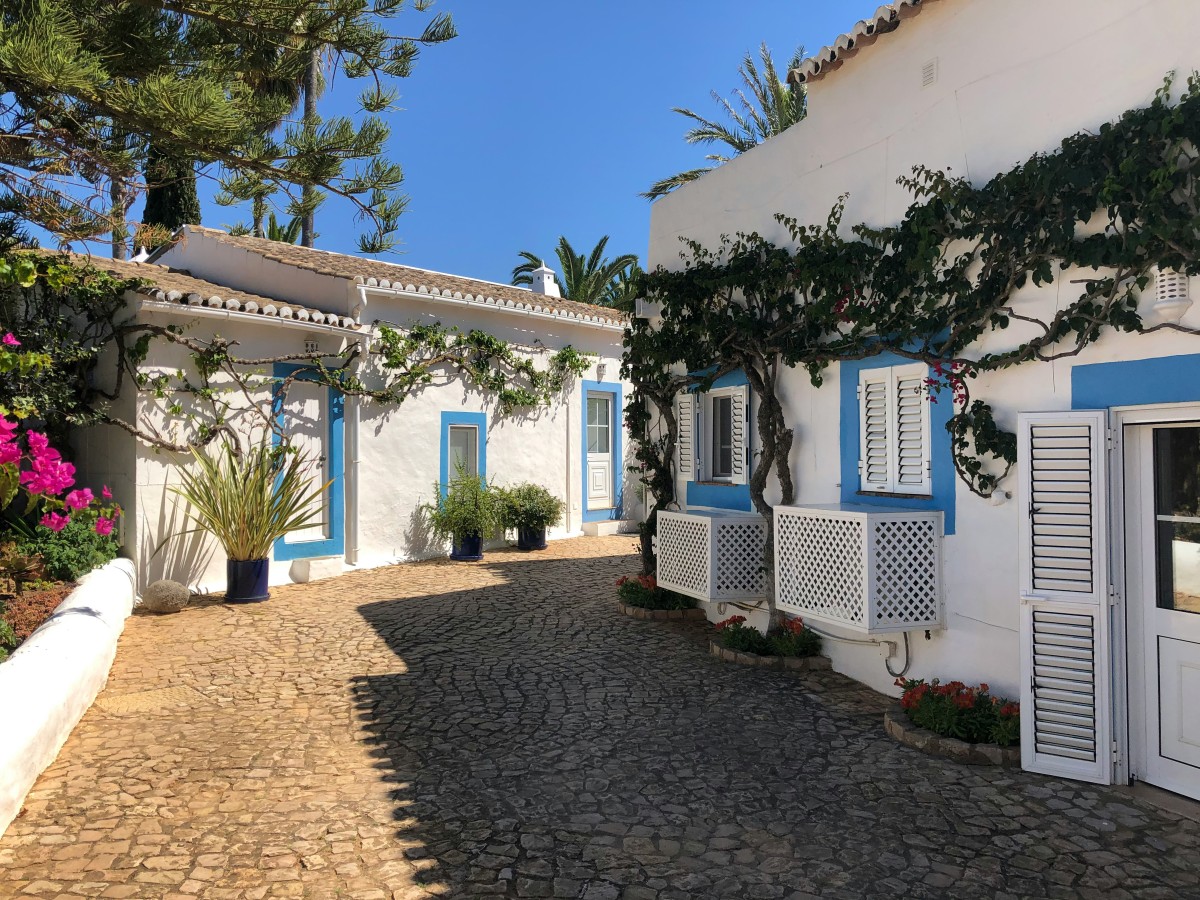
The Algarve stands out for its lively seaside resorts, well-equipped beaches and a well-structured tourist infrastructure. In contrast, Alentejo focuses on open spaces, authentic villages and a quieter style of tourism centred on nature, heritage and food.
In terms of budget, Alentejo is generally more affordable, except in a few sought-after areas such as Comporta and certain coastal stretches. In short, the Algarve suits holidays built around beaches and entertainment, while Alentejo appeals for tranquillity, wine and preserved scenery.
What can you visit in Alentejo?
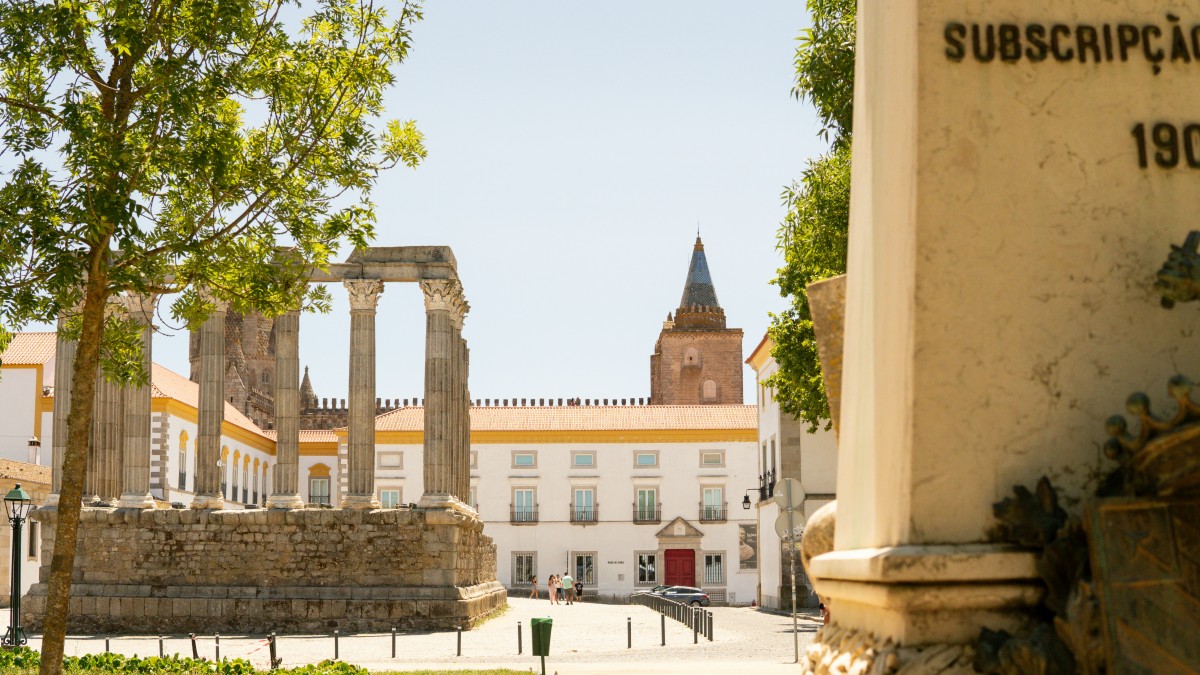
Between Évora’s heritage, the hilltop villages, the vineyards, the beaches of the Costa Vicentina and stargazing at Alqueva, Alentejo brings together nature, culture and gastronomy in a balanced way.
To make the most of your trip, keep your itinerary flexible, hire a car and ease into the local rhythm of life.
Stay inspired for your travels in Portugal —get our weekly newsletter for the latest travel, legal, and lifestyle news.