Living here isn’t one single experience, which is why pinning down the best places to live in the Azores often trips people up. Each island runs at its own pace, with different levels of infrastructure, housing pressure and social life. What works beautifully for a short stay doesn’t always hold up year‑round, especially once the novelty wears off.
Is living in the Azores a good idea for expats
Life in the Azores feels slower and more insular than mainland Portugal, and that’s both the appeal and the challenge. You get clean air, low crime, and a strong sense of community, but you also give up choice, convenience and easy escapes.
Healthcare is publicly available and decent, though specialist appointments can involve waiting or travelling. Internet is generally reliable on the larger islands, but weather and isolation are part of the deal, whether you like it or not.
What is the best island to live on in the Azores
The “best” island really depends on how much support and stimulation you need day to day. Some islands work brilliantly if you’re settled, flexible and comfortable with repetition, while others are easier if you’re new to island life.
São Miguel Island for long‑term living
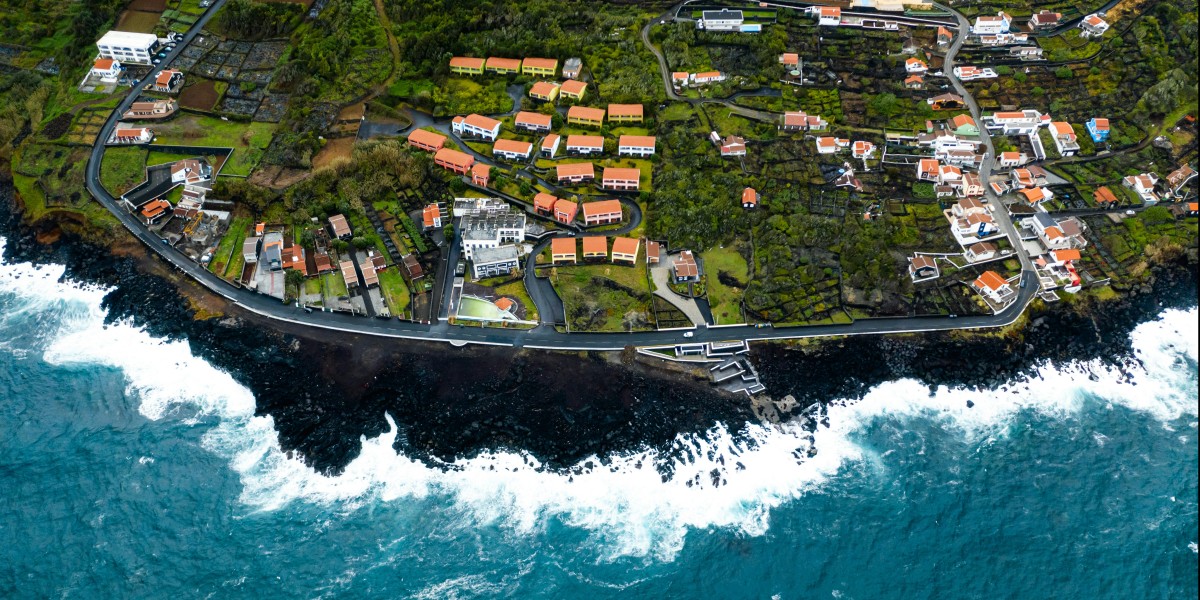
São Miguel is where most people start and often stay. It has the best flight connections, the main hospital, more jobs, and the widest rental market, though that market is tight. Daily life is easier here, especially if your Portuguese isn’t strong yet. The downside is higher rents and more competition for long‑term housing.
Terceira Island as an alternative to São Miguel
The Portuguese island of Terceira feels more balanced and less stretched, with solid services but fewer people passing through. Housing is usually easier to find than on São Miguel, and prices are a touch lower. Social life is quieter but more consistent year‑round. Angra do Heroísmo gives you a proper town centre, and Praia da Vitória is more spread out and residential.
Faial and Pico for slower, community‑led living
A couple of the lesser-known Portuguese islands, these suit people who already know what they’re getting into. Life revolves around seasons, weather and who’s on the island at the time. Services are limited, and winter can feel long if you rely on outside stimulation. The trade‑off is strong community ties and a sense of space that’s hard to find elsewhere.
Best towns and areas to live in the Azores
Towns matter more than neighbourhoods here, as most places are compact and car‑dependent. What changes is access to services, rental supply and how exposed you are to tourism.

Where do most expats live in the Azores
With increasing international interest for purchasing property on the Azorean archipelago, most foreign residents cluster on São Miguel, followed by Terceira. That’s where you’ll find informal support networks, English‑speaking services and a bit more tolerance for newcomers. On smaller islands, foreigners stand out more, which can be lovely or tiring depending on your temperament.
Ponta Delgada
This is the administrative heart of the Azores and the easiest place to settle. You’ll find supermarkets, schools, healthcare and a visible expat community. Rent is higher and listings move fast, especially for year‑round lets.
Who it suits: first‑time movers, remote workers, families needing services.
Ribeira Grande, Lagoa and Vila Franca do Campo
These towns sit close to Ponta Delgada but feel more residential. Ribeira Grande has a younger crowd thanks to surfing, while Lagoa and Vila Franca are quieter and more traditional. You’ll need a car, but rents can be slightly lower.
Who it suits: people working remotely who want space without total isolation.
Angra do Heroísmo and Praia da Vitória
The UNESCO-protected city of Angra offers walkability and history, while Praia feels more suburban and practical. Both have stable year‑round populations and less housing pressure than São Miguel. English is less widely spoken, but integration feels more natural.
Who it suits: couples and families planning to stay long‑term.
Horta
Horta is small but international, thanks to sailing traffic and seasonal workers. Social life ebbs and flows, and long‑term rentals can be hard to pin down. It’s friendly, but you’ll notice the limits quickly.
Who it suits: flexible workers, sailors, people comfortable with quiet winters.
Cost of living in the Azores
Day‑to‑day costs here are lower than in Lisbon or Porto, but not dramatically so. Food is affordable if you cook locally, while imported goods and fuel cost more.
Housing and rental prices in the Azores
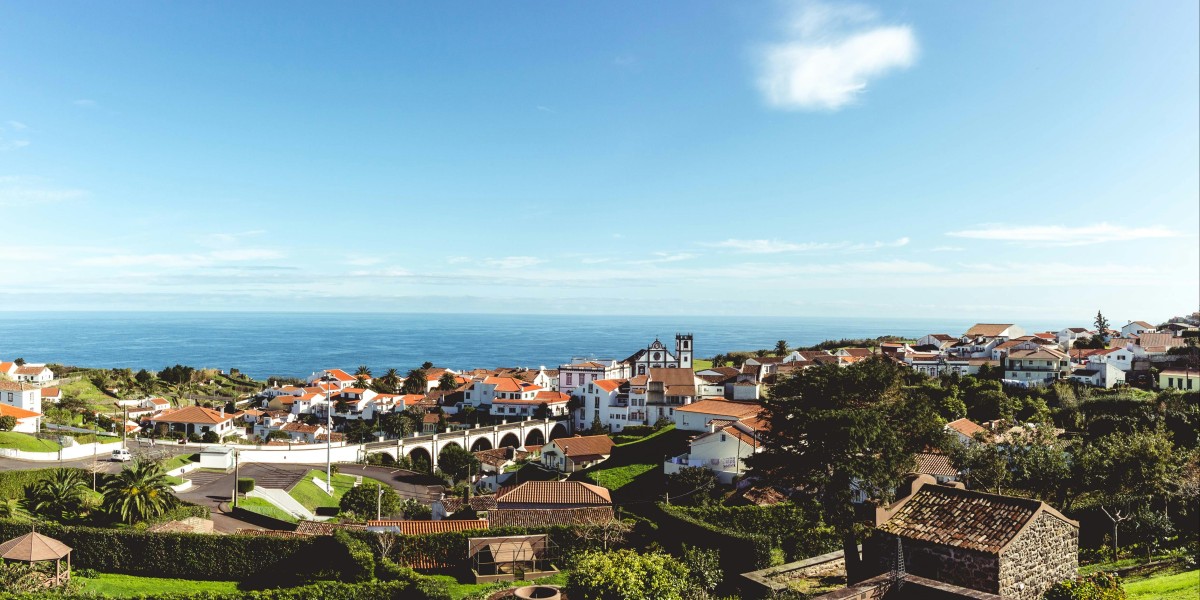
Long‑term rentals are the biggest headache, especially on São Miguel. Short‑term lets distort availability, and many landlords prefer seasonal income. Buying is often easier than renting, but choice varies wildly by island.
Cost of living differences by island
São Miguel is the most expensive overall, mainly due to housing. Terceira sits slightly lower, with steadier prices. Smaller islands can be cheaper month to month, but cost more when you factor in travel and limited services.
Disadvantages of living in the Azores
- Isolation is the big one, especially in winter when flights cancel and ferries stop. Career options are limited unless you work remotely.
- Weather can drag, with long damp spells rather than dramatic storms.
- If you need variety, the islands can feel small very quickly.
Living in the Azores as a foreigner
Being foreign here is noticeable but generally accepted. Portuguese makes daily life easier, especially outside São Miguel. Bureaucracy moves slowly, and things work through relationships rather than systems. People who thrive tend to be patient and socially curious.

Stay in the know about living in Portugal as a foreigner—get our weekly newsletter for the latest travel, legal, and lifestyle news.
For a taste of the high life, sign up for the monthly luxury market round-up.