If you're asked how Easter is celebrated in Portugal, you'll probably mention Easter cakes, chocolate eggs, and family lunches. But the truth is that, in recent decades, many Easter traditions in Portugal have changed, been simplified, or even almost erased by modern life, emigration, and the abandonment of villages.
In many places, what was once experienced by the entire community has been reduced to a handful of people or has passed into the memories of the elders. At the same time, tourism and social media are reviving some practices, but almost always in an "event" format and not as a natural habit.
The Easter traditions in Portugal that are disappearing are a glimpse into the country's more religious, united and humble past.
Door-to-door processions
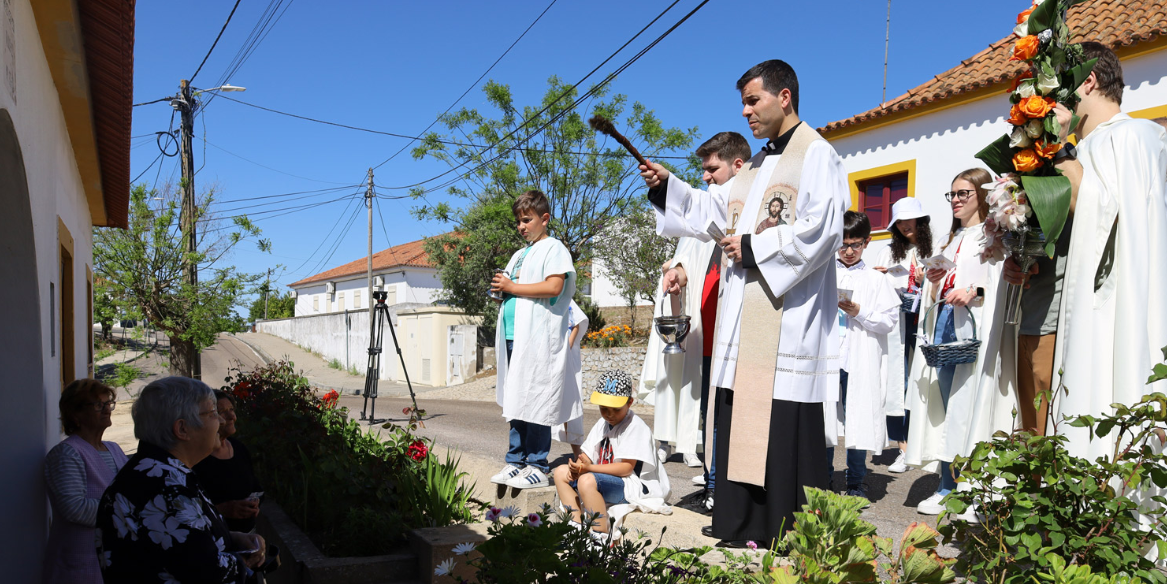
The Easter procession is one of the classic images of Easter in Portugal, especially in the North and Centre. The cross and the parish group enter everyone's house to "give the cross" and announce the Resurrection.
In many villages, this literally meant knocking on every door, without exception, with families waiting for the visit with the table set and the Easter bread ready. Today, in several parishes, the procession has shortened: it no longer passes by every house, skips entire buildings, or is limited to those who register in advance. There are also places where the visit has been cancelled due to a lack of volunteers or logistical issues (ageing population, empty houses, fewer priests).
Nevertheless, in municipalities in the Minho and Trás-os-Montes regions, it remains a striking sight during Easter, with lines of cars following the procession from village to village.
Gifts between godparents and godchildren

Another great Easter tradition in Portugal is the relationship between godparents and godchildren. In the past, it was almost "law" that the godfather would give an Easter cake to the godchild, and the godchild would reciprocate with flowers or another gesture on Palm Sunday.
In many rural contexts, this typical Easter treat in Portugal was not just a simple cake: it was a sign of commitment, of lifelong support, and even of security in case of need. Over time, the Easter bread was replaced by envelopes containing money, chocolates, or more modern gifts, and in many families, the practice disappeared completely.
In urban areas, there is a growing number of people who have godparents "only on paper," without this annual ritual. Even so, in many municipalities in the Beira, Trás-os-Montes, and Algarve regions, the artisanal Easter cakes continue to keep this tradition alive – albeit with less intensity than in the past.
Fasting and abstinence from meat
For a long time, a central part of how Easter is celebrated in Portugal revolved around the 40 days of Lent and, in particular, Good Friday: no meat on the table.
In many homes, the rule was followed literally, with simple meals of cod, chickpeas, beans, or vegetable soups, and a general attitude of restraint. Today, although the Church continues to propose fasting and abstinence, in practice, most people relativise or ignore these norms, especially in large cities.
Many Portuguese people maintain the custom of eating fish on Good Friday, but without the same sense of "sacrifice". In many cases, it's more out of cultural habit than religious conviction. In older villages, you can still find families who observe a strict Lent, with less sugar, fewer festivities, and more reflection – a reality that is becoming increasingly rare.
Community processions and Stations of the Cross
The Holy Week processions were (and still are) part of the Easter celebrations in several regions, especially in the North and the Centre of the country. In some cities, Holy Week is now a major tourist and religious event, with an extensive program and thousands of visitors. But in many towns and villages, the small nighttime processions and Stations of the Cross through the streets have been losing popularity.
In the past, almost the entire population would take to the streets, many barefoot or carrying candles, accompanying crosses, floats, and chants. Today, in many places, participation is limited to a group of older faithful, while the rest of the population watches from afar or doesn't even appear.
Tourism has helped preserve some of the larger celebrations, but the small local manifestations, lacking media visibility, are clearly at risk of disappearing.
Easter cakes and sharing among neighbours
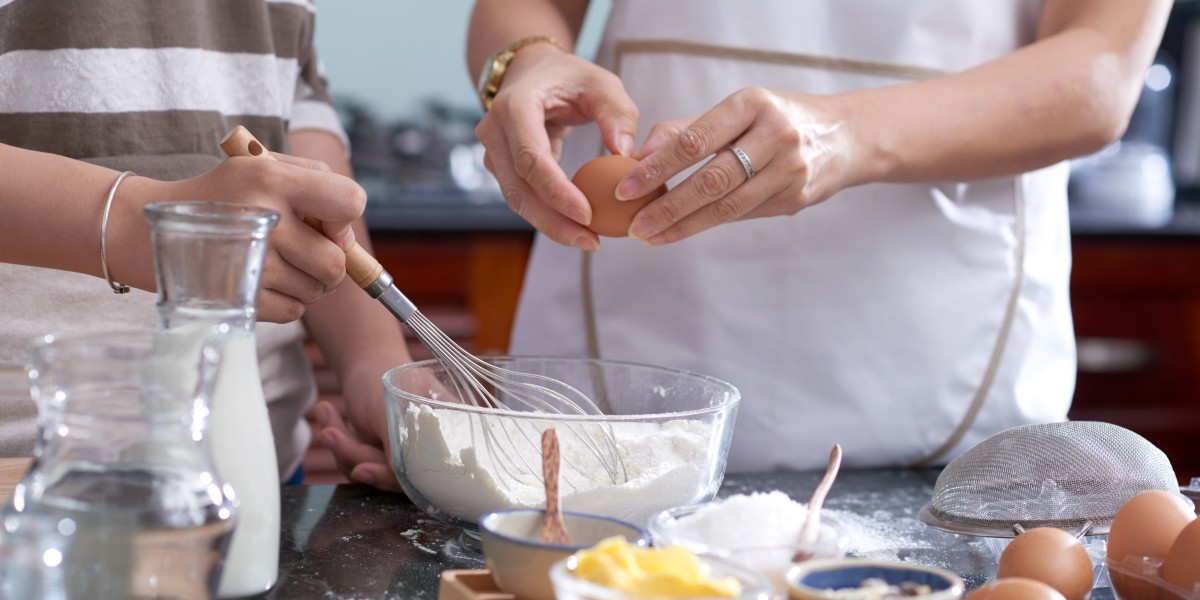
In many rural areas, the Easter cake was not just a family recipe: it was a true community event. Some people made the cake in ovens shared throughout the villages, with several families cooking at the same time, and others exchanged cakes among neighbours, godparents, and friends.
What is disappearing is not the folar itself, which has even gained commercial visibility in bakeries and supermarkets. Rather, the community dimension, the use of the communal oven, the mutual help with the dough, and the spontaneous door-to-door sharing.
Today, many people buy ready-made folar, and the sharing often shrinks to the closest circle or disappears completely.
Traditional games and egg-related activities

Another very common Easter tradition, especially among children, was playing with eggs on Easter Sunday or the following Monday. In several regions, people played "tapping" boiled eggs (the winner was the one whose egg remained intact), held egg races with spoons, or organised small egg hunts.
These simple activities help to understand how Easter is celebrated in Portugal beyond the religious aspect. They bring together family, neighbours, and friends around an easy and almost cost-free game.
Today, this recreational activity has been largely replaced by industrially produced chocolate eggs and organised activities in shopping malls or theme parks. The essence of the game remains, but the spontaneous version, with homemade painted hard-boiled eggs, is becoming rarer.
Easter Monday as a day for pilgrimage or outing
In several regions, Easter Monday was seen as a continuation of the festivities, with pilgrimages, picnics, and family outings. In some places, there was even a municipal holiday on that day, to allow people to participate in local celebrations or simply rest after the busy weekend.
Over the years, this Monday has lost its importance. In many places, it is no longer a public holiday, businesses operate normally, and school starts again, which empties the day of any special significance. You can still find pilgrimages and festivals on this day in some municipalities, but the general perception is that Easter "ends" on Sunday.
For those seeking older Easter traditions in Portugal, it's worth paying attention to municipal cultural programs, top destinations for Easter breaks, and local festivals that persist.
Stay in the know about living in Portugal as a foreigner—get our weekly newsletter for the latest travel, legal, and lifestyle news.