The country is full of empty homes, while at the same time facing a housing problem that’s hard to ignore. According to the INE (National Statistics Institute), house prices rose by 17.6% in 2025, the biggest increase since records began. The Bank of Portugal estimates that between 2021 and 2024, there was an average shortfall of around 14,000 homes per year for newly formed households.
In this context, Decree-Law no. 108/2026 was published on 29 May 2026, revising the urban planning licensing regime, with most of the changes coming into force on 3 August.
One of the amendments directly affects these unused properties: rebuilding an old property will, in many cases, be exempt from licensing and prior notification, including in monument protection zones.
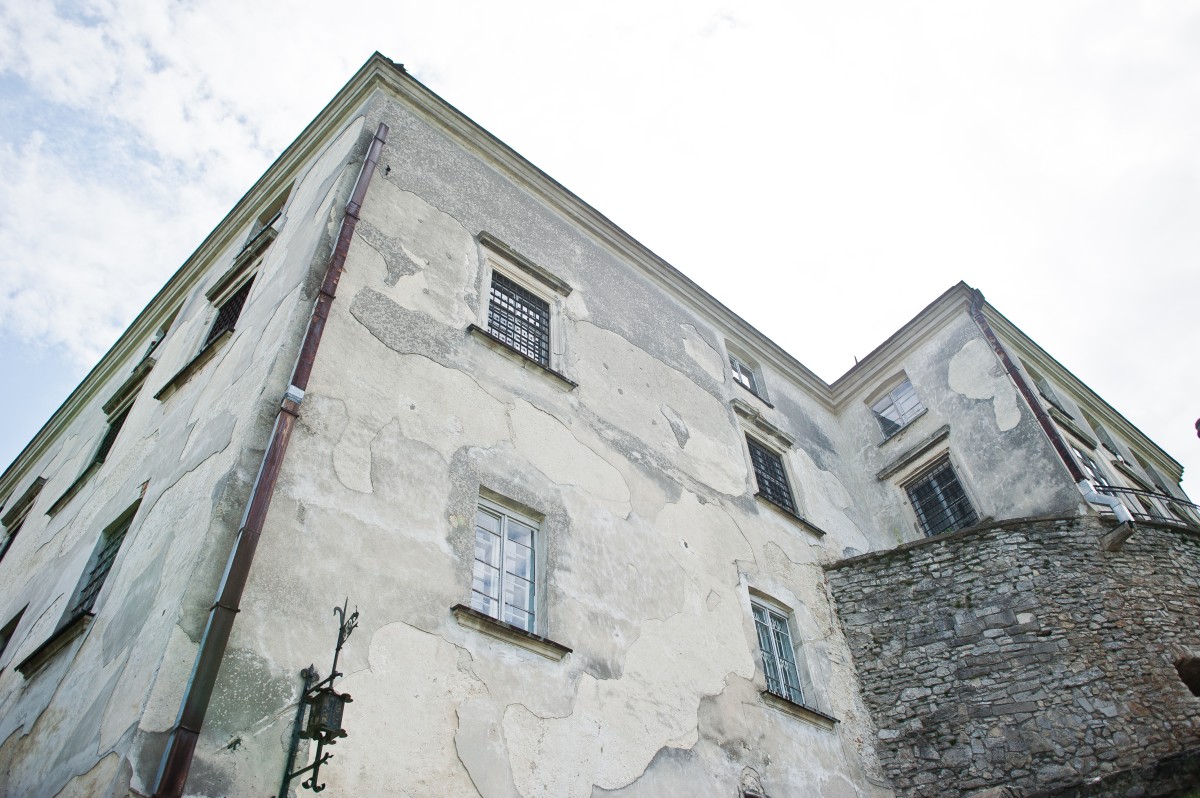
If you have an old house to restore, what has changed in your favour, and where do the pitfalls remain? The answer is straightforward: the work may be exempt from a licence, but it is not exempt from obligations or liability. Confusing the two can be costly.
The concept that decides everything
You will hear one expression repeatedly: “último antecedente válido” (last valid precedent).
- It is the legal reference status of the house.
- In other words, the last version that was licensed or, at the time, did not require a licence.
- An exempt reconstruction means returning to that version, not inventing a new house.
What is now exempt?
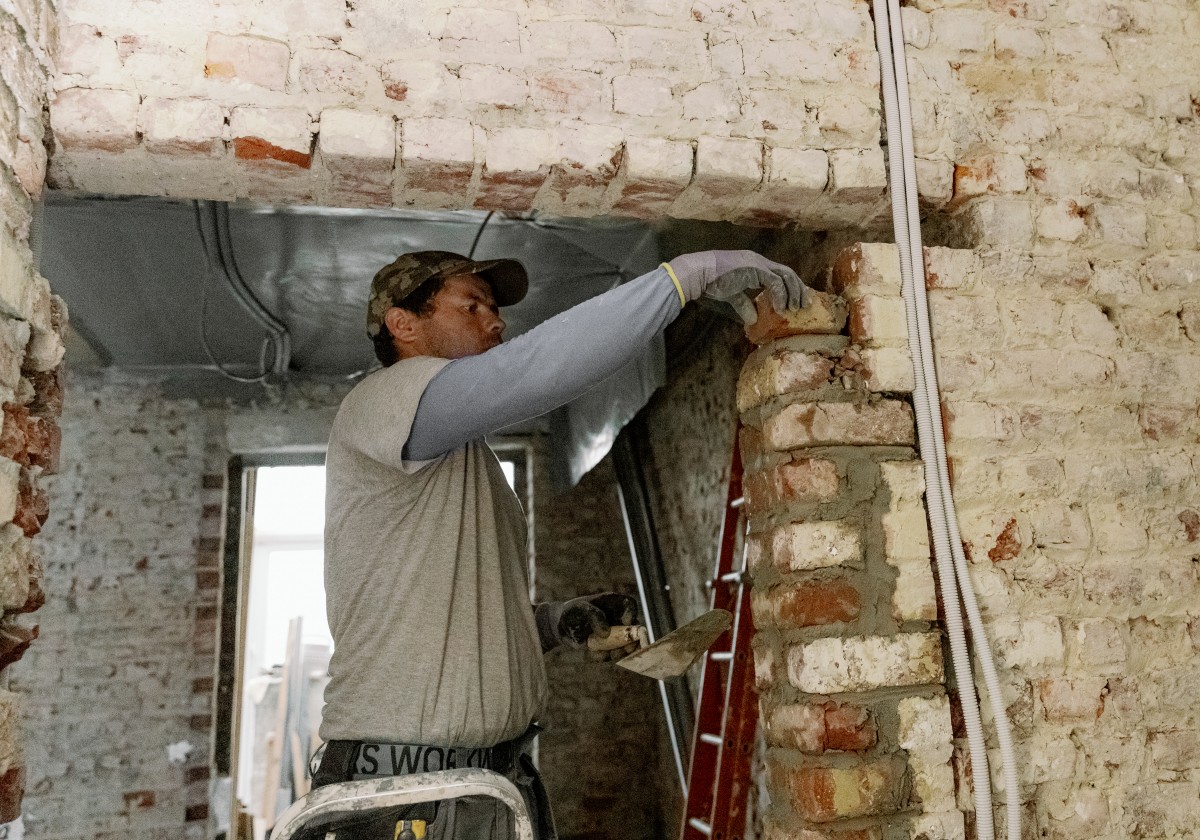
According to an analysis of the new law by the law firm Cuatrecasas, reconstruction works on buildings or individual units are, as a rule, exempt from licensing and prior notification, provided they restore the last valid precedent.
What qualifies as reconstruction:
- Construction following total or partial demolition.
- Reinstating the composition of façades, dimensions and the relationship between openings.
- Maintaining projecting and recessed elements, as well as the roof.
- The possibility of changing structural materials and improving safety and health conditions.
The change compared to 2024 is that the condition preventing an increase in façade height has been removed; restoring the valid precedent is now sufficient.
The new rules in protected areas
- The exemption now also applies to properties located in protection zones of listed buildings or those in the process of being listed. Previously, this was not the case.
- Conservation works on such properties are also exempt, but with one condition: prior favourable opinion from the competent authority responsible for cultural heritage.
New windows without bureaucracy
- Replacing window frames with others of identical design and finish, in order to improve energy performance, is now considered work of minor urban planning relevance.
- This rule applies even in the protection zones of listed buildings.
- Less red tape for more efficient windows, provided the façade is not altered in appearance.
The limits you cannot cross
The moment the work increases any of the following, it ceases to be reconstruction and becomes an extension, losing the exemption:
- Building footprint area
- Total construction area
- Façade height
- Building height or volume
The temptation may be to add another floor or extend a few metres, but each of these changes can bring back the entire procedure you thought you had avoided.
Exempt does not mean unregulated

You must notify the local council at least five days in advance of starting the works.
Failure to do so constitutes an administrative offence.
- Exception: conservation works carried out solely inside non-listed buildings.
- Fees may still be payable.
- Responsibility for ensuring the work complies with the law rests with you and your technical team, and inspections can take place at any time.
The penalty regime is serious: under the RJUE (Legal Regime for Urbanisation and Building), works carried out without the proper title or in breach of the rules may result in fines which, for companies, can reach €450,000.
For private individuals, the amounts differ, but the principle remains the same.
Is your house an exempt reconstruction? Checklist
- Does the work restore a version of the house that was previously licensed or that did not require a licence at the time?
- Will you maintain façades, openings, projecting elements and the roof?
- Are you increasing area, height or volume? If so, it counts as an extension.
- Is the house located in a protection zone? Check whether prior approval is required.
- Do you already have someone assuming technical responsibility for the works?
Stay in the know about living in Portugal as a foreigner—get our weekly newsletter for the latest travel, legal, and lifestyle news.